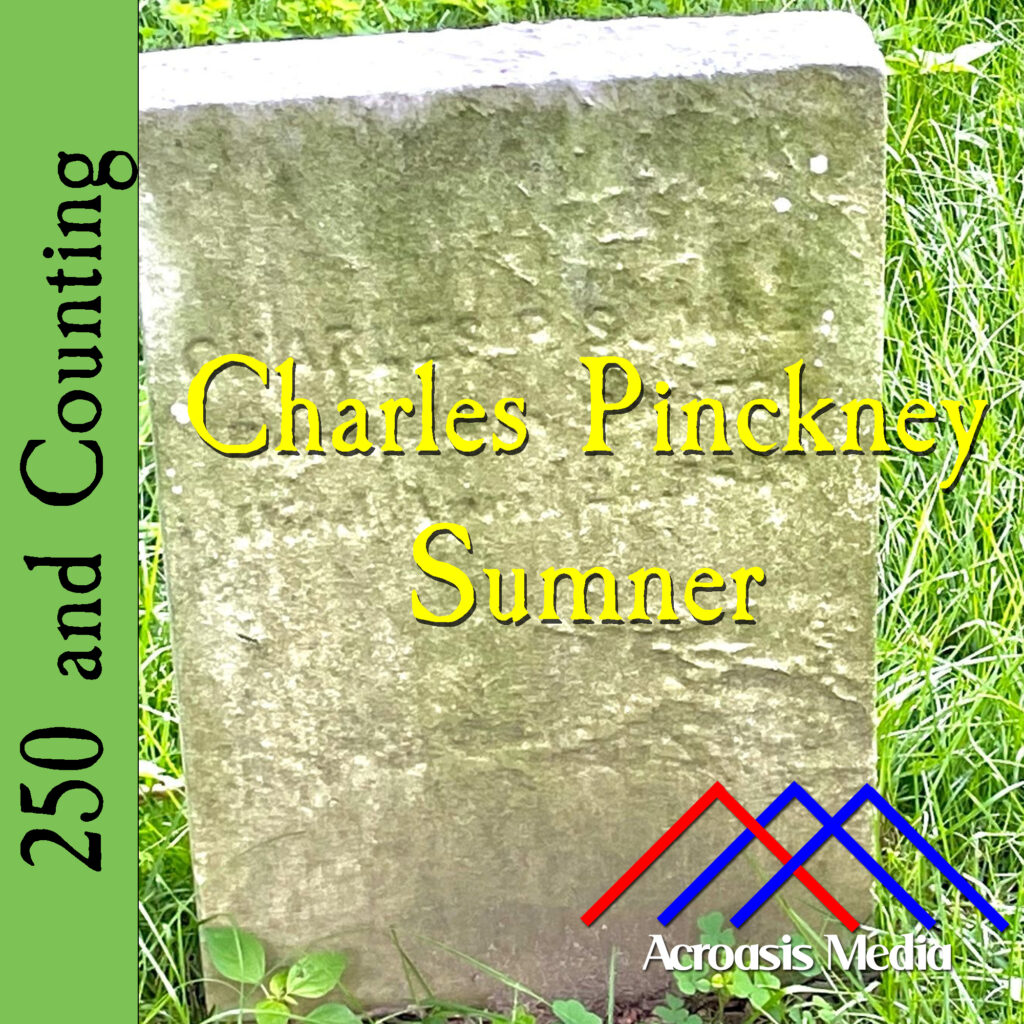
Charles Pinckney Sumner was a man ahead of his time, in the sense that he knew not only that slavery was wrong, but that slaves need not only to be freed, but to be treated as equal citizens.
He also carried a rather Utopian view of what society should be like, that Nature was at least as important as Nurture, if not more so.
Although he and his wife Relief Jacob had at least nine children, they were considered to be not especially demonstrative with one another, even described by some as “formal.”
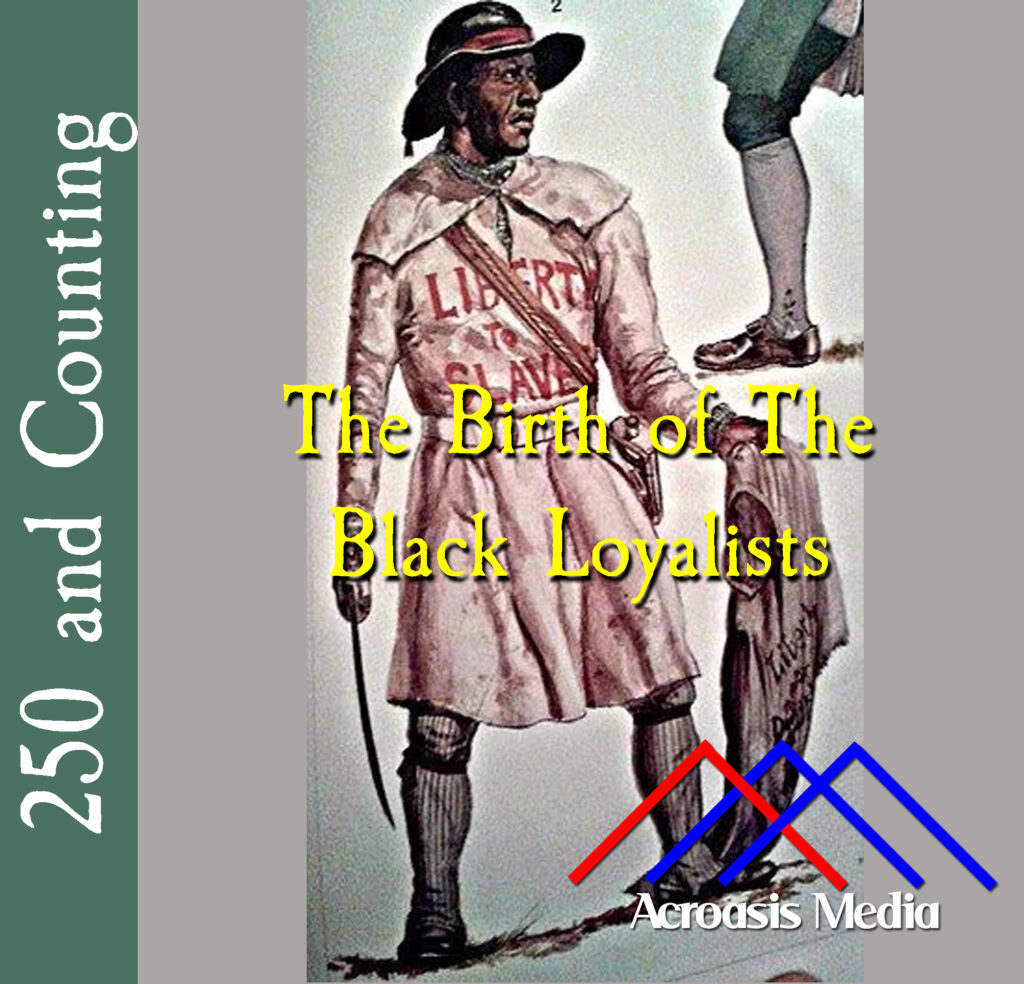
As we’ve mentioned a couple of times before, Lord Dunmore’s Proclamation offering freedom to Patriot-owned slaves who fought for the British created a stir that was felt in all thirteen colonies.
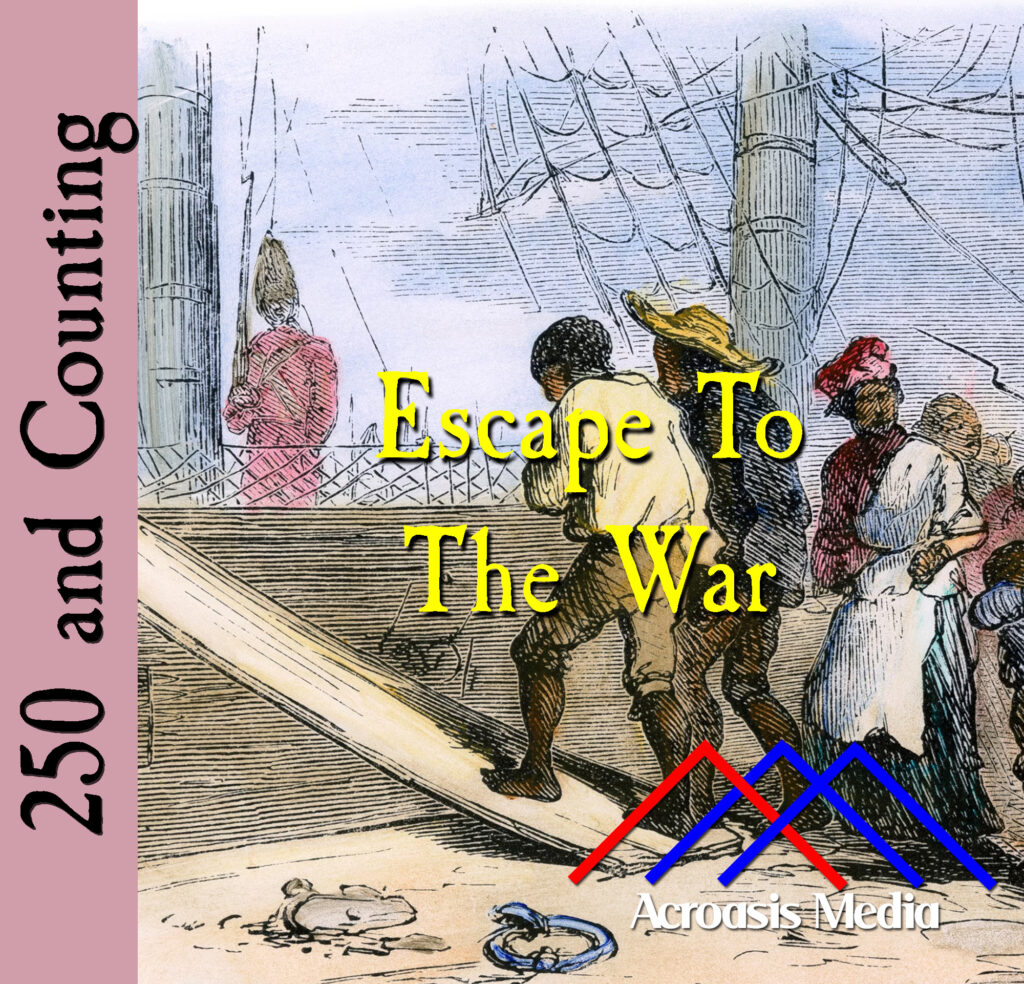
Huge numbers of people showed up, not just men, but women and children as well. And of course, because most of them had escaped to join the British forces, that meant that the slave-hunting business experienced a huge boom.
And, of course, the company formed by these escapees only fought in one battle of any note; many of the soldiers died of illness, some were sent back to their plantations of origin. Very few of them remained free.
Lord Dunmore issued his Proclamation just a week earlier, but the response was much stronger than anticipated, probably because—who knew!—people hate being slaves.
While the Proclamation only applied to the Virginia colony, because Dunmore had no authority conferred upon him anywhere else, a huge number of slaves and otherwise indentured servants from throughout the thirteen colonies fled to the British side of the lines.
(We have to say “throughout” because slavery was a thing in the north at this point; it just wasn’t nearly as common as in the south.)
This led to thousands of “American” blacks living ex-patriate lives throughout the British Empire after the Revolution.
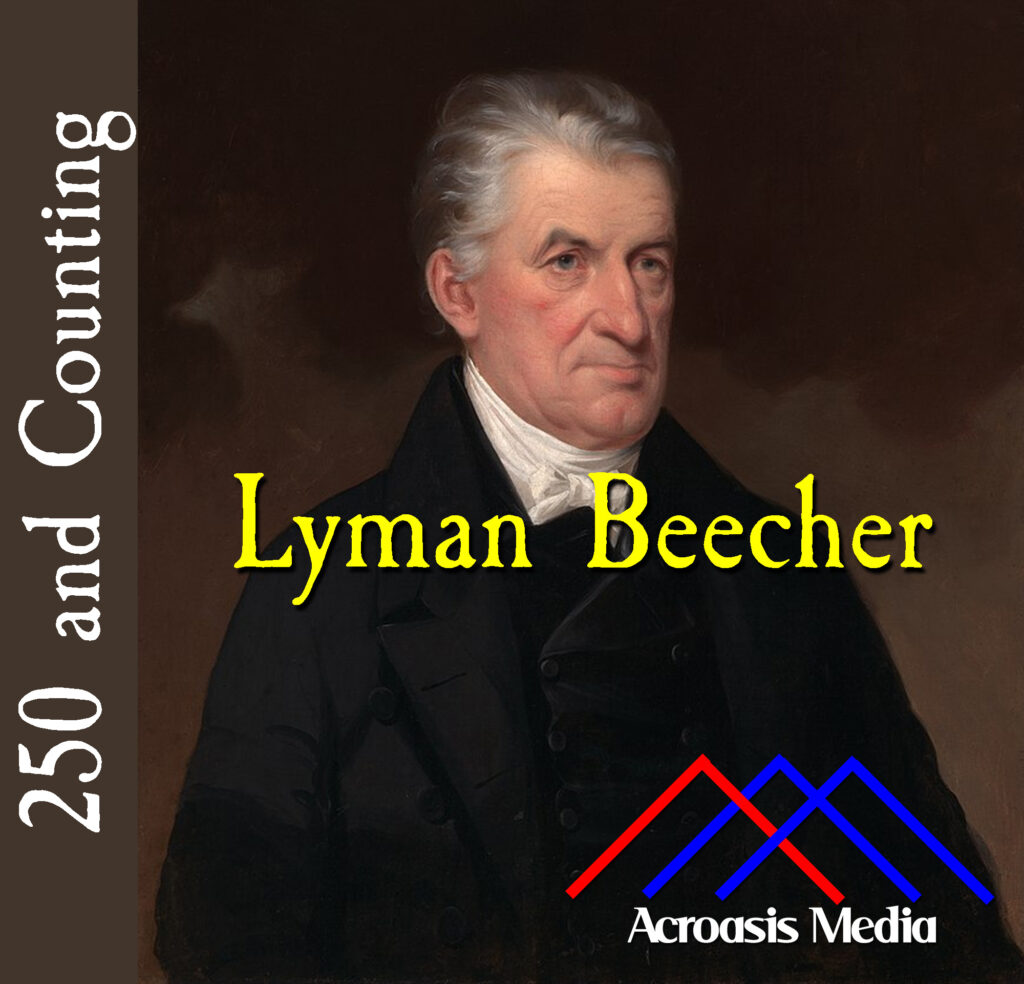
Although Lyman Beecher could be considered famous just for being the father of several prominent writers and ministers, he also had some achievements in his own right.
Beecher first became known for a sermon which was published shortly afterward on the evils of duelling. Because it was in the wake of Alexander Hamilton’s death, it proved quite popular.
Beecher next turned his eyes to intemperance, which is what intoxication was called at the time. It was a concern throughout America in the mid 1820s, so he delivered and published a half-dozen sermons which sold very well in America and in Europe. Those sales continued well into the 1870s.
By the time Beecher arrived at Lane Seminary in the early 1830s, slavery was coming to the fore as an important social topic. While he was an abolitionist at heart, his public stance was with colonization: the freeing of slaves and then moving them to start a colony in West Africa. (This is where Liberia got its start, incidentally.) Unfortunately, a multi-day public debate about colonization morphed into a discussion of abolitionism, and many students left the school altogether in protest.
Shortly after that, his views on changes in the church led to accusations of heresy, which he successfully defended. However, the seminary was left gutted and he moved back to New York to live with his son Henry in Brooklyn, where he remained until his death.
(Note: it’s in the alt text for the image, but in the interest of broader accuracy and general transparency, we know that this artwork isn’t the symbol for an American abolitionist society but rather a British one. But this is one of those cases where the story works better than the truth, and we found it to be a powerful image that underlines the intent of the tale. In short, let it go this once, OK? –CC)
It might come as a surprise to you that societies dedicated to the elimination of slavery in America came about as early as this, especially inasmuch as we had other things on our mind, such as the largest army in the world putting us in their sights. It might also come as a surprise that the one that came first in America, exists still, but with a different focus. Tune in and learn their story.
It was on this day that an essay appeared in the Pennsylvania Journal advocating for the abolition of slavery. The content wasn’t a huge surprise for Pennsylvania, but the interesting thing is: the essay is known for being written under a pen name, and for a long time, people were pretty sure they knew who that person was.