Category: Admiral Howe

  • No Way, No Howe–July 17, 1776

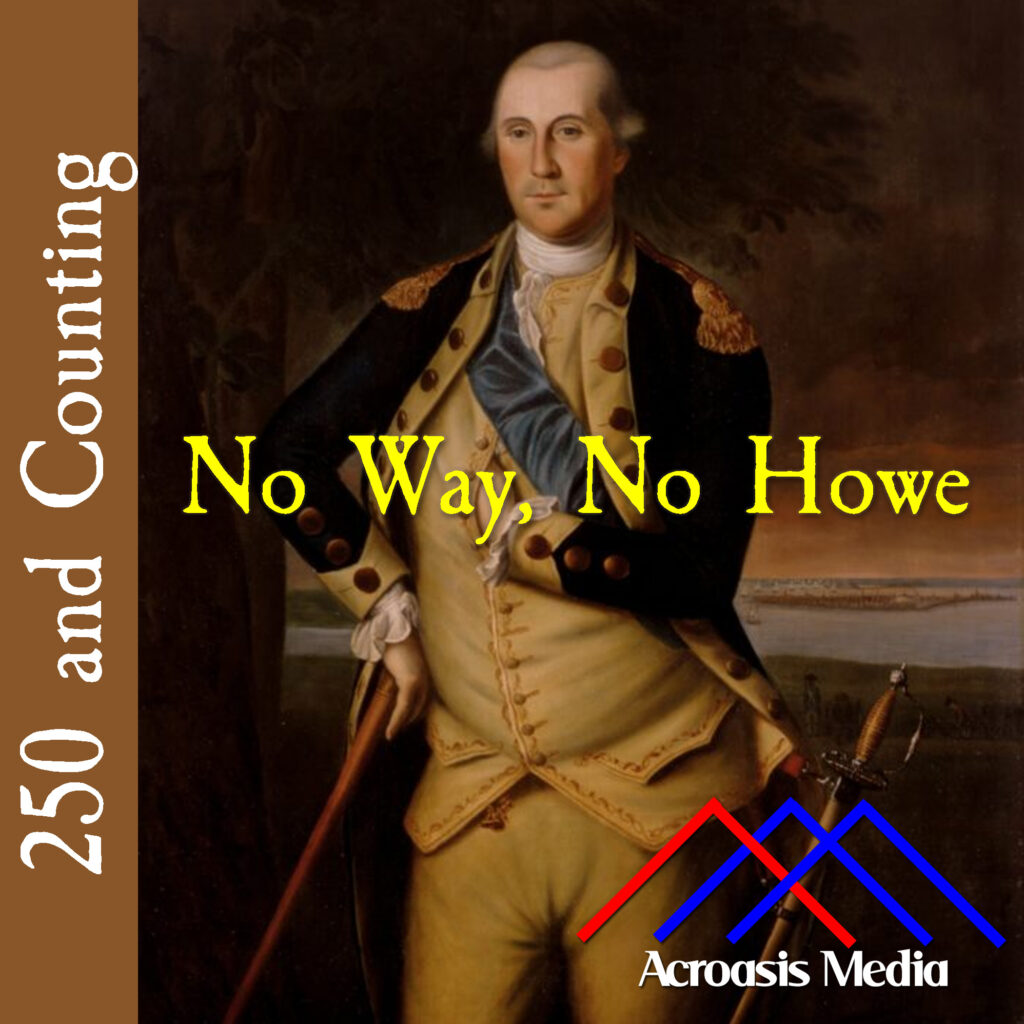
    Cover art for July 17, 1776: Portrait of George Washington, ca. 1776 by Chales Willson Peale.

    That George Washington agreed to meet with Colonel James Patterson was a bit of a surprise.

    He’d turned down the opportunity to meet with his British counterparts on multiple occasions, but when asked if he’d meet with one of those men’s officers, Washington accepted the offer.

    Once the meeting was set, Washington was more gracious than most people would expect. Colonel James Patterson was rowed to the Battery dock in lower Manhattan from the British barge. At this point it was expected that he would be blindfolded to prevent him from gathering intelligence on Washington’s headquarters. Instead, he was brought to a different location without being blindfolded.

    Patterson met with Washington, Henry Knox, Joseph Reed and a few others, and it was clear that these officers were very deferential to the General, typically referring to him as “Your Excellency.” Again, protocols were important to Washington.

    After rejecting the Howes’ letter yet again, Patterson mentioned the benevolence of His Majesty, King George III (which was probably not the right thing to say to George Washington, but still), and explained that the Howes were there “to accommodate this unhappy dispute”.

    According to Knox’s letter to his wife, Patterson then explained that Lord Howe had broad powers of pardon, but Washington wasn’t interested. As far as the General was concerned, “the Americans had not offended, therefore they needed no pardon. This confused [Patterson].”

    Shortly thereafter, Patterson was escorted back to his barge, disappointed but sociable.

  • You Don’t Mess Around With George–July 14, 1776

    Cover art for July 14, 1776: altered portrait of George Washington, via tenor.com.

    One of the most common things written about George Washington is that he always behaved like a gentleman, and expected others to behave the same way; following protocol was very, very important to him.

    When he was sixteen years old, he copied out by hand 110 rules of Civility & Decent Behavior in
    Company and Conversation
    , likely as a penmanship exercise. These rules are based on a set of rules composed by French Jesuits in 1595. The first English translations of the French rules appeared in 1640, and are ascribed to Francis Hawkins, the twelve-year-old son of a doctor. (So, probably as a translation exercise from Hawkins’ French tutor.)

    Without even knowing it, the people who worked with this set of rules was absorbing a code of behavior that worked for people of all social strata, rather than for a specific class of people. Thus, it makes sense that the protocol for Washington as a leader of soldiers, and then a nation, depended on the “all men are created equal” credo.

    As Parson Mason Locke Weems said of Washington, “‘no wonder every body honored him, who honored every body.” And while Weems is also thought to be the guy who made up the Cherry Tree story, he was certainly correct in this respect.

  • Howe Readies For NY–June 23, 1776

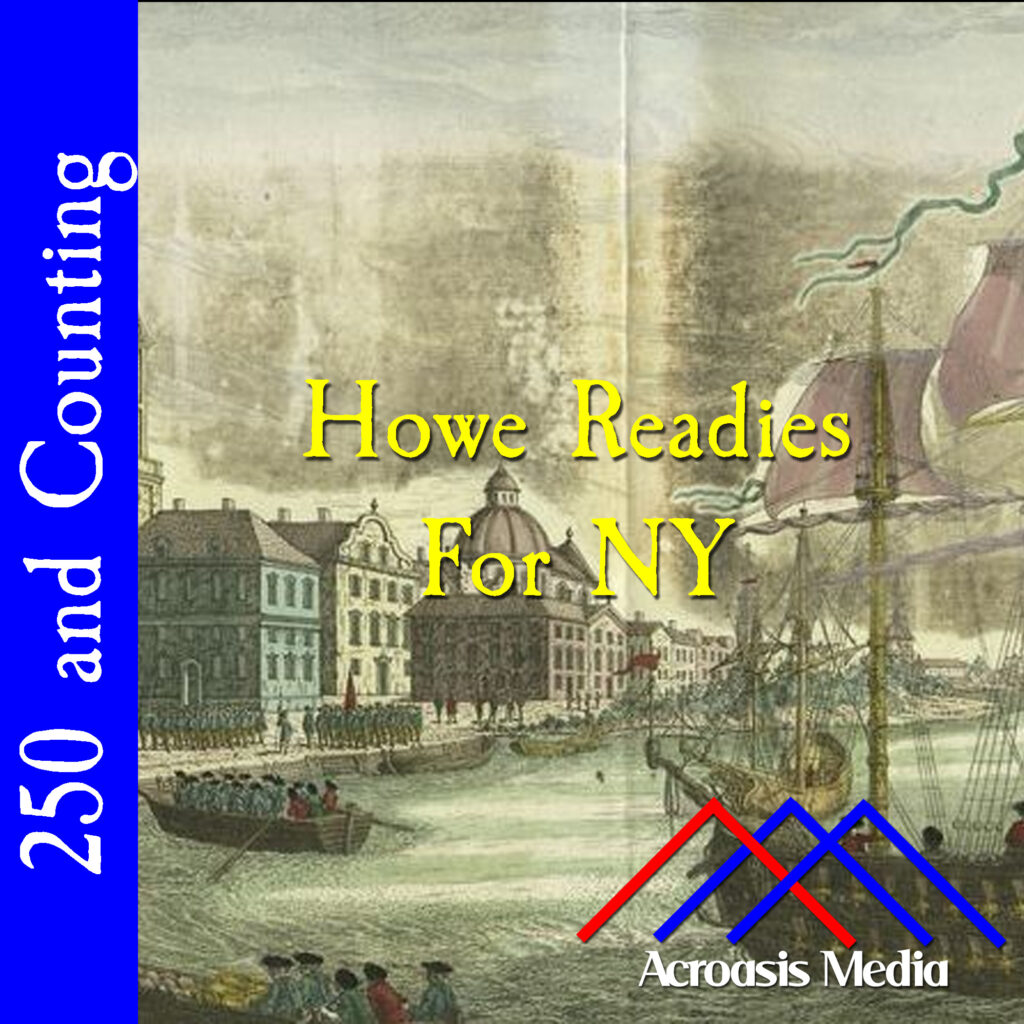
    Cover art for June 23, 1776: "Die Anlandung der Englischen Troupen zu Neu Yorck" ("The Arrival of British Troops in New York"), by Franz Xaver Habermann, engraved shortly after the event in 1776. via New York Public Library.

    That Admiral Richard Howe maintained some sympathies for the Colonists in the earlier years of his career might be overselling it a little bit.

    Howe did have some sympathies, but when he and his brother, General William Howe, met with the Committee of Safety headed by Benjamin Franklin, the idea was to quash the idea of revolution and effect a return to status quo. When that failed, Admiral Howe was the first to hoist the Jolly Roger.

    Okay, he didn’t do that exactly, but he was fully prepared to do whatever he needed to do to end the situation. And that’s probably why he moved up in the ranks so quickly between 1770 and 1776. He’d already shown his competence in the Seven Years’ War, and now he was proving himself again.

    Howe’s plan to blockade ships entering major harbors might have worked in the long run, but those plans were interrupted when John Burgoyne’s troops were captured, forcing Richard Howe to winter in Rhode Island.

    In recent years there have been suggestions that Howe’s blockades were less successful in the northern colonies because he was allowing ships to get through, accidentally on purpose as they say. Is it possible that he was letting those sympathies get the better of him? It’s actually tough to say for sure.