Category: Jonathan Trumbull

  • Notes From All Over–April 11, 1776

    Cover art for April 11, 1776: Detail of the April 11 letter from Abigail Adams to John Adams. via Massachusetts Historical Society.

    While there were a lot of smaller things going on on this day in 1776, there are typically multiple things going on for any given day. We often have to make choices regarding what we’re going to concentrate on, and don’t think we don’t feel a twinge of regret when we spot something else that happened on thus-and-such a date and had a moment of “Man, I wish we’d done that one.”

    So today we were fortunate in that there were several smaller items going on, but we didn’t have to use up a lot of audio real estate to cover all of them. It’s nice to have the luxury of telling all the stories you’ve got for a day.

    Incidentally: Mike and I are in Boston this week, absorbing history, interviewing people and shooting video for you to enjoy in a few weeks when we’ve finished editing it. It’s an extra dimension to the show that we hope you’ll enjoy.

  • Salisbury Iron Furnace–February 2, 1776

    Cover art for February 2, 1776: A typical iron factory setup, This image is generally used to represent the Salisbury Furnace. via National Park Service.
    A typical iron factory setup, This image is generally used to represent the Salisbury Furnace. via National Park Service.

    In early 1775 when hostilities first broke out, the Salisbury Iron Furnace was owned by an Englishman named Richard Smith. By the end of the year he’d cleared out and gone back home to England, and remained there for the rest of the war.

    After an inspection in early January, the Committee of Safety formally recommended that the Salisbury Iron Furnace be confiscated and made ready for the production of cannon. The first cannon rolled out on May 27, and by the time the war ended, about 850 cannon—about 75% of all the cannons made in the colonies—had come from Salisbury, not to mention ammunition and other armaments.

  • Preparing To Defend New York–January 7, 1775

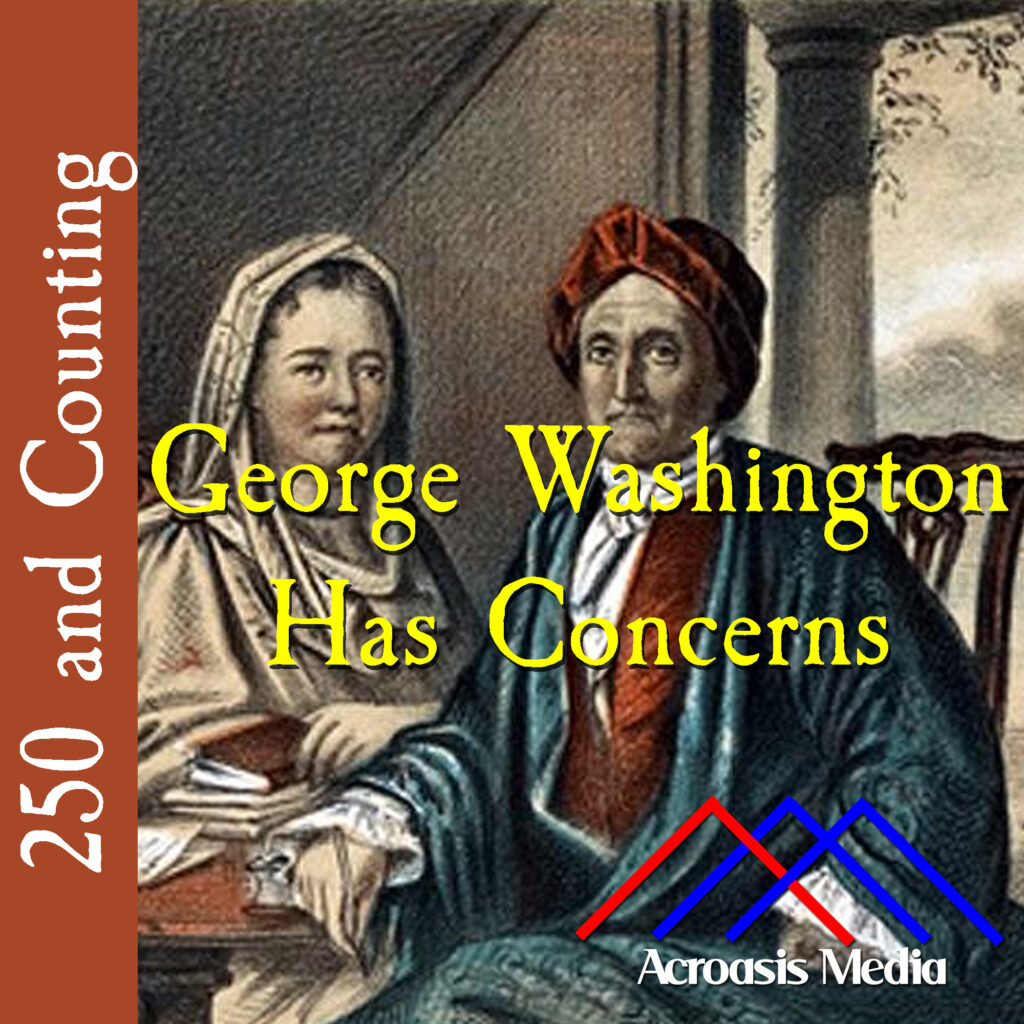
    Cover art for January 7, 1775: Portrait of Jonathan Trumbull and his wife Faith, painted by his son John Trumbull, 1778. via New York Public Library.
    Portrait of Jonathan Trumbull and his wife Faith, painted by his son John Trumbull, 1778. via New York Public Library.

    There are many letters between George Washington and Connecticut Governor Jonathan Trumbull. Presumably something as simple as proximity to another leader was attractive to both of them, especially in an age where letters took several days to go a hundred miles.

    We have to presume that the two men had very reliable people transporting these letters, given how much detail is in this one regarding Washington’s guesses about British troop movements and exactly what he was going to do about it. It’s certainly been the case before that correspondence has been intercepted by the British in the past, and the Postal Service hadn’t been up and running for very long by that point.

    At any rate, Washington was correct in that the British were taking a hard look at New York City (still mostly just the southern tip of Manhattan, mind you) and the palisades along the Hudson River, which was still called the North River then. Where he was likely incorrect was in the timing of that move, which may have resulted in a little complacency.