Category: George Wythe

  • Busy Day For Mr. Rutledge–September 27, 1776

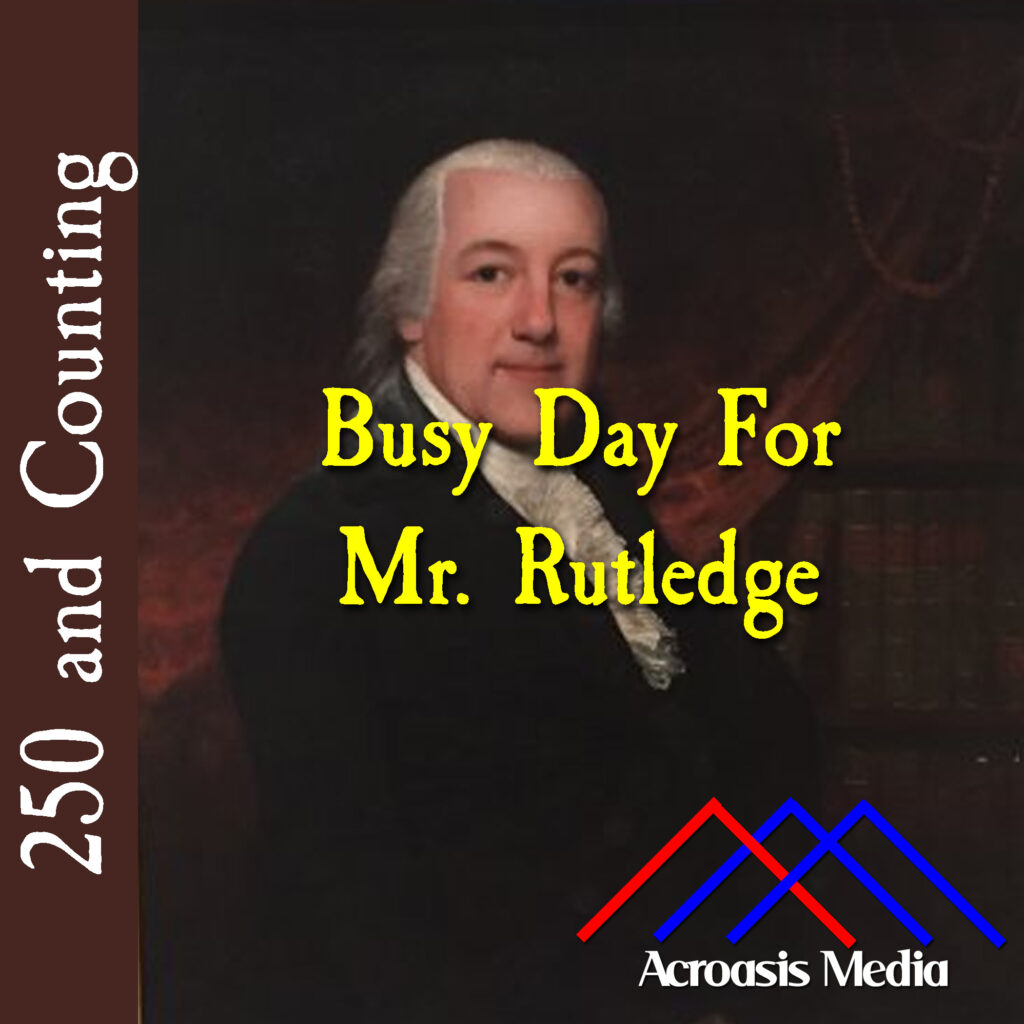
    Cover art for September 27, 1776: Portrait of Edward Rutledge by James Earl, 1791. via Gibbes Museum of Art in Charleston, SC.

    In putting this episode together, I realized that I used this same image of Edward Rutledge back in the September 9 episode. However, I neglected to put the information for the image in the alt text. And that’s something I do try not to overlook. On the other hand, I was still hopped up on cold medication, so there’s that.

    And before I forget, I mentioned the censure of Esek Hopkins during the episode, so I wanted to ensure that I linked back to that as well.

    In addition to being the youngest signer of the Declaration of Independence, at the tender age of 26, Edward Rutledge was also a governor of South Carolina. By my count he was their ninth governor, from 1798 to 1800, but that’s if you count his brother John Rutledge twice, since John served twice, non-consecutively. Also, he was the ninth governor of the state of South Carolina; if you count the colonial governors, he’d be thirty-ninth.

    After leaving the Continental Congress, Rutledge did fight in the Continental Army. He was captured during the Siege of Charleston in 1780 and released in a prisoner exchange the following year.

    I should note that while Rutledge was governor he suffered from an attack of gout and went home to Charleston to recuperate. Not long afterwards, he heard the news of George Washington’s death and was so upset by this that he had an attack of apoplexy and died. (Modern-day medical types would probably say that he had a cerebral stroke.) Rutledge had been the Governor for 401 days.

  • Adams’ Model Treaty–July 18, 1776

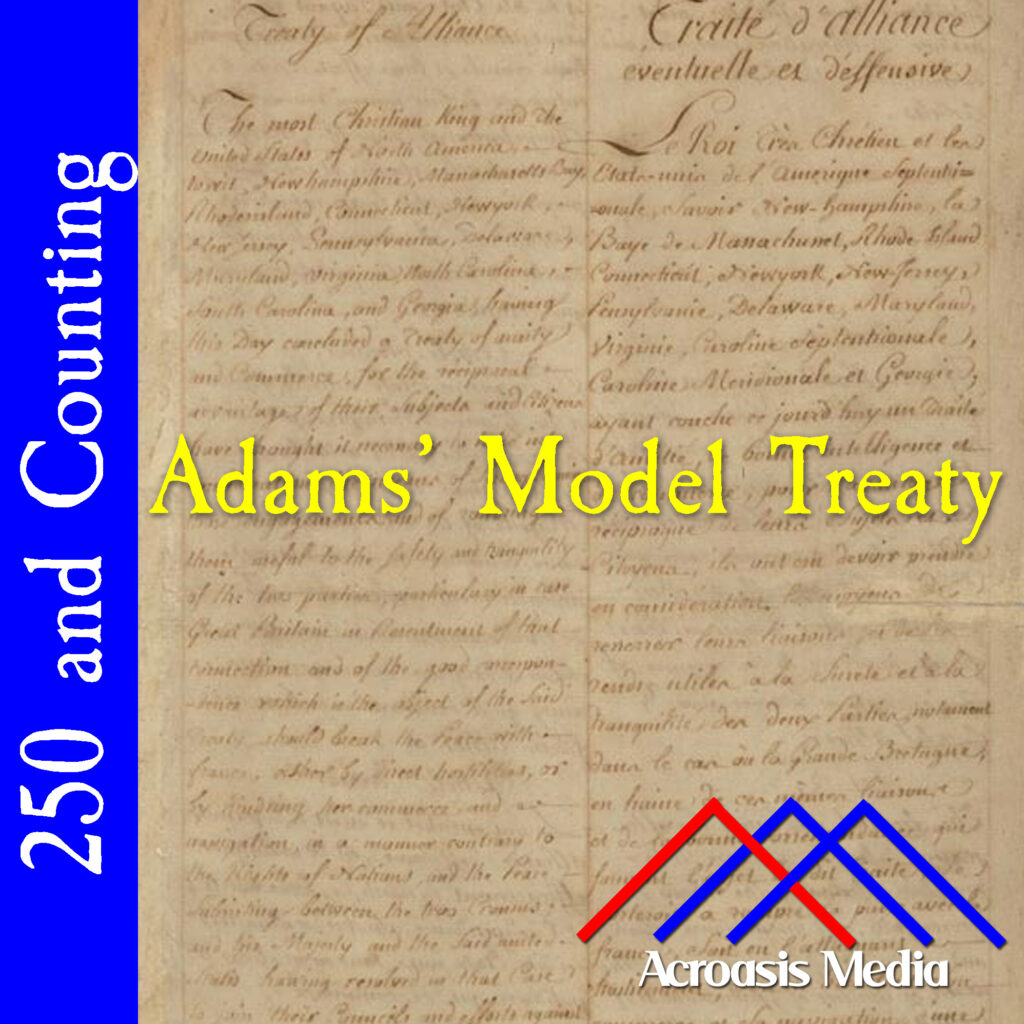
    Cover art for July 18, 1776: The 1778 Treaty of Alliance with France, based on Adams' work of today. Via National Archives.

    Coming up with a model treaty wasn’t John Adams’ idea, but it turned out to be a very good idea that he was responsible for implementing.

    Once Adams had it in his head, he began to work on the model treaty along with the committee, and while it was intended to be used for commercial trade, it could be (and eventually was) adapted for soliciting military support in the form of weapons and other ordnance (rather than troops).

    Today’s artwork, incidentally, is the Treaty of Amity and Commerce from 1778 that the US signed with France. If you look closely you’ll see that the left side is in English and the right side is the French translation. This is just most of the first page, of course, but it’s interesting to see how such things were handled.

  • The Address That Didn’t Happen–May 29, 1776

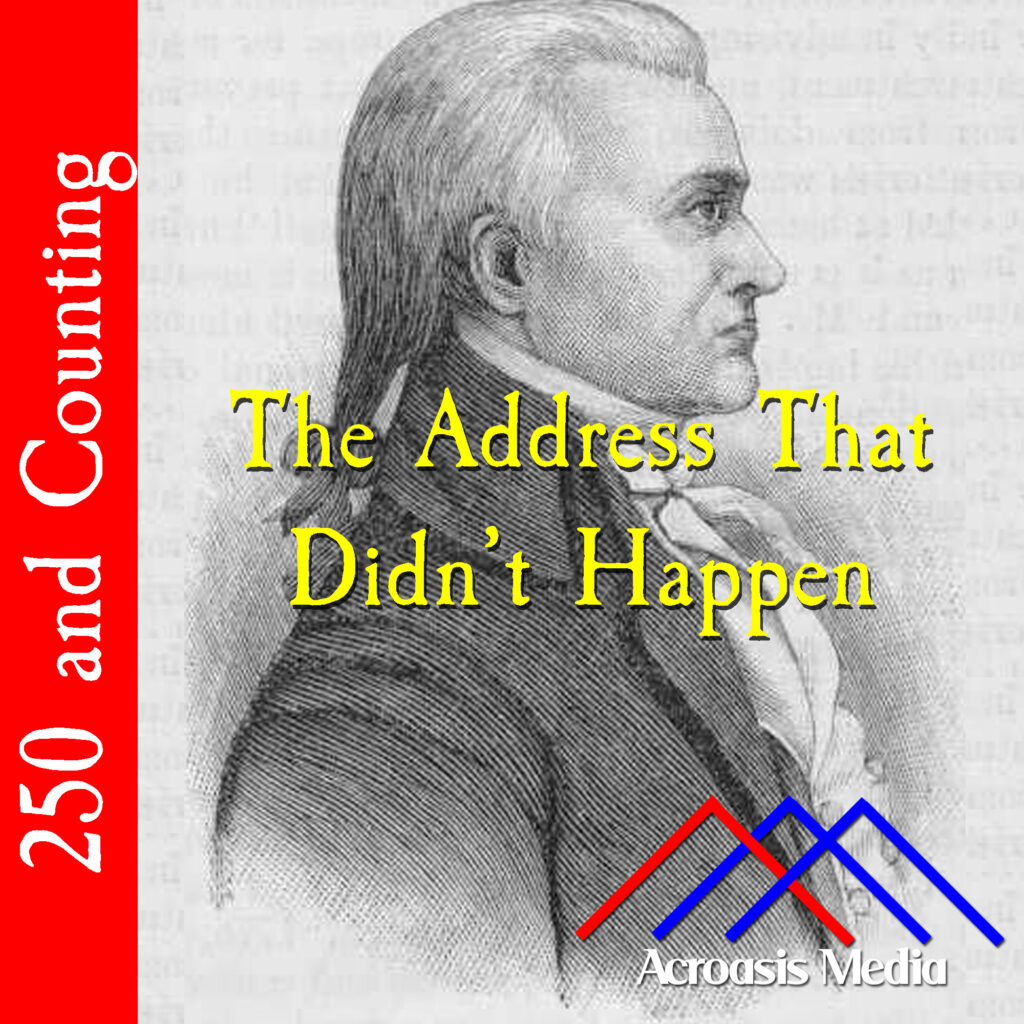
    Cover art for May 29, 1776: Portrait of Caesar Rodney, possibly by John Thomas Scharf, circa 1888. There are no contemporary portraits of Rodney known to be extant.

    While the Second Continental Congress always had a lot going on, not creating “an animated address” to make the Independence movement appearent to everyone seems like an odd failure.

    But sure enough, when it was recommended that such an address be created, this specific committee came up with nothing. Other committees appear to have presented addresses without problems, and many delegates worked on multiple committees, so was this an oversight? Was it overwork? Or perhaps the need to actually write a Declaration of Independence obviated the need for creating “an animated address”?