Category: James Wilson

  • What To Do With Those Natives?–July 26, 1776

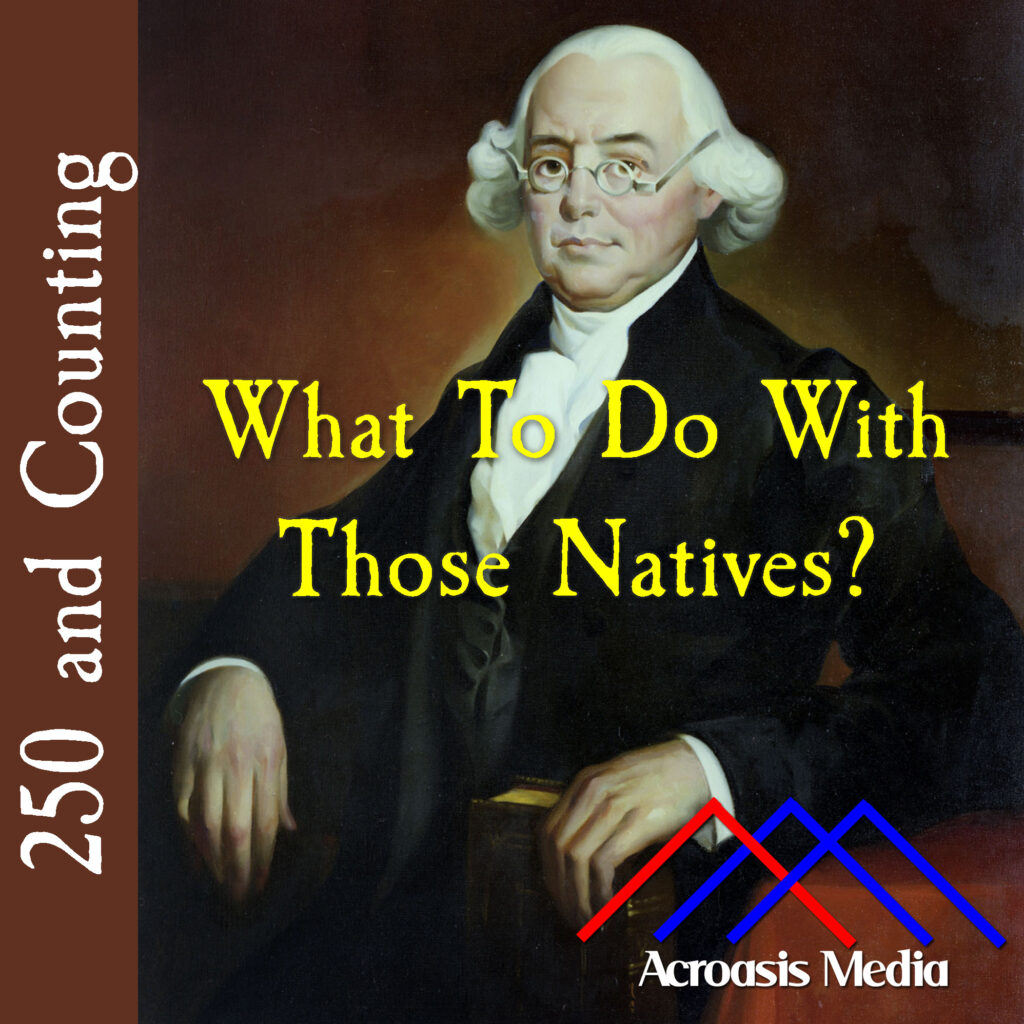
    Cover art for July 26, 1776: Official portrait of Justice James WIlson as a Supreme Court Associate Judge, by Robert S. Susan, after Leopold G. Seyffert, after Max Rosenthal, ca. 1936. Now part of the Collection of the Supreme Court of the United States.

    That Native American relations were considered at all as part of the Articles of Confederation is a little bit of a mystery, but it’s possible that the Congress was just looking for some across-the-board consistency when it came to that sort of thing.

    After all, you couldn’t have the folks in the Southern States battling with the Cherokee while the Northern States, which were more or less peaceful with the Iroquois, doing nothing to assist. It’s just too many variables to consider.

    Ultimately, the Federalists won this argument, in the sense that Native American relations would be left to the US government to deal with, provided that the rights of the individual states were not infringed upon.

  • Board of War and Ordnance–June 21, 1776

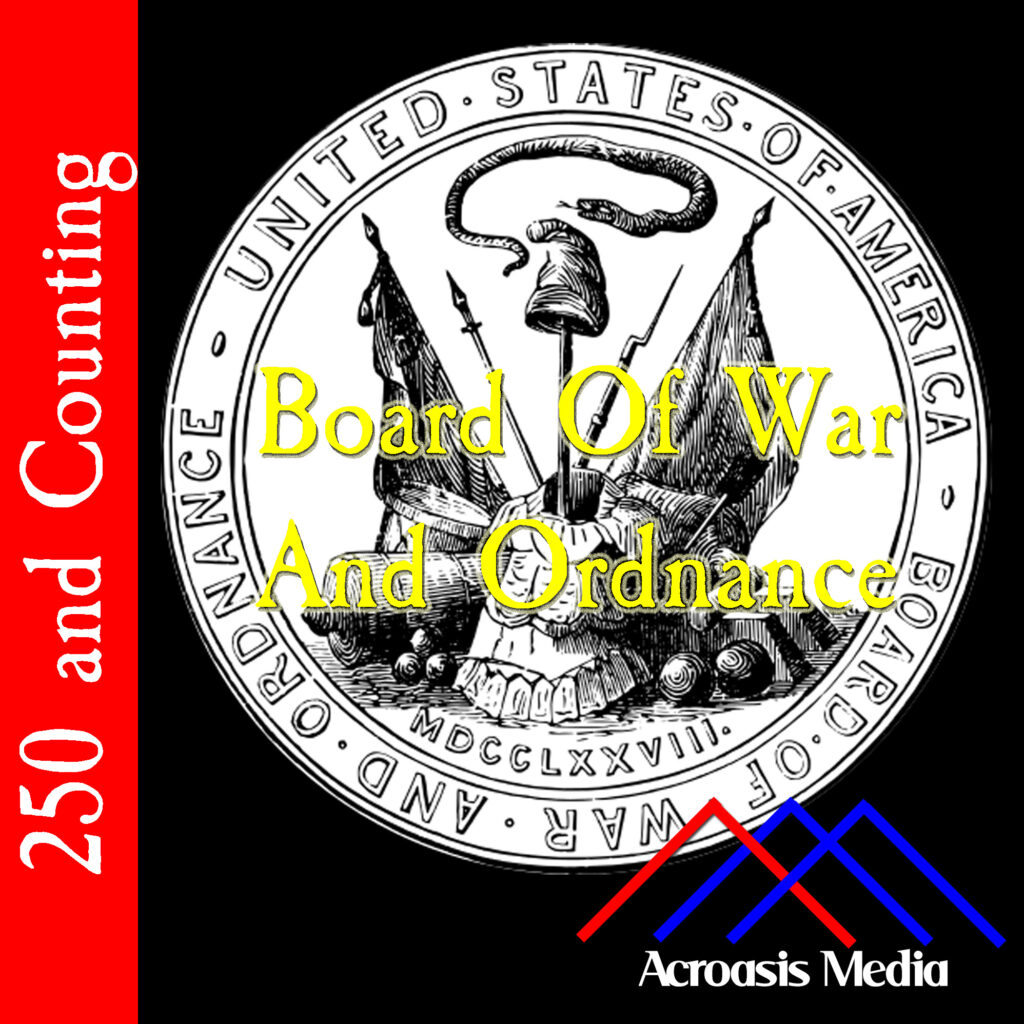
    Cover art for June 21, 1776: Seal of the United States Board of War and Ordnance, created in 1778. It was used by the U.S. War Department until 1880.

    We’ve spent a bunch of episodes describing a day in the life of the Second Continental Congress, and many of them were almost exclusively dealing with military matters.

    In January 1776 George Washington recommended that the Congress designate a specific office for these dealings, and Edward Rutledge picked up the idea and suggested it to the Congress. It took a little time, but the Congress ultimately agreed and set up a Board of War and Ordnance, which began operating on this day in 1776.

    The original Board of War and Ordnance was five delegates to the Congress, plus a secretary who wasn’t a delegate. After only a few months they recognized that they couldn’t do their jobs as delegates and keep up with the War workload, so they had themselves replaced with a permanent Board.

    The Board operated until the war ended, after which it was dissolved, but the logo (see cover art) persisted in the War Department until 1880. Incidentally, note the Phrygian Cap in the artwork. We haven’t talked about that in a while, but in those days the Cap was a universally-recognized symbol of freedom dating back to ancient Rome, when it was given to former slaves. In the Revolutionary Era, it specifically symbolized freedom from British tyranny.