Category: Roger Sherman

  • Board of War and Ordnance–June 21, 1776

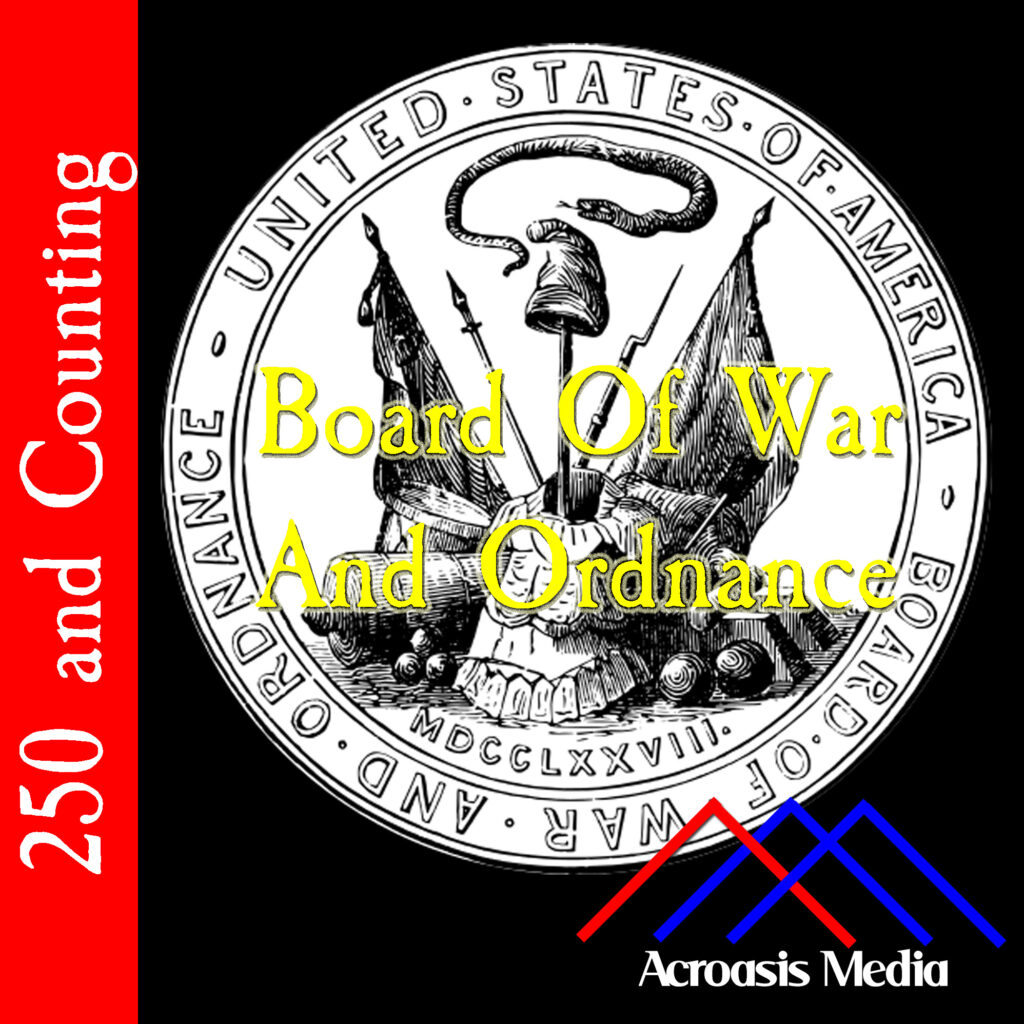
    Cover art for June 21, 1776: Seal of the United States Board of War and Ordnance, created in 1778. It was used by the U.S. War Department until 1880.

    We’ve spent a bunch of episodes describing a day in the life of the Second Continental Congress, and many of them were almost exclusively dealing with military matters.

    In January 1776 George Washington recommended that the Congress designate a specific office for these dealings, and Edward Rutledge picked up the idea and suggested it to the Congress. It took a little time, but the Congress ultimately agreed and set up a Board of War and Ordnance, which began operating on this day in 1776.

    The original Board of War and Ordnance was five delegates to the Congress, plus a secretary who wasn’t a delegate. After only a few months they recognized that they couldn’t do their jobs as delegates and keep up with the War workload, so they had themselves replaced with a permanent Board.

    The Board operated until the war ended, after which it was dissolved, but the logo (see cover art) persisted in the War Department until 1880. Incidentally, note the Phrygian Cap in the artwork. We haven’t talked about that in a while, but in those days the Cap was a universally-recognized symbol of freedom dating back to ancient Rome, when it was given to former slaves. In the Revolutionary Era, it specifically symbolized freedom from British tyranny.

  • The First Draft–June 18, 1776

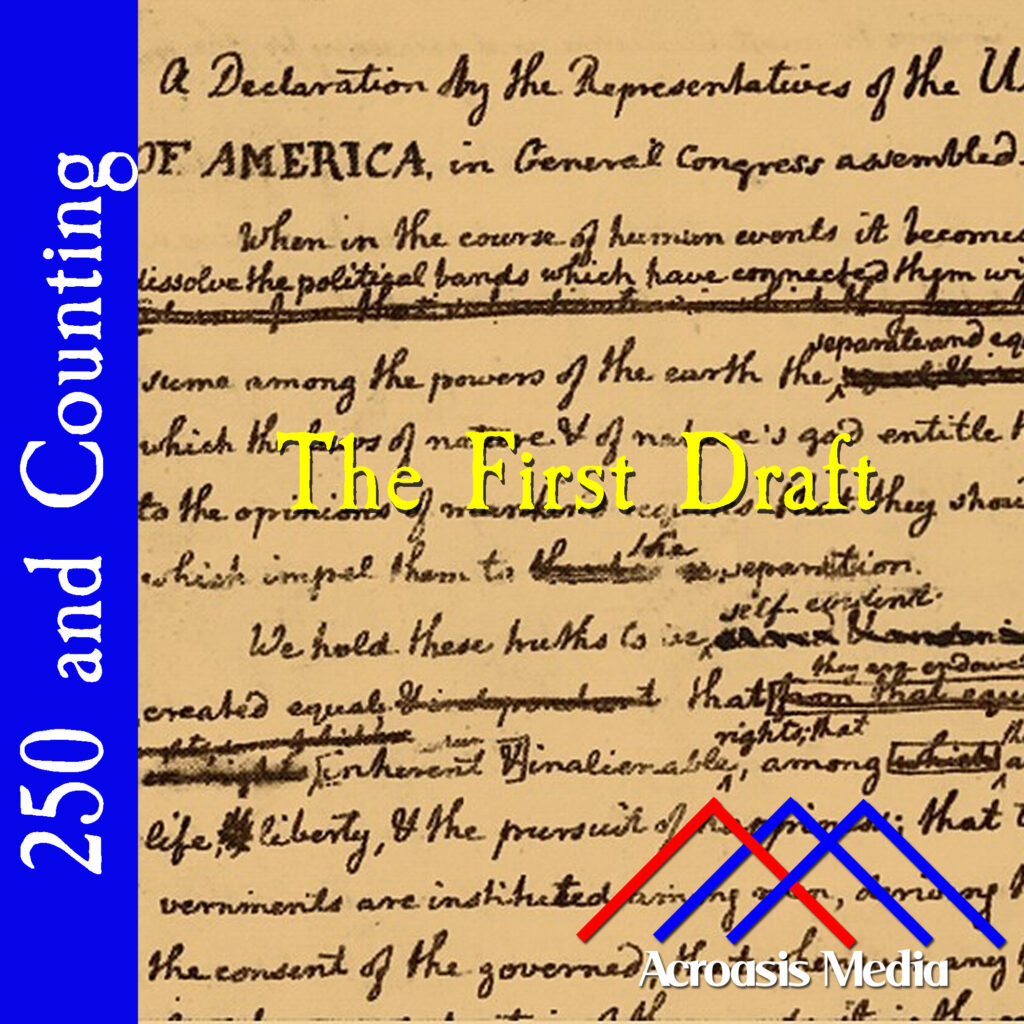
    Cover art for June 18, 1776: Detail of the original first draft of the Declaration, in Thomas Jefferson's handwriting. The finished engrossed version (what you're used to seeing) has Timothy Matlack's handwriting.

    As Mike notes, marking today as the day that the first draft of the Declaration of Independence was presented to Congress is largely a matter of interpoloation on the part of historians working from incomplete information. But who are we to argue?

    The writing you see in today’s cover art is, in fact, Thomas Jefferson’s, mostly. Some of it is corrections made by Benjamin Franklin. It’s also worth noting that this image came from Wikimedia Commons and is color-adjusted. The original image has the paper looking much whiter, but the parchment coloring makes for a little bit better contrast against the ink.

    Incidentally, some documents from this era do look very good still while others are quite faded. The original Declaration of Independence, for example, is rather faded. This is because over time, the ink oxidized from black to a brownish color. In addition, it was displayed under relatively bright light for many years, and the ultraviolet radiation from those lights further faded the ink. The specific paper can also have an effect; some documents are written on a kind of cotton rag, which allows the ink to “bleed” over time and start to look rather smeared, whereas other documents written on vellum (which was basically calfskin) hold their shape better. In both cases the color holds better unless UV gets to it.

    Oddly enough, paper from the 19th through mid-20th centuries made use of wood pulp, which turns color and becomes more brittle over time, and is more acidic, which will damage the ink as well. So it’s possible that there could be a “hole” in our historical records unless steps are taken to preserve, or at least digitize, some of them.

  • Connecticut Goes Fourth–June 14, 1776

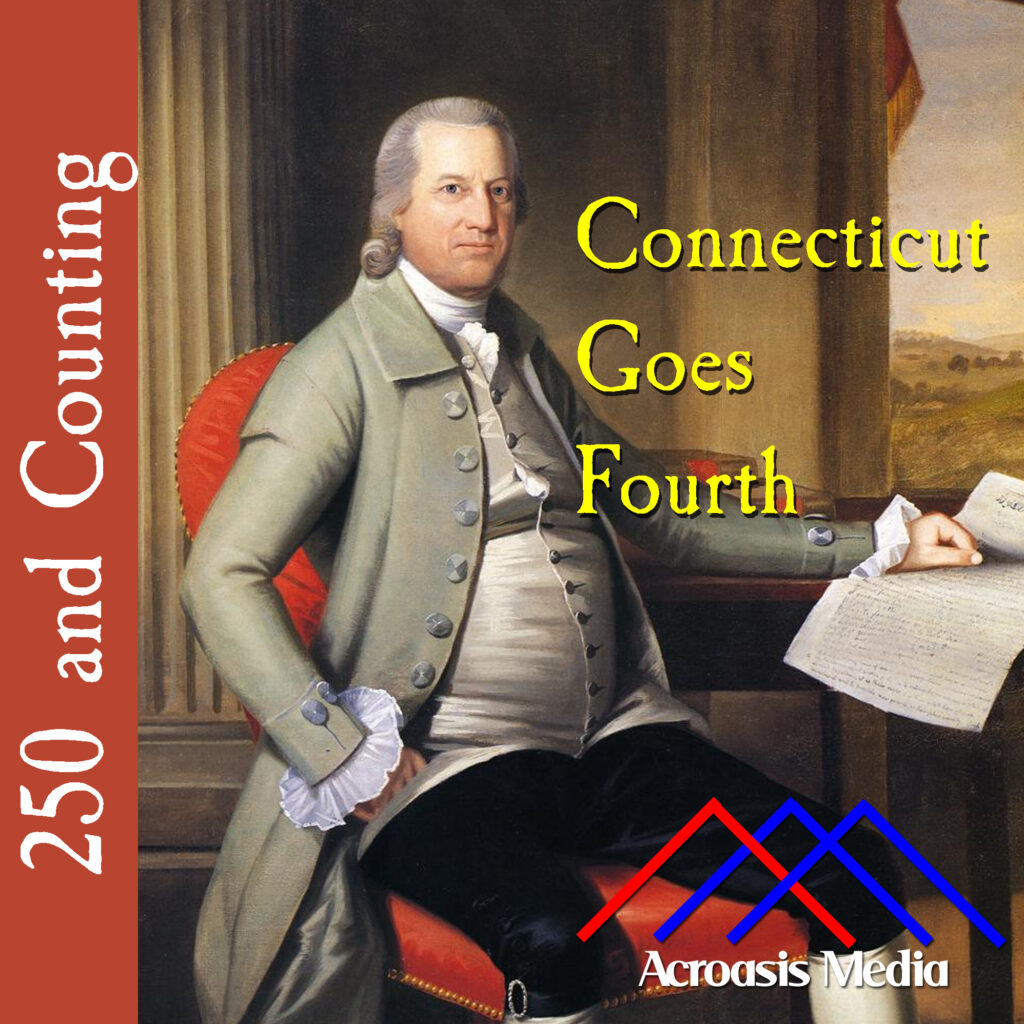
    Cover art for June 14, 1776: a 1789 portrait of Connecticut Founding Father Oliver Wolcott by the American painter Ralph Earl, oil on canvas. via Wikimedia Commons.

    It’s not a misspelling; it’s a pun—oh, forget it.

    Connecticut had already been fighting the war for independence since Bunker Hill, but that’s not the same thing as separating politically from Great Britain. In retrospect, we made it look relatively easy, but once again, remember: something like this hadn’t been done before, and sending instructions to their delegates to vote in favor of Independence was literally directing them to commit an act of treason. So let’s give the individual colonies a little bit of grace, here.

    Now, New York is going to bump into a different kind of trouble, but we’ll talk about that in a few days.

    (It was a little bit funny though, right?)

  • The Declaration Begins–June 11, 1776

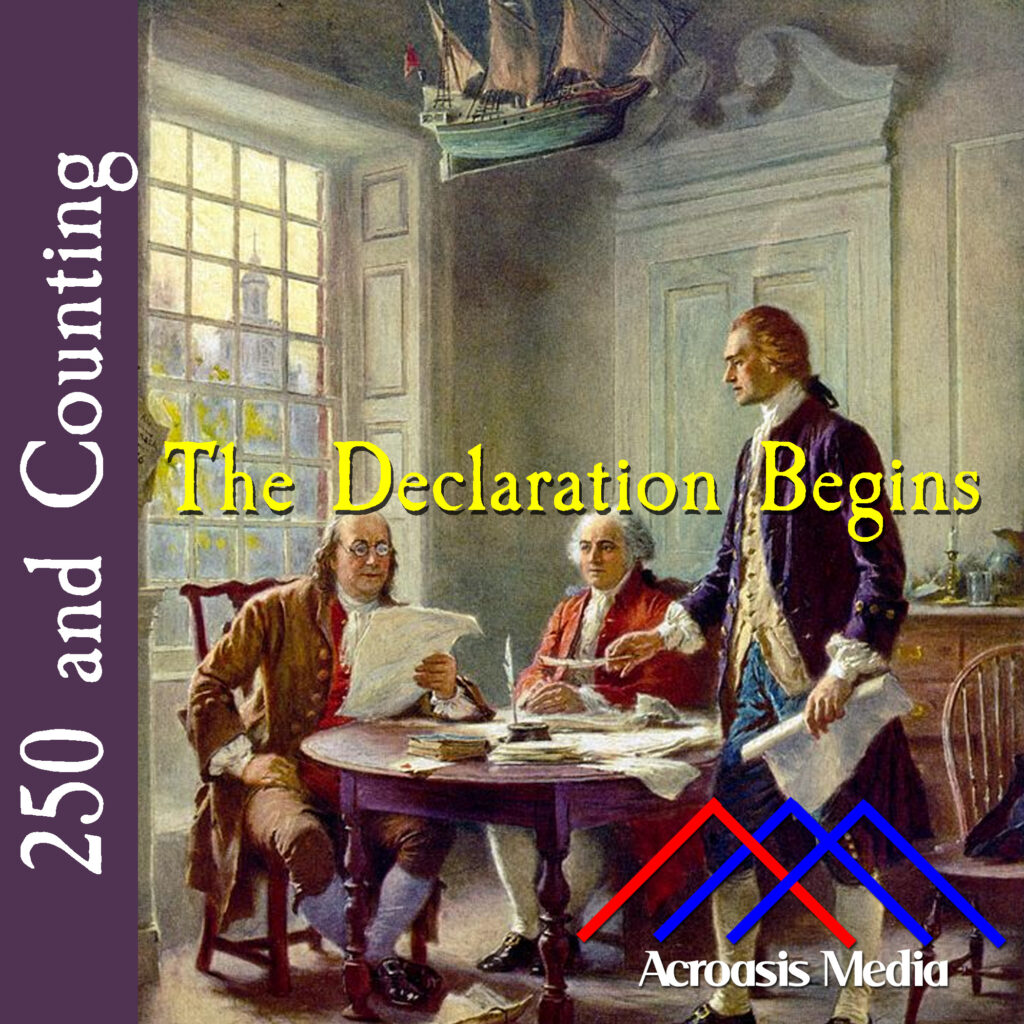
    Cover art for June 11, 1776: "Writing the Declaration of Independence 1776" by Jean Leon Gerome Ferris, 1900. via Wikimedia Commons.

    After temporarily tabling the Lee Resolution, which called for our independence from Great Britain, the Second Continental Congress identified its Declaration Committee. Five men were chosen to articulate why we were asking King George to go screw himself in the politest possible terms.

    While the Committee involved five men—John Adams, Benjamin Franklin, Thomas Jefferson, Roger Sherman and Robert Livingston—most of the work fell to three of them: Jefferson, Adams and Franklin. Jefferson spent a few days working on the first draft in isolation, then Adams and Franklin began reviewing and revising his work.

    The Declaration Committee worked steadily for over two weeks before presenting their finished product to the Congress, though John Hancock did get to see an earlier draft.