Category: Thomas Paine

  • Thomas Paine Writes Again–November 23, 1776

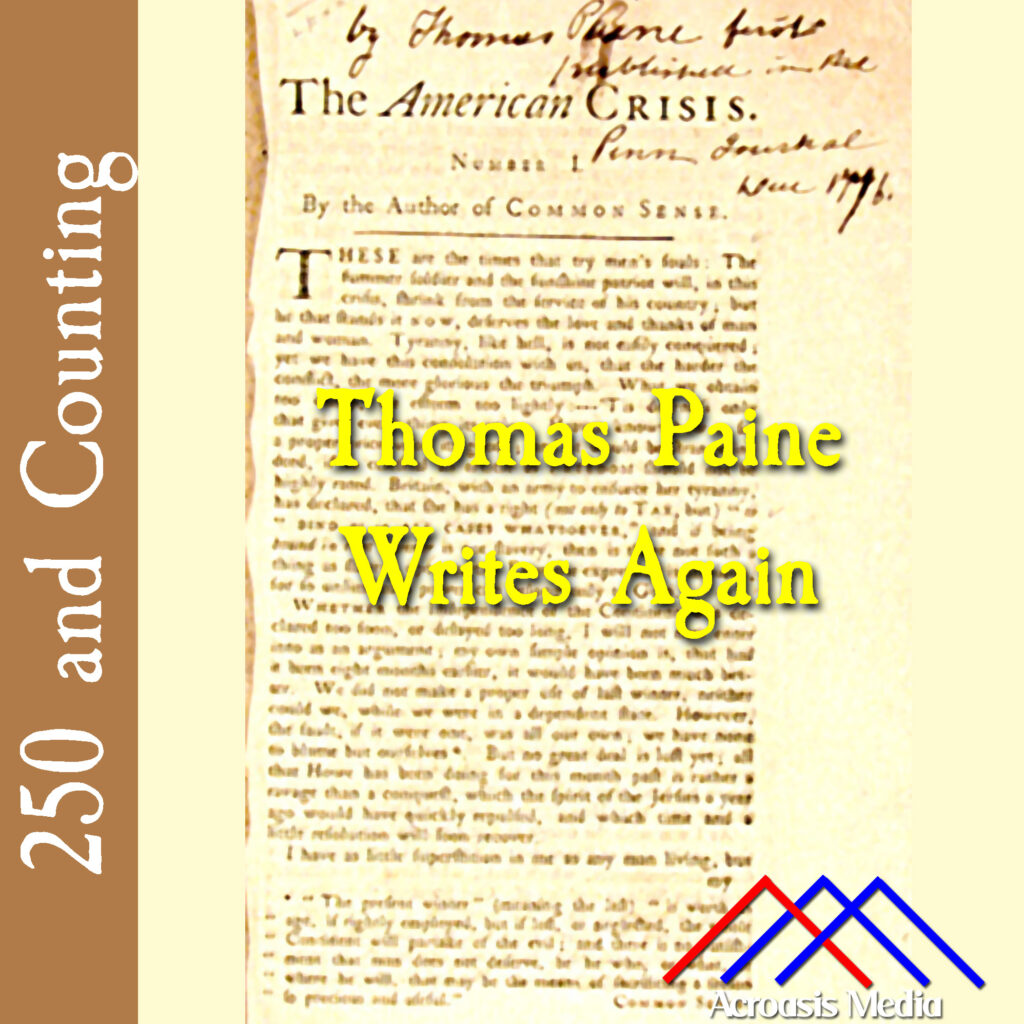
    Cover art for November 23, 1776: the first page of the original printing of the first volume. via Indiana University.

    When Thomas Paine began his American Crisis series, the Continental Army was definitely at a low point, and given that he was traveling with that army, which was morally beaten and dwindling quickly, he was able to see first hand that a boost was needed to remind people what the Americans were up against.

    So it was roughly this date that he began drafting the series, which appeared in various media from time to time. Sometimes it was a stand-alone pamphlet, other times it appeared as a piece in one or more newspapers. And as you can see from the cover art, he clearly intended The American Crisis to be a series, since he called this issue Number 1.

    Over the next few years, Paine would spot an issue and write the next chapter of the American Crisis series. And just as he knew when writing Number 1 that there would be more, he also knew that Number 13, which he published in April 1783, would be the last issue, given that it was called “The Last Crisis, Number XIII”. In that issue, he celebrates the end of the war by marking the anniversary of Lexington and Concord. And for all intents and purposes the war itself was over, but Paine noted that a permanent union of the states is essential to maintain the sovereignty, safety and global respect of the United States. Clearly there was some work to be done.

    In this series, Paine also took care to ensure that we maintained our identity as “Americans,” since we were already known by that name to the world by this point, and that we have a shared national character.

  • Change Comes From Within–May 10, 1776

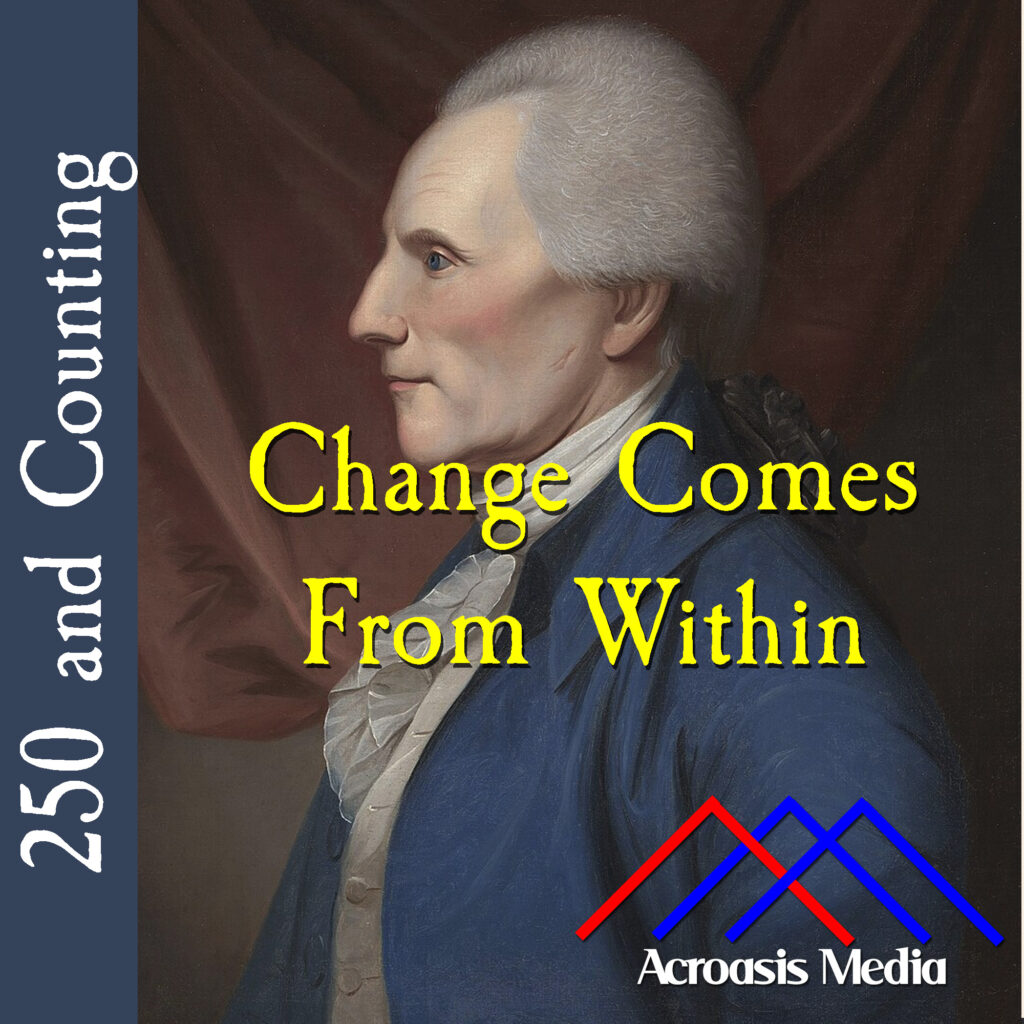
    Cover art for May 10, 1776: Portrait of Richard Henry Lee (cropped) by Charles Willson Peale, ca. 1795-1805. via National Portrait Gallery.

    You may remember a couple of the Colonies chose to endorse independence without necessarily declaring it. This suggested that a formal declaration from the Colonies as a whole was likely imminent.

    You may also remember that motions by the Second Continental Congress needed to be voted on unanimously in order to pass, so they could “speak as one voice.”

    To that end, the Congress recommended today that Colonies with a government that wasn’t in favor of independence, form a new government that would be more likely to endorse independence. It’s not entirely clear how they expected the individual Colonies to effect this recommendation, but before long it wouldn’t be difficult at all.

  • Gadsden, Come Home–February 8, 1776

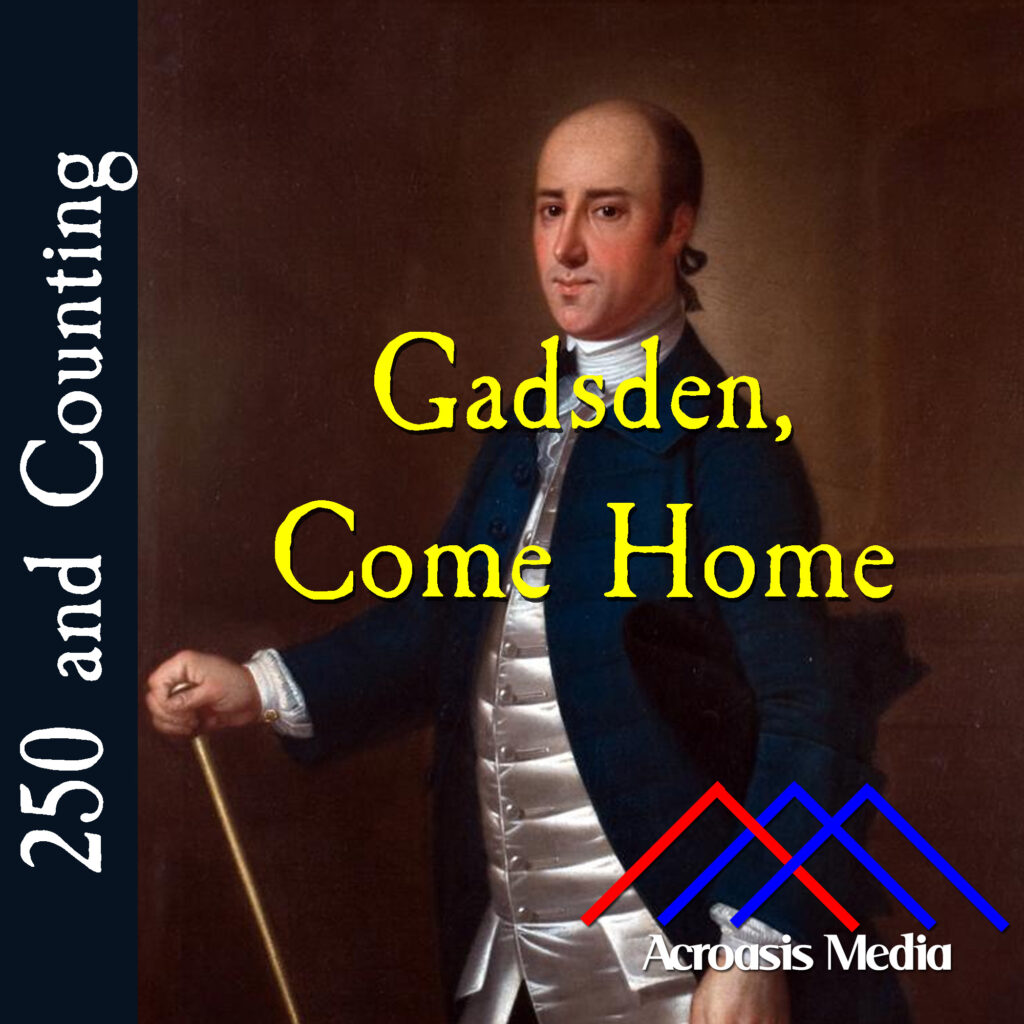
    Cover art for February 8, 1776: portrait of Christopher Gadsden, ca. 1760-1770 by Jeremiah Theus. via Wikimedia.

    Christopher Gadsden is famous almost entirely for the “Don’t Tread On Me” flag. But even for that, most people don’t know that the flag was named after a person. And those who do, don’t necessarily know Gadsden’s first name.

    And yet, he was instrumental in getting America to break away from England.

    Christopher Gadsden was the one who got South Carolina more excited about Independence. He was a Brigadier General in that colony during the war. He helped draft a state constitution and was then elected Lieutenant Governor. When Charleston was overrun by the British, Gadsden stuck around so he could surrender the city like a gentleman.

    For his gentlemanly act, he was allowed to return home on parole. But when the next British leader came in and broke the parole by arresting him, he refused new parole because they’d already lied to him about the first one, so why believe them now? That cost him the better part of a year in solitary confinement.

    In short, he was a badass. Go listen to part of the reason why.

  • March 8, 1775

    Cover art for March 8, 1775: the front page of the March 8, 1775 Pennsylvania Journal.

    It was on this day that an essay appeared in the Pennsylvania Journal advocating for the abolition of slavery. The content wasn’t a huge surprise for Pennsylvania, but the interesting thing is: the essay is known for being written under a pen name, and for a long time, people were pretty sure they knew who that person was.

    They’re still not 100% positive.