Tag: Abolitionism

  • Charles Pinckney Sumner–January 20, 1776

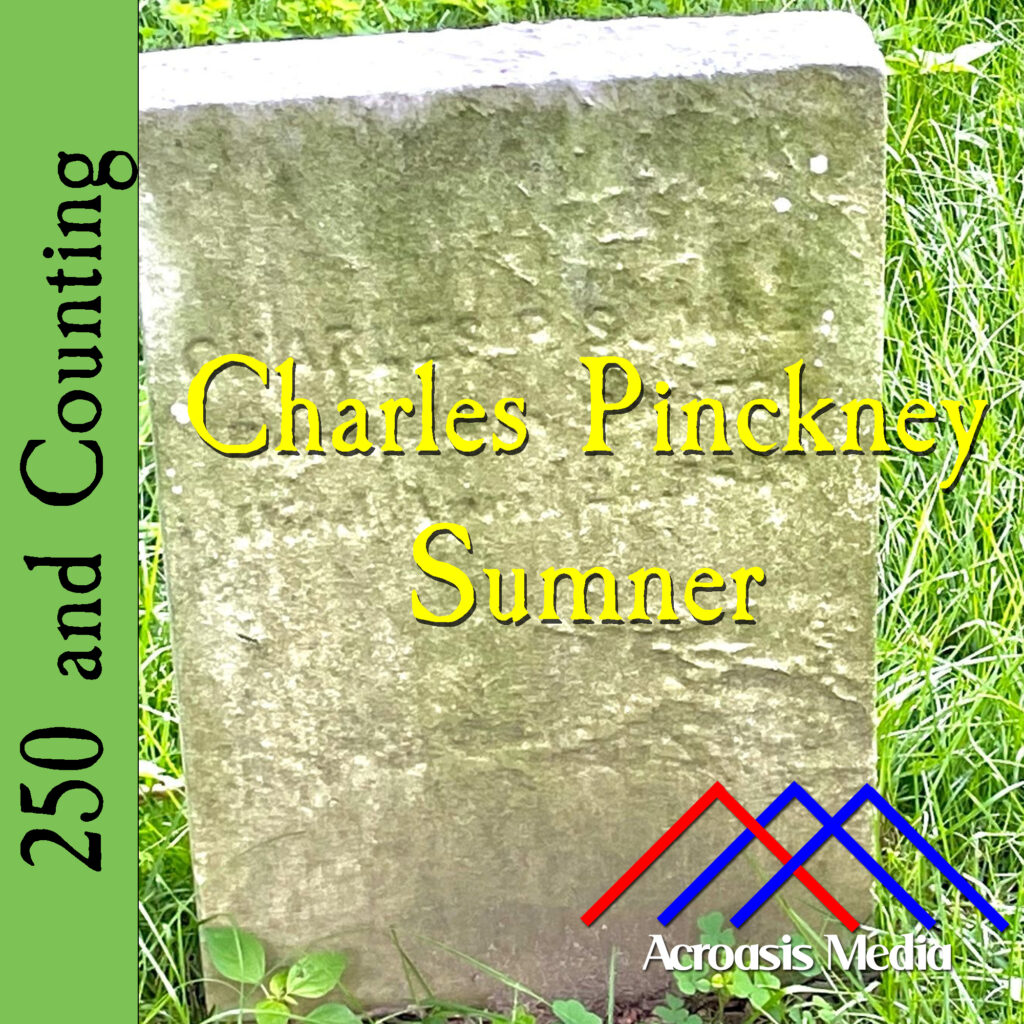
    Cover art for January 20, 1776: Sumner's grave in Cambridge, Massachusetts. via Find-a-Grave.com.

    Charles Pinckney Sumner was a man ahead of his time, in the sense that he knew not only that slavery was wrong, but that slaves need not only to be freed, but to be treated as equal citizens.

    He also carried a rather Utopian view of what society should be like, that Nature was at least as important as Nurture, if not more so.

    Although he and his wife Relief Jacob had at least nine children, they were considered to be not especially demonstrative with one another, even described by some as “formal.”

  • The Birth of the Black Loyalists–November 14, 1775

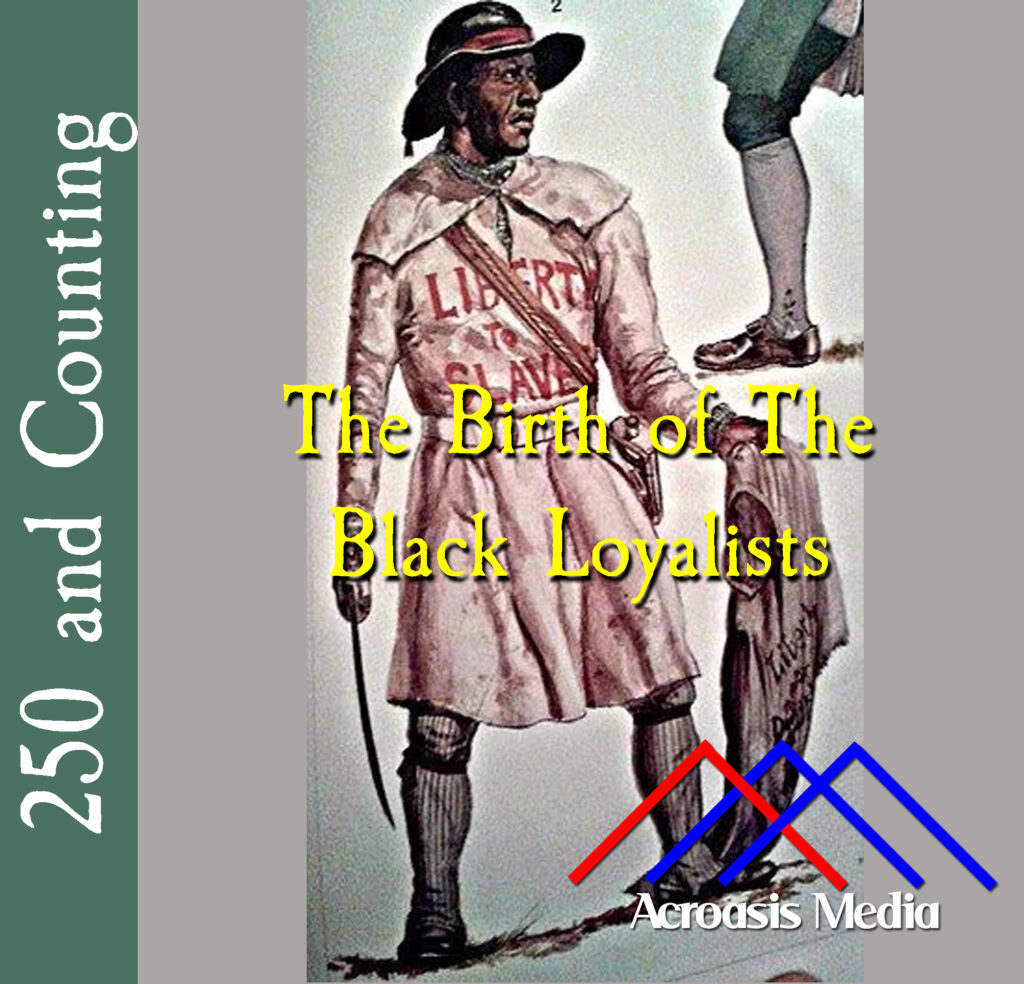
    Cover art for November 14, 1775: art depicting a member of Dunmore's Ethiopian Regiment. Original artist is unknown but this image is frequently used to represent those soldiers.

    Lord Dunmore issued his Proclamation just a week earlier, but the response was much stronger than anticipated, probably because—who knew!—people hate being slaves.

    While the Proclamation only applied to the Virginia colony, because Dunmore had no authority conferred upon him anywhere else, a huge number of slaves and otherwise indentured servants from throughout the thirteen colonies fled to the British side of the lines.

    (We have to say “throughout” because slavery was a thing in the north at this point; it just wasn’t nearly as common as in the south.)

    This led to thousands of “American” blacks living ex-patriate lives throughout the British Empire after the Revolution.

  • April 14, 1775: America’s First Abolitionists

    Cover art for April 14, 1775: the official medallion of the British Anti-Slavery Society. Artist unknown, but this was produced as a Jasper-ware cameo by artisans at Wedgewood Pottery.

    (Note: it’s in the alt text for the image, but in the interest of broader accuracy and general transparency, we know that this artwork isn’t the symbol for an American abolitionist society but rather a British one. But this is one of those cases where the story works better than the truth, and we found it to be a powerful image that underlines the intent of the tale. In short, let it go this once, OK?
    –CC)

    It might come as a surprise to you that societies dedicated to the elimination of slavery in America came about as early as this, especially inasmuch as we had other things on our mind, such as the largest army in the world putting us in their sights. It might also come as a surprise that the one that came first in America, exists still, but with a different focus. Tune in and learn their story.

  • March 8, 1775

    Cover art for March 8, 1775: the front page of the March 8, 1775 Pennsylvania Journal.

    It was on this day that an essay appeared in the Pennsylvania Journal advocating for the abolition of slavery. The content wasn’t a huge surprise for Pennsylvania, but the interesting thing is: the essay is known for being written under a pen name, and for a long time, people were pretty sure they knew who that person was.

    They’re still not 100% positive.