Tag: Army Discipline

  • Maintaining Motivation–August 11, 1776

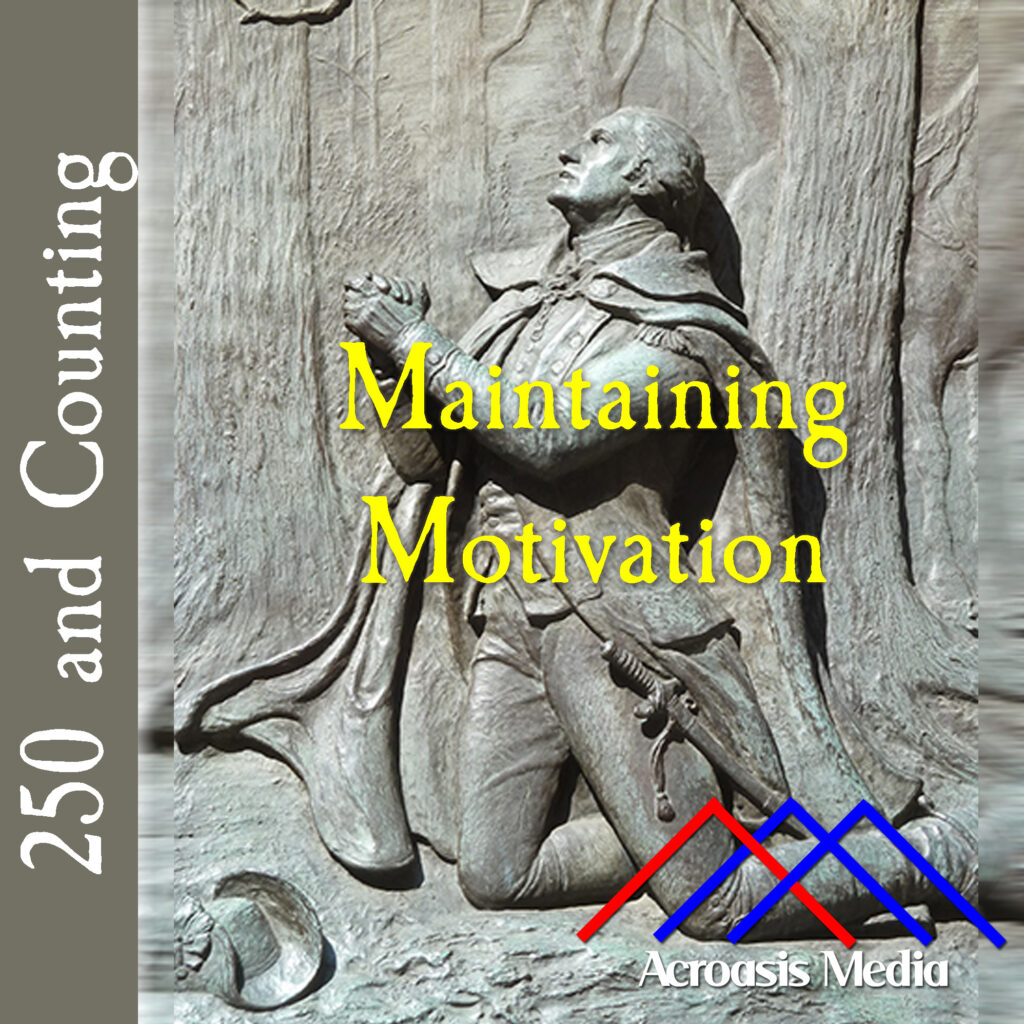
    Cover art for August 11, 1776: "George Washington In Prayer at Valley Forge," bronze relief by James Edward Kelly, 1904. This can be seen at the front of Federal Hall in New York City.

    George Washington’s means for maintaining motivation in the Continental Army came from two directions: discipline and stirring rhetoric as a means of providing the troops with something to rally for.

    And his Orders of the Day for this day seem to be focused simultaneously on both.

    As noted elsewhere, Washington could be a stickler for protocol, and it shows in his Orders of the Day, which were usually written in the third person. But there was also some room—not a lot, but some—for a little floridness in his writing. For example, here’s an excerpt from today’s orders:

    The Honorable Continental Congress having been pleased to allow a Chaplain to each Regiment, with the pay of Thirty-three Dollars and one third per month—The Colonels or commanding officers of each regiment are directed to procure Chaplains accordingly; persons of good Characters and exemplary lives—To see that all inferior officers and soldiers pay them a suitable respect and attend carefully upon religious exercises: The blessing and protection of Heaven are at all times necessary but especially so in times of public distress and danger—The General hopes and trusts, that every officer, and man, will endeavour so to live, and act, as becomes a Christian Soldier defending the dearest Rights and Liberties of his country.

    In other words, God is here, we’re paying for him to be here, and God is someone you really don’t want to annoy, so get it together, please.

  • Laying Down The Law–August 4, 1776

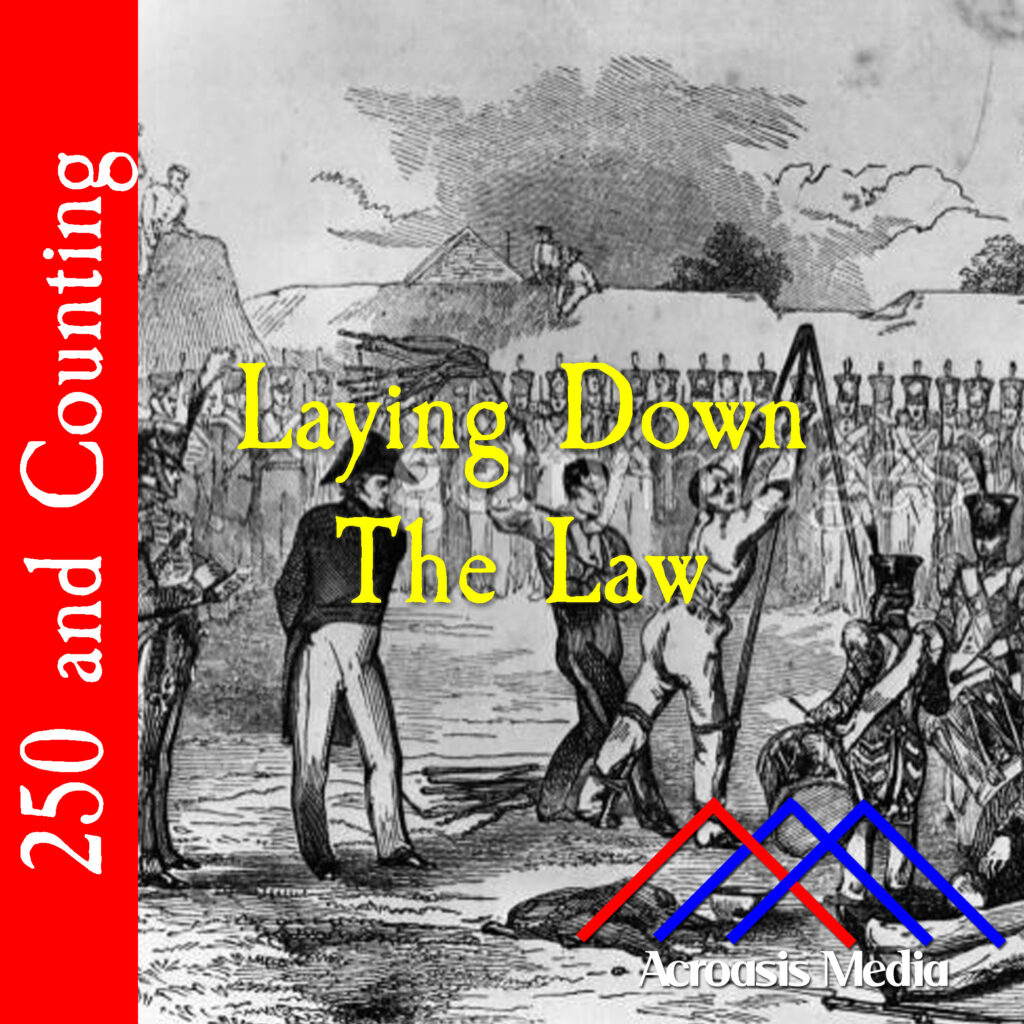
    Cover art for August 4, 1776: "Military Flogging," artist unknown, ca. 1844. via Hulton Archive.

    When it came to army discipline, George Washington had some definite opinions. The punishments we hear about were rather harsh by modern standards, but Washington had some problems with his recruits that modern armies don’t tend to have.

    Specifically, (and we’ve mentioned this before), the Continental Army had a relatively short enlistment period, which meant that soldiers were constantly turning over and by the time someone was finally in good shape as a soldier, they were gone and replaced with the next guy who had little idea of what he was doing. So Washington was constantly beset by soldiers who didn’t know how to be soldiers. This often meant that he had to lay down some harsh punishments to help ensure that his message got across.

    The punishments themselves weren’t especially unique; discipline of this nature was meted out in many places. In fact, today’s cover art is actually taken from a British flogging nearly a hundred years later. But Washington and other military leaders of the Revolution cut their teeth on British army discipline, and it didn’t look a lot different: the prisoner was strapped to a frame of some kind; the other soldiers were required to witness; and the drummer boys (at right in this image) did their best to drown out the cries of the man being punished. We had to crop this image to fit the space, but you can also see a pair of legs sticking out from the bottom right: that’s a soldier who has fainted from the stress of watching. And the man at left is a doctor, who is actually monitoring the prisoner’s health to ensure that the punishment isn’t fatal. So he’s got that going for him, which is nice.