Tag: Board of War and Ordnance

  • A Busy Day In Congress–June 25, 1776

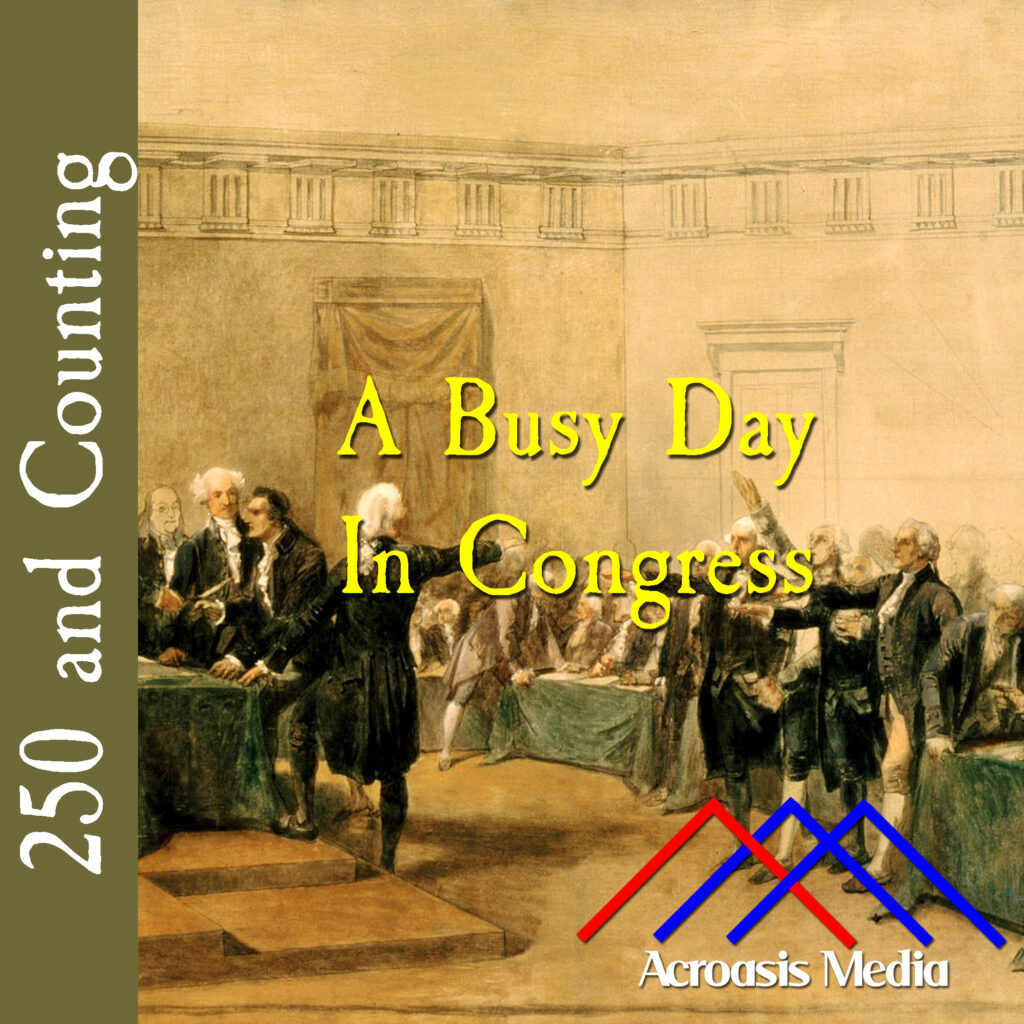
    Cover art for June 25, 1776: "Signing of the Declaration of Independence", an 1873 portrait by Charles Édouard Armand-Dumaresq, reportedly on display in the White House.

    The big story today is about the Pennsylvania Delegation finally getting new orders, but I admit that I buried the lede on this one, largely because the Board of War and Ordnance had a lot going on, and the Pennsylvania story was a relatively simple one to tell.

    But as you can tell in today’s episode, the note we gave you the other day about the sheer volume of material they had to deal with is evident in the minutes of the Continental Congress for today; what’s more, a bunch of it was items that needed to be addressed immediately, so the business of the Congress was halted for several hours until the Board could report back.

    But the fact that the Pennsylvanian government had finally gotten past whatever they needed to get past, made it possible for the Pennsylvania Delegation to be able to vote in the affirmative on the question of Independence, which left exactly one colony about to vote “Yes” and another one unable to do so. And that’s something we’ll talk about in just a few days.

  • Board of War and Ordnance–June 21, 1776

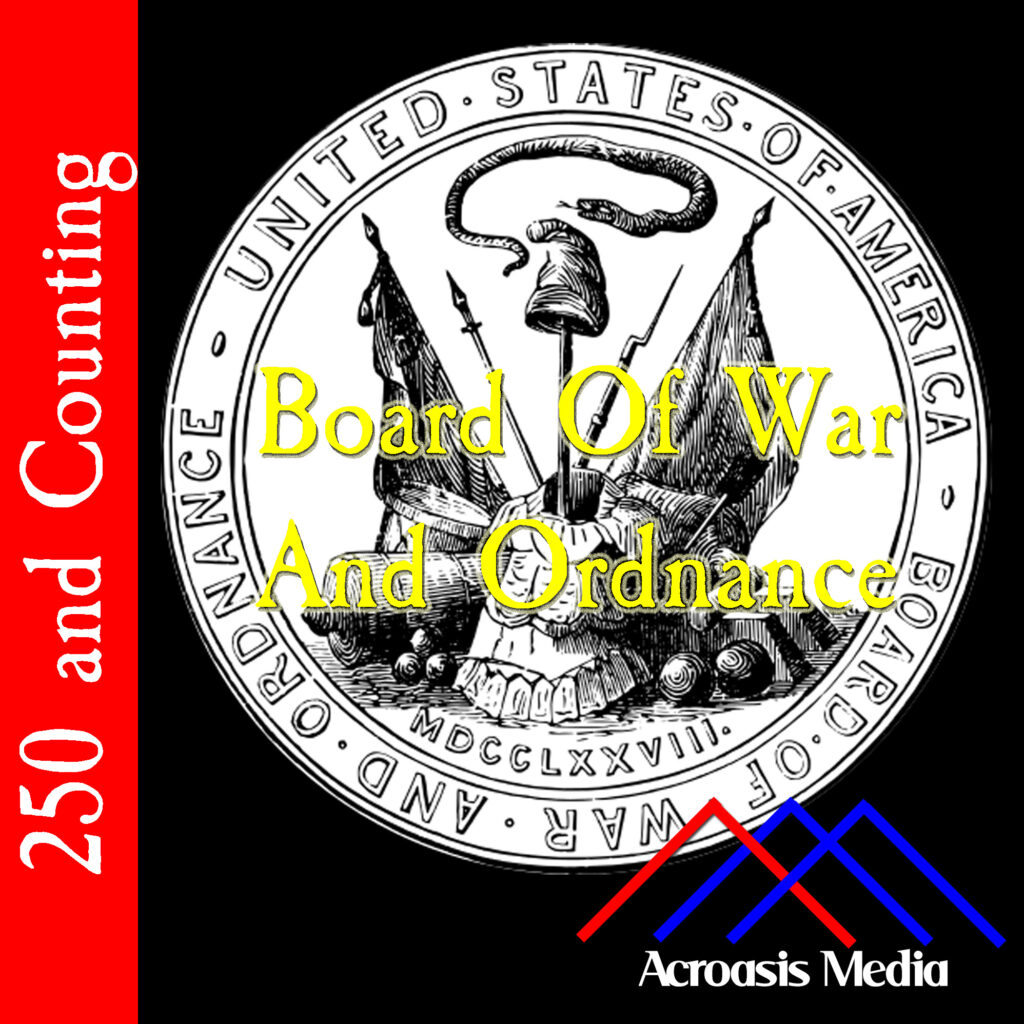
    Cover art for June 21, 1776: Seal of the United States Board of War and Ordnance, created in 1778. It was used by the U.S. War Department until 1880.

    We’ve spent a bunch of episodes describing a day in the life of the Second Continental Congress, and many of them were almost exclusively dealing with military matters.

    In January 1776 George Washington recommended that the Congress designate a specific office for these dealings, and Edward Rutledge picked up the idea and suggested it to the Congress. It took a little time, but the Congress ultimately agreed and set up a Board of War and Ordnance, which began operating on this day in 1776.

    The original Board of War and Ordnance was five delegates to the Congress, plus a secretary who wasn’t a delegate. After only a few months they recognized that they couldn’t do their jobs as delegates and keep up with the War workload, so they had themselves replaced with a permanent Board.

    The Board operated until the war ended, after which it was dissolved, but the logo (see cover art) persisted in the War Department until 1880. Incidentally, note the Phrygian Cap in the artwork. We haven’t talked about that in a while, but in those days the Cap was a universally-recognized symbol of freedom dating back to ancient Rome, when it was given to former slaves. In the Revolutionary Era, it specifically symbolized freedom from British tyranny.