Tag: correspondence

  • August 19, 1775: Washington Hates the Rumor Mill

    Cover art for August 19, 1775: Interior of the British prison ship Jersey. Artist: Edward Bookhout, engraved by Felix Darley, created 1855 but meant to represent conditions during the Revolution.

    In 1681, John Dryden said in his poem “Absalom and Achitophel”:

    Beware the fury of the patient man.

    I hear ya, Dryden, because that’s how I operate.

    And apparently George Washington operated the same way, because he initially took the high road, assuming that rumors about how American prisoners were being treated were just that, and giving General Gage the benefit of the doubt.

    But when the rumors began that Washington was mistreating his prisoners…oh, that didn’t sit well with the General at all.

  • August 12, 1775: George Washington Writes a “Dear John” Letter

    Cover art for August 12, 1775: a miniature portrait of John Brown by Edward Greene Malbone, created in 1794.

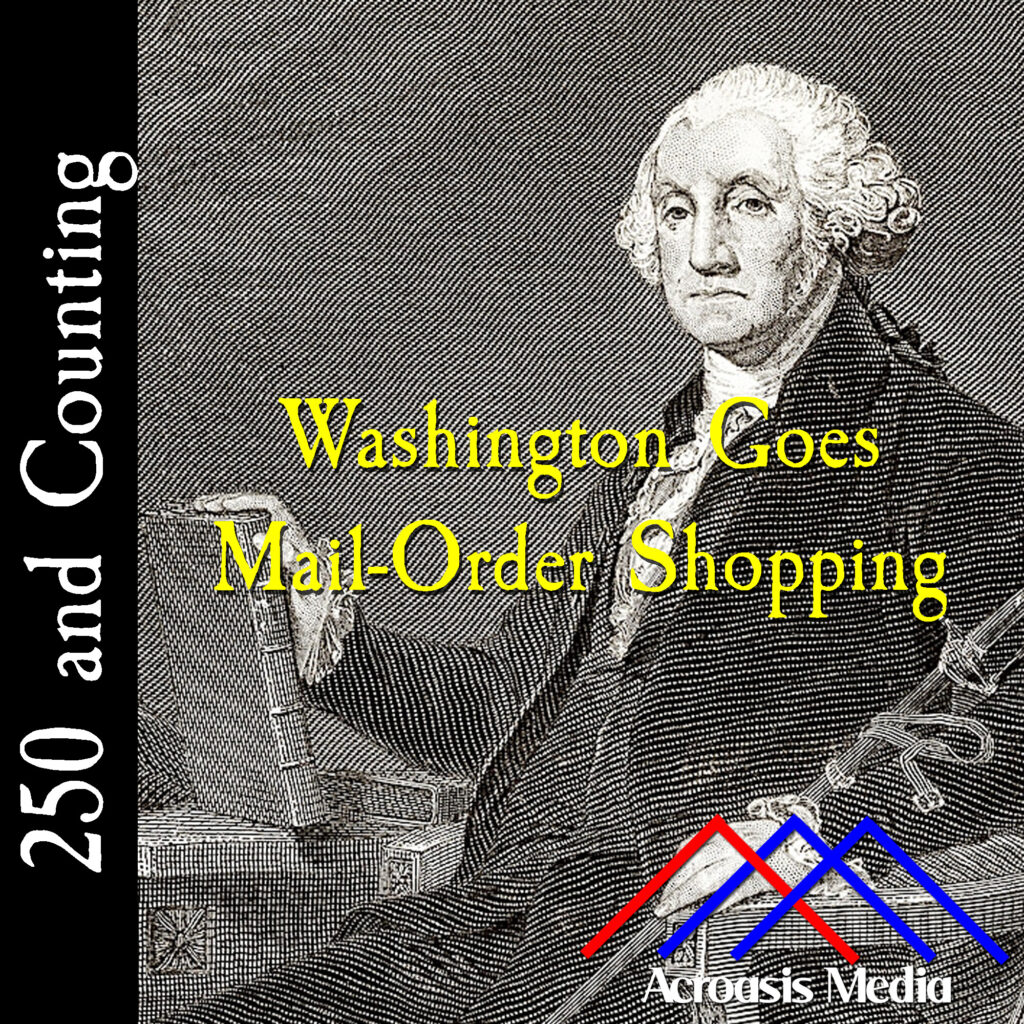
    One thing that you can’t say about George Washington is that he was a slacker. He was constantly communicating with people, whether it was the orders of the day, making plans to organize his army, or writing letters. And Washington was absolutely prolific at writing letters.

    In this case, he’s writing to a Rhode Island merchant, thanking him for the advance notice of an incoming shipment, and reassuring him that the shipment will reach its destination safely, at least to the extent that he had any control over the matter.

  • August 11, 1775: Washington Gets Serious About POWs

    Cover art for August 11, 1775: A sample of George Washington's handwriting in a letter. It's NOT the letter described in today's episode (hence the blurring).

    While today is perhaps the earliest documented instance of George Washington expressing concern for his captured troops, it certainly wouldn’t be the last. For years he worried about this, largely because the British didn’t always consider the Continental Army to be a genuine army, nor did they consider themselves to be “at war” with America; instead this was some kind of petty grievance that needed to be put down.

    As a result, Washington was in frequent communication with his counterparts on the British side, and several people on the Colonial side, expressing his worry that his men were being treated poorly…or worse.

  • May 19, 1775: From Sam Adams to Samuel Purviance

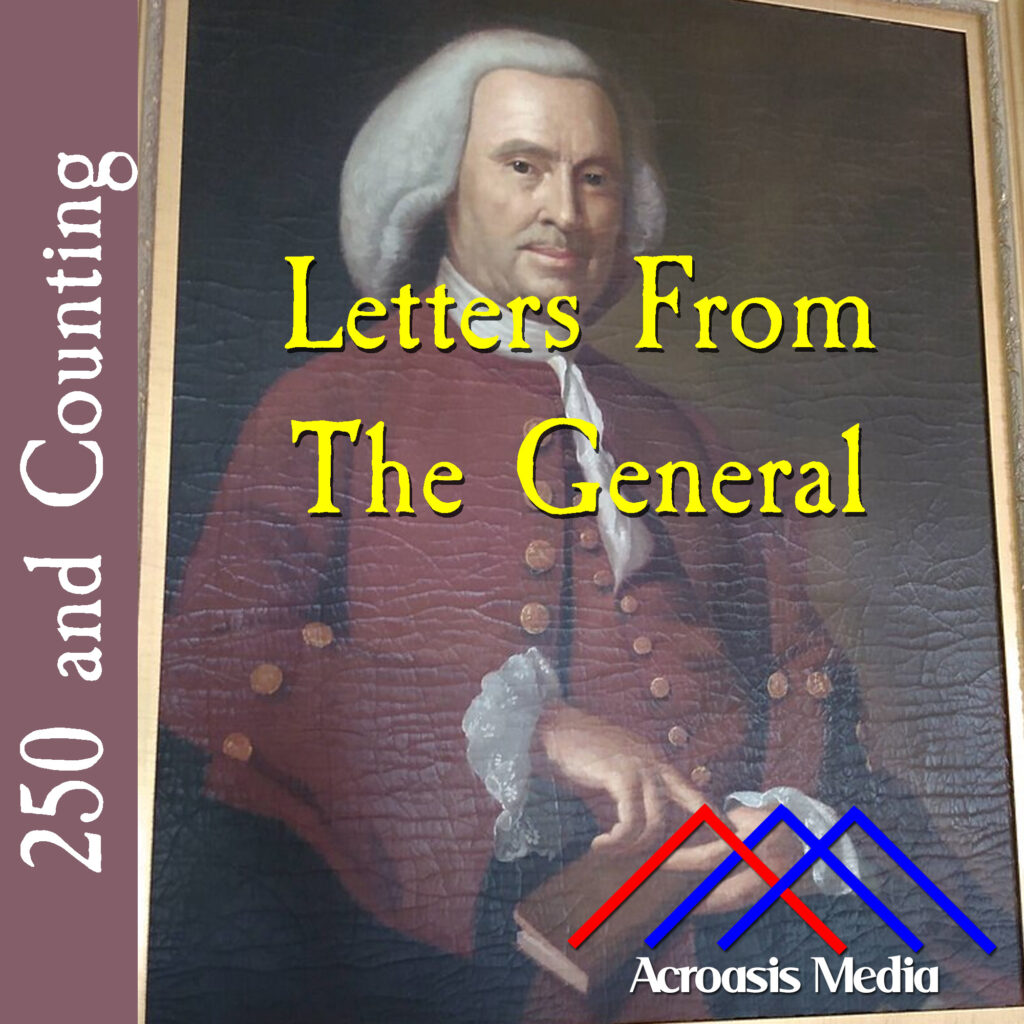
    Cover art for May 25, 1775: Portrait of Samuel Adams by John Singleton Copney. Adams is probably wondering why everyone is offering him a beer these days.

    Baltimore has a lot of historic pride in its street names. Nearly all of them can be traced back to an historic figure or event: Key Highway, named after Francis Scott Key. (Also the Key Bridge, but we’re all still sad about that.) Fort Avenue, leading to Fort McHenry. And while I’m at it, McHenry Street, about two miles from the fort. The town also has John Street, Eager Street and Howard Streets, all of them named after John Eager Howard. one of the earliest governors of the state.

    During the revolution, a prominent family in the city of Baltimore was the Purviance Family, led by brothers Robert and Samuel Purviance. They were both well-known for their activities to support the Colonists’ side during the Revolution. Where are they memorialized?…Listen in and find out.

    P.S. I do have theories about this but I’m hoping to explore those in a later episode.