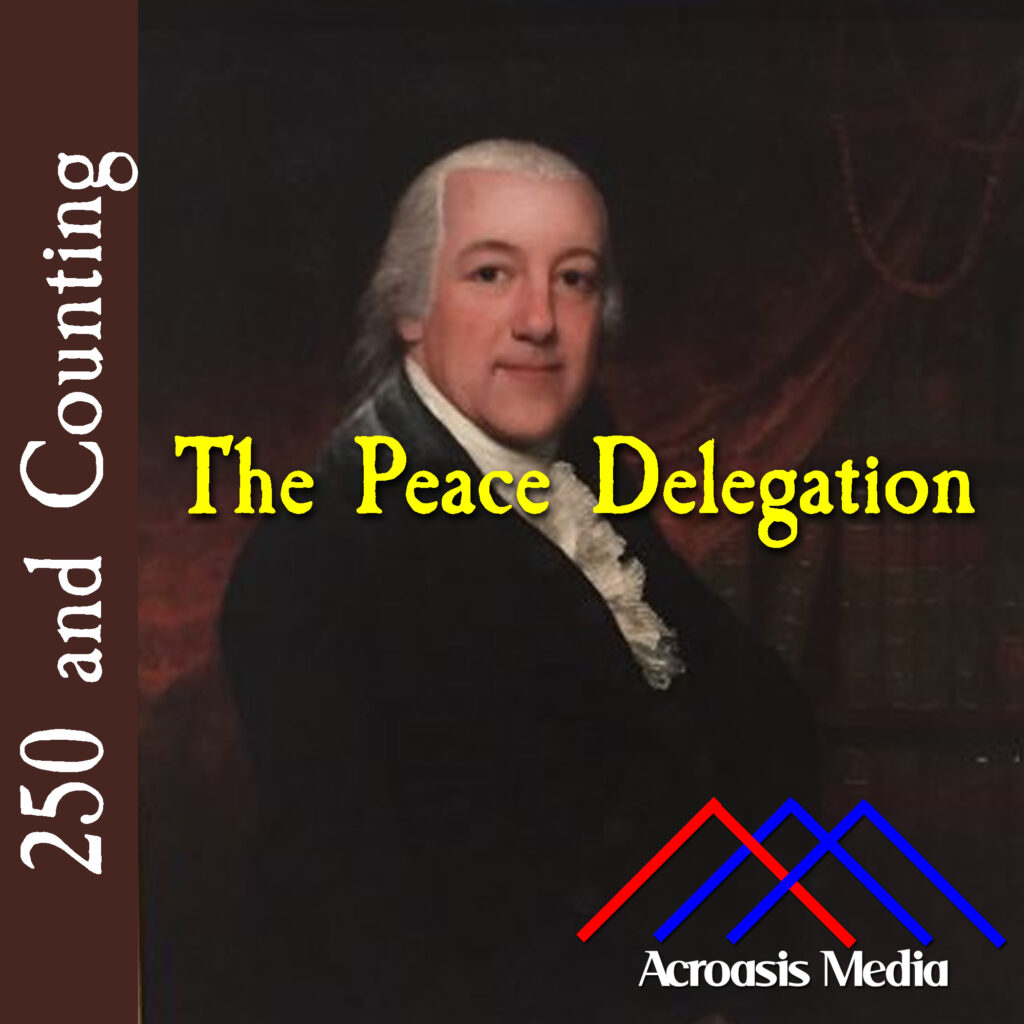
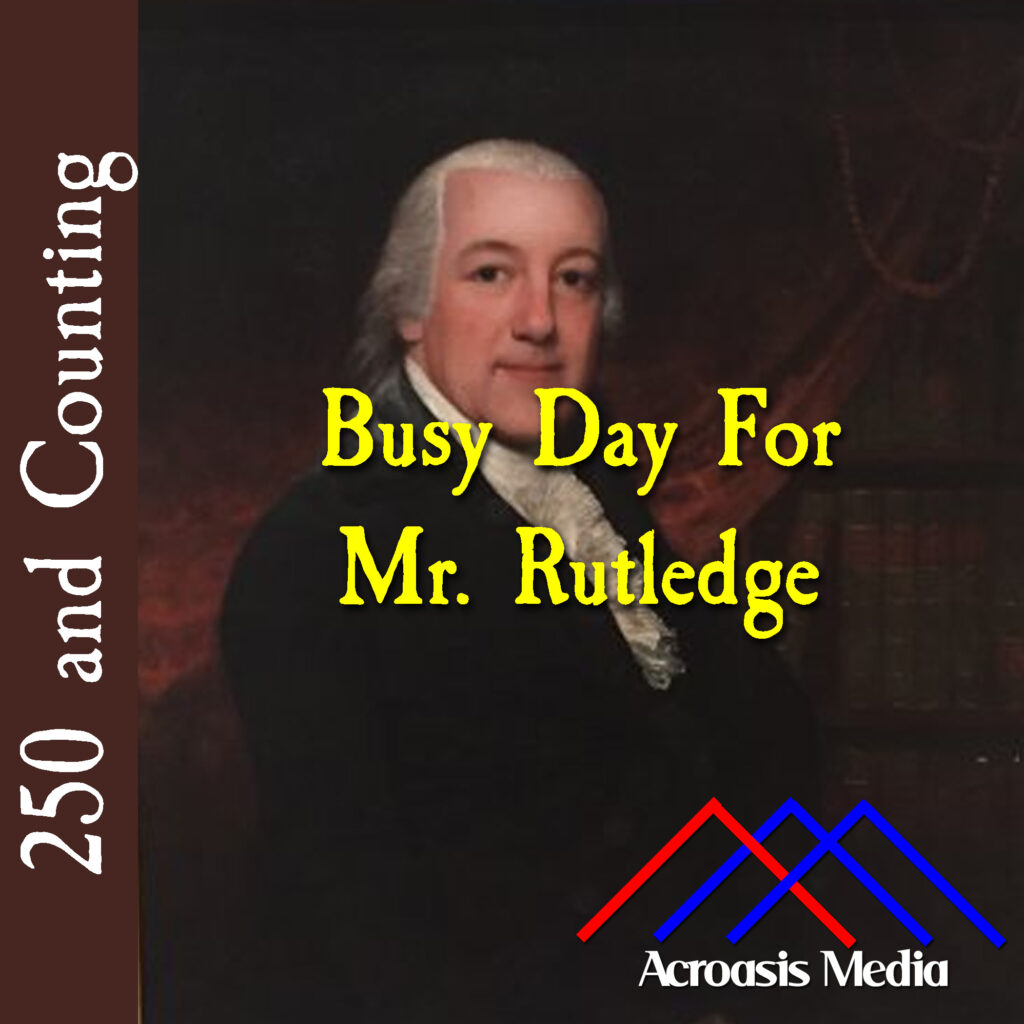
In putting this episode together, I realized that I used this same image of Edward Rutledge back in the September 9 episode. However, I neglected to put the information for the image in the alt text. And that’s something I do try not to overlook. On the other hand, I was still hopped up on cold medication, so there’s that.
And before I forget, I mentioned the censure of Esek Hopkins during the episode, so I wanted to ensure that I linked back to that as well.
In addition to being the youngest signer of the Declaration of Independence, at the tender age of 26, Edward Rutledge was also a governor of South Carolina. By my count he was their ninth governor, from 1798 to 1800, but that’s if you count his brother John Rutledge twice, since John served twice, non-consecutively. Also, he was the ninth governor of the state of South Carolina; if you count the colonial governors, he’d be thirty-ninth.
After leaving the Continental Congress, Rutledge did fight in the Continental Army. He was captured during the Siege of Charleston in 1780 and released in a prisoner exchange the following year.
I should note that while Rutledge was governor he suffered from an attack of gout and went home to Charleston to recuperate. Not long afterwards, he heard the news of George Washington’s death and was so upset by this that he had an attack of apoplexy and died. (Modern-day medical types would probably say that he had a cerebral stroke.) Rutledge had been the Governor for 401 days.
Podcast: Play in new window | Download | Embed