Tag: Joseph Warren

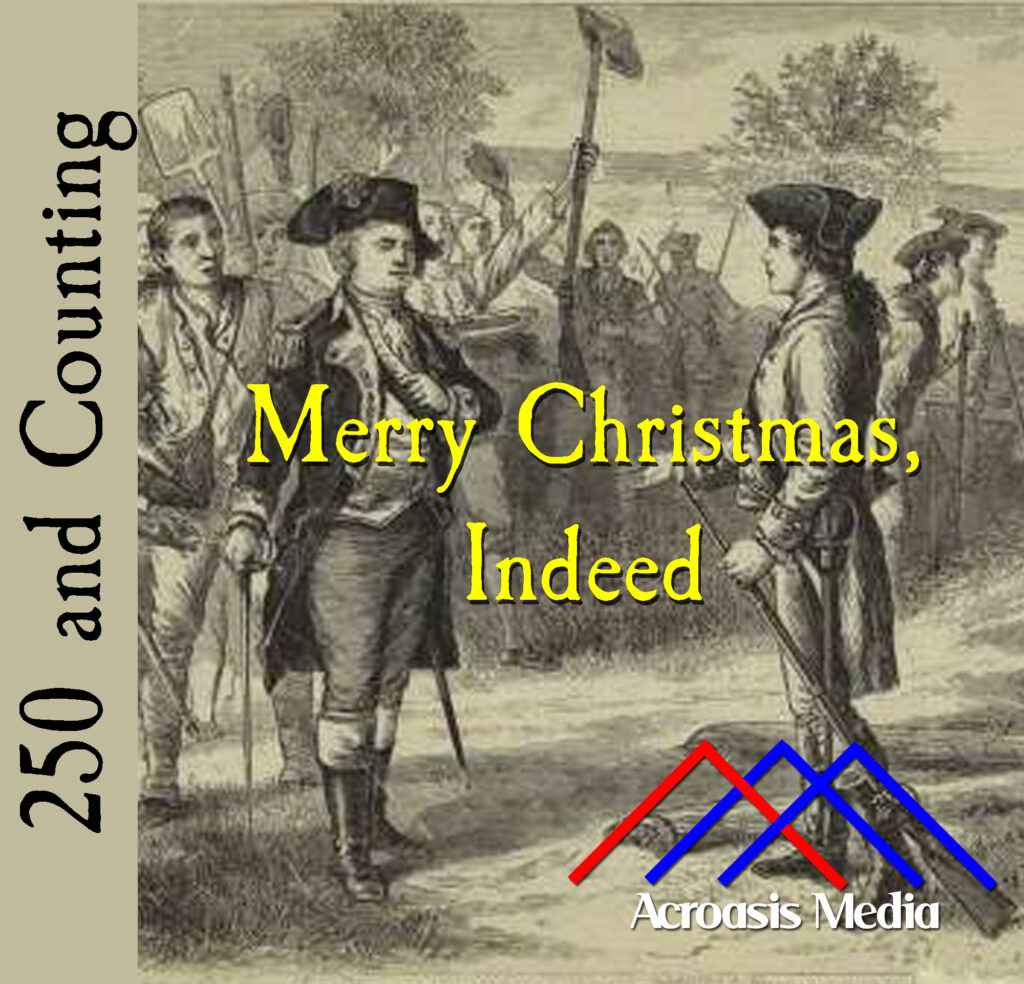
  • Merry Christmas, Indeed–December 24, 1775

    Joseph Warren conferring with Israel Putnam prior to the battle at Bunker Hill
    Joseph Warren conferring with Israel Putnam before the battle at Bunker Hill, at which
    Warren was killed.

    Mike’s pretty much covered the story of the capture of a British ship in the episode, so I’m going to tell you a little bit about Joseph Warren, who (you may recall) was killed at the battle of Bunker Hill.

    Warren became a doctor early in his career, and he also became a Patriot before it was fashionable. He was a powerful speaker, and for several years in a row he would deliver a speech commemorating the anniversary of the Boston Massacre.

    In the fall of 1774, he composed the Suffolk Reserves, which urged armed resistance to the British and a boycott of British goods.

    So by the time 1775 rolled around, he was one of the most influential men in Massachusetts; in fact he was the president of the Provincial Congress, which by then was the body actually running things there.

    In addition, he was on the Safety Committee, ensuring that gunpowder and ammunition was available to militiamen who needed it.

    We’ve been talking about the Siege of Boston since April. That was his doing; he’d organized the siege in the first place. George Washington took over a while later. He then organized the building of the earthworks at Bunker Hill before that battle started. And when the British began to overrun the Patriots, he was instrumental in giving them an opportunity to escape. But that’s where his luck ran out: a British soldier recognized him and shot him in the head, killing him instantly.

    The Brits then stripped his body and stabbed it several times, then buried him in a shallow grave with another Patriot who’d been killed. Later on, Paul Revere had to identify the body.

    The point to all of this is that, had he survived the battle, Joseph Warren would almost certainly have been a much larger figure in the American mythos; maybe he’d even have been our first President instead of Washington.

    Ponder that!

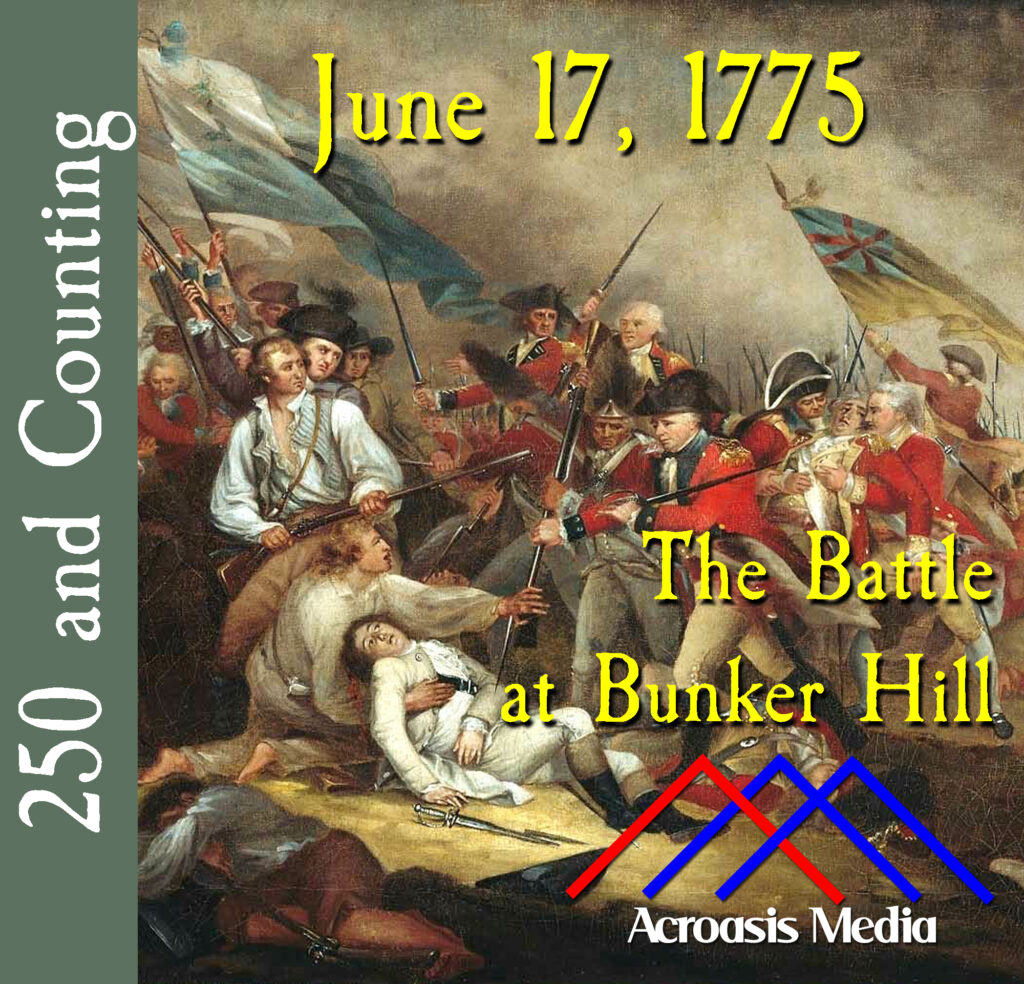
  • June 17, 1775: The Battle at Bunker Hill

    Cover art for June 17, 1775: The Death of General Warren at the Battle of Bunker's Hill (detail) by John Trumbull, 1786.

    In the long run, the Battle at Bunker Hill Breed’s Hill was a tactical win for the British, but they incurred heavy losses and it took three tries to get that win.

    So why is it one of the battles that so many Americans seem to remember all these years later?

    We’re speculating here, but it’s possible that, between this battle and the ones at Lexington and Concord, the Colonial forces realized that this was a war that they could actually win: it wasn’t crazy at all to fight the British army. It almost didn’t matter that we didn’t win this one; the colonial militiamen could stand up against the British and force them to work much harder for their victories.

    There’s a scene in The Godfather, Part II in which Michael describes an incident he’d seen earlier in the day. He says he saw some Cuban rebels being rounded up by the soldiers, and one of them, rather than being taken prisoner, detontated a grenade on his person, taking a Captain of the Guard with him. From that he concluded that because the rebels weren’t getting paid to fight, they can actually win.

    That’s pretty much what happened here.

  • June 2, 1775: Joseph Warren Has A Good Idea

    Cover Art for June 2, 1775: Joseph Warren portrait by John Singleton Copley, 1765

    Joseph Warren is definitely one of the unsung heroes of the American Revolution. We last heard from him on March 5, when he did his You Are There routine describing the events of the Boston Massacre at a memorial event (in fact, we used the same cover art).

    Today he’s more of the guy with the common sense solution: “Hey, instead of having a whole bunch of little militias fighting this thing…what if we put ’em all together into one big army?”

    And the Continental Congress, moving with its usual speed…took no action for about two weeks. It’s possible that there were still delegates not feeling the urgency just yet, though.

  • March 5, 1775

    Cover art for March 5, 1775: Portrait of Joseph Warren by John Singleton Copley, 1765

    Joseph Warren’s life as a Patriot was rather brief (in fact his life overall was relatively short), but it was quite important to the cause. Warren was part of the committee that investigated the Boston Massacre, he sent Paul Revere on his midnight ride (just go with it for now), he wrote a song called “Free America,” which was based on a British melody called “The British Grenadiers”, he fought at Lexington and Concord, and he died at Bunker Hill.

    And he was one of only two men who was asked to speak more than once on the anniversary of the Boston Massacre. And this second time was the one that really sold the crowd.