Tag: Lord Dunmore’s Proclamation

  • Dunmore Assembles Two Regiments–November 30, 1775

    Cover art for November 30, 1775: "A Light Infantry Man and Huzzar of the Queen's Rangers," ca. 1780. From John Graves Simcoe's Military Journal.

    Back on November 14 we told you about the Royal Ethiopian Regiment, which was assembled following Lord Dunmore’s Proclamation. The proclamation offered freedom to slaves belonging to Patriot owners who chose to fight on the British side in the Revolution.

    Dunmore was putting together another band of soldiers at the same time, called “The Queen’s Own Loyal Virginia Regiment,” which suggests that he knew something about George III that wasn’t common knowledge. (Heh, kidding.)

    They both fought in the Battle of Kemp’s Landing, which went very well for the British, but Dunmore took the win as a sign that the Patriots were weak, so he went in to the Battle of Great Bridge, as we’ll see in just a few days.

  • Escape To The War–November 26, 1775

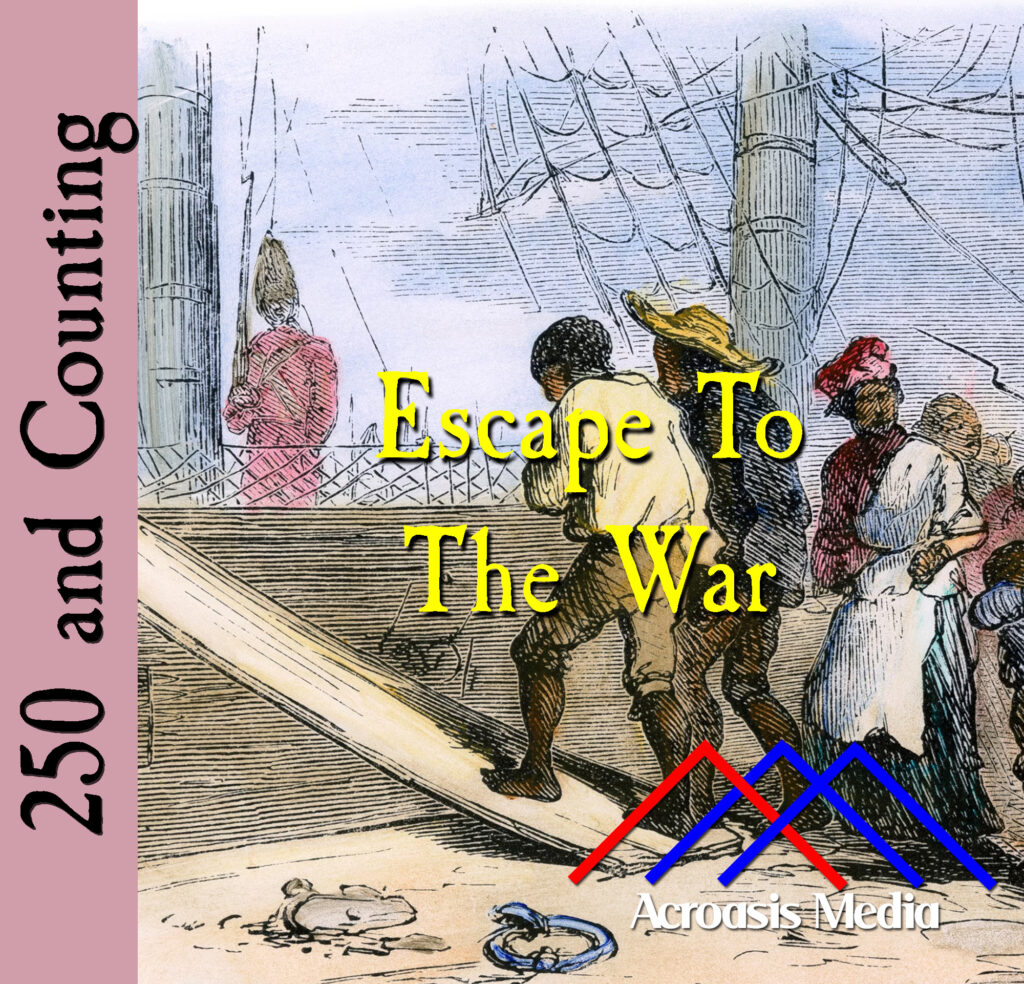
    Cover art for November 26, 1775: colorized image of slaves being corralled by British soldiers (yeah, we cheated on this one.) via NYPL digital archives.

    As we’ve mentioned a couple of times before, Lord Dunmore’s Proclamation offering freedom to Patriot-owned slaves who fought for the British created a stir that was felt in all thirteen colonies.

    Huge numbers of people showed up, not just men, but women and children as well. And of course, because most of them had escaped to join the British forces, that meant that the slave-hunting business experienced a huge boom.

    And, of course, the company formed by these escapees only fought in one battle of any note; many of the soldiers died of illness, some were sent back to their plantations of origin. Very few of them remained free.

  • The Birth of the Black Loyalists–November 14, 1775

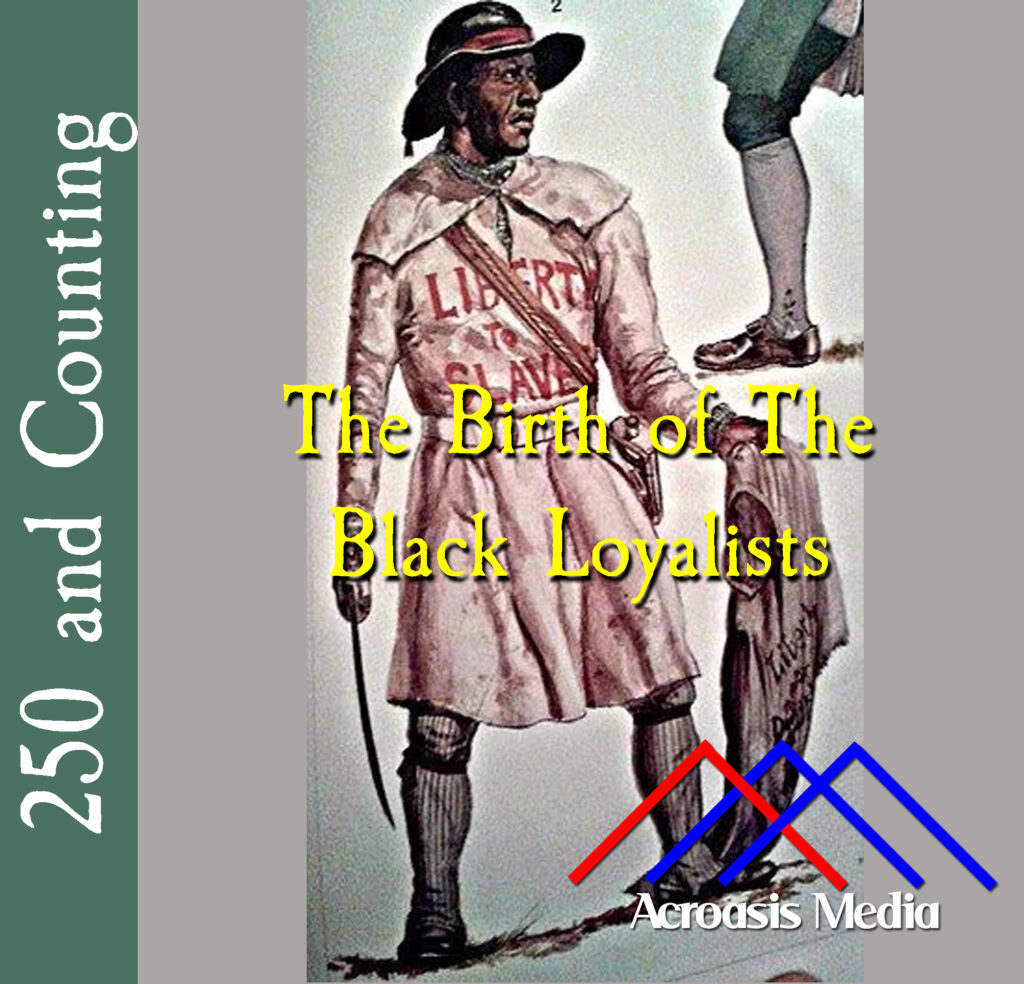
    Cover art for November 14, 1775: art depicting a member of Dunmore's Ethiopian Regiment. Original artist is unknown but this image is frequently used to represent those soldiers.

    Lord Dunmore issued his Proclamation just a week earlier, but the response was much stronger than anticipated, probably because—who knew!—people hate being slaves.

    While the Proclamation only applied to the Virginia colony, because Dunmore had no authority conferred upon him anywhere else, a huge number of slaves and otherwise indentured servants from throughout the thirteen colonies fled to the British side of the lines.

    (We have to say “throughout” because slavery was a thing in the north at this point; it just wasn’t nearly as common as in the south.)

    This led to thousands of “American” blacks living ex-patriate lives throughout the British Empire after the Revolution.

  • Dunmore Has A Tempting Offer–November 7, 1775

    Cover art for November 7, 1775: detail of Lord Dunmore's Proclamation as it appeared in the Philadelphia Journal and Weekly Advertiser, 12/6/1775. Via the Gilder Lehrman Institute of American History.

    Lord Dunmore was driven from the Governor’s Mansion back in June, but he never went far. That same day he took refuge on a British ship near Williamsburg and continued playing the role of Governor, even though the House of Burgesses was already doing quite nicely, thank you.

    Slave revolts were a constant concern in the slave states, and Dunmore was almost certainly inspired by an incident just a couple of days earlier during the Battle of Kemps Landing. An enslaved man, serving alongside the British regulars, came face to face with his former enslaver, Joseph Hutchings, a local militia commander. Hutchings fired at him point blank and missed. In retaliation, the black soldier wounded him with a sword.

    Dunmore and his British compatriots, who were clearly already aware of the power of a general revolt, saw this event as an opportunity.