Engraving titled Washington and Fairfax and a War-Dance by John Rogers, 1857. The event depicted actually took place in 1779.
As noted in the episode, there were several different rules laid down for trading with Native Americans at that time, and some of them were designed to ensure that they remained on our side or, at worst, that they remained neutral in Revolution-based matters.
But the rules wound up working out well for both sides: the various tribes were able to get the materials they wanted, and trade was conducted under better-controlled conditions.
In addition, they led to trade-related treaties with several tribes up and down the coast during the next year or so. And with over 80 tribes east of the Mississippi River at that time, that’s a lot of treaties to negotiate.
Historical Marker on Ohio Highway 93, just south of US 36, commemorating Chief White Eyes’ founding of a Delaware Tribe-based town not far from this place. Image via remarkableohio.org.
I rather dislike using historical markers back-to-back for the cover art, but there are no images of Chief White Eyes, and I’d about run out of images of Great Bridge yesterday, so here we are.
Also—and I admit I only know this because there’s a town not far from where I grew up with this name—I’m pretty sure that Mike mispronounced the word “Sachem,” though I suppose it’s possible that there’s a West Coast variant. But he’s a nice guy so we’re letting it slide. Especially since I made him re-record when he mispronounced “Narragansett” the other day.
Yes, I am in a mood. Why do you ask?
Koquethagechton was the given name of Chief White Eyes. and you may see it spelled differently elsewhere. The Lenape did not have a standardized written language, so everyone was making do with the Roman alphabet and doing their best to transliterate.
As Mike notes during the episode, he later became a guide for an expedition in the Ohio Territory. He died during that trip, reportedly from smallpox, but questions have been raised regarding whether this actually happened. After his death, the Americans had no interest in a territory under Lenape control, and whatever deal he’d worked out completely unraveled.
Programming Note: Mike came down with a case of electronic laryngitis, so you’re getting me again for today’s episode. But Mike wrote it, so there’s that.
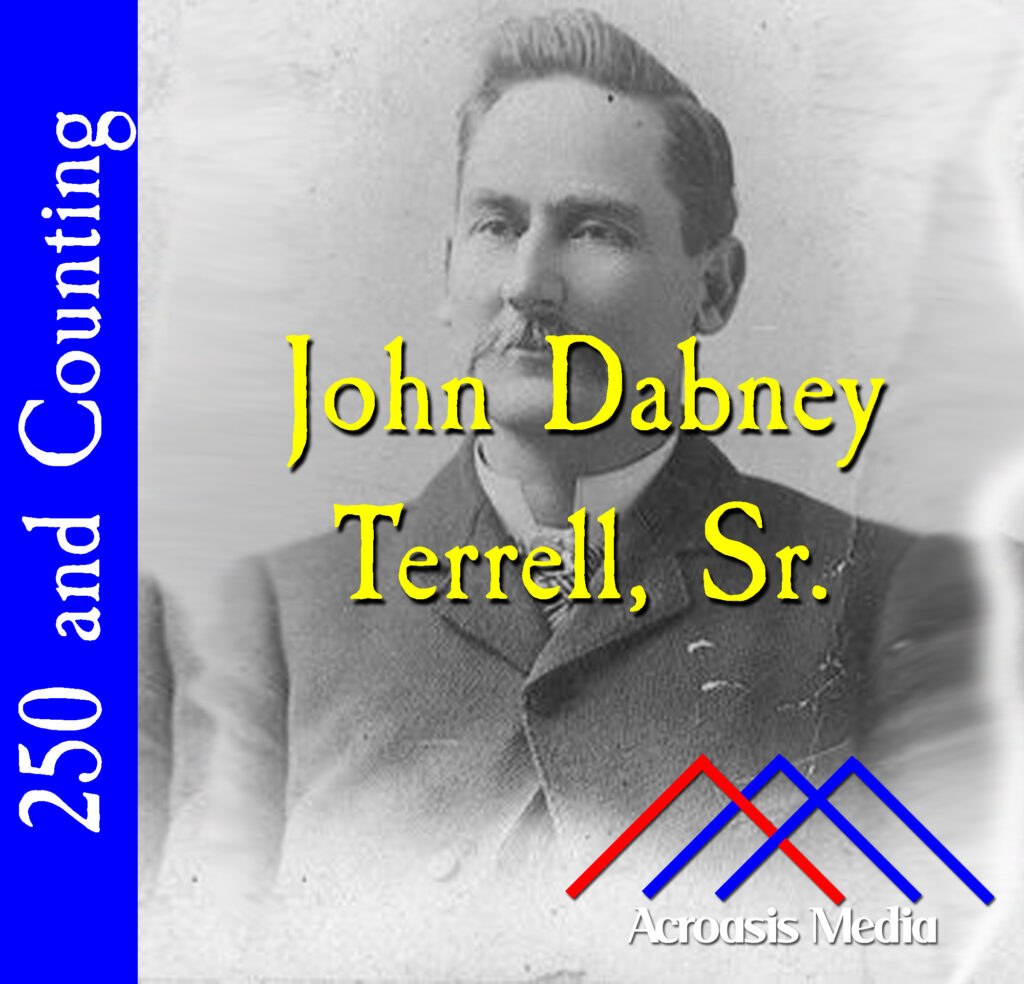
John Dabney Terrell Sr. was…not one of our best and brightest Americans, but the work he did will lead us to a bigger story some time down the road. Much of what he did laid down the foundation for the event that became known for the Trail of Tears.
As if that wasn’t bad enough, he was a slave owner who put some of his slave property (ugh, but that was the legal term) in his son’s name to avoid losing them in a pending lawsuit against him.
That he did all this and chose to be buried in a very Native American fashion is kind of amazing.
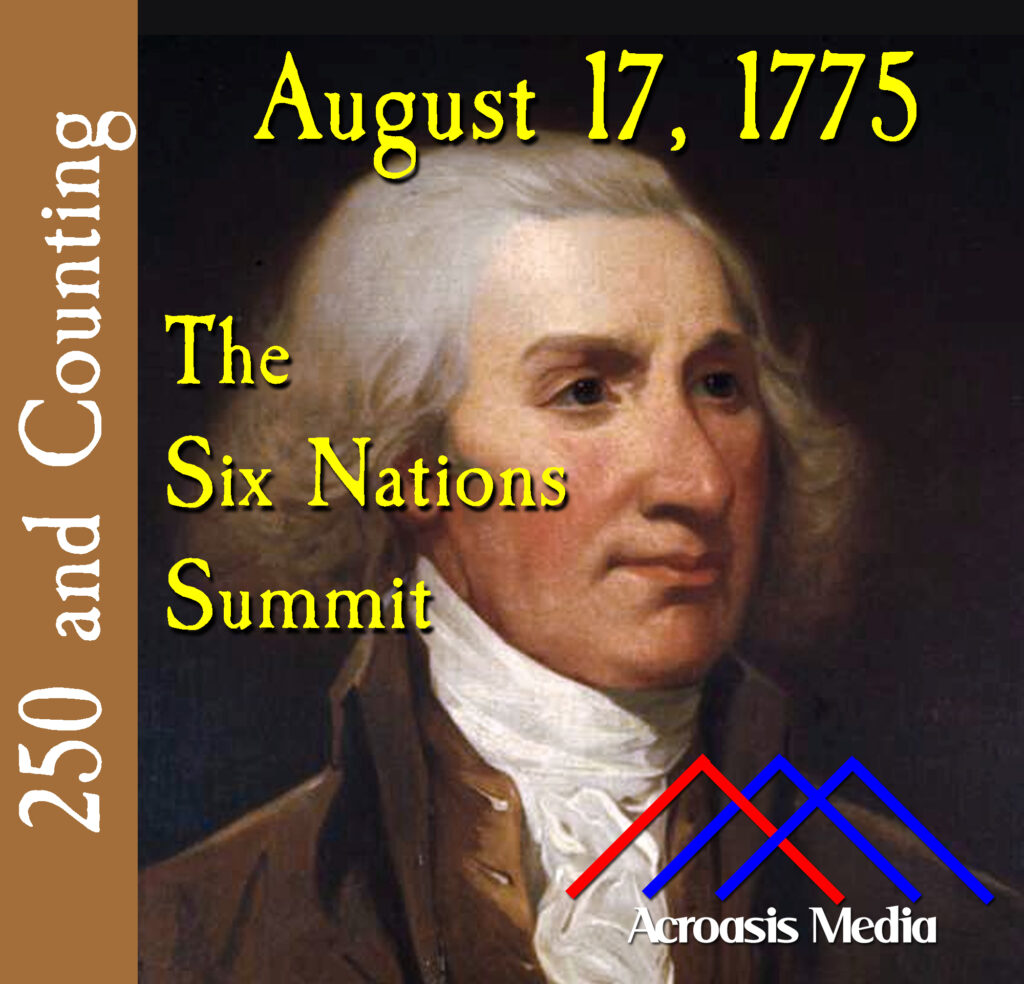
Philip Schuyler served as a delegate from New York to the Continental Congress until June 1775 when he was appointed a major general to the Continental Army. We’ll hear more about him as we start to delve into the Invasion of Quebec later this year.
Schuyler was on his way to Saratoga, NY when he got word that the tribes of the Six Nations—the Mohawks, Oneidas, Tusscaroras, Onondagas, Cayugas, and the Senekas (spelled that way then)—had taken Congress up on its offer of a summit and were on their way to Albany. What’s more, he was needed for the summit.
What happened next came as a surprise to…well, nobody, really. But at least everyone knew where everyone else stood. And if that was the locals’ attitude, it wasn’t their fault; the Speech to the Six Nations laid out their argument for them.