Tag: Native American History

  • The Battle of Fort Lindley–July 15, 1776

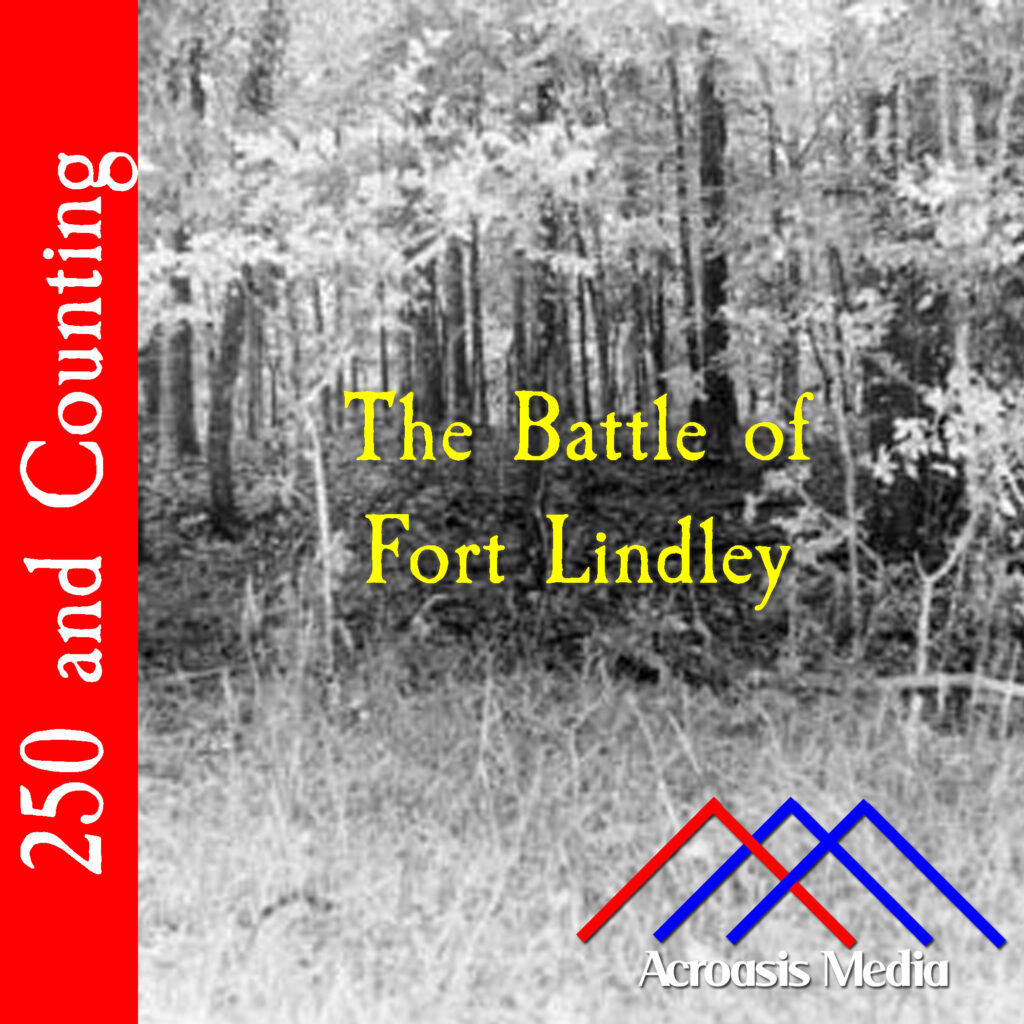
    Cover art for July 15, 1776: part of the vacant field where Fort Lindley once stood. Via SC Department of Archives and History.

    The raids along the Catawba River in North Carolina we talked about on July 1 were just the beginning of the Cherokee-American Wars; the next major effort was an attack on Fort Lindley, not far from modern-day Greenville, South Carolina.

    It’s not entirely clear when Fort Lindley was first constructed; there are indications here and there that it was already considered “old” in 1776. In the 1760s there were some Native American disturbances going on in the area, so it’s possible that the fort was built by an individual looking for personal protection.

    The structure was called Fort Lindley, or “Lindley’s Fort” because at the time it was most recently owned by a Loyalist named James Lindley. Unfortunately for him, when the Patriots fled to the fort and Major Downs moved in to assist, Lindley, who was part of the battle, essentially wound up attacking his own home.

    As noted in the episode, the attack was unsuccessful and Downs pursued his attackers, eventually capturing about ten men. They were immediately brought to the jail in the Ninety-Six District, which we talked about a little bit back in November.

    The photo in today’s artwork was probably taken in the 1970s as part of the application for the site’s historical marker; it’s a photo of the land where the fort most likely stood. What’s not entirely clear is what happened to it after the 1770s, as no efforts have been made to excavate the site and determine what parts of Fort Lindley still remain to be found, or even what sort of layout it had. There is evidence of a ditch about three feet wide, and possibly two rock pits nearby, but not much else. And given that the historical marker notes that the fort was about “600 yards south” of its location, chances are that the site itself is on private land rather than a public park of some kind.

  • The Chickamauga Wars–July 1, 1776

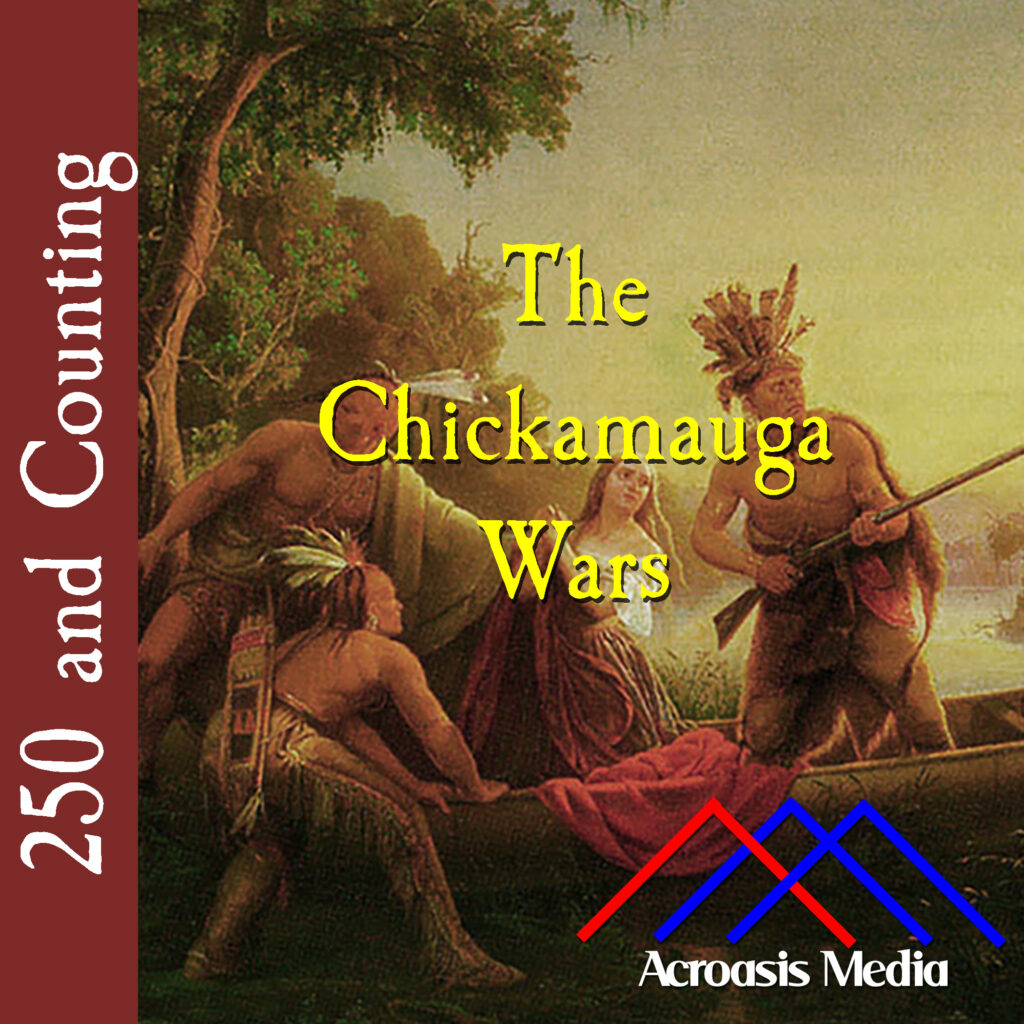
    Cover art for July 1, 1776: "The abduction of Jemima Boone by Shawnee in 1776", by Charles Ferdinand Wimar, 1853. Now hanging in the Mildred Land Kemper Art Museum at Washington University in St. Louis, MO.

    The Chickamauga Wars, also known as the Cherokee-American Wars, was really just an escalation of the hostile relationship between Americans and the Cherokee tribe.

    The problem really started during the French and Indian War, which ran from 1758-1761. During that war, British forces simply destroyed many Cherokee towns, which were never reoccupied. Some treaties were signed after the war, and then boundaries established, but the colonists resented those boundaries. They showed their resentment by largely ignoring them, forcing officials in charge of Indian Affairs to put together new treaties with new boundaries. Go figure, those didn’t work either.

    Things got ugly in 1773 when Daniel Boone led about 50 settlers through the Cumberland Gap. Natives from several tribes descended on a foraging/scouting party, capturing them and then ritually torturing them to death. Among the dead was Boone’s son James.

    Tensions continued to rise until this day in 1776, when they escalated into full-scale raids and battles which came in fits and starts, and then would settle into long periods of no activity.

    This went on into the 1790s before the Army came in with a major offensive, forcing the Cherokees to back down and seek a peace treaty, formally ending the Chickamauga Wars.

  • Making A Play For The Natives–May 25, 1776

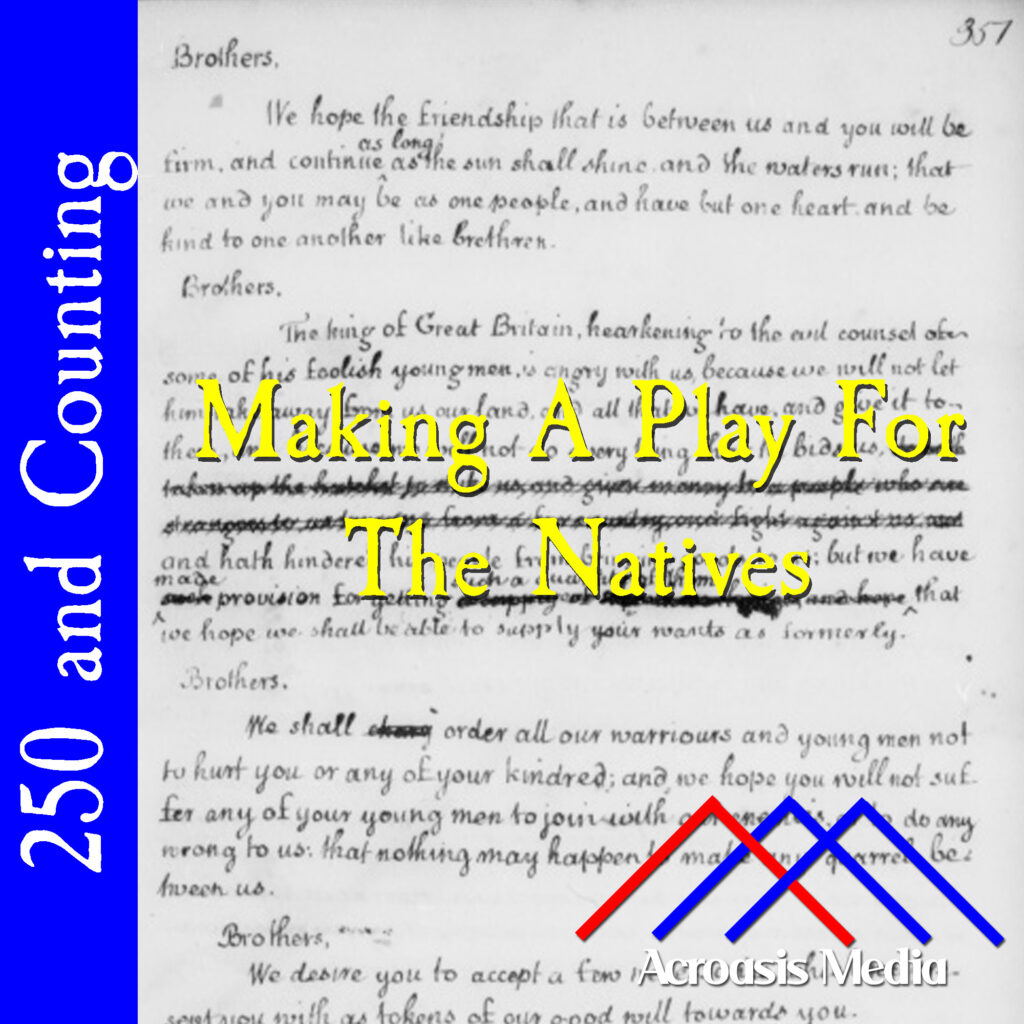
    Cover art for May 25, 1776: The first page of the address to the Iroquois Indians. It's in George Wythe's handwriting, but the identity of the person making the speech was not recorded.

    The Continental Congress knew that good relationship with the Native Americans was the smart thing to do, but it took them months to put together the Committee for Indian Affairs, even when their first attempt to bring the natives in failed miserably.

    In that first try, they came to the upstate New York and framed the Revolution as though it was a family dispute. The Iroquois, taking that literally, decided to stay out of the affair, then.

    This time around, the Iroquois (and shame on me, I should be saying Haudenosauree) came to Philadelphia, but in my humble opinion they weren’t treated especially well, having to wait for several days to meet with the Congress, and several more days to hear the proposal that the Committee for Indian Affairs put together. Small wonder, then, that they simply left without even responding to the Americans’ offer.

  • Rules for Native American Trade–January 27, 1776

    Cover art for January 27, 1776: Engraving titled Washington and Fairfax and a War-Dance by John Rogers, 1857.
    Engraving titled Washington and Fairfax and a War-Dance by John Rogers, 1857. The event depicted actually took place in 1779.

    As noted in the episode, there were several different rules laid down for trading with Native Americans at that time, and some of them were designed to ensure that they remained on our side or, at worst, that they remained neutral in Revolution-based matters.

    But the rules wound up working out well for both sides: the various tribes were able to get the materials they wanted, and trade was conducted under better-controlled conditions.

    In addition, they led to trade-related treaties with several tribes up and down the coast during the next year or so. And with over 80 tribes east of the Mississippi River at that time, that’s a lot of treaties to negotiate.

  • The Delaware Who Came To Congress–December 16, 1775

    Cover art for December 16, 1775: Historical Marker on Ohio Highway 93, just south of US 36, commemorating Chief White Eyes' founding of a Delaware Tribe-based town not far from this place. Image via remarkableohio.org.
    Historical Marker on Ohio Highway 93, just south of US 36, commemorating Chief White Eyes’ founding of a Delaware Tribe-based town not far from this place. Image via remarkableohio.org.

    I rather dislike using historical markers back-to-back for the cover art, but there are no images of Chief White Eyes, and I’d about run out of images of Great Bridge yesterday, so here we are.

    Also—and I admit I only know this because there’s a town not far from where I grew up with this name—I’m pretty sure that Mike mispronounced the word “Sachem,” though I suppose it’s possible that there’s a West Coast variant. But he’s a nice guy so we’re letting it slide. Especially since I made him re-record when he mispronounced “Narragansett” the other day.

    Yes, I am in a mood. Why do you ask?

    Koquethagechton was the given name of Chief White Eyes. and you may see it spelled differently elsewhere. The Lenape did not have a standardized written language, so everyone was making do with the Roman alphabet and doing their best to transliterate.

    As Mike notes during the episode, he later became a guide for an expedition in the Ohio Territory. He died during that trip, reportedly from smallpox, but questions have been raised regarding whether this actually happened. After his death, the Americans had no interest in a territory under Lenape control, and whatever deal he’d worked out completely unraveled.

  • John Dabney Terrell Sr.–October 14, 1775

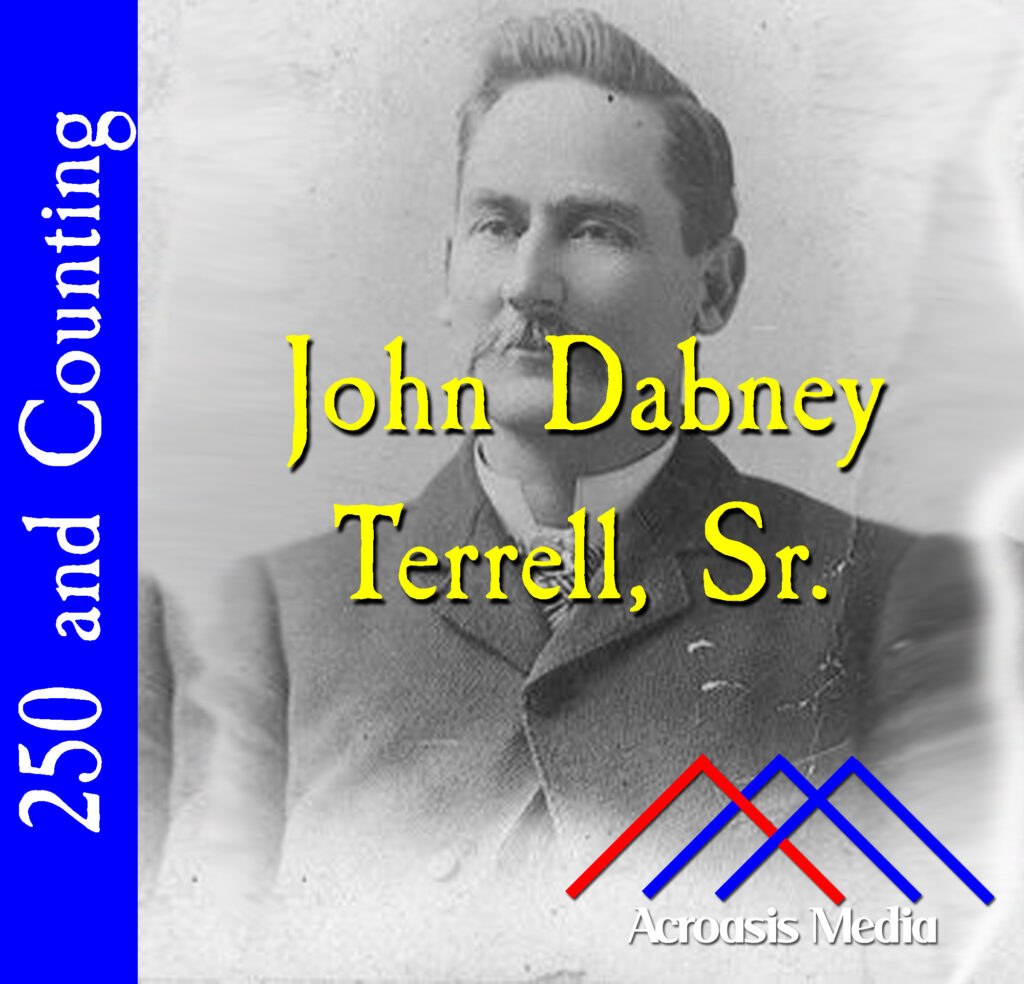
    Cover art for October 14, 1775: photo of John Dabney Terrell Sr. via findagrave.com

    Programming Note: Mike came down with a case of electronic laryngitis, so you’re getting me again for today’s episode. But Mike wrote it, so there’s that.

    John Dabney Terrell Sr. was…not one of our best and brightest Americans, but the work he did will lead us to a bigger story some time down the road. Much of what he did laid down the foundation for the event that became known for the Trail of Tears.

    As if that wasn’t bad enough, he was a slave owner who put some of his slave property (ugh, but that was the legal term) in his son’s name to avoid losing them in a pending lawsuit against him.

    That he did all this and chose to be buried in a very Native American fashion is kind of amazing.

  • August 17, 1775: The Six Nations Summit

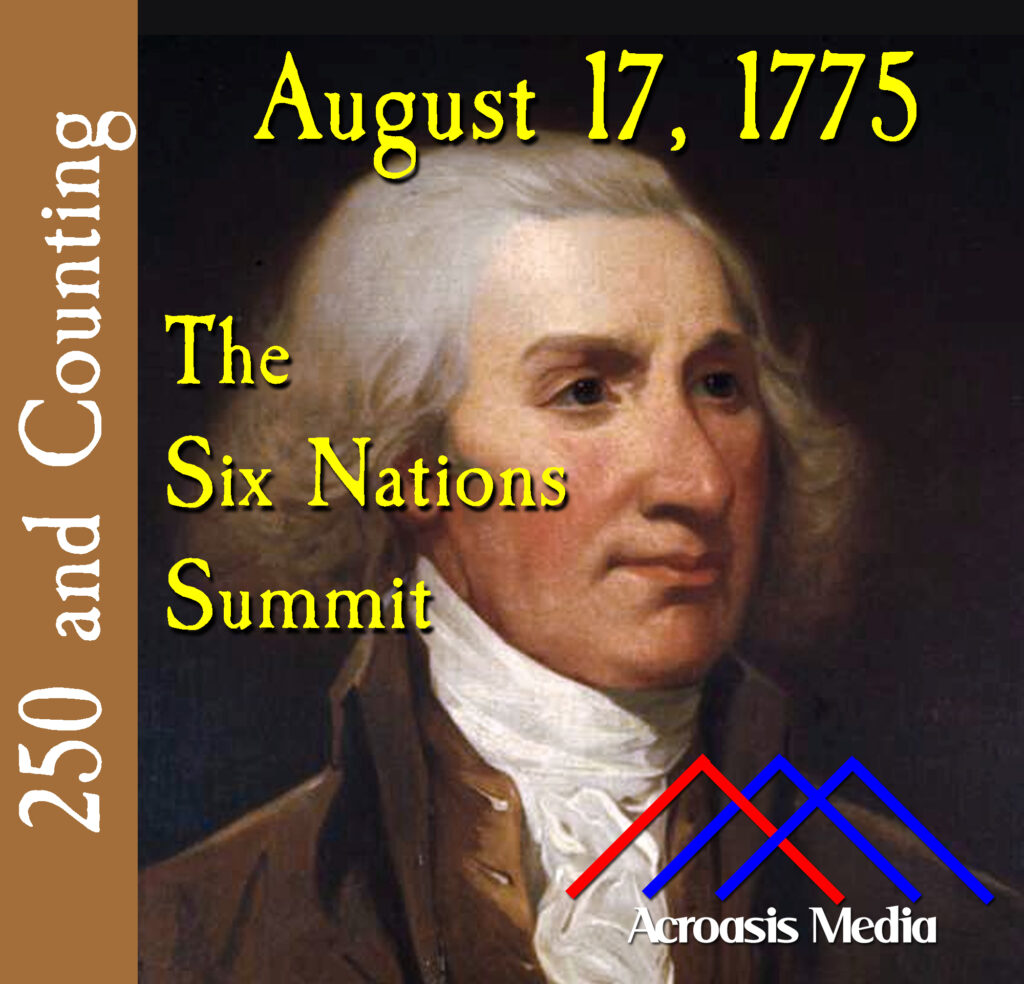
    Cover art for August 17, 1775: Mirror-image copy of a portrait of Philip Schuyler. Painted by Jacob H. Lazarus from a miniature painted by John Trumbull. via Wikimedia.

    Philip Schuyler served as a delegate from New York to the Continental Congress until June 1775 when he was appointed a major general to the Continental Army. We’ll hear more about him as we start to delve into the Invasion of Quebec later this year.

    Schuyler was on his way to Saratoga, NY when he got word that the tribes of the Six Nations—the Mohawks, Oneidas, Tusscaroras, Onondagas, Cayugas, and the Senekas (spelled that way then)—had taken Congress up on its offer of a summit and were on their way to Albany. What’s more, he was needed for the summit.

    What happened next came as a surprise to…well, nobody, really. But at least everyone knew where everyone else stood. And if that was the locals’ attitude, it wasn’t their fault; the Speech to the Six Nations laid out their argument for them.