Tag: Pennsylvania History

  • George Kremer–November 21, 1775

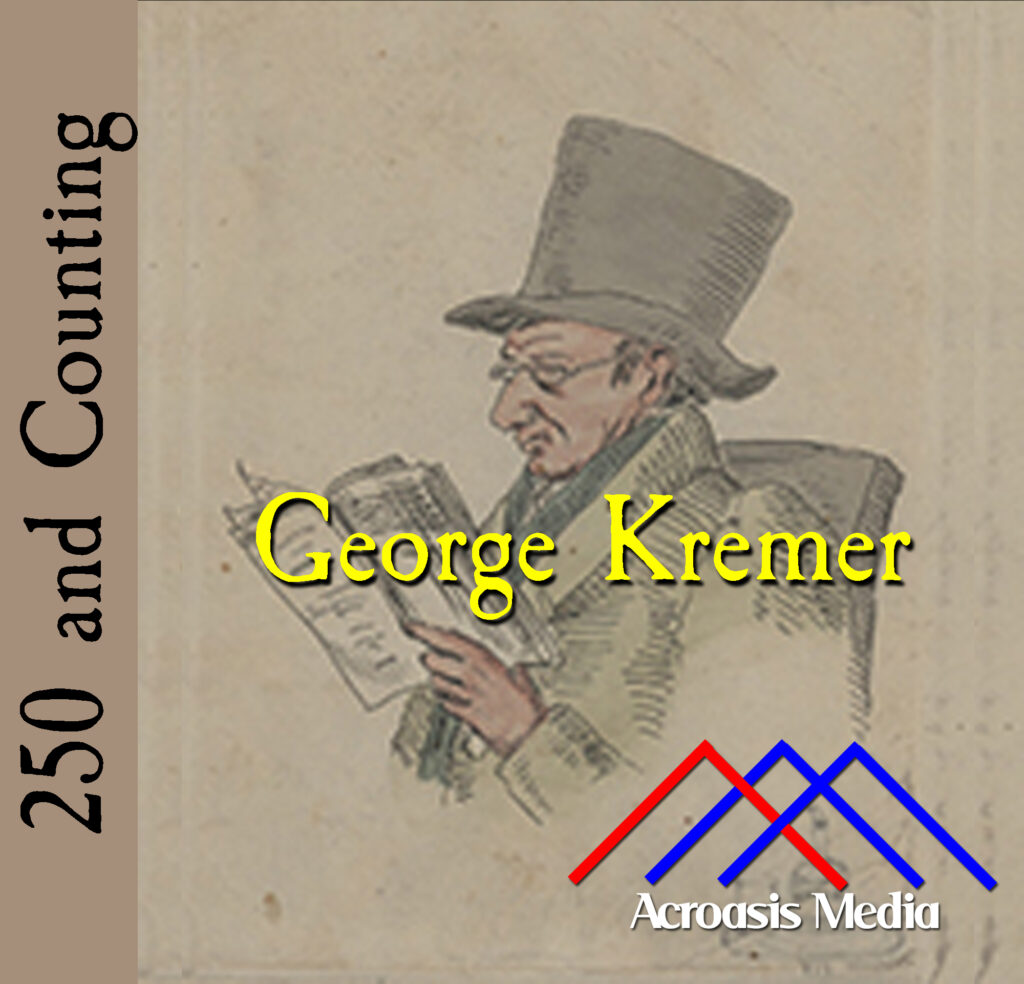
    Cover art for November 21, 1775: a hand-colored engraving depicting George Kremer reading a journal headlined "Reform". It's thought to be a sarcastic image. Collection of the U.S. House of Representatives, accession number 2012.052.001

    While George Kremer is depicted in today’s artwork as a sophisticated “man of the people”, it’s thought that the artwork was meant to be sarcastic, since Kremer’s colleagues didn’t respect him very much, thinking he was a kind of bumpkin back-bencher.

    And indeed, George Kremer’s political legacy, at both the state and Congressional level, is fairly thin, with the exception of the allegations he made against Henry Clay. At that time, if there was no clear majority winner of the presidential election, the House of Representatives chose the winner. Clay backed John Quincy Adams, who came in second to Andrew Jackson in the vote count. When Adams won and Clay became Secretary of State, that got a few people suspicious.

    It’s actually not unlike what was thought to have happened in the 1970s when Richard Nixon resigned, Gerald Ford became President and then pardoned Nixon. When Ford became Vice President, the Watergate scandal was already brewing, so it was thought that perhaps Ford cut a deal with Nixon: “appoint me VP, and if you resign I’ll pardon you.” This probably didn’t happen, however, since Congressional leaders gave Nixon almost no choice in the matter.

  • July 19, 1775: John Andrew Shulze

    Cover art for July 19, 1775: photo of John Andrew Shulze, date and photographer unknown. via Wikimedia Commons.

    John Andrew Shulze was the sixth governor of Pennsylvania and a member of the Muhlenberg political clan. So this was a guy with some heavy firepower behind him, and he managed to use some of it in righteous ways.

    Shulze wasn’t completely successful with all of his endeavors, but even when he failed, he laid the groundwork for someone after him to succeed at it.

    After retiring from his job as governor, he was a delegate to the Whig Party’s first convention in 1839 and was president of Pennsylvania’s Electoral College in 1840, when William Henry Harrison became President of the United States.

  • May 16, 1775: The Hanna’s Town Resolves

    Cover art for May 16, 1775: One of several re-created houses on the former Hanna's Town site. (via Wikimedia Commons)

    While the Declaration of Independence was still about 15 months away, a small community in the far western reaches of Pennsylvania decided not to wait around for it to happen, and they took matters into their own hands.

    The Hanna’s Town Resolves was probably the most direct challenge to British rule to date, if you don’t count the stuff that involved shooting.

    Unfortunately, in the end the entire town paid the price and it was destroyed. However, on the same site you can visit reproductions of several of the structures that originally stood.

    Likewise, the original document of the Hanna’s Town Reserves was never recovered (and was probably destroyed in the fires that took out the town), but the text was reproduced in the Pennsylvania Gazette in August of that year, which is the only reason we know about it today.

  • April 14, 1775: America’s First Abolitionists

    Cover art for April 14, 1775: the official medallion of the British Anti-Slavery Society. Artist unknown, but this was produced as a Jasper-ware cameo by artisans at Wedgewood Pottery.

    (Note: it’s in the alt text for the image, but in the interest of broader accuracy and general transparency, we know that this artwork isn’t the symbol for an American abolitionist society but rather a British one. But this is one of those cases where the story works better than the truth, and we found it to be a powerful image that underlines the intent of the tale. In short, let it go this once, OK?
    –CC)

    It might come as a surprise to you that societies dedicated to the elimination of slavery in America came about as early as this, especially inasmuch as we had other things on our mind, such as the largest army in the world putting us in their sights. It might also come as a surprise that the one that came first in America, exists still, but with a different focus. Tune in and learn their story.

  • March 23, 1775: A Wedding Announcement and a Birthday Celebration

    Cover art for March 23, 1775: Portrait of Dr. William Foushee, ca. 1820 (public domain image; attribution on the image is to someone named "Eugene")

    This show isn’t just about the big moments in American history, though we’ve been giving you those. We also take the time to look at some of the smaller things, which may have an effect later on down the line. And today we can mark two of those events.

    First up is a wedding taking place in Southampton County in Virginia, across the bay from Williamsburg. The bride was an educated woman who carried on that tradition afterward, and the groom was a future mayor of Richmond, the city’s first, in fact.

    Meanwhile, up in Pennsylvania, America’s first botanist was celebrating a birthday. Unfortunately it was one of his last.

  • March 8, 1775

    Cover art for March 8, 1775: the front page of the March 8, 1775 Pennsylvania Journal.

    It was on this day that an essay appeared in the Pennsylvania Journal advocating for the abolition of slavery. The content wasn’t a huge surprise for Pennsylvania, but the interesting thing is: the essay is known for being written under a pen name, and for a long time, people were pretty sure they knew who that person was.

    They’re still not 100% positive.