Tag: Peyton Randolph

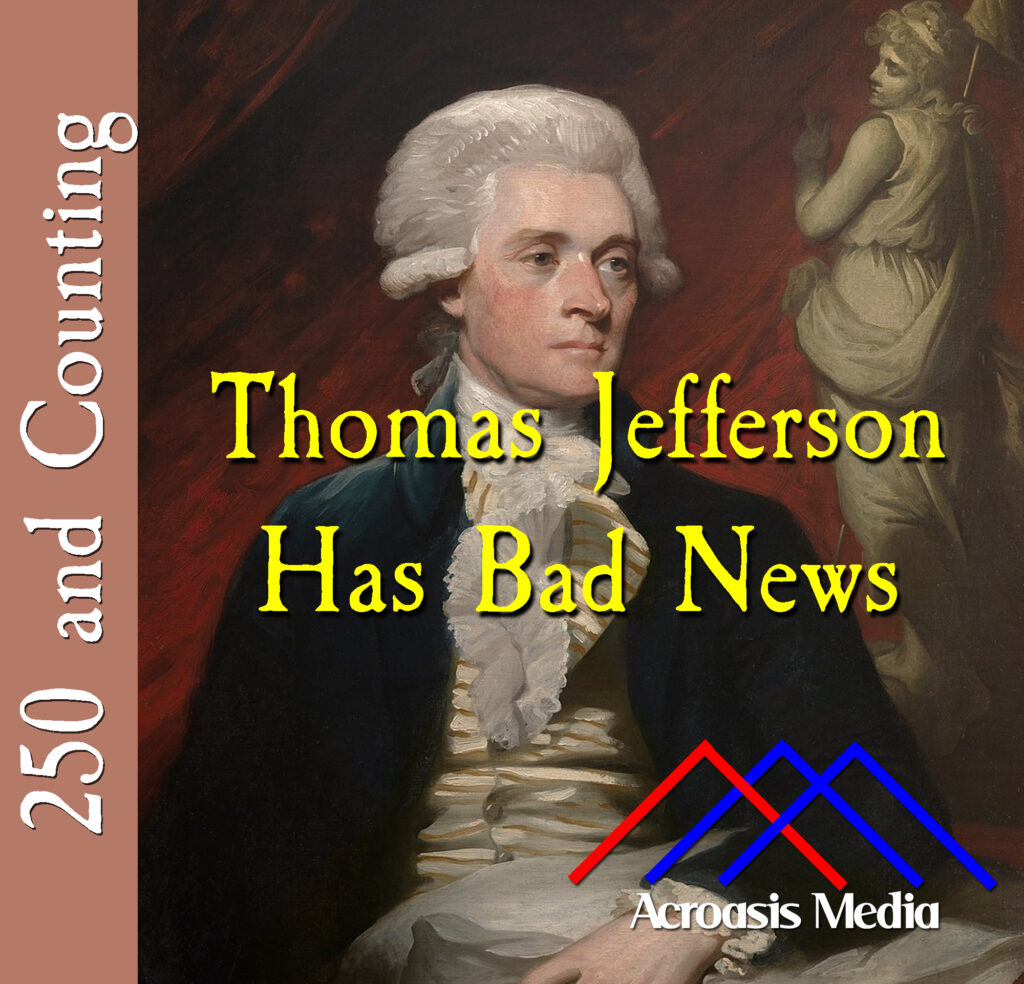
  • Thomas Jefferson Has Bad News–November 29, 1775

    Cover art for November 29, 1775: portrait of Thomas Jefferson by Mather Brown, 1786.

    Thomas Jefferson wasn’t as prolific with the letters as John Adams was with his own wife (over ten thousand letters between them during the course of the Revolution!), nor as much as George Washington, but he was still a deep thinker and he did write well and with purpose.

    In today’s example he has to convey some unfortunate news to a political rival; specifically that the rival’s brother had died unexpectedly. His letter to John Randolph about Peyton’s death was rather brief and matter-of-fact. He also wrote Randolph his analysis of the battle at Hampton and the overall effect he thought it was having on attitudes in general toward Loyalists and the British. Most of this he pins on King George III, whose behavior he felt was inappropriate and is only going to push the Colonies farther away from England.

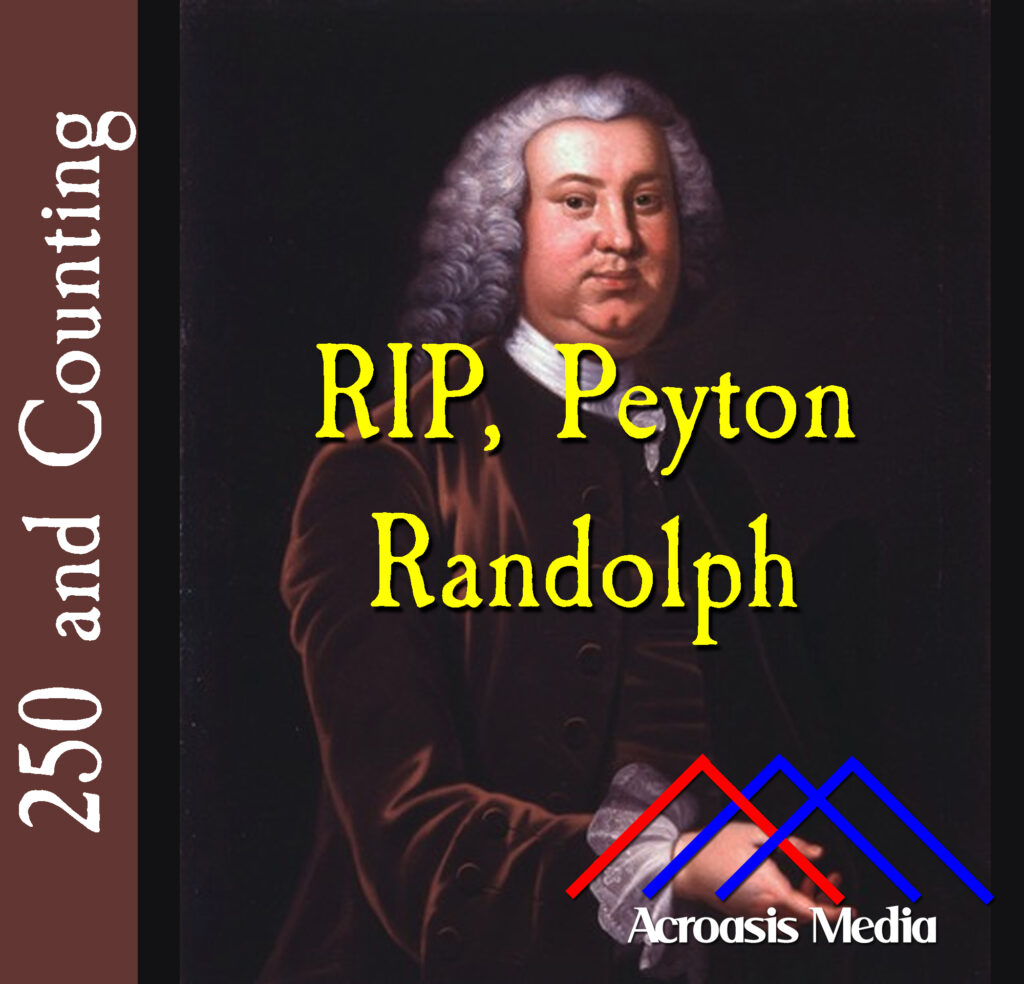
  • RIP Peyton Randolph–October 23, 1775

    Cover art for October 23, 1775: Peyton Randolph, by John Wollaston the Younger, 1775.

    Peyton Randolph is another one of those Founding Fathers who goes largely unknown to most people, probably because he died relatively young (age 54) and early in the whole Independence movement.

    But Randolph was a true Patriot and while he wasn’t around to sign the Declaration of Independence, it’s said that his spirit was at the heart of the document.

    It’s worth noting that, as the Royal Governors were kicked out one by one, the Continental Congress began to assume governmental duties for the Colonies. This is why some would argue that, as the first President of the Continental Congress, Peyton Randolph should also be considered our first US President, and never mind the fact that he died before the nation was established. It’s not a terrible idea, we guess…

    Fort Randolph in present-day West Virginia was named after him, as are the Randolph Counties in North Carolina and Indiana, not to mention the town of Randolph, Massachusetts.

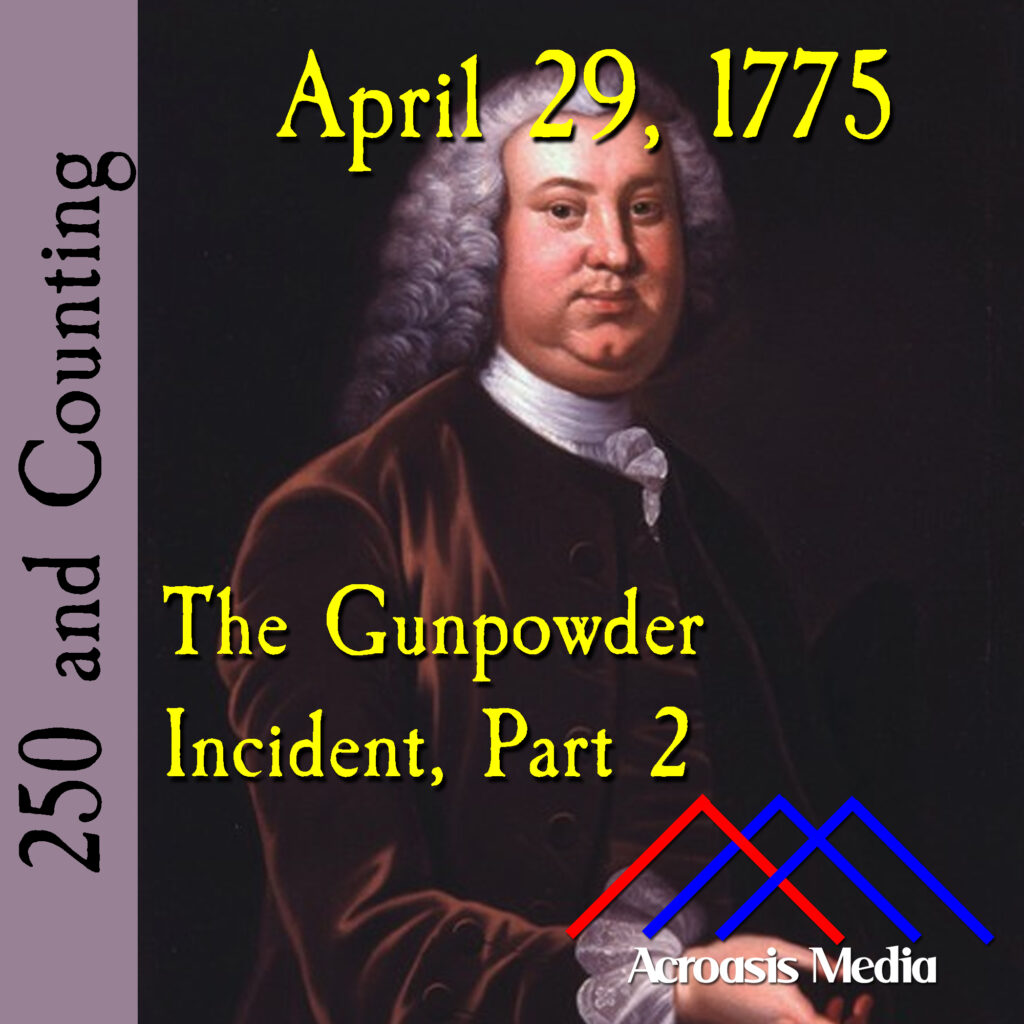
  • April 29, 1775: The Gunpowder Incident, Part 2

    Cover art for April 29, 1775: Payton Randolph by John Wollaston the Younger, 1775.

    Payton Randolph was the Speaker of the House of Burgesses during this period in 1775, and while what was said wasn’t recorded, he managed to put down two riots in which Virginians were ready to trash the Royal Governor’s place with the Royal Governor inside of it.

    He did it twice.

    No question, this man was a patriot who cared deeply about the soul of its people. And if he hadn’t died just a few months later, he would almost certainly have been a name we’d have heard a lot more often in recent years.

    PlayPlay

  • March 27, 1775: Thomas Jefferson Gets an Important Appointment

    Cover art for March 27, 1775: Portrait of Thomas Jefferson, 1791, by Charles Willson Peale.

    We hate to say it, but Thomas Jefferson was kind of a nepo baby.

    Jefferson was part of the Second Virginia Convention, and no doubt he got there honestly, as a man who had lots of property and was well-regarded, even at the tender age of 32. But when Peyton Randolph needed someone to replace him in the Second Continental Congress, he called on Jefferson—who was his cousin.

    On the positive side, Jefferson acquitted himself well in both the Virginia House of Burgesses, where he represented Albemarle County, and simultaneously at the Second Continental Congress. So while he probably didn’t need the familial boost, it surely didn’t hurt.

  • March 20, 1775: The Second Virginia Convention

    Cover art for March 20, 1775: portrait of Peyton Randolph by John Wollaston, circa early 1770s

    The people in Virginia were getting pretty upset about what was going on between the Colonies and the British Parliament. They called a convention and, as we’ve noted over the past several days, each county sent delegates with specific instructions, many of which recommended that the colony commit itself to resisting the British and supporting any efforts made by other American entities in that respect.

    The Second Virginia Convention finally met on this day in 1775, and they elected Peyton Randolph as its president. This was no surprise to anyone, as Randolph had been the president of the First Virginia Convention, and of the First Continental Congress.

    Randolph was also briefly the president of the Second Continental Congress but had to return to Virginia and was replaced by John Hancock. Shortly thereafter he had a fit of apoplexy (what we now call a hemorrhagic stroke) and died in October 1775.

    So even though he didn’t live to learn of the signing of the Declaration of Independence, Randolph is frequently considered to be one of our Founding Fathers.