Tag: Richard Richardson

  • The Snow Campaign–December 23, 1775

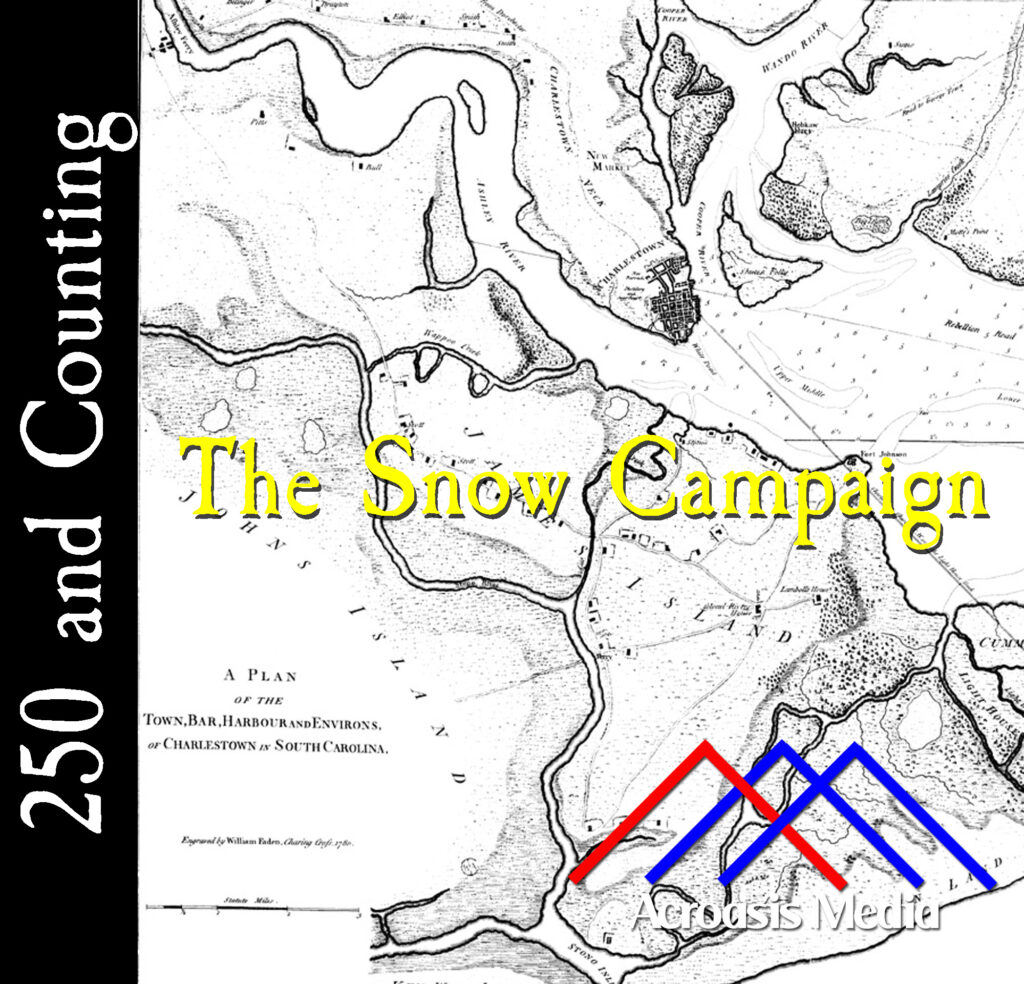
    Cover art for December 23, 1775: a 1775 map of Charleston and surrounding areas, owned by Henry Laurens. Charleston is the small dark patch above the first 'a' in "Campaign".
    A 1775 map of Charleston and surrounding areas, owned by Henry Laurens. Charleston is the small dark patch above the first ‘a’ in “Campaign”.

    As important as some of the action in the southern colonies was—and make no mistake, Colonel Richard Richardson’s campaign to sniff out the Loyalist leaders in the western part of the state wound up being very important—other events were important in different ways.

    One such event would be the Snow Campaign. There came a point where Richardson decided that he’d done about as much as he could, so he started to head back to the Low Country, where Charleston is located. On the way back his men, who were ill-prepared for poor weather, ran into snow.

    Lots of snow.

    Fifteen inches of snow.

    Before very long the troop had disbanded and about 130 prisoners had to be escorted to Charleston, after which a few were set free as a conciliatory move.

    So no, not everything took place during the snow; in fact the snow was really the very ending of the Snow Campaign.

  • One Thing Ends, Another One Begins–December 21, 1775

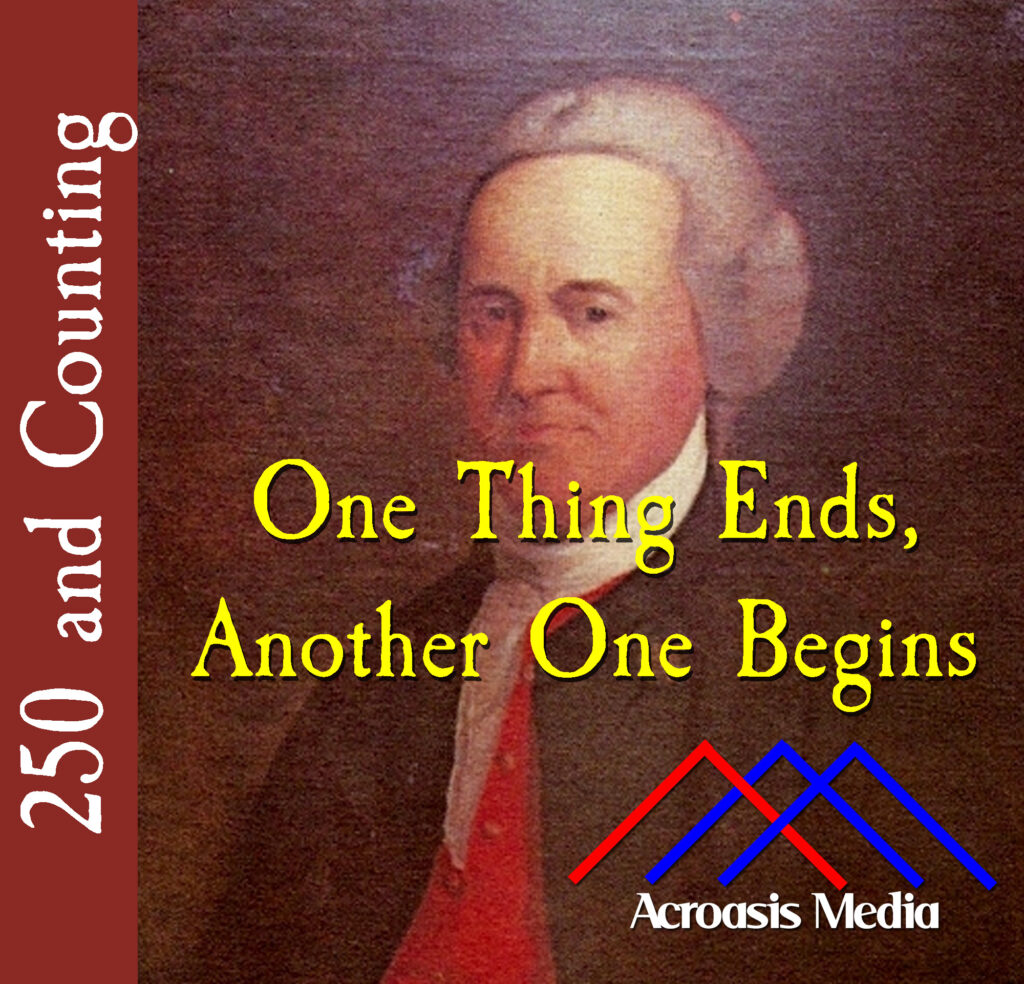
    Cover art for December 21, 1775: portrait of Richard Richardson, attributed to Jeremiah Theus.
    Undated portrait of Richard Richardson, attributed to Jeremiah Theus.

    General Richard Richardson was a delegate to the Provincial Congresses in South Carolina in 1775 and 1776, and he served in both the South Carolina Militia and the Continental Army during the Revolution. He was instrumental in the Americans winning the Battle of Charleston in 1776, but doesn’t get much else attention, perhaps because he was captured a few years later and then sent home, essentially to die.

    But the fact that he spent time driving Loyalists out of the western areas of South Carolina led directly to that province getting on board with the Independence movement more quickly. He also left behind a legacy of descendants who would affect the state well into the twentieth century.

    Incidentally, I have no idea if there’s any truth to the rumor that Richard Richardson was so poor as a child that he couldn’t afford a different last name. Largely because I made that rumor up just now.