Tag: Roger Sherman

  • Connecticut Goes Fourth–June 14, 1776

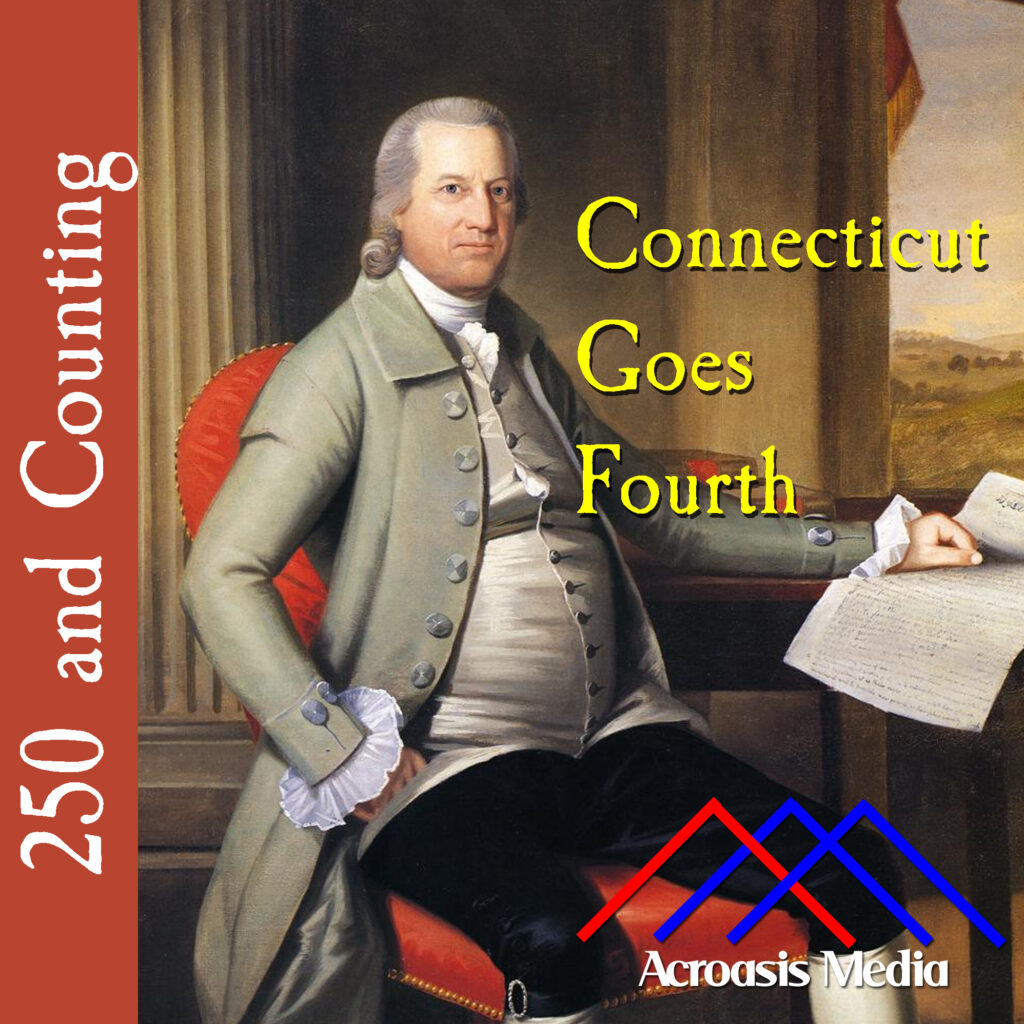
    Cover art for June 14, 1776: a 1789 portrait of Connecticut Founding Father Oliver Wolcott by the American painter Ralph Earl, oil on canvas. via Wikimedia Commons.

    It’s not a misspelling; it’s a pun—oh, forget it.

    Connecticut had already been fighting the war for independence since Bunker Hill, but that’s not the same thing as separating politically from Great Britain. In retrospect, we made it look relatively easy, but once again, remember: something like this hadn’t been done before, and sending instructions to their delegates to vote in favor of Independence was literally directing them to commit an act of treason. So let’s give the individual colonies a little bit of grace, here.

    Now, New York is going to bump into a different kind of trouble, but we’ll talk about that in a few days.

    (It was a little bit funny though, right?)

  • The Declaration Begins–June 11, 1776

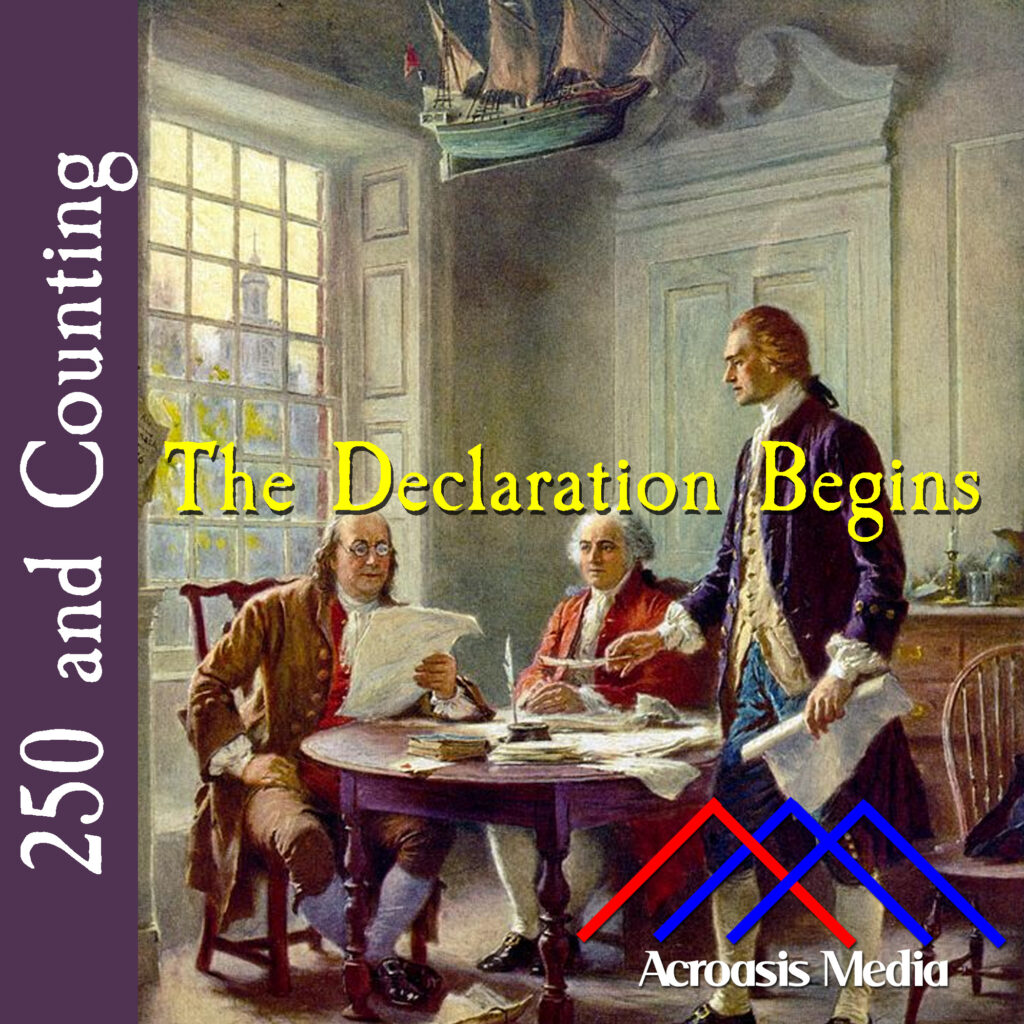
    Cover art for June 11, 1776: "Writing the Declaration of Independence 1776" by Jean Leon Gerome Ferris, 1900. via Wikimedia Commons.

    After temporarily tabling the Lee Resolution, which called for our independence from Great Britain, the Second Continental Congress identified its Declaration Committee. Five men were chosen to articulate why we were asking King George to go screw himself in the politest possible terms.

    While the Committee involved five men—John Adams, Benjamin Franklin, Thomas Jefferson, Roger Sherman and Robert Livingston—most of the work fell to three of them: Jefferson, Adams and Franklin. Jefferson spent a few days working on the first draft in isolation, then Adams and Franklin began reviewing and revising his work.

    The Declaration Committee worked steadily for over two weeks before presenting their finished product to the Congress, though John Hancock did get to see an earlier draft.

  • June 28, 1775: A Day of Paperwork

    Cover art for June 28, 1775: Portrait of Jonathan Trumbull by Harry Ives Thompson. Painted in 1880, long after Trumbull's death but it appears that Thompson was trying to re-create Trumbull's appearance at the time of the Revolution.

    It feels like we’re selling the day a little short, but not every day has to be Bunker Hill. Also, we’re discovering (and we hope you are, too) that sometimes it’s the smaller moments between the bigger ones that give us better insight into the hearts and minds of the people who lived during that time.

    Cover art for April 28, 1775: portrait of Governor Jonathan Trumbull, artist unknown.

    Today’s artwork is a portrait of Jonathan Trumbull (brother of John Trumbull, the guy who painted so many of the Founding Fathers), but this painting—which was created in 1880, long after he died—appears to show him as he was around the time of the Revolution. Compare that to the image we used for him back in April (right), which showed him in his later years as Governor of Connecticut.

  • June 24, 1775: The Committee of Seven

    Cover art for June 24, 1775: Portrait of Roger Sherman by Roger Earl, 1768.

    With the war in full swing and a Commander-in-Chief on his way to Boston, the Continental Congress took the next step of finding a way to organize the troops.

    So naturally they formed a committee. The Committee of Seven (maybe all the good names were taken?) worked diligently for about three weeks to put together a plan that would indicate just who could fight and how they would be organized. There were still some details to iron out, but in the meantime the disaggregated militias were getting the job done. All that remained was to aggregate them into a single fighting force.