Tag: US Congress

  • Langdon Cheves–September 17, 1776

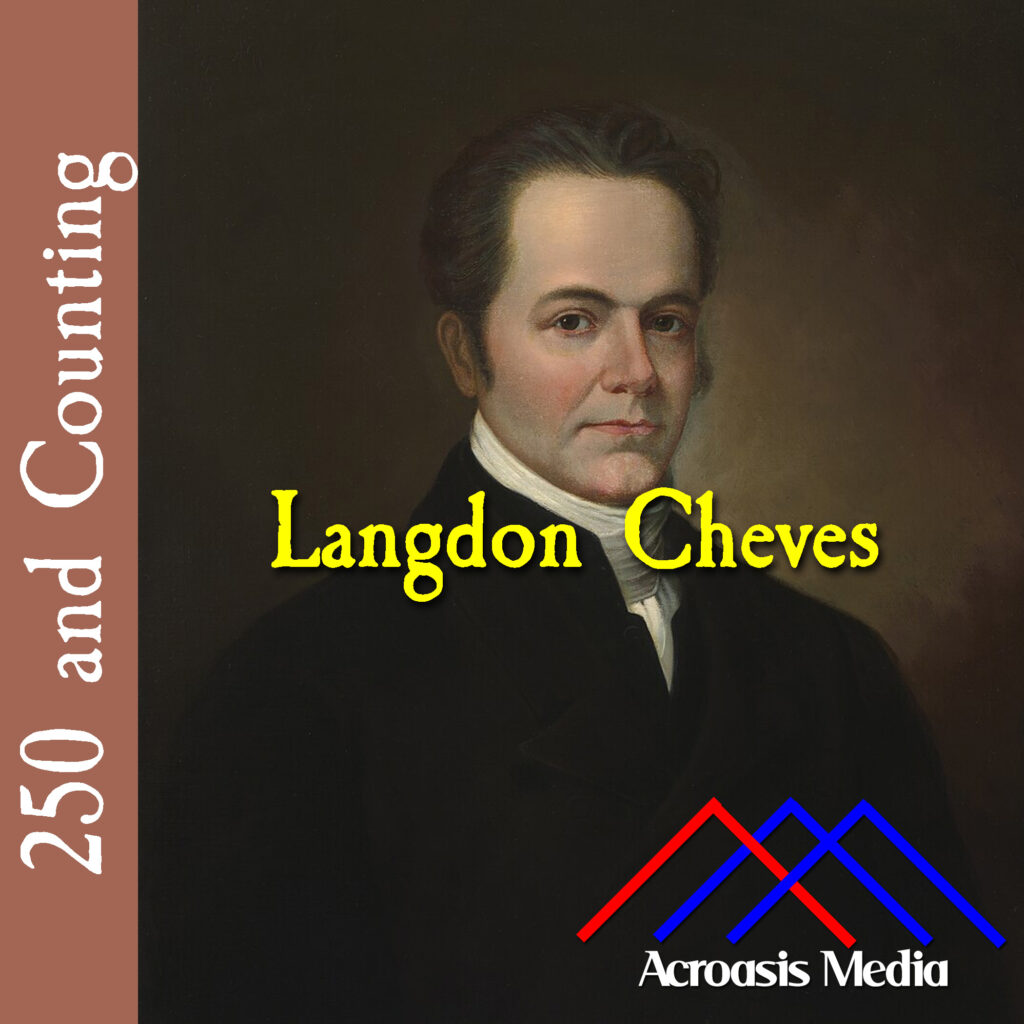
    Cover art for September 17, 1776: portrait of Langdon Cheves by Hal Morrison, ca. 1912, based on an earlier portrait by Charles Fraser. via US House of Representatives.

    Langdon Cheves had a bit of a rough start in life, but he managed to pull himself up and become quite the influential man in the early 1800s.

    Despite the fact that few people have heard of him, Cheves was an active member of the House of Representatives, and managed to make the best of bad situations. When the 1810 embargo on European goods had the effect of collapsing rice and cotton prices, Cheves was able to channel the voters’ dissatisfaction into returning him to Congress. He was considered a War Hawk as 1812 rolled around and still managed to get re-elected.

    Cheves was in the House of Representatives when Henry Clay was appointed Speaker, but while they generally followed similar attitudes, Clay and Cheves had a falling out over the seizure of merchants’ bonds during the War of 1812 and he found himself stripped of all committee assignments, Unfortunately for Clay, when he was asked to negotiate peace with Britain in 1824 he had to resign his position, and Cheves found himself elected Speaker. Cheves essentially went from Worst To First in the space of a year.

    After leaving Congress, Cheves returned to his law practice but found himself appointed the presidency of the Bank of the United States, a position he held for longer than he’d planned because the Board of Directors had a hard time finding his replacement when he wanted to retire. After leaving the bank, he returned to South Carolina to become a rice planter and continued to engage in public debate, at one point arguing against South Carolina seceding from the Union unilaterally, believing in Southern unity.

  • Bernard Smith–July 5, 1776

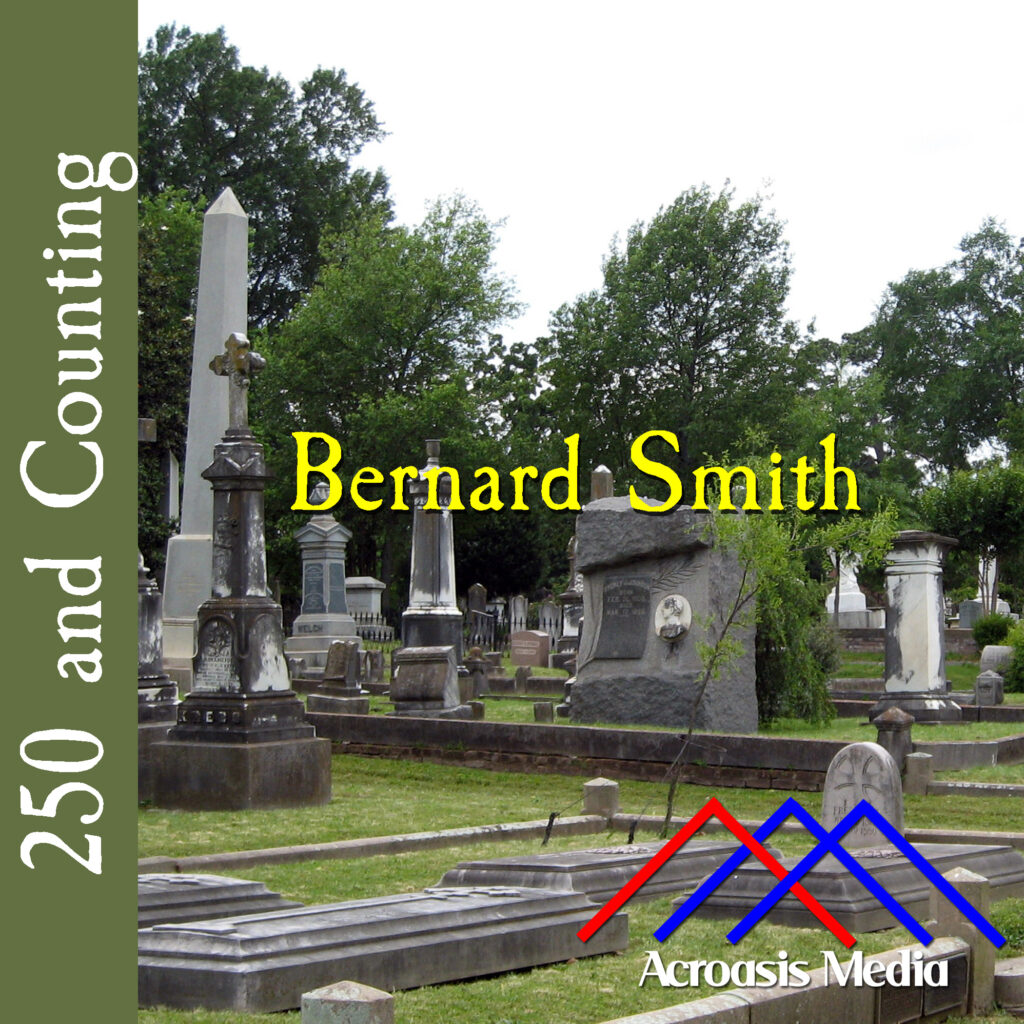
    Cover art for July 5, 1776: A 2008 photo of Mount Holly Cemetery, where Bernard Smith is buried.

    In the biography of Bernard Smith in today’s episode, it was noted that he spent a couple of years as the Collector of Customs in 1809 and 1810. Which set up the question for me: what does a Collector of Customs do?

    My guess wasn’t too far off, tell the truth. The Collector of Customs assesses import duties and tariffs, enforces trade laws and regulates goods moving across international borders. My research didn’t turn up where he worked, but it could have been in New York. On the other hand, the Customs House in Linwood (near Atlantic City) was fairly new at the time so that could have been the location. At that time, tariffs and duties were the primary source of revenue for the US Government. Federal income taxes weren’t levied until 1861 for a few years, and then permanently in 1913.

    At any rate, after Bernard Smith put in his time with the Sixteenth Congress, he was register of the land office in Little Rock, Arkansas, then secretary to the governor of Arkansaw, and finally an agent to the Quapaw Nation until his death in 1835, shortly after his 59th birthday.

  • August 18, 1775: James Elliot

    Cover art for August 18, 1775: Grave marker for James Elliot and his wife Lucy. via Find-A-Grave.com

    James Elliot was born in 1839 (like the stone says over there), in Massachusetts. Later on he became a legislator for the state of Vermont, which was neither a state nor even a colony when he was born; it was still disputed territory between New York and New Hampshire.

    Although Elliot was too young to participate in the American Revolution, his political fortunes waxed and waned…but mostly waxed.