Tag: Vexillology

  • Ben Franklin Analyzes the Snake–December 27, 1775

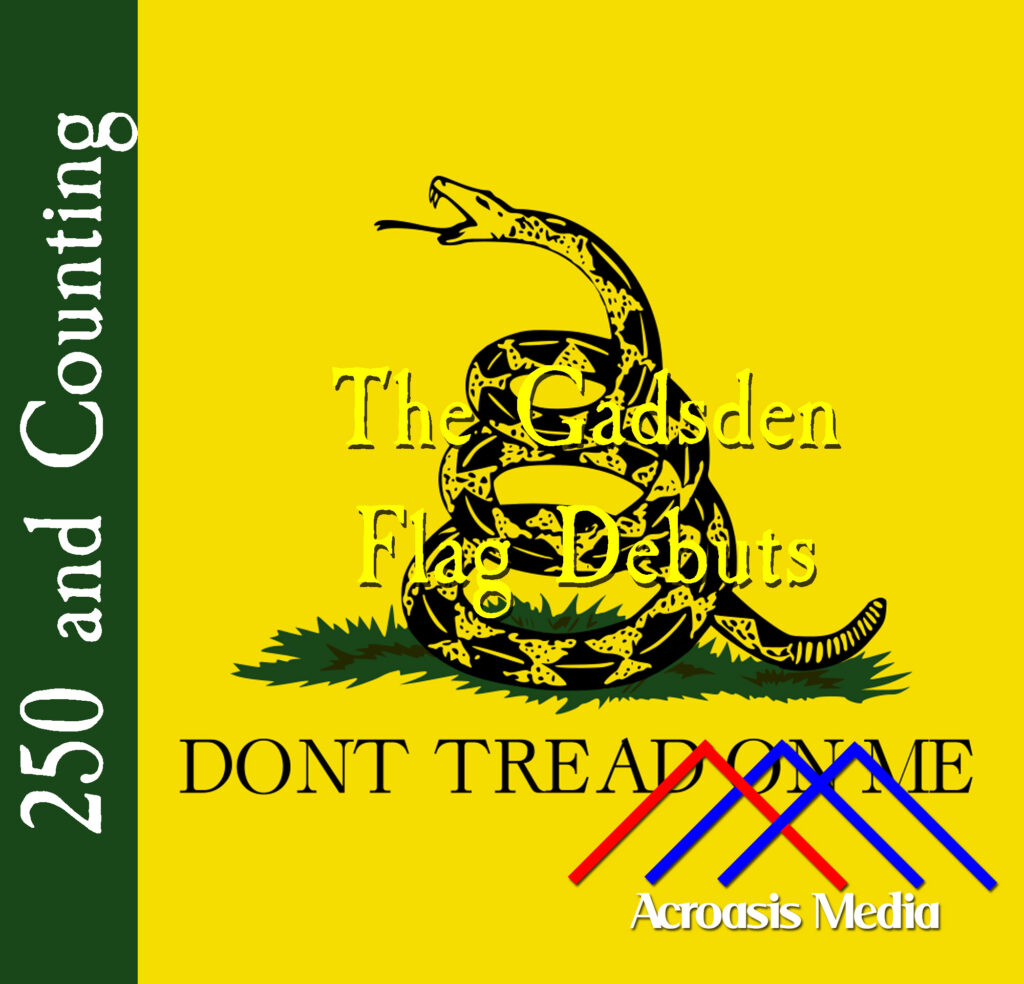
    Cover art for December 27, 1775: the Gadsden Flag, featuring a rattlesnake warning people away.
    Yeah, I cheated and used the same image from last week.

    While he didn’t use a rattlesnake, Benjamin Franklin was the guy who came up with the original “Join or Die” snake image [right]back in 1754. (At least most people give him credit for it.)

    It was based in a superstition that if you cut up a snake into pieces and then reassembled those pieces before sunset, the snake could be resurrected. In 1754, during the French and Indian War, Delaware was part of Pennsylvania and New England’s four colonies were simply grouped together. Georgia was altogether omitted and nobody knows why.

    At any rate, it’s only fitting that when the Gadsden Flag, which we talked about in the December 20th episode, made its debut, Franklin was the one who took the time to opine on why a snake was so appropriate; what’s more why a rattlesnake was the best choice. He published an essay in a local newspaper under a pen name, but his identity was figured out anyway.

  • The Gadsden Flag Debuts–December 20, 1775

    Cover art for December 20, 1775: one variation of the flag.
    One variation of the flag. Some of them have an apostrophe in “DONT”, some use a non-serifed font, some don’t have any greenery under the snake. A few have the snake facing right.

    It’s arguably the most recognizable and popular symbol of the Revolutionary Era, and its debut turns 250 years old today. Ladies and Gentlemen, it’s the Gadsden Flag.

    The concept of the snake image representing the Colonies is a little older than this by about twenty years, with the “JOIN OR DIE” image of the snake broken into nine pieces, each representing some portion of the colonies. In either case it’s a means of using a uniquely American species of snake to represent the Colonies.

    Not only did Christopher Gadsden design the flag, he did it on his own, without anyone prompting him to do it. While the Join or Die snake was probably a little more generic, Gadsden specifically chose a rattlesnake largely because he was from South Carolina, and the rattlesnakes in the Charleston area had the good grace to warn you before taking a bite out of you. To that end, the rattlesnake was considered an honorable, “glorious” creature.

  • September 13, 1775: A Flag Makes Its Debut

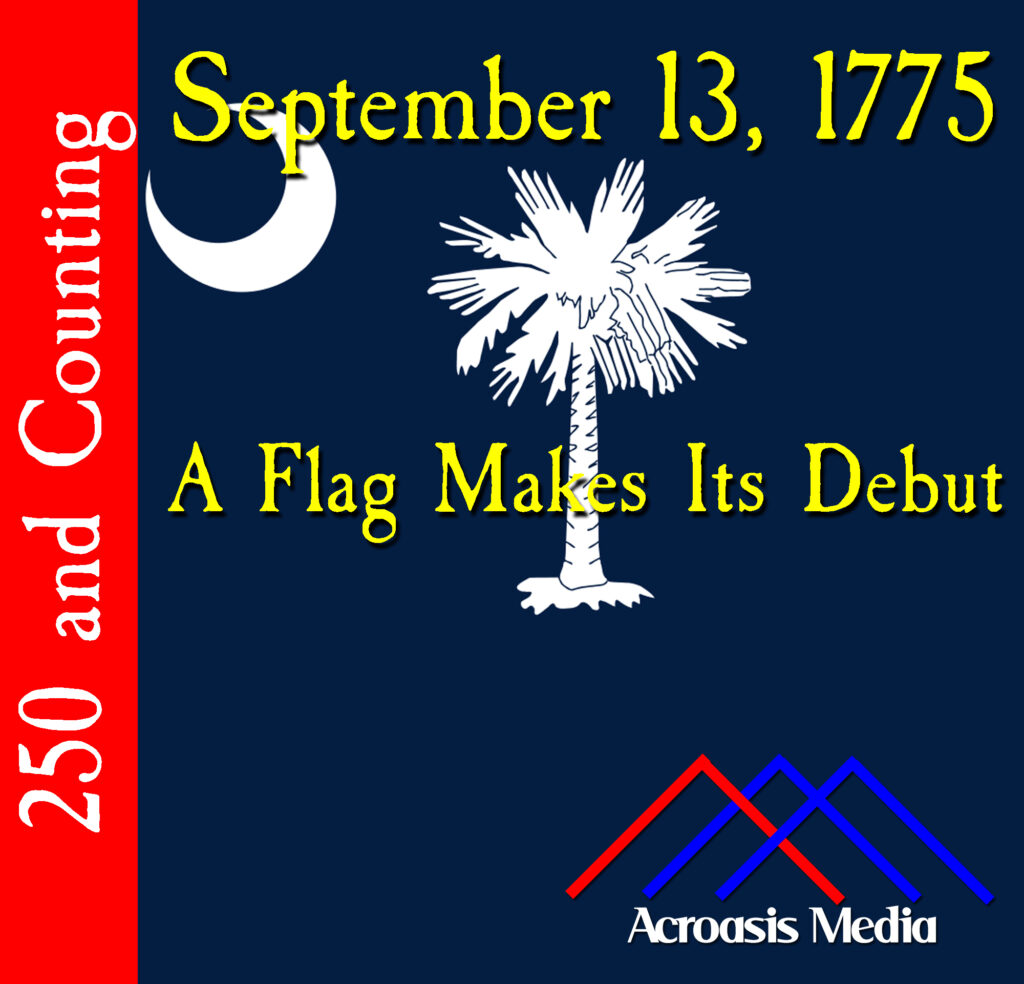
    Cover art for September 13, 1775: Image of the South Carolina flag with the blue field extended to fit the canvas parameters. retrieved from https://en.wikipedia.org/wiki/Flag_of_South_Carolina#/media/File:Flag_of_South_Carolina.svg

    Let’s talk state vexillology.

    Believe it or not, there are people who are very passionate about state flags. (Not me, he said, about to go into a mini-rant.)

    Most states have a very utilitarian purpose. They kind of lean in, announce themselves, and lean out again.

    Some flags are weirdly cluttered (New York, New Jersey, West Virginia, Delaware).

    Some flags are rather boring (Alabama, Minnesota).

    Some have heavy symbolism but it’s lost on most viewers (Arkansas, Utah)

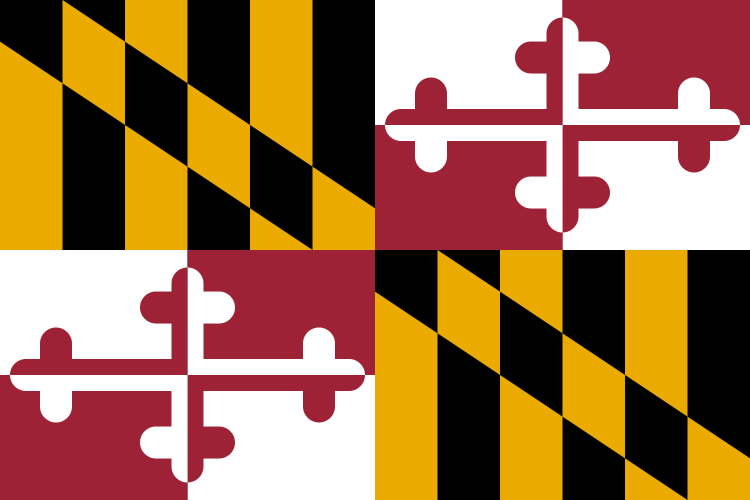
    I’ve lived in Maryland almost 25 years and I don’t think I’ve seen a people more obsessed with their state flag:

    Maryland Flag

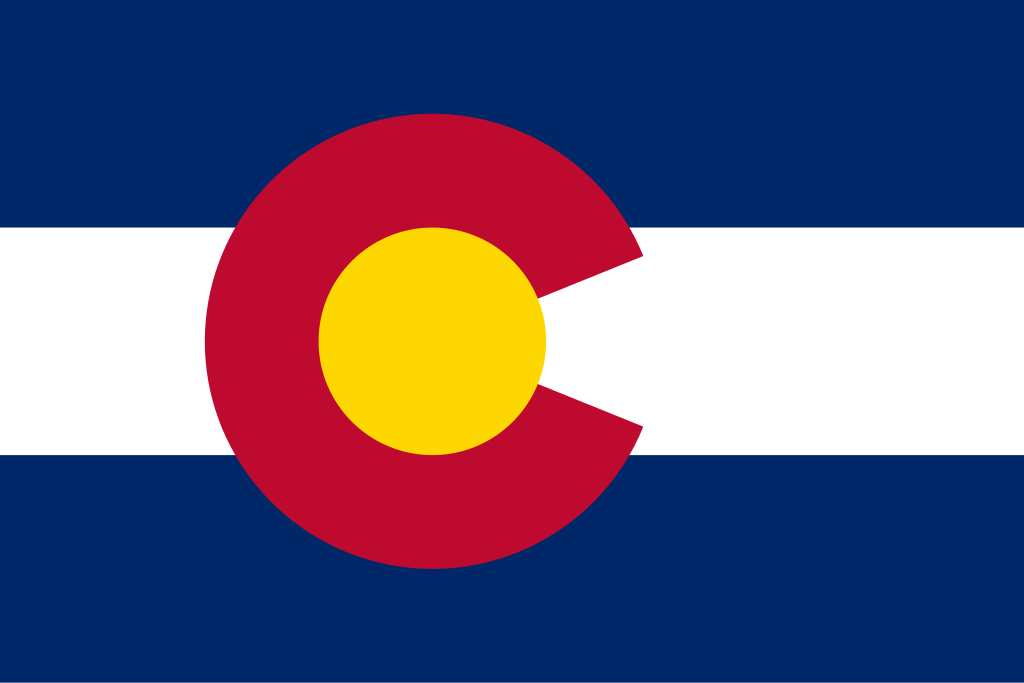
    Colorado’s flag is all over that state so they must be kind of obsessed, too:

    Colorado Flag

    South Carolina’s flag has symbolism and simplicity going for it, and I have to agree with people who put it in the top tier of state flags.

    Here’s the story of the South Carolina flag and how it got that way.