Category: African-American History

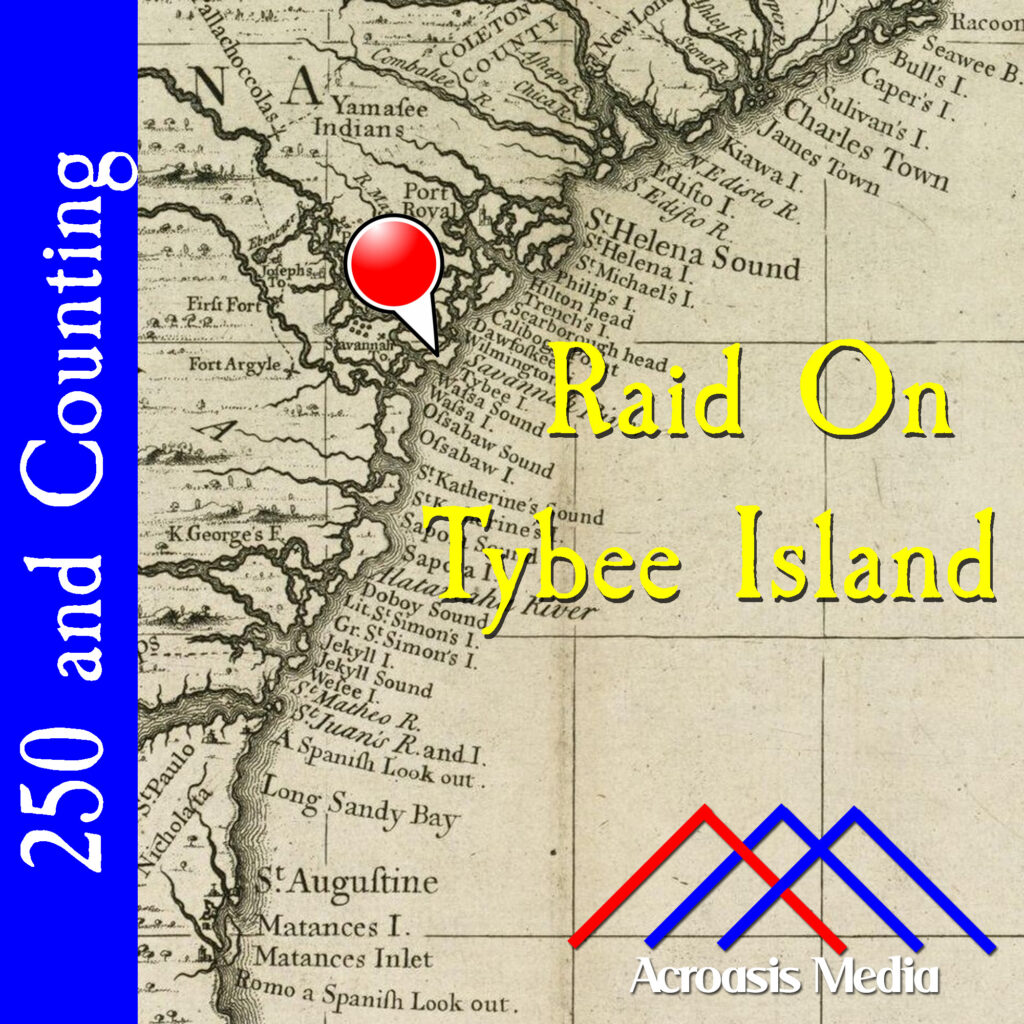
  • Raid On Tybee Island–March 25, 1776

    Cover art for March 25, 1776: Map showing Savannah and Tybee Island, 1733. Via The Boston Public Library digital map archive.

    The raid on Tybee Island wasn’t the only one of its kind; in fact a similar action had been taken at Sullivan’s Island in South Carolina a few weeks earlier.

    In that case there were many more runaway slaves involved, but like Tybee, very few were actually captured and the fate of most of the others is unknown, although there is one account that says fifty people had resisted capture and were subesquently killed.

    But in both cases we see a raid that took place specifically to deny people their freedom, and the proclamation the led to these raids directly influenced the argument in the Declaration of Independence that King George incited “domestic insurrections.” So…the desire of slaves to be free…drove the Patriots to desire independence.

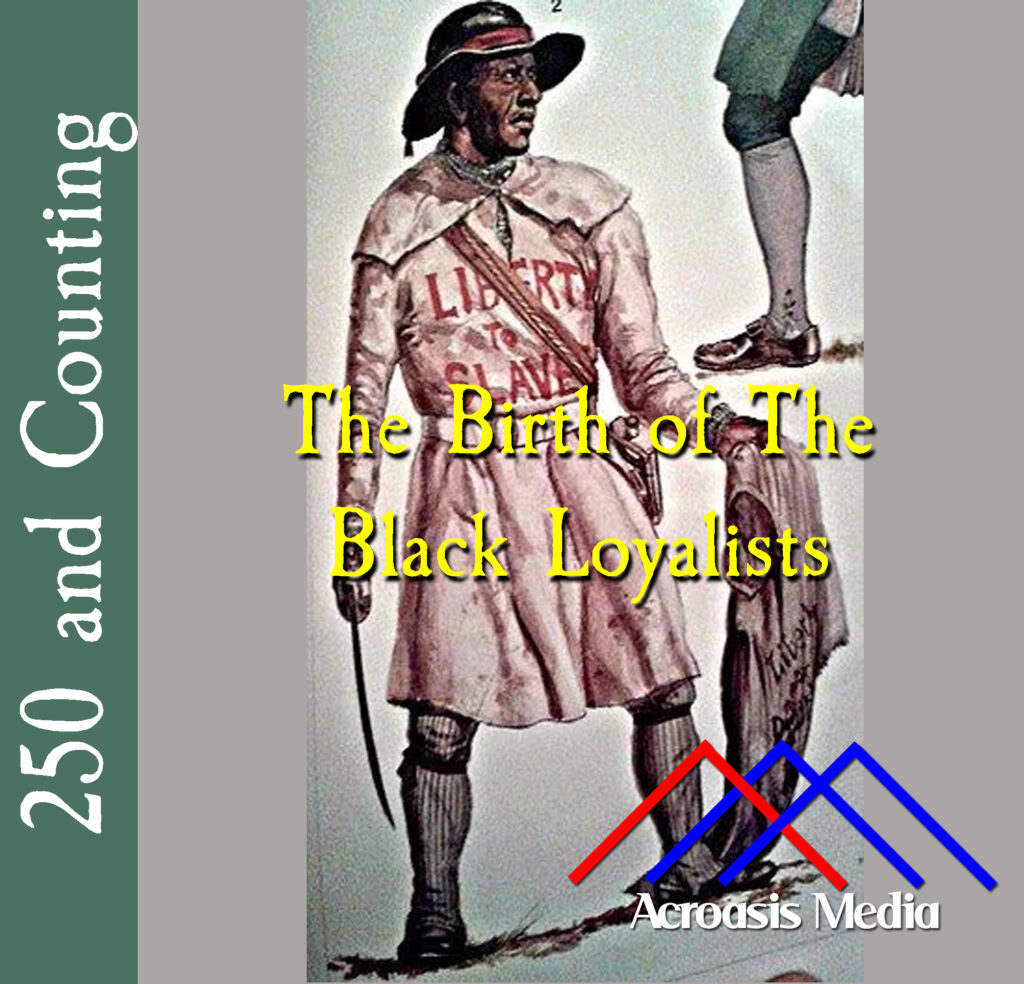
  • The Birth of the Black Loyalists–November 14, 1775

    Cover art for November 14, 1775: art depicting a member of Dunmore's Ethiopian Regiment. Original artist is unknown but this image is frequently used to represent those soldiers.

    Lord Dunmore issued his Proclamation just a week earlier, but the response was much stronger than anticipated, probably because—who knew!—people hate being slaves.

    While the Proclamation only applied to the Virginia colony, because Dunmore had no authority conferred upon him anywhere else, a huge number of slaves and otherwise indentured servants from throughout the thirteen colonies fled to the British side of the lines.

    (We have to say “throughout” because slavery was a thing in the north at this point; it just wasn’t nearly as common as in the south.)

    This led to thousands of “American” blacks living ex-patriate lives throughout the British Empire after the Revolution.

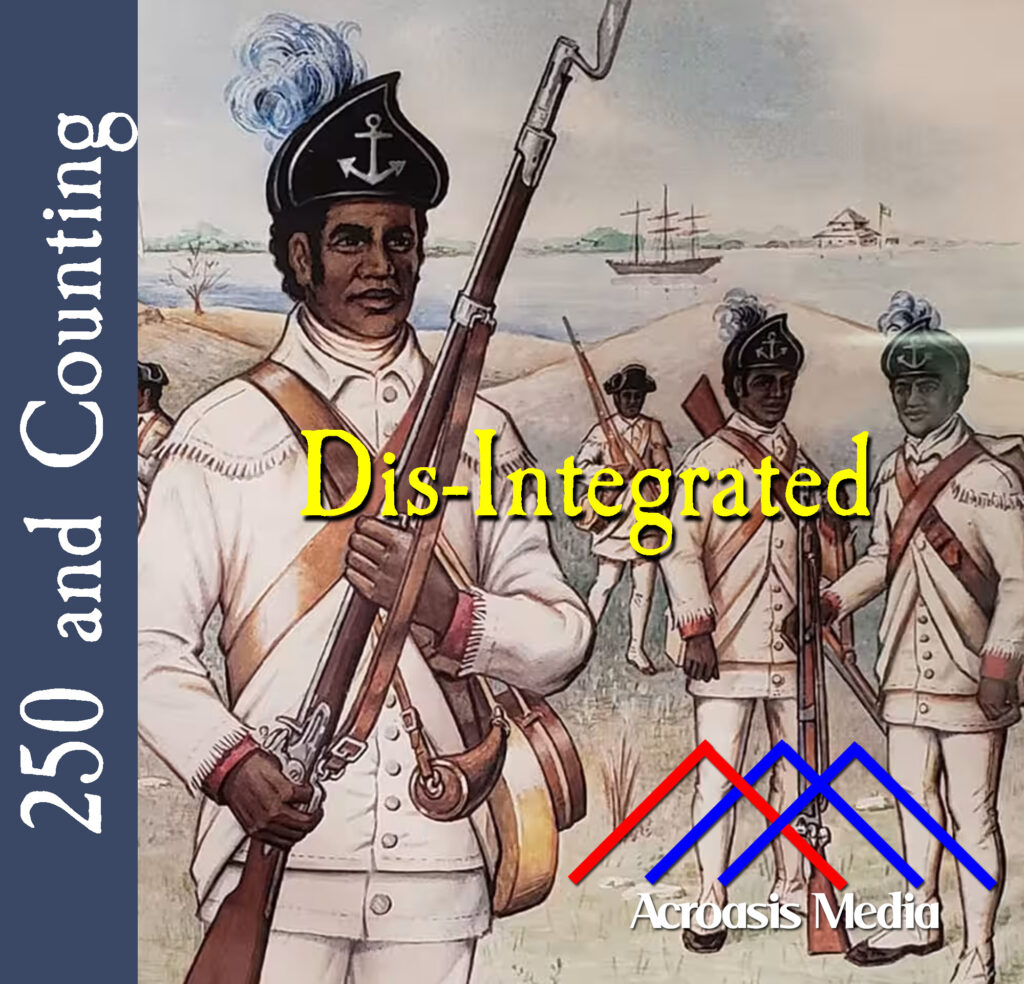
  • Dis-Integrated–November 12, 1775

    Cover art for November 12, 1775: "Soldiers in the First Rhode Island Regiment /Varnum's Black Regiment," Frank Quagan, c. 1976.

    It should come as a surprise to nobody that America has a troubled relationship with its past when it comes to race relations.

    It may come as surprise to you that our Founding Fathers had a complex relationship with their present when it comes to race relations. Yes, many of them owned slaves, but a significant percentage of those men had committed to freeing them at some point.

    The problem was, that point was rather nebulous. And there was a lot of ambiguity when it came to the question of how to deal with both slaves and free Blacks at that time. As we noted a couple of days ago, Lord Dunmore had a pretty good idea to free any Blacks who chose to fight on the British side. Unfortunately it was rather poorly executed and soldiers were killed, died of smallpox, or returned to their masters. Very few of them remained free. It also never occurred to Dunmore that women and children might be interested in the deal, too.

    The idea crossed George Washington’s mind, too. Until it un-crossed it, then crossed it again.

  • Dunmore Has A Tempting Offer–November 7, 1775

    Cover art for November 7, 1775: detail of Lord Dunmore's Proclamation as it appeared in the Philadelphia Journal and Weekly Advertiser, 12/6/1775. Via the Gilder Lehrman Institute of American History.

    Lord Dunmore was driven from the Governor’s Mansion back in June, but he never went far. That same day he took refuge on a British ship near Williamsburg and continued playing the role of Governor, even though the House of Burgesses was already doing quite nicely, thank you.

    Slave revolts were a constant concern in the slave states, and Dunmore was almost certainly inspired by an incident just a couple of days earlier during the Battle of Kemps Landing. An enslaved man, serving alongside the British regulars, came face to face with his former enslaver, Joseph Hutchings, a local militia commander. Hutchings fired at him point blank and missed. In retaliation, the black soldier wounded him with a sword.

    Dunmore and his British compatriots, who were clearly already aware of the power of a general revolt, saw this event as an opportunity.

  • October 8, 1775: The War Gets Whiter

    Cover art for October 8, 1775: Portrait of James Fayette in 1784 by John Blennerhasset Martin. Fayette joined the Continental forces as a spy under Lafayette.

    When the war first started, the Continental Army took on all comers, largely because they didn’t have a lot of choice. Frankly, they needed whatever bodies they could get.

    But it was around this time in 1775 that George Washington and his advisers decided that they could afford to get choosier about their recruits, So they decided not to take on any more Black soldiers. What’s more, soldiers who were already there would not be permitted to re-enlist.

    Eventually—in a couple of years—they’d reverse their stance, for the same reason they took on the Black soldiers in the first place. They were getting low on manpower,

  • April 14, 1775: America’s First Abolitionists

    Cover art for April 14, 1775: the official medallion of the British Anti-Slavery Society. Artist unknown, but this was produced as a Jasper-ware cameo by artisans at Wedgewood Pottery.

    (Note: it’s in the alt text for the image, but in the interest of broader accuracy and general transparency, we know that this artwork isn’t the symbol for an American abolitionist society but rather a British one. But this is one of those cases where the story works better than the truth, and we found it to be a powerful image that underlines the intent of the tale. In short, let it go this once, OK?
    –CC)

    It might come as a surprise to you that societies dedicated to the elimination of slavery in America came about as early as this, especially inasmuch as we had other things on our mind, such as the largest army in the world putting us in their sights. It might also come as a surprise that the one that came first in America, exists still, but with a different focus. Tune in and learn their story.

  • March 6, 1775

    Cover art for March 6, 1775: Undated and unattributed portrait of Prince Hall

    Prince Hall, who appears in today’s artwork in an undated and unattributed picture, became interested in becoming a Mason but was turned down because of his race. The British Masons, however, were perfectly willing to accept Blacks into their ranks…so long as they fought on the British side of the Revolution.

    It wasn’t long before the Americans caught on to the scheme and reversed their decision. But Hall wasn’t done with simply joining the Freemasons. He had additional ambitions for himself, and others who looked like him.