Jonathan Trumbull was first and—for a while—the only Colonial Governor to support the American Revolution. (Most of the other colony leaders either didn’t hold that title, or remained quiet, as if hedging their bets.)
Througout the Revolution, Trumbull supported the troops in general and George Washington in particular, and was often a close advisor to Washington on military matters.
So it was a little bit of a surprise when Washington wrote to Trumbull, noting some of the problems he’d had with Trumbull’s recent decision to move a bunch of soldiers northward.
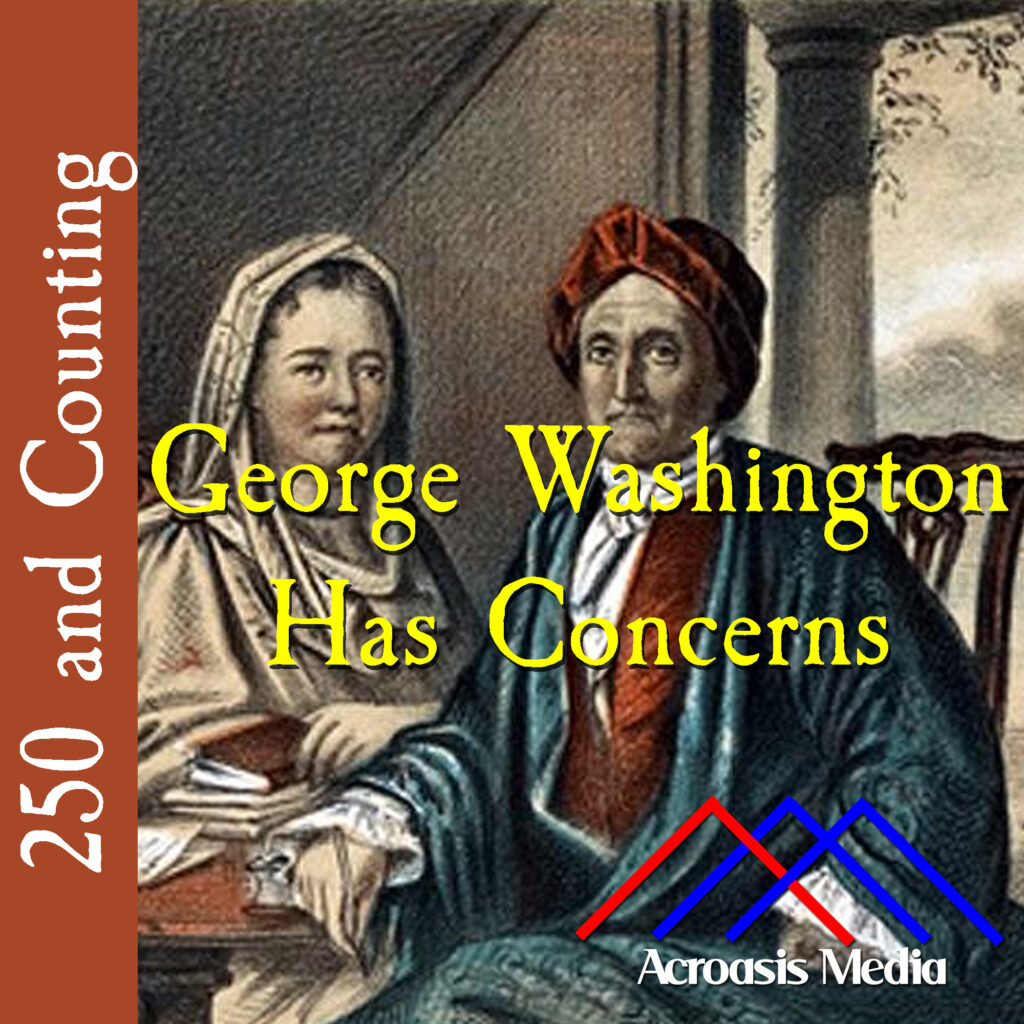
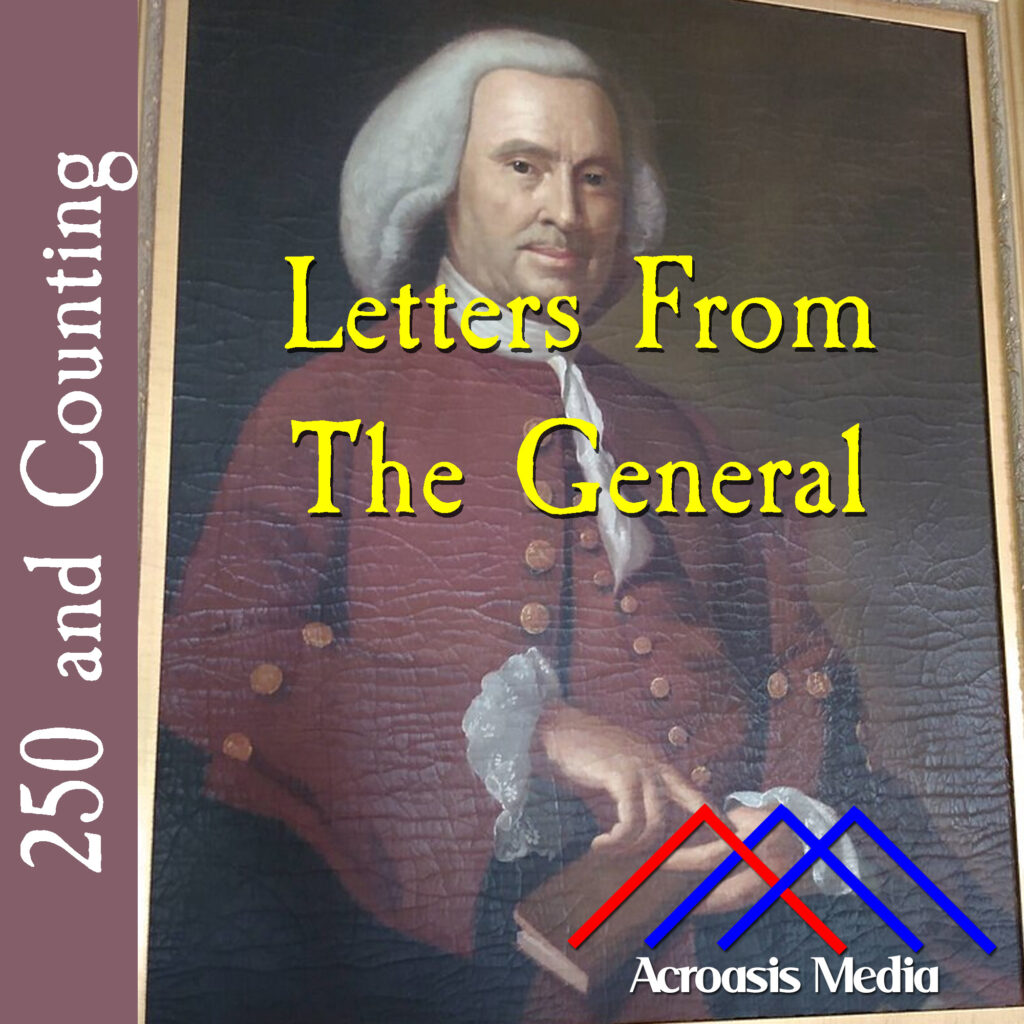
On a side note: there aren’t a lot of portraits of Govenor Trumbull around. That’s one of the reason I’ve used this picture before. The other reason is that I just think it’s neat.
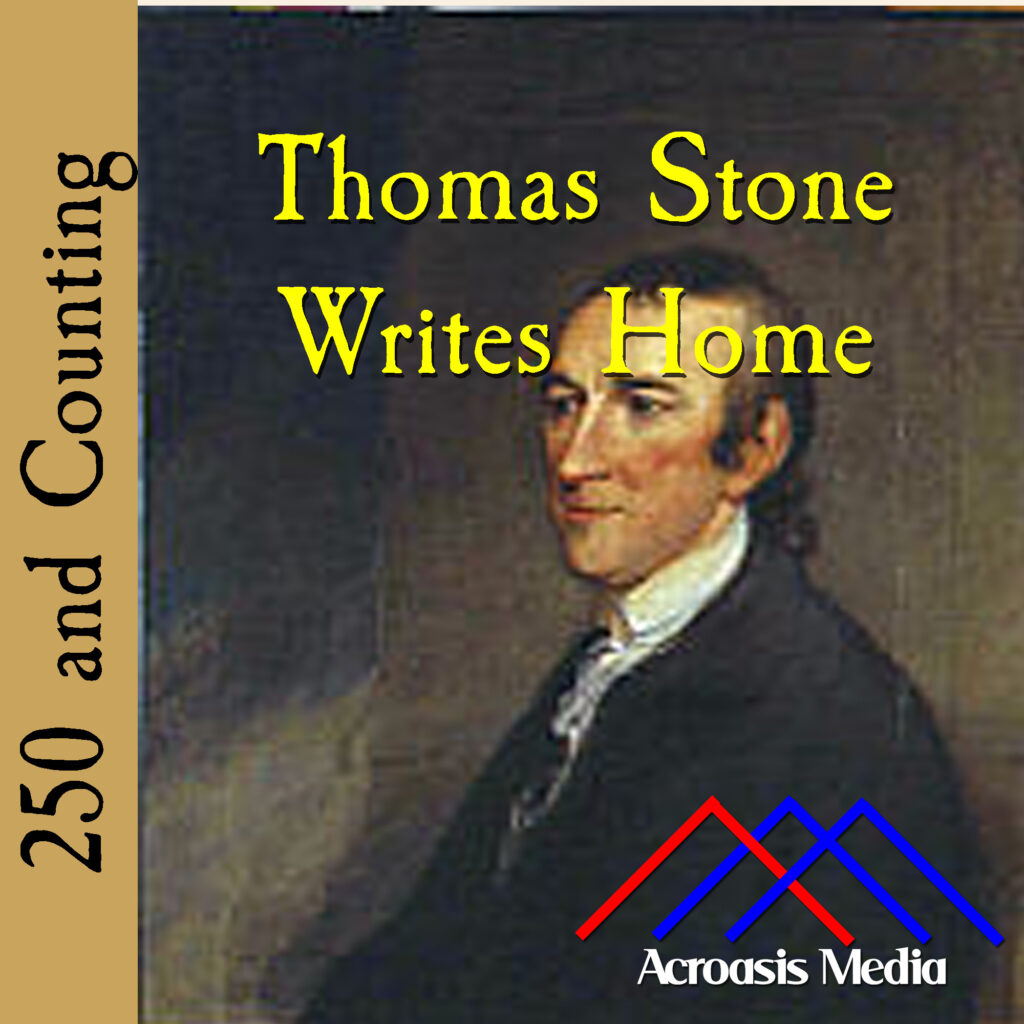
Thomas Stone was a delegate to the Second Continental Congress who served with strict instuctions to “arrive at a happy settlement and lasting amity” with the Mother Country. What’s more, he and his fellow delegates were told not to vote for any proposition that declared independence.
Fortunately, just a few days before Richard Henry Lee put forth the resolution for Independence in early June 1776, the Maryland government removed that restriction, so the delegates could vote however they wanted. And yes, they did vote.
When Henry Knox wrote to George Washington apologizing for getting to Noweich,Connecicut so late, he had a pretty good excuse: he spent a bunch of money on hiring people to move materials down; and those people had trouble getting the job done.
But then Henry Knox also tells the story of leaving the caravan briefly to look at Newport RI and determine whether it’s defensible. Imagine how he felt when, after he spent two days figuring out the five best places to stand when defending Newport, he has to explain why he lost those two days afterward. But he did take the time to frame it as an activity that surely would make the Commander-in-Chief look better.
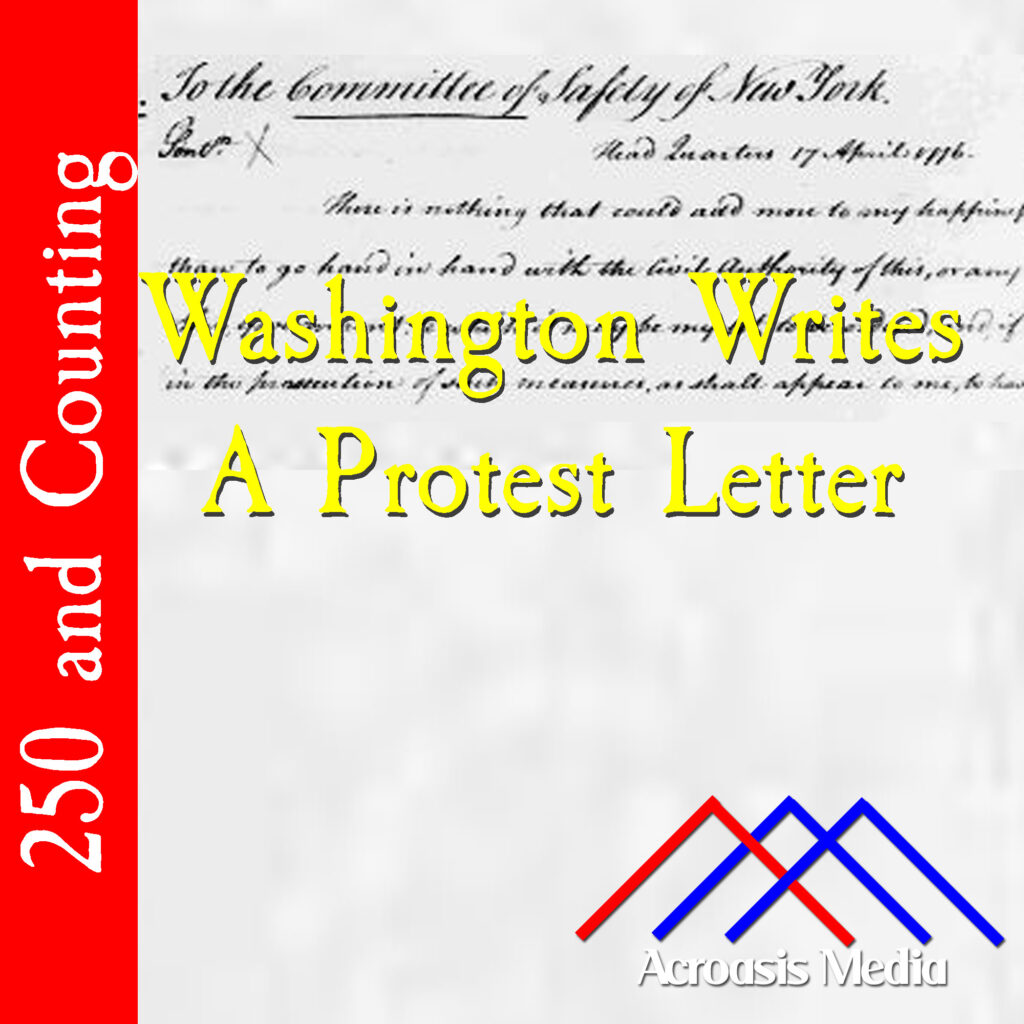
One of the things I really appreciate about reading documents from this era is just how polite they were; George Washington’s letter to the NY Committee of Safety, when you read between the lines is an admonition wondering if that august body had lost their damn minds.
One of the best examples of this is the Declaration of Independence itself. As Aaron Sorkin describes it in an episode of The West Wing:
[N]ever has a war been so courteously declared. It was on parchment with calligraphy, and “Your Highness, we beseech you on this day in Philadelphia to bite me, if you please.”
However, we’re getting ahead of ourselves; that doesn’t happen for another couple of months (and not when you think!).
At any rate, Washington was correct in his assessment that it didn’t make a ton of sense for New York to supply the British while at the same time opposing them. At the same time he didn’t accuse them directly; he played it very cool and suggested that the NY Committee of Safety could get a lot of credit if they’d do as he suggested.
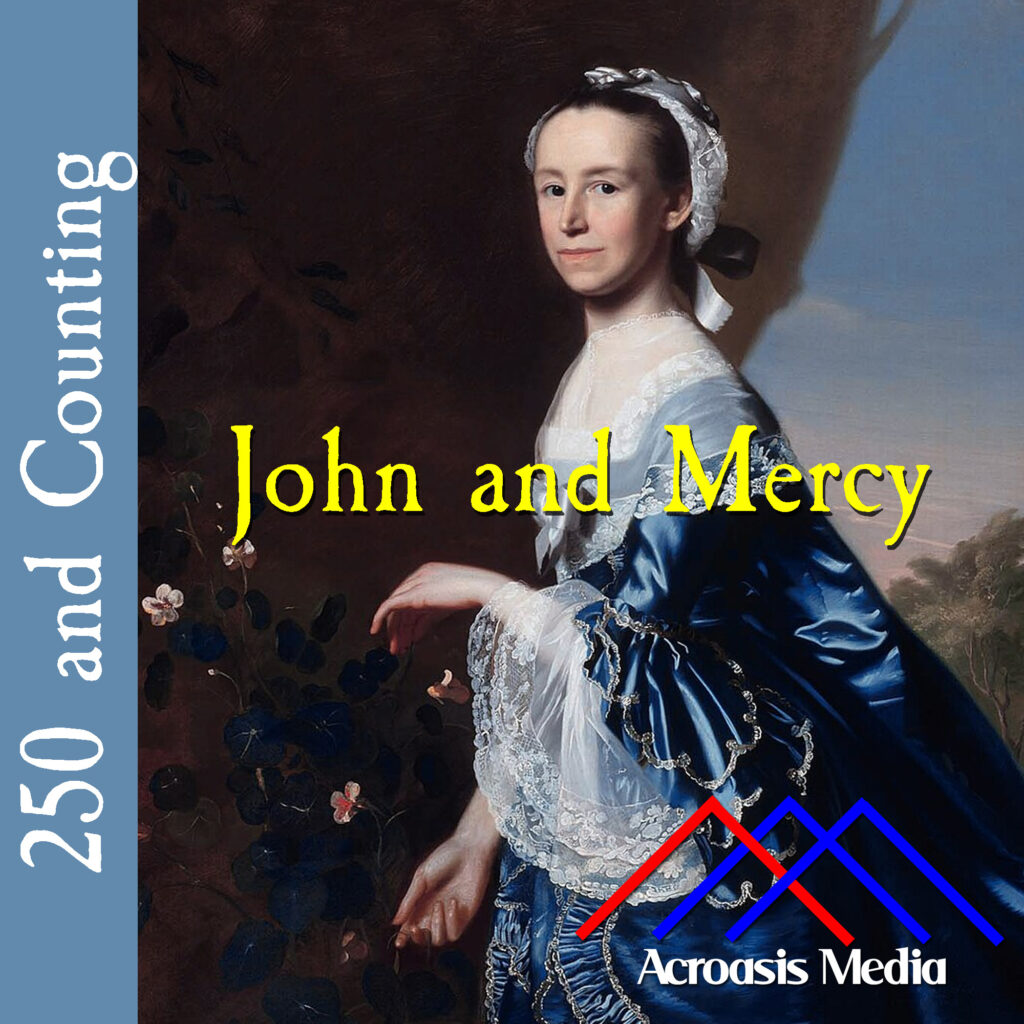
Mercy Otis Warren doesn’t get nearly enough love in our history books, and barely enough of it here, besides. Having said that, our episode a little over a year ago was a fun little tribute.
Mercy Otis Warren was a playwright, a pamphleteer and a poet before, during and after the Revolution. Some of her plays were thinly veiled attacks on the British. She was self-taught and pretty brilliant at it, considering that she was one of the first to advocate for a Bill of Rights (though nobody knew she’d written the piece advocating one until her great-great-grandson found a document tying the pamphlet to her).
And while this episode focuses on correspondence between her and John Adams, she frequently exchanged letters with George Washington, John Hancock, Patrick Henry, Samuel Adams, and Thomas Jefferson. But her best relationship was with John Adams, who she looked to as a wiritng mentor. It was at his suggestion that she began writing a history of the Revolution while it was still being fought. She didn’t need primary sources to write her history, she was the primary source. At worst, she was getting it second-hand from the members of the Continental Congress and local leaders.
Mercy was married to James Warren, and I mention that here because oftentimes she’s thought to be the widow of Dr. Joseph Warren, who died at Bunker Hill. In fact, despite having the same name, Joseph was not related to James, nor to Mercy.
Incidentally, Mike gives a shout-out to the Massachusetts Historical Society, which is a fascinating repository of documents and items related to the history of the state, but which has a special lens on the Revolution, especially this year. So I figured I’d do the same here, along with a link. If you’re in town, it’s not to be missed. And it’s free, though donations are encouraged. Go check them out and from there it’s a short walk to Fenway Park, where you can catch a Red Sox game. (Alas, they were playing away games while we were in town.)
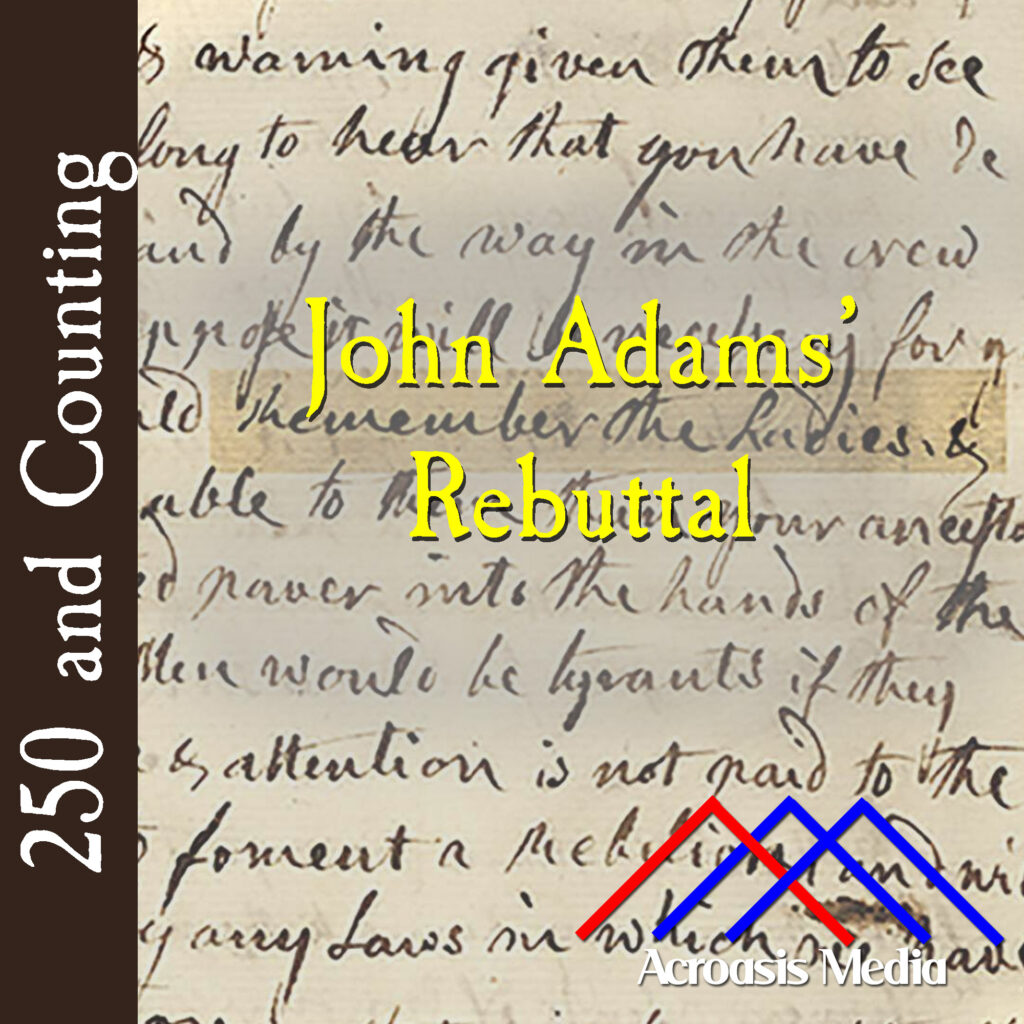
When Abigail Adams wrote her “remember the ladies” letter on March 31, she wasn’t just filling the page with anything that came into her head. Abigail Adams was quite intelligent and John treated her as an intellectual equal, seeking out her counsel on many matters. This in an era in which such things are rare. (And shame on us for giving it short shrift.)
This also means that John’s reply, which Mike talks about today, was in earnest, if it was a little naïve in retrospect.
Mike also mentions that he and I were at the Massachusetts Historical Society last week, which is true, and we hope to have some material to share with you over the next few weeks. In addition, we shot a bunch of video which will need some editing, after which we’ll give you our tour of Old Boston. Or maybe Mike’s tour; I don’t appear on camera at all. Try to live with that disappointment.
While there were a lot of smaller things going on on this day in 1776, there are typically multiple things going on for any given day. We often have to make choices regarding what we’re going to concentrate on, and don’t think we don’t feel a twinge of regret when we spot something else that happened on thus-and-such a date and had a moment of “Man, I wish we’d done that one.”
So today we were fortunate in that there were several smaller items going on, but we didn’t have to use up a lot of audio real estate to cover all of them. It’s nice to have the luxury of telling all the stories you’ve got for a day.
Incidentally: Mike and I are in Boston this week, absorbing history, interviewing people and shooting video for you to enjoy in a few weeks when we’ve finished editing it. It’s an extra dimension to the show that we hope you’ll enjoy.
While we’re focusing on one letter written by Benjamin Franklin today, written to Anthony Todd, it’s rather impressive the sheer number and breadth of letters written by, or to, Franklin during his lifetime as a statesman.
There is a collaborative effort going on between Yale University and the American Philospohical Society, among others, to search, collect and publish the various works of Benjamin Franklin. So far over forty volumes have been published since 1959, and the scholars involved are pretty sure that number will surpass 50.
Important to this effort is the fact that Franklin saved a lot of his correspondence specifically for the sake of posterity. As a result we have perhaps a more complete collection of what historians like to call “primary sources” of materials than for any other Founding Father. What’s more, Franklin didn’t just dash off quick notes; he treated them like miniature works of art and crafted their composition. This came in handy when he edited the first draft of the Declaration of Independence. It was his suggestion that the phrase “We hold these truths to be self-evident” whereas Jefferson had described them as “sacred and undeniable.”
Mike had a little fun busting on George Washington’s spelling in today’s episode, but we do have to offer a little grace here, because in 1776 efforts to standardize spelling in the English language were only just beginning to catch on.
About a hundred years earlier, some of the language was simplified; thus, sinne became sin; logique became logic; toune to town, etc. Not long afterward, some words were tied to their Greek or Latin roots, e.g. det became debt (Latin, “debitum”) and dout became doubt (Latin, “dubitare”), and so on.
It really wasn’t until the 19th Century that more serious efforts to standarize some English took place, as the science of phonetics began to rise. In the 1870s, societies actually began springing up that were dedicated to reforming the English language’s spelling. One such group had the editor of the Chicago Tribune as a member, so whenever his group had something they thought was good, he’d be the first one using it in print.
In 1903 a group called the Simplified Spelling Board was formed, backed by Andrew Carnegie. Their recommendations were immediately relayed to all government agencies by President Teddy Roosevelt.
And then between the 1930s and 1975, the Chicago Tribune (again) was at the forefront of changes to standardized spelling, thus giving the new language a huge platform on which to rest.
There were many reports from George Washington over the course of the Revolutionary war, but for the most part I think they were carefully crafted and frankly not always worthy of the reactions they proposed.
The careful craftsmanship does makes sense, though, because Washington was a diligent collector and reader of books. As an autodidact, he was constantly learning, and he was the teacher. It’s just a huge shame that when Washington died, his book collection was broken up and sold off. In recent years, author Kevin Hayes tracked down a huge portion of those books, largely to see what kind of notes he’d left in the margins, as he was prone to doing.