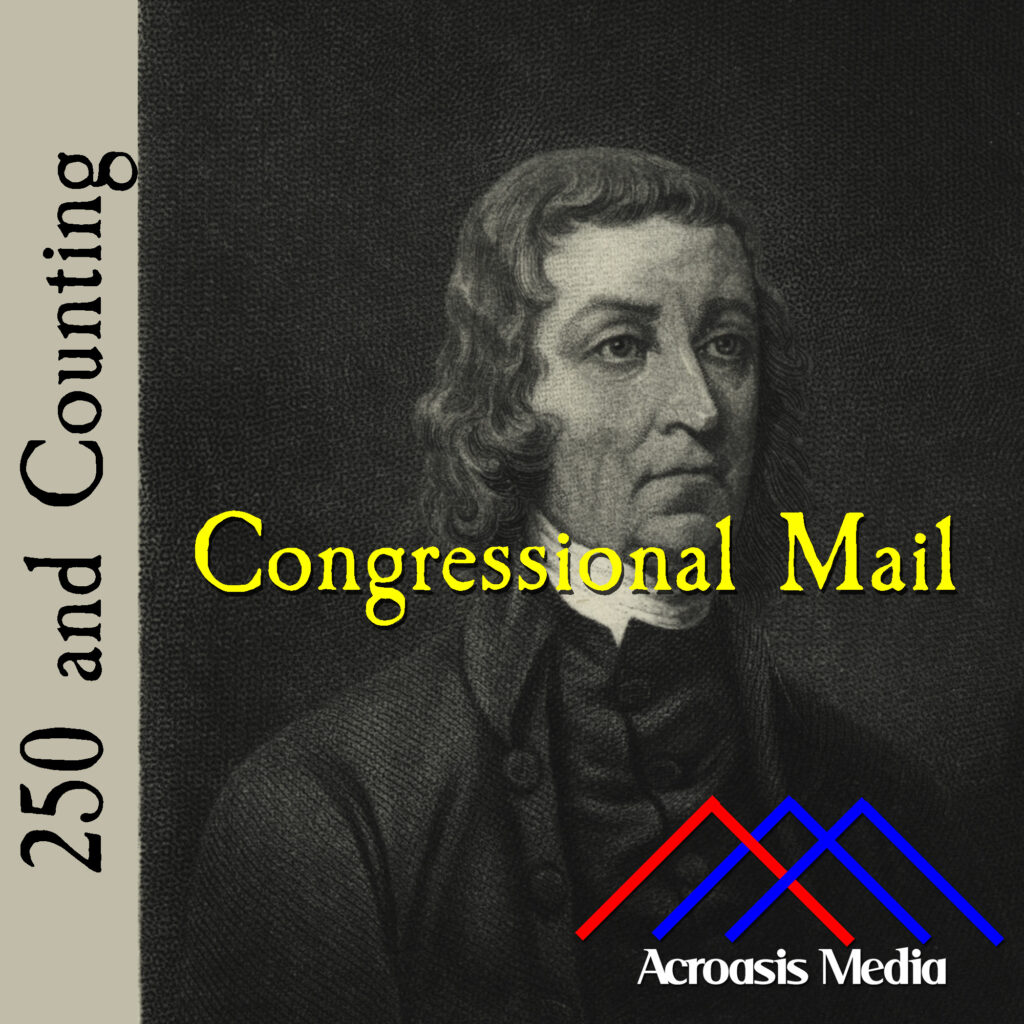
Josiah Bartlett was, in fact, the inspiration for the presidential character who appears in the TV show The West Wing. The modern day president, Jed Bartlet only spelled his name with a single T at the end, but it was only around this time that the spelling of English words was starting to standardize, so Bartlett gets a pass.
Bartlett, of course, was involved in the creation of the state constitution, and while he declined the position of US Senator in 1789 despite the vote, he accepted the position of Chief Executive in 1790. When New Hanpshire adopted a constitution and became a state, Bartlett’s title changed to Governor. In 1794 he resigned because of his health, and in 175 he died.
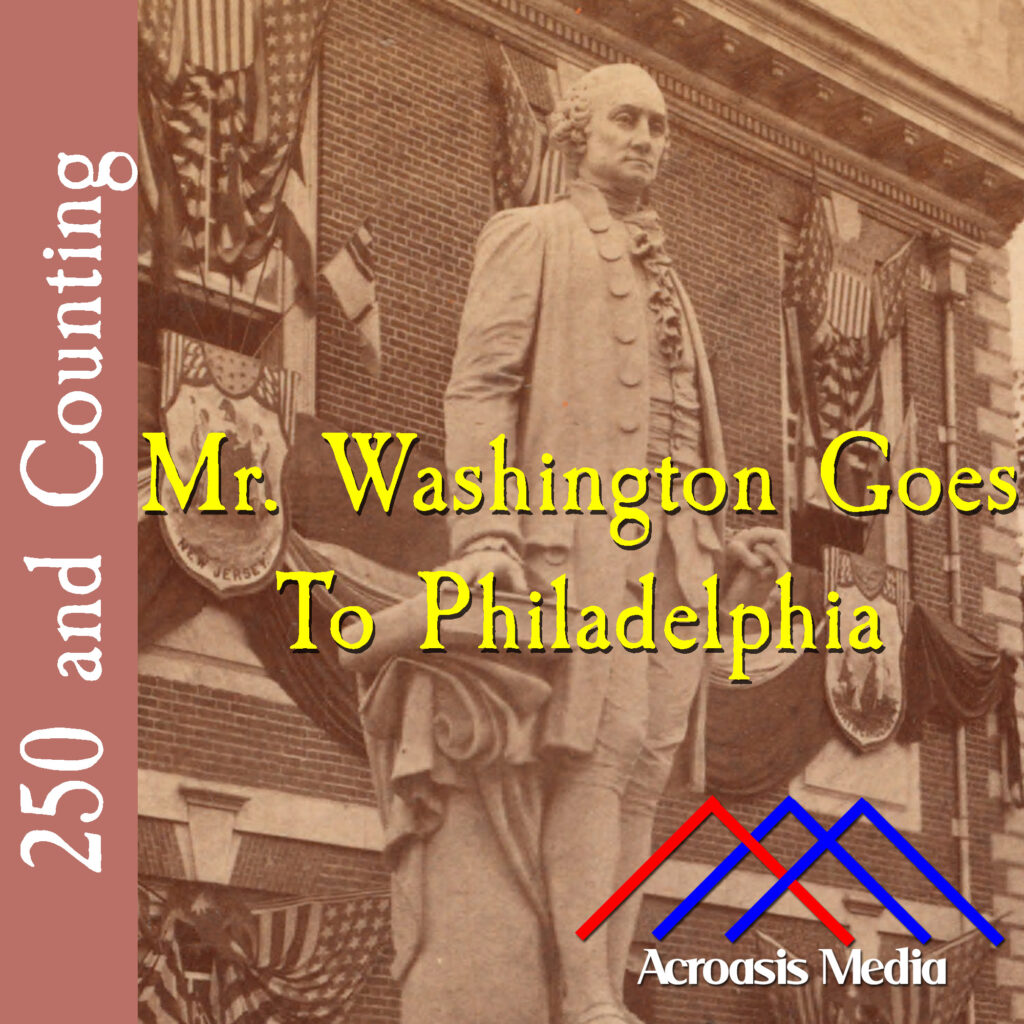
The idea of George Washington in Philadelphia sounds kind of like a no-brainer, but with dealing with a war against the greatest army in the world, plus having to put up with ill-trained troops to fight that war, he was a busy guy and didn’t get out there much.
Later on, after the war, of course, it was a common sight. But given Washington’s post-war stature as the soldier who delivered American victory, plus his stint as our first President—and the man who set many of the precedents for Presidential behaviors and ceremonies—it makes sense that Philadelphia would erect a statue to honor him, and park it right in front of Independence Hall.
The first statue of Washington in Philadephia was erected in 1869 and dedicated by the mayor. After about 40 years it began to show signs of the weather and overall climate getting to it, so a decision was made to replace it with a bronze replica and move the marble version to an indoor location. It now stands inside Philadelphia’s City Hall, while the bronze one still stands outside Independence Hall, where it has been since 1910.
Today, Mike takes you to this day in 1776, when Washington felt he had no choice but to speak to Congressional delegates himself
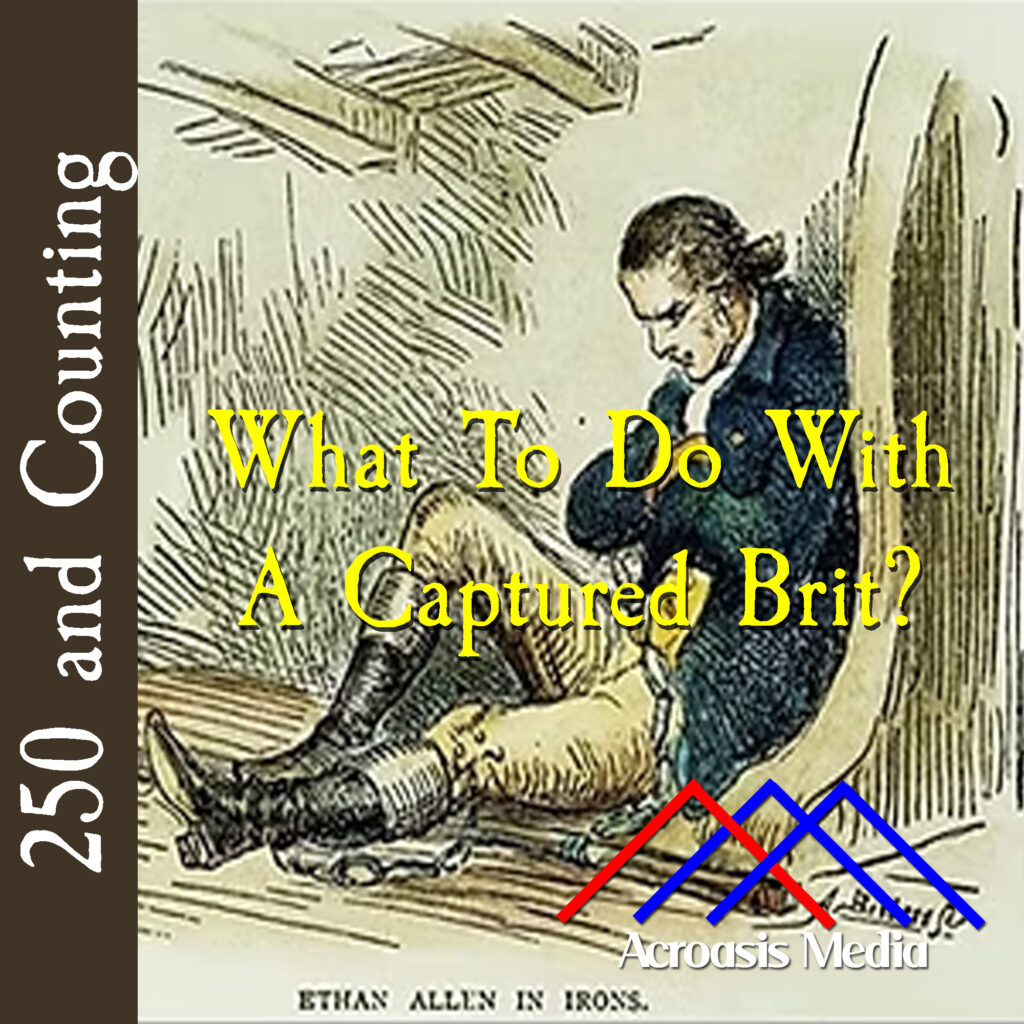
Early in the war, it became apparent that the treatment of prisoners was going to be a very lopsided affair.
British soldiers were treated humanely and with dignity. American soldiers…not so much. As we noted last August, when Americans were captured they weren’t treated as prisoners of war but rather as criminals who didn’t deserve dienity. During the course of the war, over 8000 soldiers died because of the conditions of their confinement.
Despite this, it appears that the Continental Congress, when asked the question directly, determined that the humane route was the most appropriate one. This didn’t really change the British approach, but at least we had a policy, and we had it in writing.
Artemas Ward was the man left in charge of things when Washington made his trek to New York, so you know that this was a man that Washington trusted. As a result they corresponded with one another frequently.
So it only makes sense that once in a while, the two would write to one another on the same day, and this was one of those days. Washington wrote to Ward his concern that the British would return to Boston and therefore the city should be fortified to protect against such an event, and Ward wrote to Washington about a pair of ships that had been captured in the Bay just a couple of days earlier.
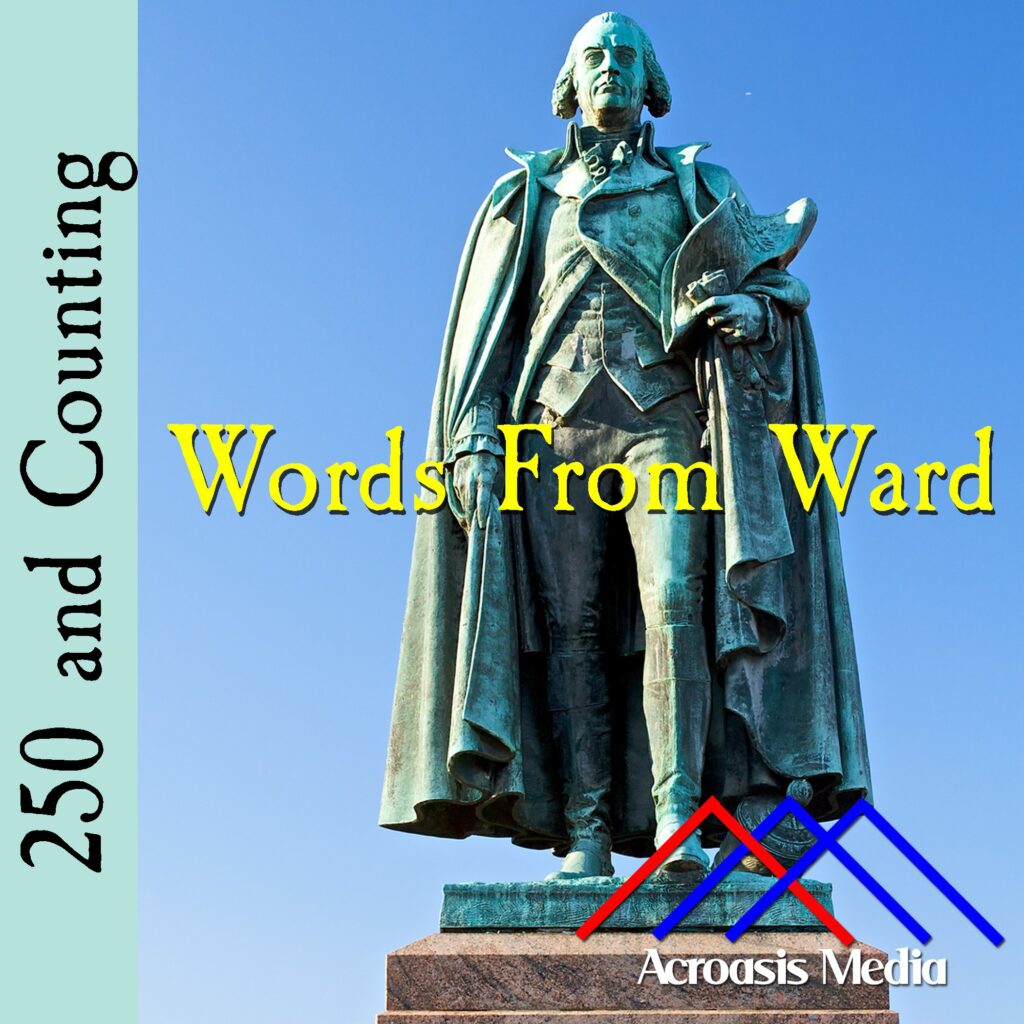
For what it’s worth: Ward Circle, where the statue from today’s cover art is located, is in the middle of a peculiar looking traffic circle on Massachusetts Ave NW. There are no pedestrian crossings that will get you close to it, so if you do choose to make that particular pilgrimage, stop off at the National Cathedral first and ask for divine intervention, ’cause the traffic can easily make that a nightmare to cross.
George Washington was good at what he did because he’d studied military discipline, among other things. He read a lot about tactics and famous battles, and the importance of a well-trained army, and then he would meet with veterans and engage with them to learn what they thought.
During the Seven Years’ War he asked to use some of those techniques with the men under his command. Sometimes, but by no means all the time, was he able to enact some of his ideas.
So when Washington took over the Continental Army in July of 1775, he had some ideas about what that army should look like. And he had generally good counsel coming from other people who’d been through much of the same things as him.
But the problem was that the recruits of the early days of the Revolution weren’t committed to anything more than a single year. They didn’t get much time to learn the things they should have, and as a result they left before they could learn everything they should have, or they did learn what was needed and left anyway. And those who were left behind were still pretty new, and had little sense of military discipline.
So Washington decided he needed to get a little tougher.
It was called the Bayley Hazen Road, named after the two engineers who worked on it, and it was an attempt to make it easier for troops and equipment to get from New England to Canada.
Prior attempts to move materiel were fraught with sickness and the need to navigate various forms of terrain, including waterways and deep mud, which made the journey so much longer that it wasn’t practical anymore.
Bayley proposed creating a road that would not only make it easier to move things, it would cut the overall trip by about a third. What a great idea! thought George Washington. Get on it right away!
In the span of six weeks, they had almost a third of the road completed. And then they realized there was an important tactical problem with the Bayley Hazen Road: like every other road, it runs in two directions.
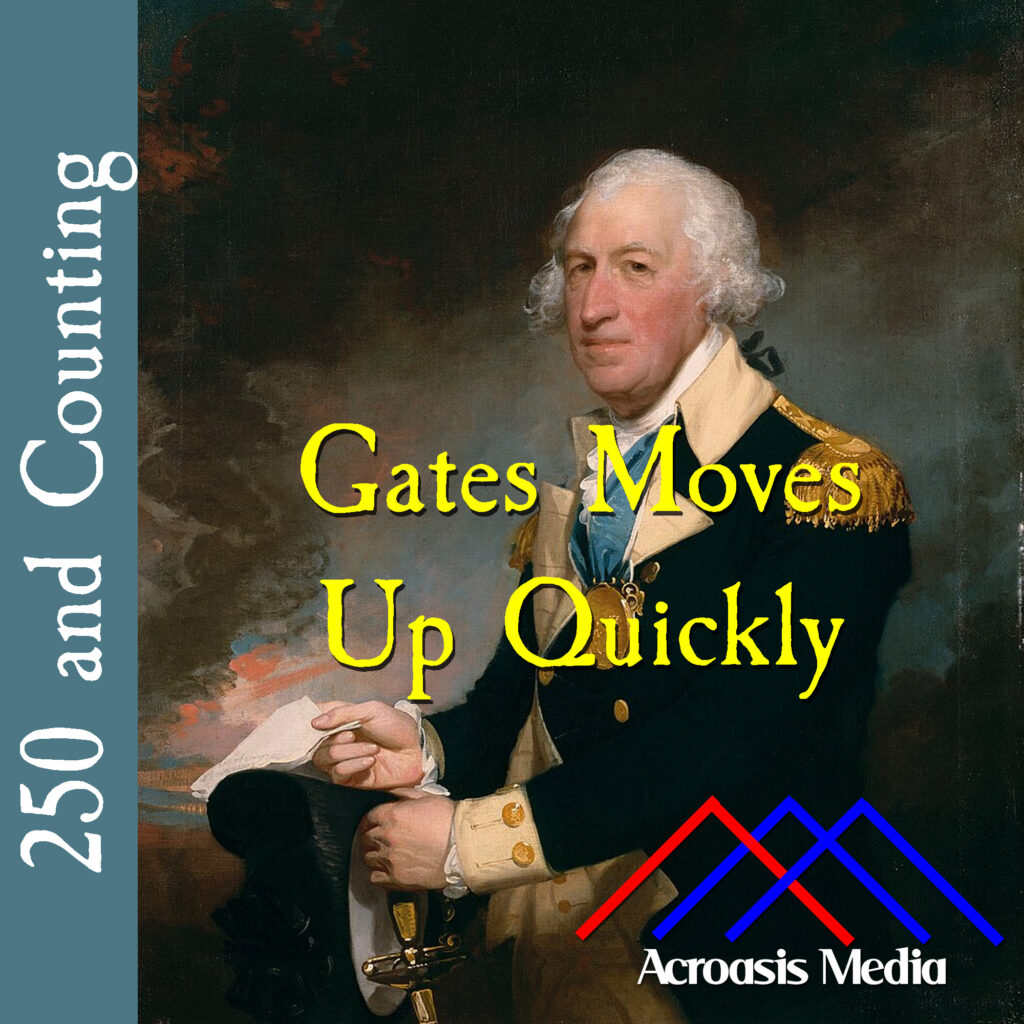
Horatio Gates did move up quickly through the ranks, and partially because he knew George Washington well, but it was also because he had a pretty good handle on getting things done.
As an Adjutant General, Gates was the man who ran the administrative side of the Continental Army, and is now thought of as the US Army’s first Adjutant General. He handled a lot of the logistics of keeping records and ordering supplies, and offered Washington wise counsel when it came to the Siege of Boston. In that respect it appears that he prevented Washington from acting rashly now and then.
But Gates was anxious to get a field position, and just a few weeks after this date, he was assigned to the Canadian Department with the new rank of Major General. Some intramural disputes followed as the Continental Army began to retreat from Canada, but were quickly settled.
Unfortunately Gates’ ambition got the better of him, and as the year wore on, he left his troops to attempt to talk the Congress into having him replace Washington as Commander in Chief.
Later, Horatio Gates was present when General Burgoyne surrendered at Saratoga. He tried to parlay this into political gain, but his status began to falter for the rest of the war, to the point where he was nearly court-martialed. Shortly thereafter he retired and lived in Virginia, and then New York City, until his death in 1806. He was buried in the Trinity Church graveyard in lower Manhattan, but the exact site of his grave is unknown.
Jonathan Trumbull was first and—for a while—the only Colonial Governor to support the American Revolution. (Most of the other colony leaders either didn’t hold that title, or remained quiet, as if hedging their bets.)
Througout the Revolution, Trumbull supported the troops in general and George Washington in particular, and was often a close advisor to Washington on military matters.
So it was a little bit of a surprise when Washington wrote to Trumbull, noting some of the problems he’d had with Trumbull’s recent decision to move a bunch of soldiers northward.
On a side note: there aren’t a lot of portraits of Govenor Trumbull around. That’s one of the reason I’ve used this picture before. The other reason is that I just think it’s neat.
When Henry Knox wrote to George Washington apologizing for getting to Noweich,Connecicut so late, he had a pretty good excuse: he spent a bunch of money on hiring people to move materials down; and those people had trouble getting the job done.
But then Henry Knox also tells the story of leaving the caravan briefly to look at Newport RI and determine whether it’s defensible. Imagine how he felt when, after he spent two days figuring out the five best places to stand when defending Newport, he has to explain why he lost those two days afterward. But he did take the time to frame it as an activity that surely would make the Commander-in-Chief look better.
One of the things I really appreciate about reading documents from this era is just how polite they were; George Washington’s letter to the NY Committee of Safety, when you read between the lines is an admonition wondering if that august body had lost their damn minds.
One of the best examples of this is the Declaration of Independence itself. As Aaron Sorkin describes it in an episode of The West Wing:
[N]ever has a war been so courteously declared. It was on parchment with calligraphy, and “Your Highness, we beseech you on this day in Philadelphia to bite me, if you please.”
However, we’re getting ahead of ourselves; that doesn’t happen for another couple of months (and not when you think!).
At any rate, Washington was correct in his assessment that it didn’t make a ton of sense for New York to supply the British while at the same time opposing them. At the same time he didn’t accuse them directly; he played it very cool and suggested that the NY Committee of Safety could get a lot of credit if they’d do as he suggested.