Category: Marines History

  • The Raid on New Providence–March 3, 1776

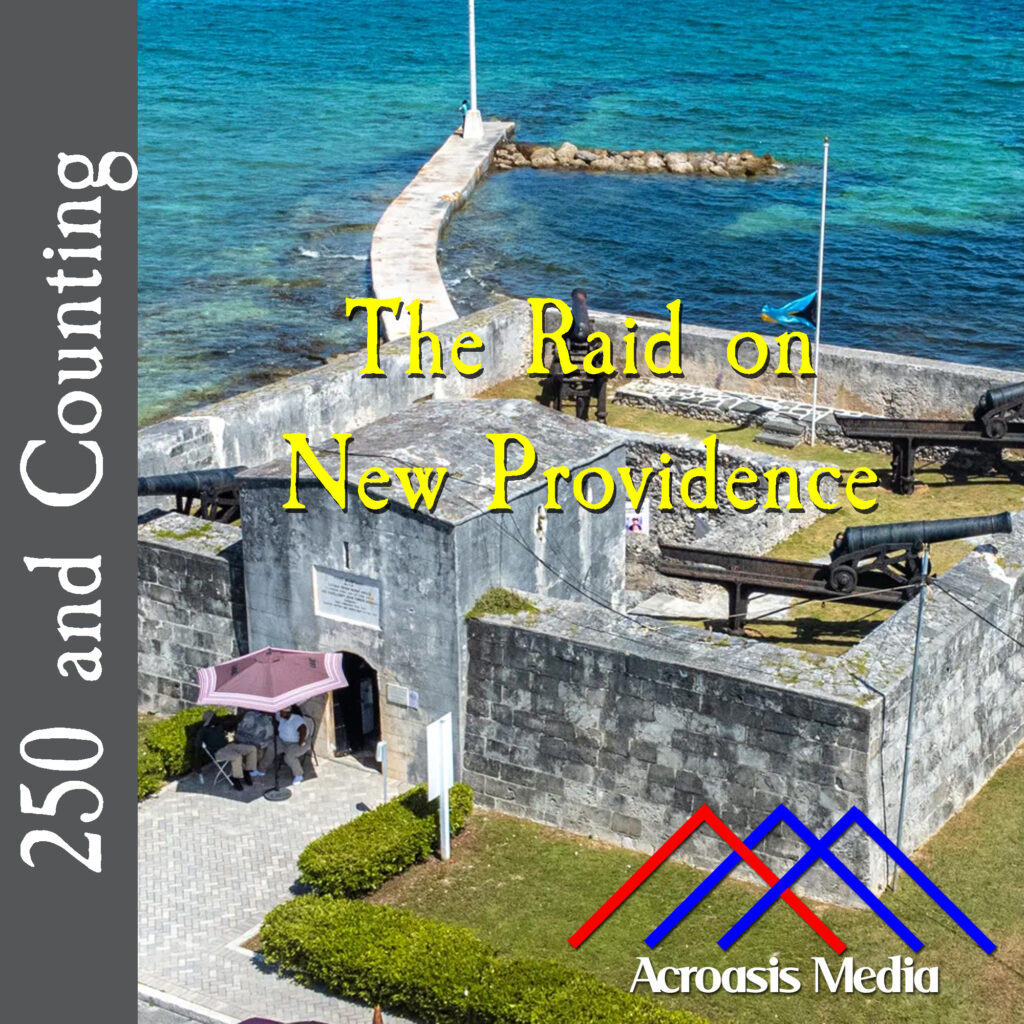
    Cover art for March 3, ,1776: A modern-day view of Fort Montagu.

    The raid on New Providence is probably one of those situations where we couldn’t really represent everything that was going on on this particular island, because there were a lot of moving parts. We especially overlooked the part at the end.

    Two of the ships went to St. Augustine, laden down mostly with gunpowder. Of the others, they headed further north, where they encountered the HMS Hawk and then the HMS Bolton. They ended up caputuring both ships.

    Then they bumped into the HMS Glasgow off the coast of Long Island. Despite being outnumbered, the Glasgow got away while simultaneously damaging one of the Navy ships.

    Initially, the Navy was given kudos for the raid, but the failure to capture Glasgow, plus complaints about some of the captains in the fleet led to investigations and courts-martial. One ship’s captain, that of the Providence, lost his command and it was given to John Paul Jones. Division of the spoils was also disputed. The commander of the entire action, Esek Hopkins, was censured for not patrolling the Virginia and Carolina Coasts (never mind he was secretly told to do so), and he was eventually dismissed from the Navy.

    What’s more, Nassau remained poorly defended and was subject to capture several times throughout the war.

  • Marines On A Mission–January 4, 1776

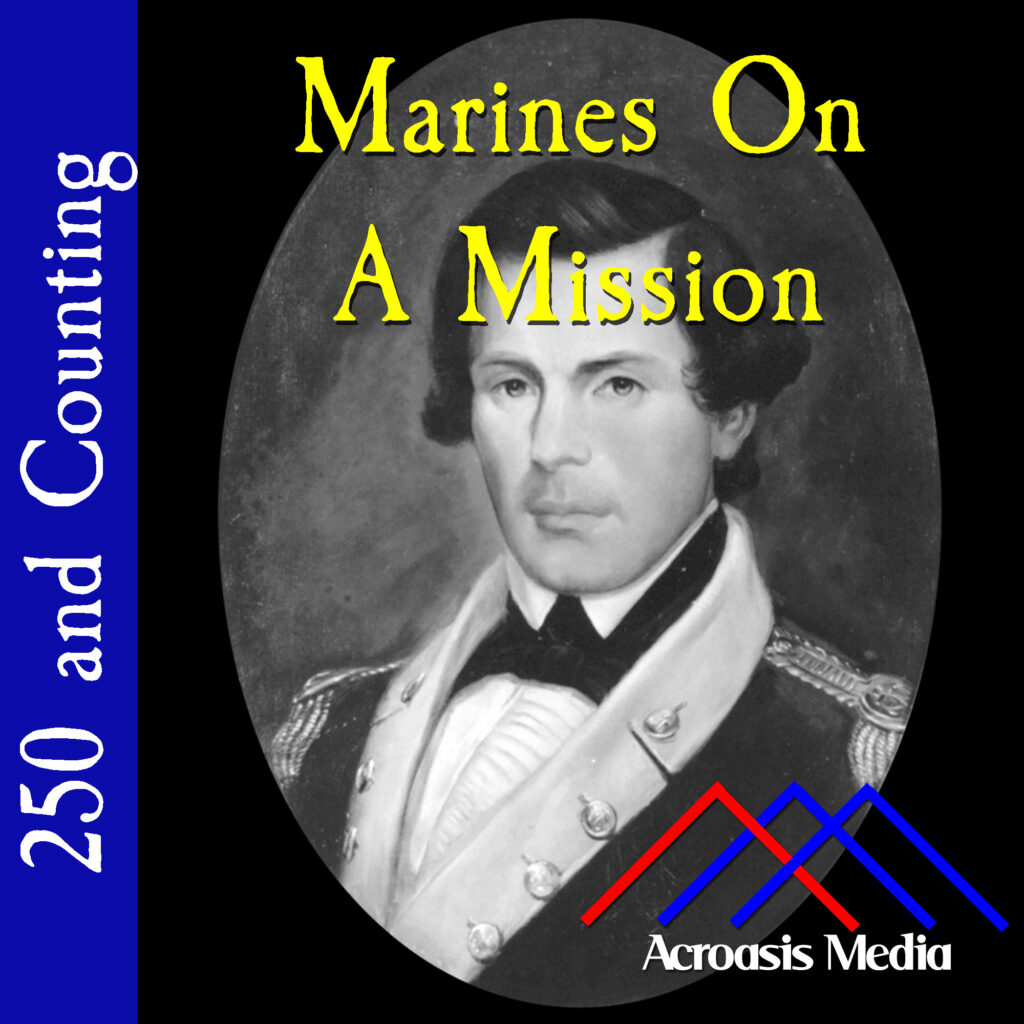
    Cover art for January 4, 1776: Historic Marine Corps portrait of Samuel Nicholas, artist and date unknown.
    Historic US Marine Corps portrait of Samuel Nicholas, their first Commandant. Artist and date of creation unknown.

    Although he held the title “Captain of Marines” at this point, Samuel Nicholas was the first officer commissioned to the Continental Marines (later the US Marine Corps), and by tradition is therefore considered to be the first Commandant of the Marines.

    Hey, are YOU going to argue with the USMC? I didn’t think so. Not me, either.

    Nicholas was commissioned on November 28, 1775, and almost immediately began setting up his recruitment operations in Philadelphia.

    His first major mission, which began on this day in 1776, took him hundreds of miles from the action in America, but with good reason.

    We’ll hear from Samuel Nicholas again in the future, as he was involved in at least one other important battle.

  • Happy Birthday To The US Marines!–November 10, 1775

    Cover art for November 10, 1775: the US Marine Corps' 2008 Birthday celebration at Camp LeJeune. Courtesy of the US Marines. (USMC photo, ID 674; VRIN #081107-M-3189M-001.jpg)

    The United States Marine Corps celebrates its birthday every year on this day, usually with a ball (the dancing kind) and a cake-cutting ceremony. The cover art today is from their 233rd birthday celebration.

    Until 1921, the Marines marked the occasion on July 11, which was the date of the re-establishment of the Corps, since they were disbanded after the Revolution. But John Adams (again) came to the rescue and signed an act to re-organize the Corps. However, July 11 didn’t get a lot of attention. But when Commandant John Lejeune (the guy after whom the camp was named) was asked to draft an order to celebrate the Corps, he wrote Marine Corps Order 47, establishing the original November 10 date as the Marines’ birthday.

    Also, for what it’s worth, the “halls of Montezuma” refers to Chapultepec Castle in Mexico City (left). So yes, it really is a thing, and it’s still standing.

  • July 2, 1775: Do You Know the Button Man?

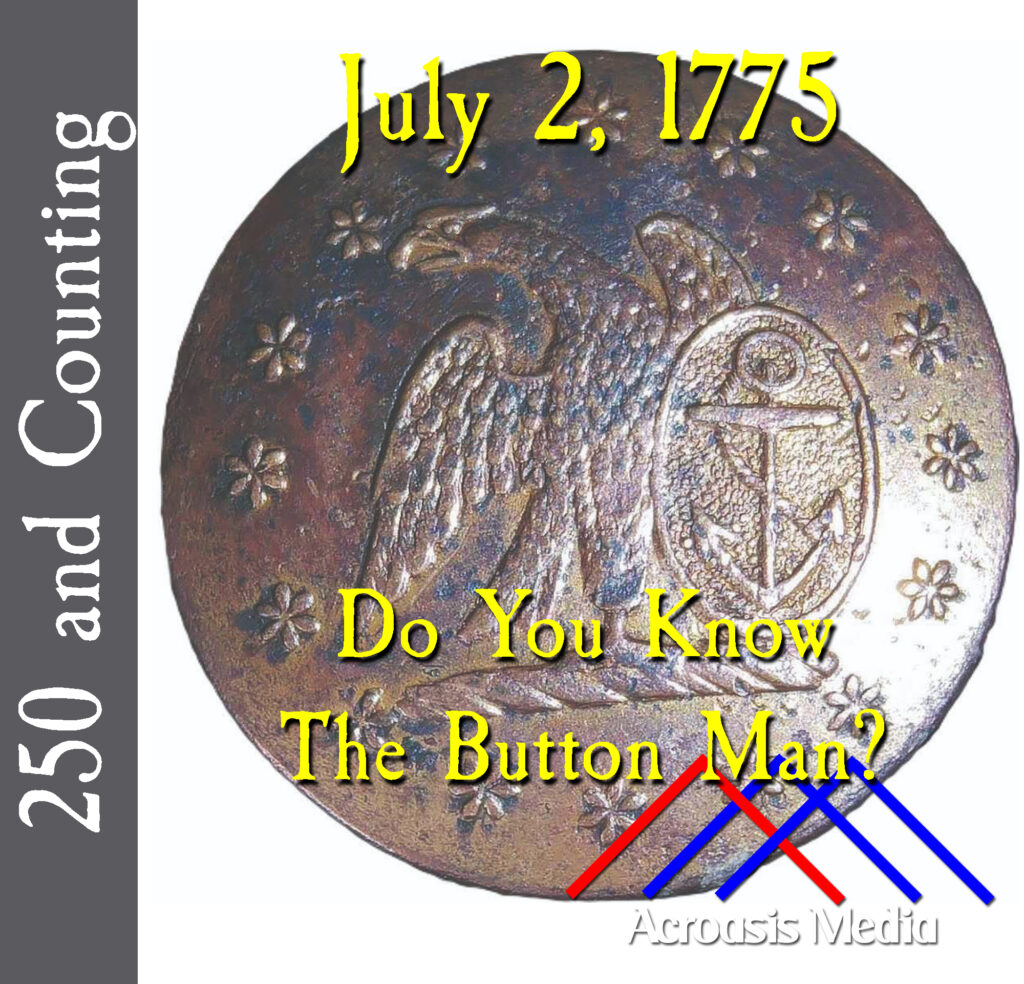
    Cover art for July 2, 1775: The "NA 57D" button created for the US Marines by Aaron Peasley. On the reverse appear the words "A.M. PEASLEY/BOSTON"

    As you listen to today’s episode, it’ll become clear that Mike had way too much fun writing and recording this one. But then again, I wrote the title, so.

    There are plenty of jobs out there that are kind of obscure, in the sense that it’s a job that somebody has, but you never really thought about. For instance, did you know that with some high-end perfumes, the labels are put on manually? Someone’s out there sticking the labels on the bottles, because either the bottles don’t go through the machinery politely, or the levels of quality are low when they’re applied mechanically. So it’s easier to have someone stick on the labels.

    “Buttonmaker” is also a likely profession in this realm, largely because it is so automated these days. But back in the Colonial days, it was a specialty profession, especially since Aaron Peasley, the subject of today’s episode, refined the die sinking procedure used to make buttons then. And except for the specific means of creating the die (it’s done using electrical discharges nowadays), the overall technique hasn’t changed much.

    But his talent didn’t end there. Listen in and see what else he did.

    Additional note: the closeup photo of the button used in the cover art comes from a fascinating article written by 2ndLt. Kevin Rosentreter, USMC, who also took the photo.

    Mike and I alternate on the writing and recording, but the final steps of the show, including the artwork and the show notes, are entirely my responsibility.

    My sincere apologies for not giving appropriate credit. You can read his article here.