Category: Native American History

  • An Intercepted Gift–October 29, 1775

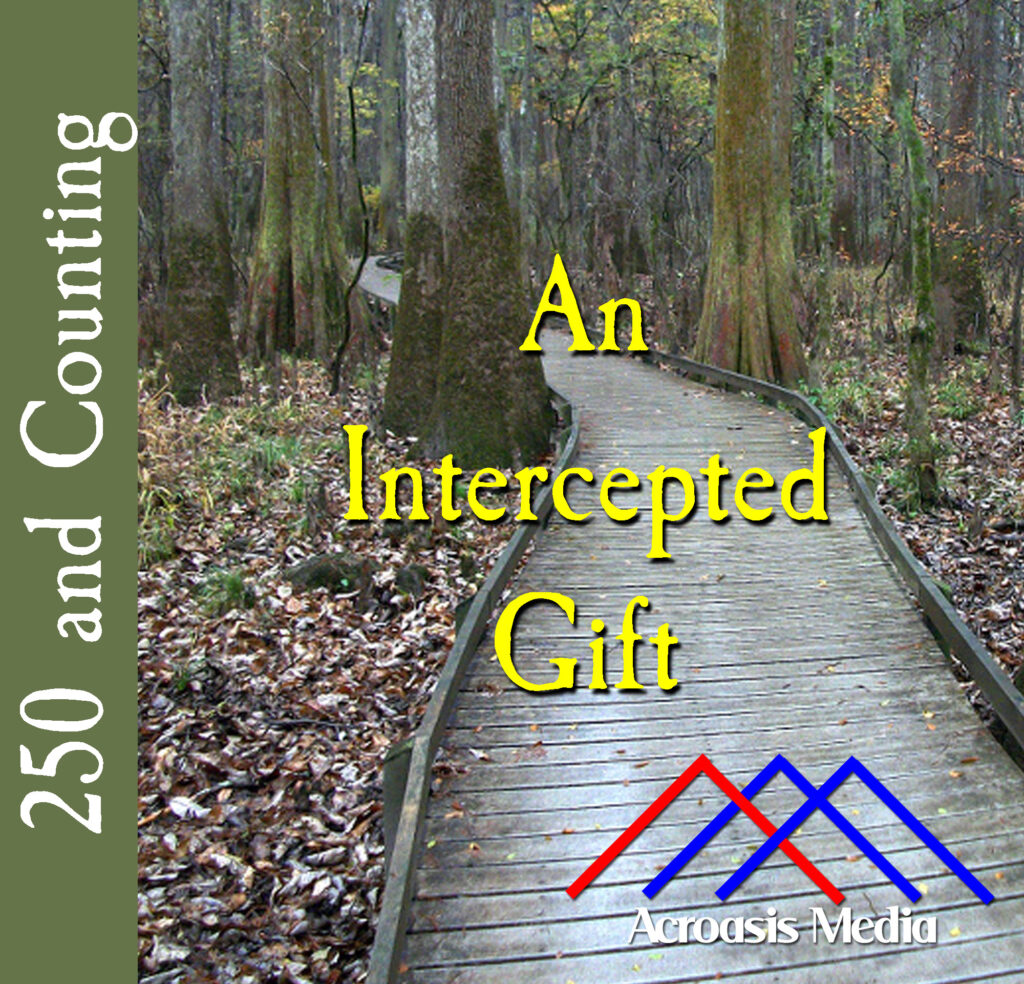
    Cover art for October 29, 1775: A contemporary path through old growth forest in Congaree National Park.

    One of the most fascinating things about this event, and we only got to touch on it briefly in the episode itself, is that some important parts of the story are under dispute.

    What’s not debated is that the order went out to transfer gunpowder and lead to the Cherokees on October 29. What is debated, however, is the date and the place where the materials were confiscated.

    By some accounts, this incident took place on November 3, 1775 in a place called Mine Creek. This is farther inland (by over 70 miles) than reported by Moses Cotter ON November 3, who said it took place at Congaree on October 31. Other than the date and the place, the two stories are nearly the same, right down to the names of the people involved. And, of course, there are historical marker plaques in both locations.

  • John Dabney Terrell Sr.–October 14, 1775

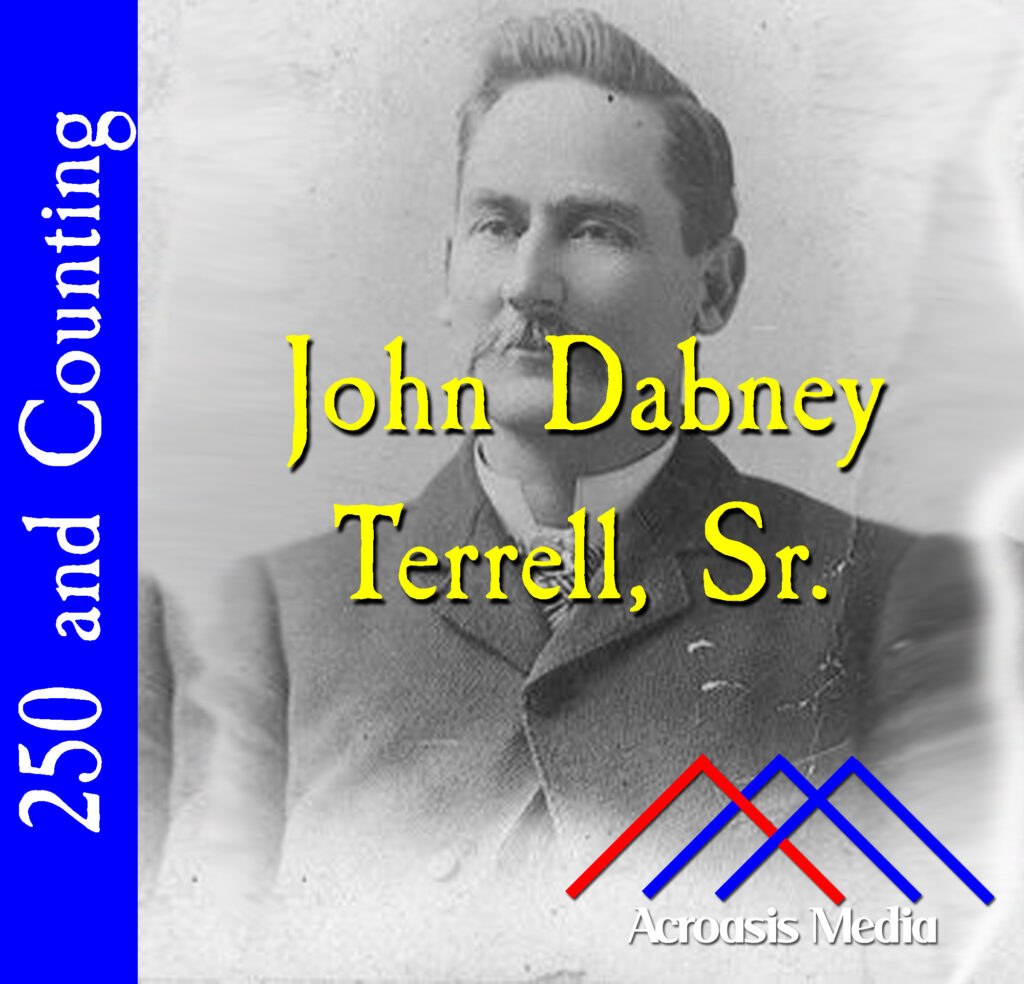
    Cover art for October 14, 1775: photo of John Dabney Terrell Sr. via findagrave.com

    Programming Note: Mike came down with a case of electronic laryngitis, so you’re getting me again for today’s episode. But Mike wrote it, so there’s that.

    John Dabney Terrell Sr. was…not one of our best and brightest Americans, but the work he did will lead us to a bigger story some time down the road. Much of what he did laid down the foundation for the event that became known for the Trail of Tears.

    As if that wasn’t bad enough, he was a slave owner who put some of his slave property (ugh, but that was the legal term) in his son’s name to avoid losing them in a pending lawsuit against him.

    That he did all this and chose to be buried in a very Native American fashion is kind of amazing.

  • September 28, 1775: A Friendly Meeting With The Natives

    Cover art for September 28, 1775: Oil on canvas portait of Rev. Samuel Kirkland painted by Augustus Rockwell in the 1870s.

    First off: let me apologize for not tutoring Mike in the correct pronunciation of “Iroquois.” I’d make him record that part again but he’s at a podcasting conference and away from his studio. (It only looks like a French word, Mike; it’s not pronounced like one.)

    Of course, I grew up in New York so those tribes were kind of beaten into us during Social Studies classes.

    At any rate, we’ve talked in the past about efforts to get the various tribes in upstate New York to join the war effort, but the problem that the Patriots bumped into was that their “family argument” metaphor was taken too well, and the Native American tribes decided that this was exactly the case, and opted to stay out.

    All of them, but one in particular. Tune in and find out which.

  • August 17, 1775: The Six Nations Summit

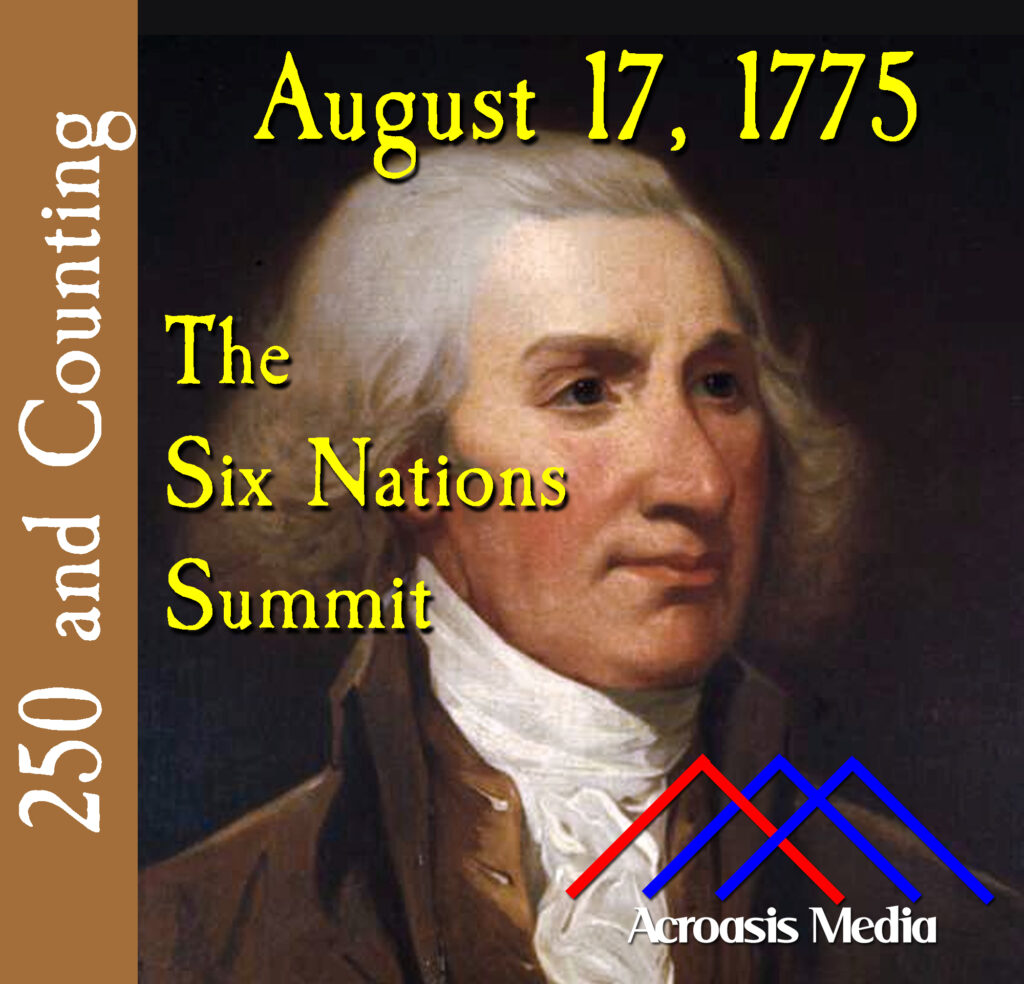
    Cover art for August 17, 1775: Mirror-image copy of a portrait of Philip Schuyler. Painted by Jacob H. Lazarus from a miniature painted by John Trumbull. via Wikimedia.

    Philip Schuyler served as a delegate from New York to the Continental Congress until June 1775 when he was appointed a major general to the Continental Army. We’ll hear more about him as we start to delve into the Invasion of Quebec later this year.

    Schuyler was on his way to Saratoga, NY when he got word that the tribes of the Six Nations—the Mohawks, Oneidas, Tusscaroras, Onondagas, Cayugas, and the Senekas (spelled that way then)—had taken Congress up on its offer of a summit and were on their way to Albany. What’s more, he was needed for the summit.

    What happened next came as a surprise to…well, nobody, really. But at least everyone knew where everyone else stood. And if that was the locals’ attitude, it wasn’t their fault; the Speech to the Six Nations laid out their argument for them.