Category: New Hampshire History

  • The Last Signatory–November 4, 1776

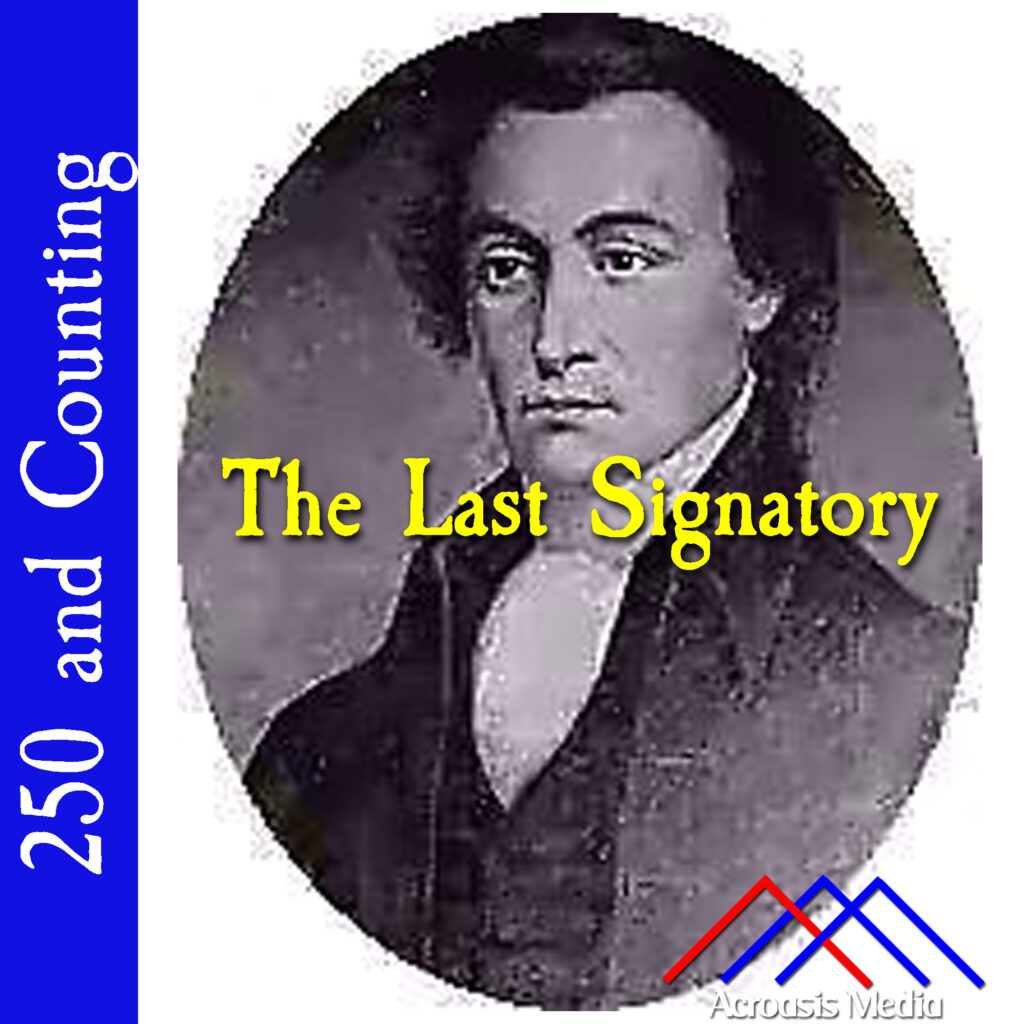
    Cover art for November 4, 1776: image of Matthew Thornton from a 19th-century steel-line engraving printed on paper, artist unknown. Via Wikimedia Commons.

    The curious thing about Matthew Thornton’s being the last person to sign the Declaration of Independence isn’t why it took so long for him to get it done.

    He wasn’t appointed to the position until after all the debate had taken place, so it was rather gracious of the Continental Congress to let him sign in the first place. But, they were holding that “all-in” attitude, so he may not have had a choice.

    And because of all the doings and goings-on in the New York area, travel from New England to Philadelphia was dangerous for most civilians, never mind the ones who are out there representing the rebellious government. So sure, he gets a pass for taking his time getting to Pennsylvania.

    No. The part I don’t get is, if he could pick any space to put his signature, why he put it where he did. Now, all the others signed their names as a colonial/state group, e.g. Button Gwinnett, Lyman Hall and George Walton were all from Georgia, so their names appear together. Josiah Bartlett and William Whipple are also from New Hampshire and they’re together. But Samuel Adams signed immediately below Whipple, so there wasn’t any space for Wharton to squeeze his name in, so it’s at the bottom-right of the document.
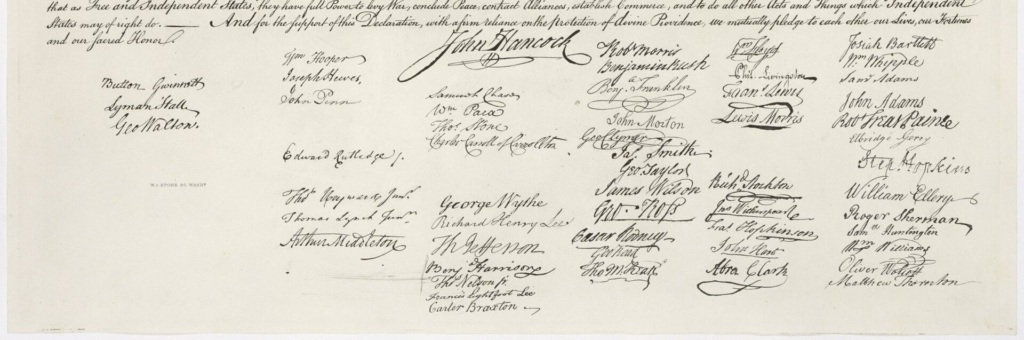
    But look at that gigantic space at the bottom left! Why did he group himself with the Connecticut crowd? Did he not want to be thought of as a Georgia man?

    It’s a mystery.

  • The First State Constitution–January 5, 1776

    Cover art for January 5, 1776: the manuscript for the first New Hampshire constitution. Via New Hampshire Secretary of State social media account.
    The manuscript for the first New Hampshire constitution. Via New Hampshire Secretary of State social media account.

    It’s fun to say that the New Hampshire Constitution was the first time that an American commonwealth constitution, and that several of the others quickly followed, as though a dam had broken.

    But the fact is, the various colonies were putting together their own constitutions at the urging of the Second Continental Congress, and New Hampshire just happened to be the first.

    That said, let’s not take away from them the fact that they managed to get it done with a great deal of efficiency, and I’m also impressed at the way they got the subsequent documents done. But you’ll have to listen to the episode to hear that.

    Oh, yes: I promised you the recipe for Martha Washington’s cake she served for her Twelfth Night party. This comes from the New England Historical Society.

    Take 40 eggs and divide the whites from the yolks and beat them to a froth. Then work four pounds of butter to a cream and put the whites of eggs to it a Spoon full at a time till it is well work’d. Then put 4 pounds of sugar finely powdered to it in the same manner then put in the Yolks of eggs and 5 pounds of flour and 5 pounds of fruit. 2 hours will bake it. Add to it half and ounce of mace and nutmeg half a pint of wine and some fresh brandy.

    It was a big honkin’ cake.

    Bon appetit!

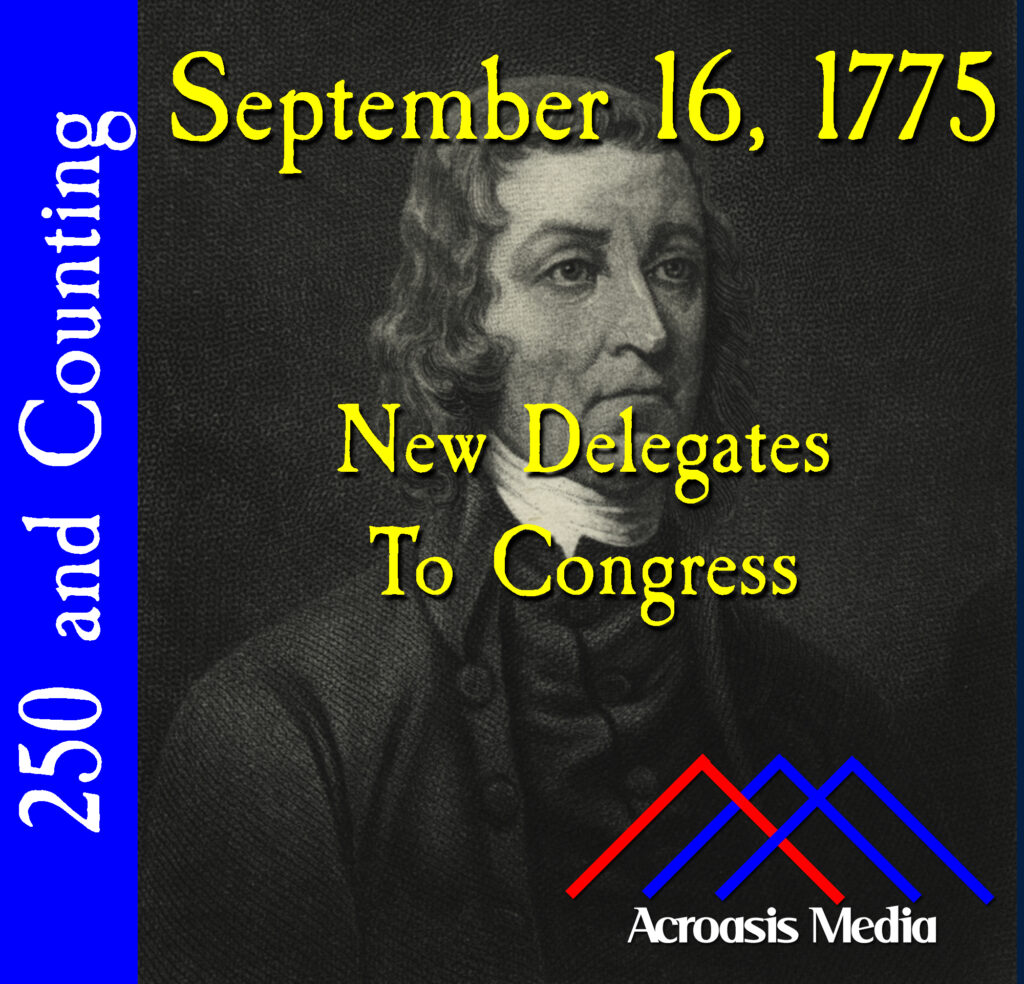
  • September 16, 1775: New Delegates to Congress

    Cover art for September 16, 1775: Josiah Bartlett, painted by Edwin Tryon Billings, mezzotint, after a portrait by John Trumbull. The original by Trumbull hangs in the State House in Concord, New Hampshire. via Wikimedia and the New York Public Library.

    So obviously this Josiah Bartlett isn’t the guy on The West Wing, in part because President Bartlet is fictional. (Okay, maybe entirely because of that.) But he is supposed to be a direct descendant of the Founding Father. Why, and when, the terminal T dropped off was never explained.

    Anyway, Josiah Bartlett and John Langdon both arrived in Philadelphia from New Hampshire as delegates to the Continental Congress, and they both fought in the war, plus they were around for the Constitutional Convention—so there’s a lot of history between them.

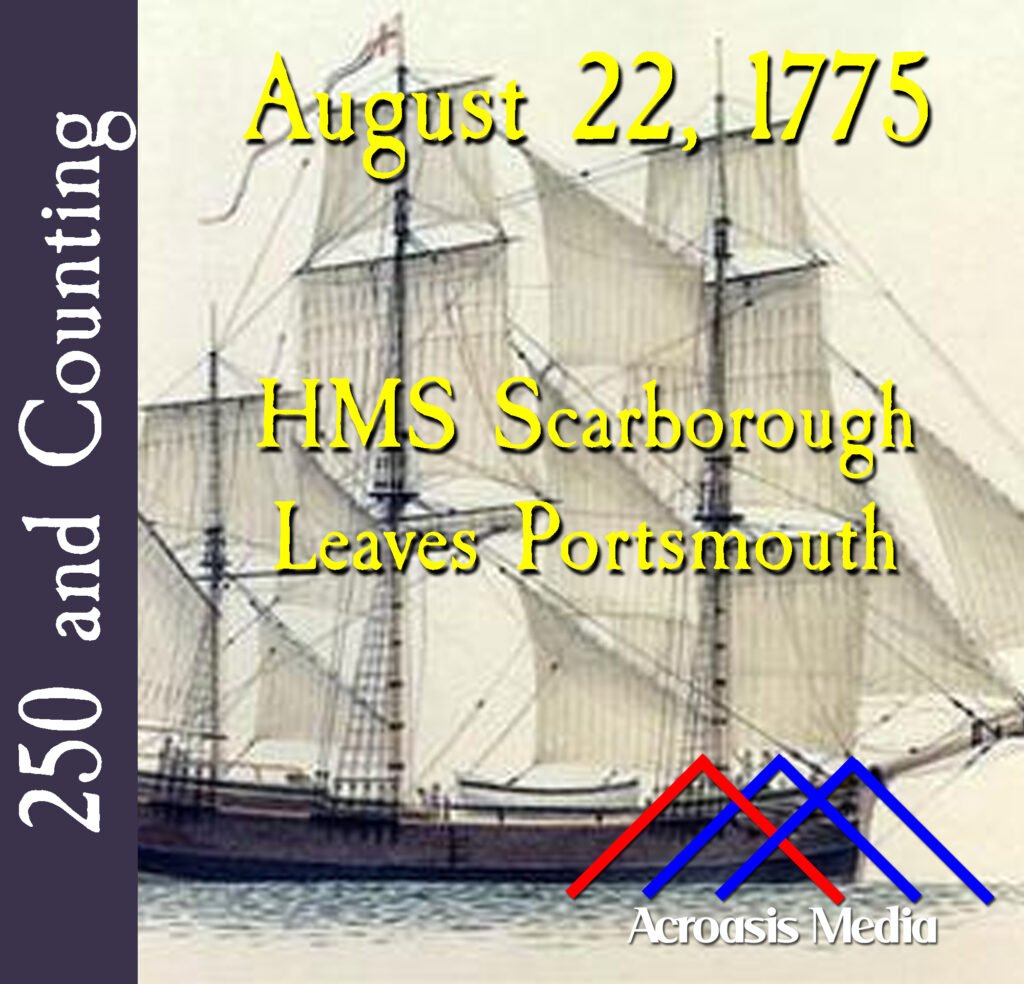
  • August 22, 1775: HMS Scarborough Leaves Portsmouth

    Cover art for August 22, 1775: the HMS Scarborough

    Things were heating up all over, but it was still especially prevalent in the northeast. This time around, problems are cropping up in New Hampshire.

    The HMS Scarborough was designated to keep the peace by patrolling the mouth of the Piscataqua River, but when relations broke down between the British and the colonists there (and with good reason), when the ship ran out of supplies they had to re-locate. So naturally they headed to…um, Boston.

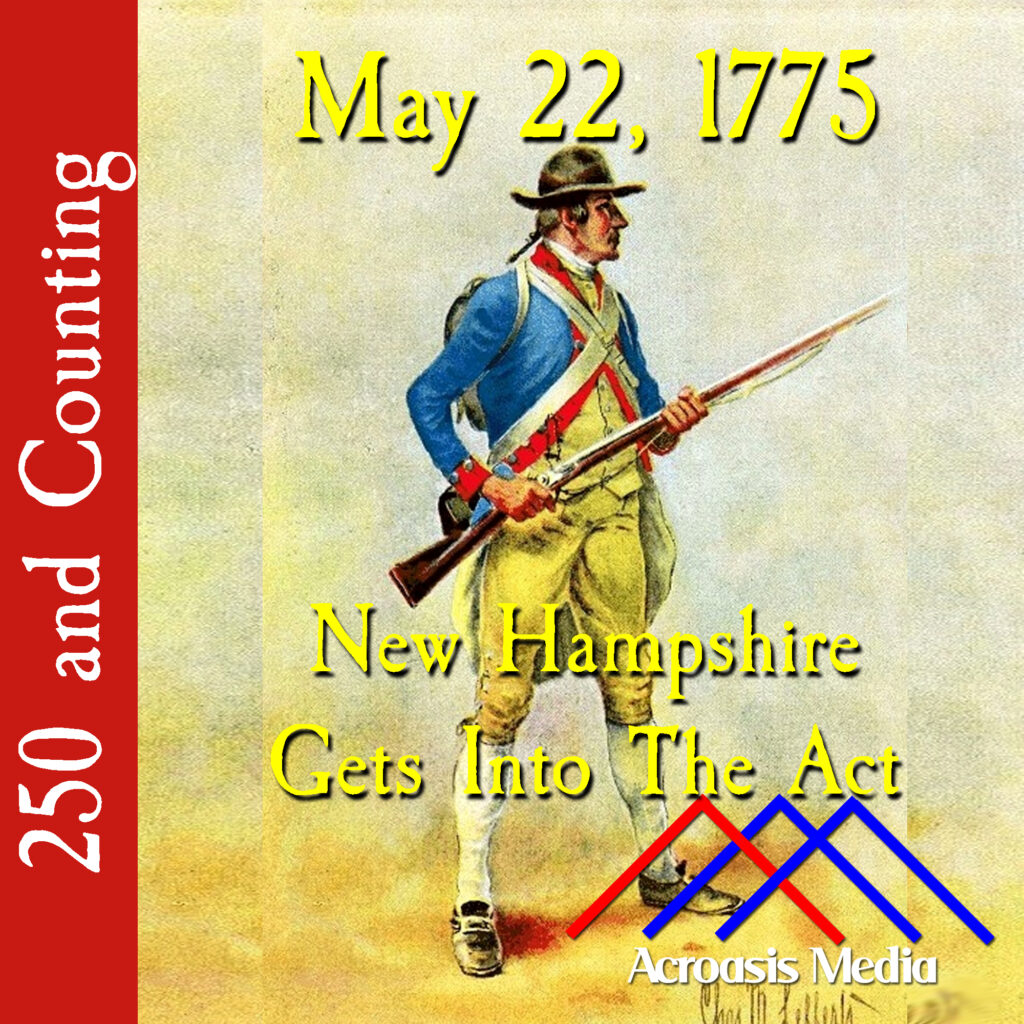
  • May 22, 1775: New Hampshire Gets Into the Act

    Cover art for May 22, 1775: "Private of the 2nd New Hampshire Continental Infantry" by Charles M. Lefferts, 1910.

    Up until now, New Hampshire has been rather quiet when it came to resisting British rule. But today was the day that “Live Free or Die” was more than a motto for their license plates, which had yet to be invented.

    New Hampshire already had militias, of course, but they had a much broader range of available men from whom to choose. In addition, they organized themselves into a tight fighting force quicker than anyone imagined they would.