When Henry Knox wrote to George Washington apologizing for getting to Noweich,Connecicut so late, he had a pretty good excuse: he spent a bunch of money on hiring people to move materials down; and those people had trouble getting the job done.
But then Henry Knox also tells the story of leaving the caravan briefly to look at Newport RI and determine whether it’s defensible. Imagine how he felt when, after he spent two days figuring out the five best places to stand when defending Newport, he has to explain why he lost those two days afterward. But he did take the time to frame it as an activity that surely would make the Commander-in-Chief look better.
So we’re here once again: the battle ended with the British retreating into the city of Boston, and holding siege there for the better part of a year, until Washington was given several cannons brought down from Fort Ticonderoga, which vastly improved his shooting range.
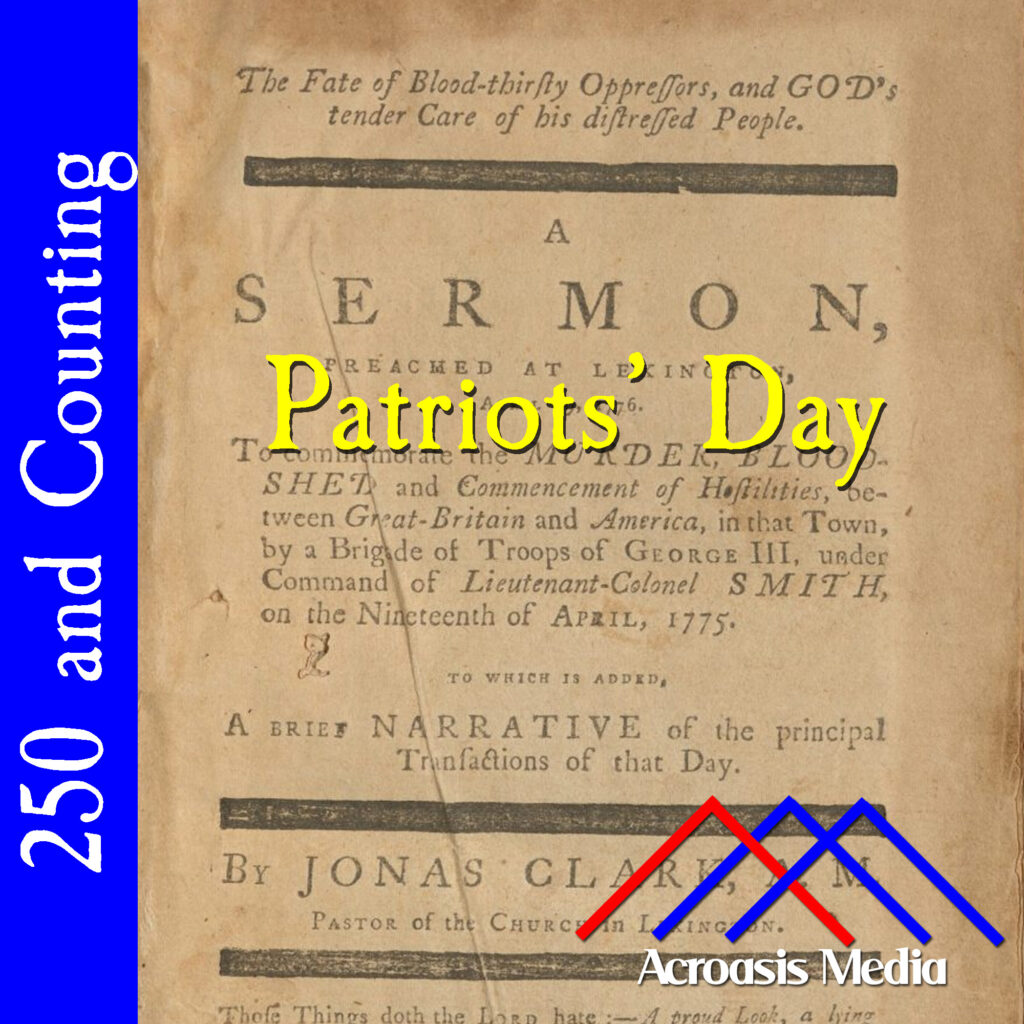
A year later, Reverend Jonas Clark marked the day with a sermon that is nearly 40 pages long in its published version. He used a lot of harsh rhetoric in his sermon, casting the British as though they were Satan’s owm minions:
They approach with the morning’s light; and more like murderers and cut-throats, than the troops of a christian king, without provocation, without warning, when no war was proclaimed, they draw the sword of violence, upon the inhabitants of this town, and with a cruelty and barbarity, which would have made the most hardened savage blush, they shed INNOCENT BLOOD!
The sermon does come back around to God, noting that:
And from the nineteenth of April, 1775, we may venture to predict, will be dated, in future history, THE LIBERTY or SLAVERY of the AMERICAN WORLD, according as a sovereign God shall see fit to smile, or frown upon the interesting cause, in which we are engaged.
So…God picks favorites, so long as we humble ourselves before Him and trust in His name.
Incidentally, I first heard about the children walking from Acton to Concord on the Julie Mason Show, on SiriusXM’s POTUS Channel. she had very fond memories of this, so I dug around a little to discover whether this activity was still going on all these years later. If anything, it’s grown!
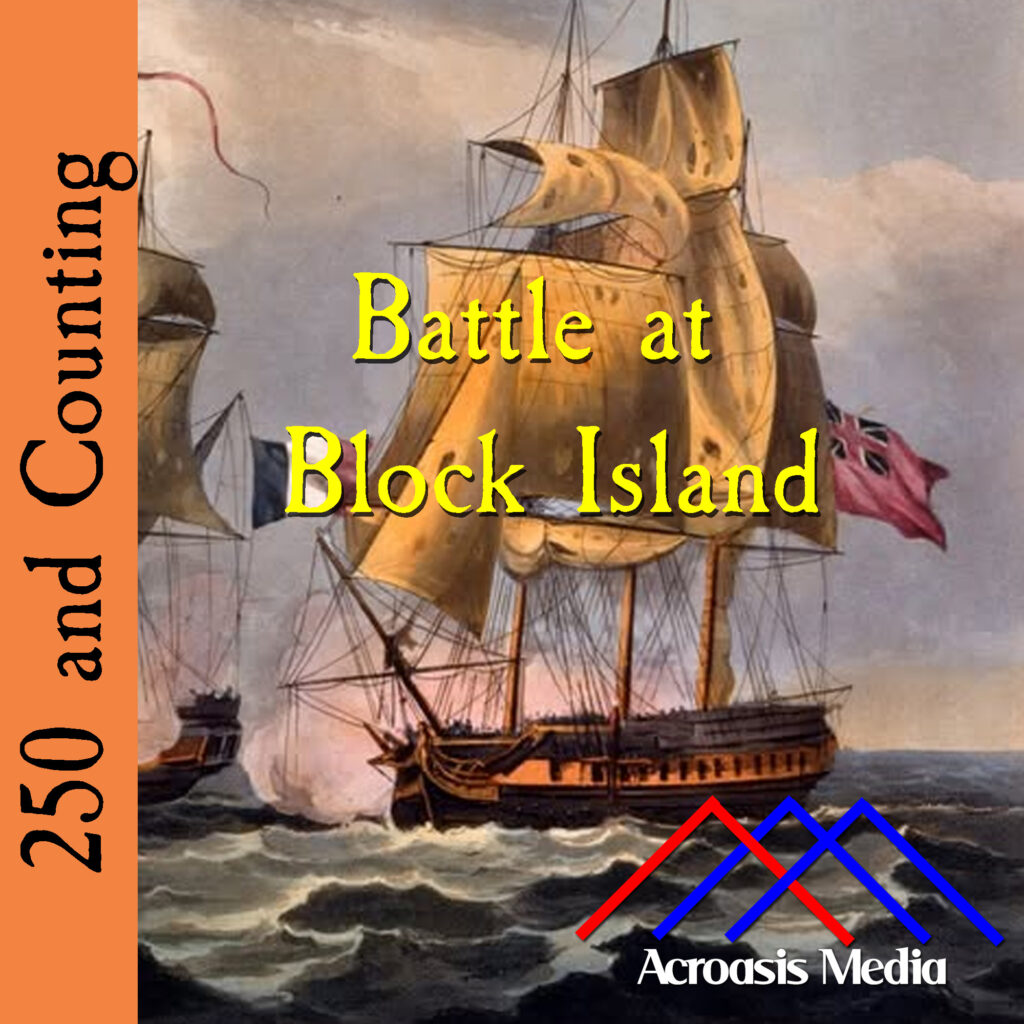
When you have seven ships and you encounter a single ship belonging to the enemy, the Battle of Block Island teaches us that it’s still possible to be overconfident.
Some people tried to frame the Battle of Block Island as a draw, but those people really weren’t paying attention. The HMS Glasgow took some damage, but far more damage was done to the ships that engaged her: The Cabot had its steering disabled and mostly just got in the way, the Alfred lost its tiller as well and also served as an obstacle. Providence held back and was undamaged; Columbus came in late and her fire was ineffective; likewise the Andrew Doria, which got stuck behind the Alfred. And the Glasgow got away, besides.
Between Esek Hopkins’ earlier disobeying of his orders and now this debacle, among other transgressions, he was formally censured. By 1778 he had been dismissed altogether from the Navy.
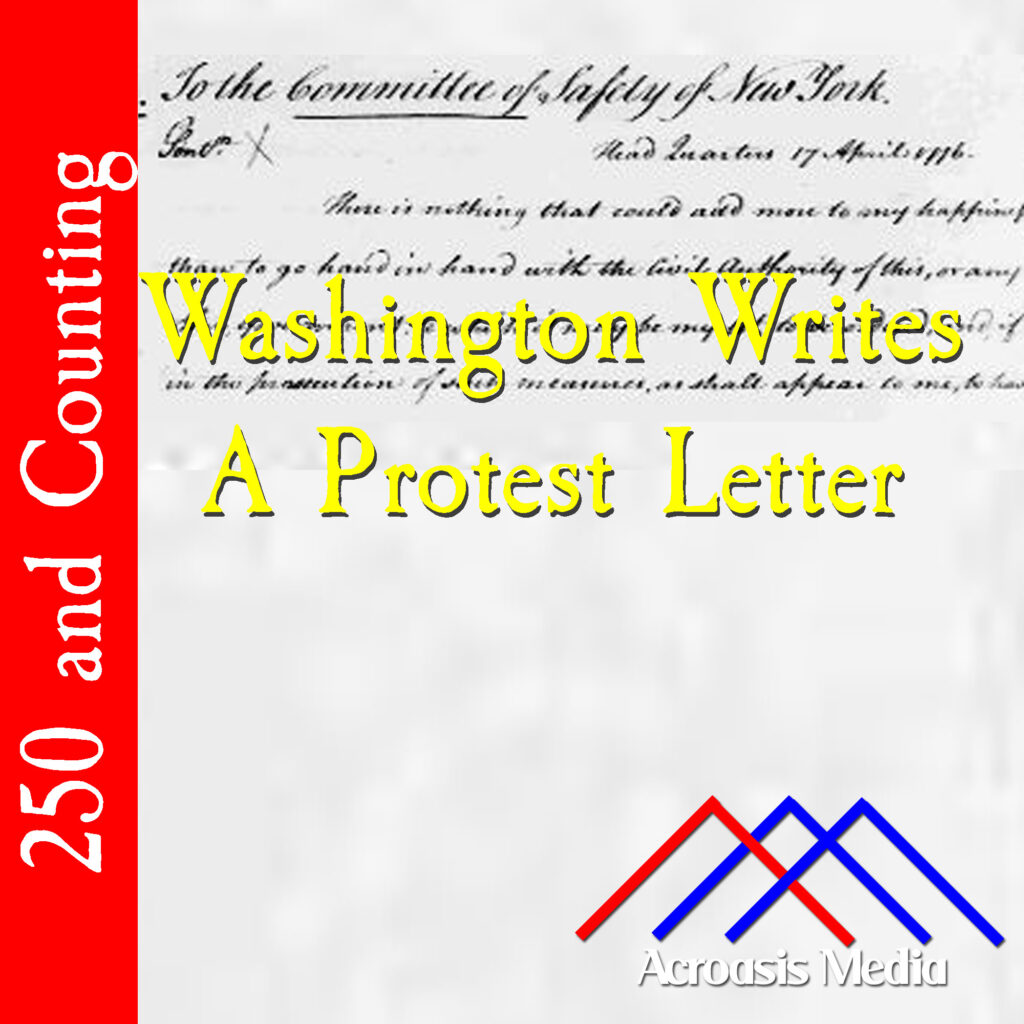
One of the things I really appreciate about reading documents from this era is just how polite they were; George Washington’s letter to the NY Committee of Safety, when you read between the lines is an admonition wondering if that august body had lost their damn minds.
One of the best examples of this is the Declaration of Independence itself. As Aaron Sorkin describes it in an episode of The West Wing:
[N]ever has a war been so courteously declared. It was on parchment with calligraphy, and “Your Highness, we beseech you on this day in Philadelphia to bite me, if you please.”
However, we’re getting ahead of ourselves; that doesn’t happen for another couple of months (and not when you think!).
At any rate, Washington was correct in his assessment that it didn’t make a ton of sense for New York to supply the British while at the same time opposing them. At the same time he didn’t accuse them directly; he played it very cool and suggested that the NY Committee of Safety could get a lot of credit if they’d do as he suggested.
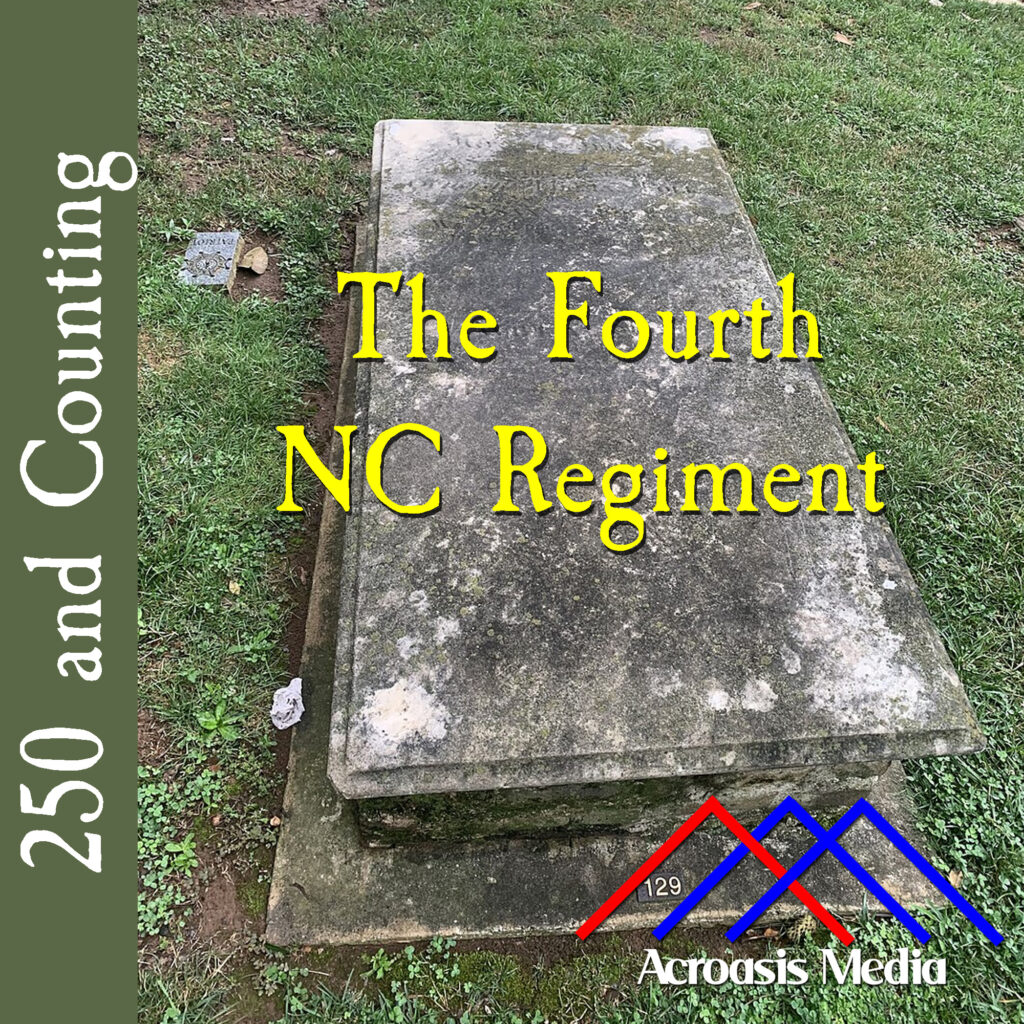
The Fourth North Carolina Regiment got into some interesting battles, but in retrospect it feels as though they didn’t get a ton of love from the Army in general.
(My delaying the show notes probably doesn’t do anything for their ego either, but I was so tired that I was practically hallucinating. But I didn’t want to delay the episode drop, and I didn’t want to do meaningless show notes. And I do thank you for your patience.)
Not long after they organized, they were moved to the Northern Department of the Continental Army, then after a couple of years they were switched back to the Southern Department. Thomas Polk was removed from command without being told about it. They were absorbed by another regiment at one point and then dissolved altogether when the enlistments ran out, so the leaders had to go and recruit more men, meaning they weren’t around when the British took Charleston, SC.
Today’s cover art is the grave of Thomas Polk. That small plate reading “129” is the lot number; there used to be a lovely plaque there identifying Polk as one of the signers of the Mecklenburg Declaration, but it was reportedly stolen. See? No respect.
We’ll hear from them later this year when we talk about the Battle of Fort Moultrie.
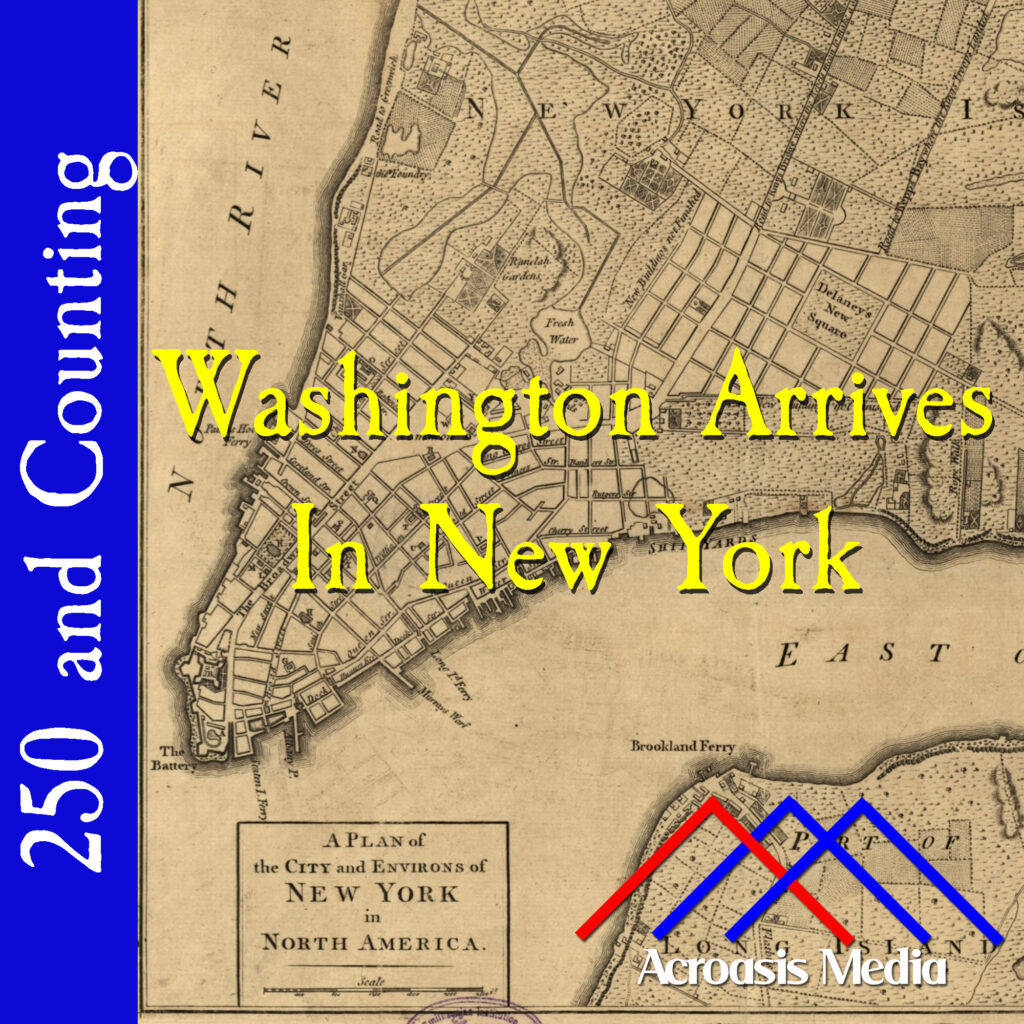
When George Washington arrives in New York, things aren’t quite the way he’d like them to be, but he doesn’t really have time to worry about that.
Construction of Fort Defiance had already begun, and before long the building of Fort Stirling would commence. Even though they were outmanned and outgunned, Washington was going to make sure that if a British victory were to happen in New York, it was going to be a Pyrrhic victory.
About Fort Stirling: like Fort Defiance, nothing remains of the original structure. When the British evacuated the city in 1783, the locals destroyed whatever remained of the fort. It was originally named Fort Half-Moon because of its shape but it was renamed in honor of William Alexander, who was also known as Lord Stirling.
There remains a historical marker in the ground for this fort, at the intersection of Clark Street and Columbia Heights; when traveling west on Clark Street it will be on your right, protected by an iron fence (it’s right behind the fence and easy to see). When the park was created and dedicated in 1925, the Fort Greene Chapter of the Daughters of the American Revolution donated the granite tablet that marks the fort’s site.
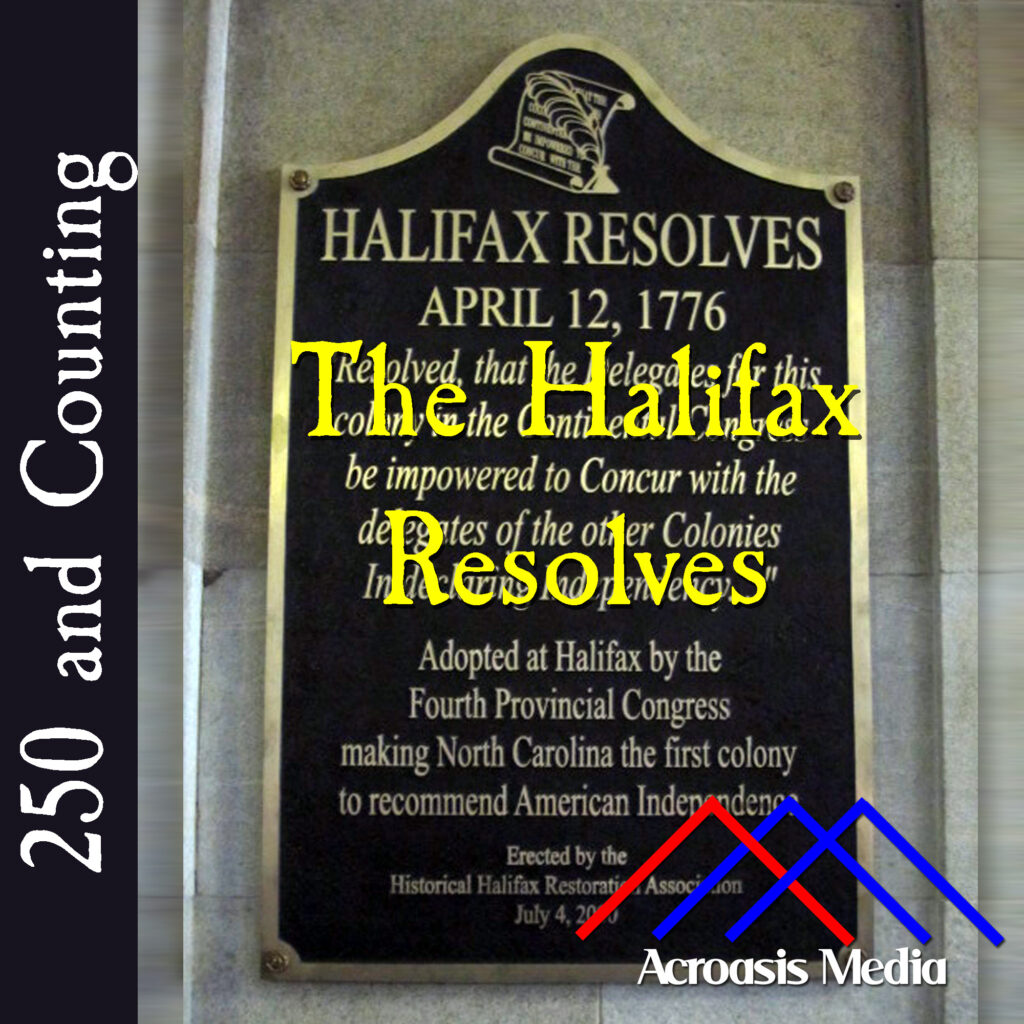
The Halifax Resolves was the first official action in which Independence from Great Britain was actually called for and approved.
I have to admit that in earlier years, when driving up and down Interstate 95, when I got to Halifax County in North Carolina, I’d see a sign saying that this county is “Where the Spirit of Independence Was Born.”
And this didn’t make a lot of sense to me: Most of the action early on was in Boston. Philadelphia is where the Declaration was written and signed. Richard Henry Lee, who proposed Independence, was from Virginia. How does Halifax County get to make this claim?
While there were a lot of smaller things going on on this day in 1776, there are typically multiple things going on for any given day. We often have to make choices regarding what we’re going to concentrate on, and don’t think we don’t feel a twinge of regret when we spot something else that happened on thus-and-such a date and had a moment of “Man, I wish we’d done that one.”
So today we were fortunate in that there were several smaller items going on, but we didn’t have to use up a lot of audio real estate to cover all of them. It’s nice to have the luxury of telling all the stories you’ve got for a day.
Incidentally: Mike and I are in Boston this week, absorbing history, interviewing people and shooting video for you to enjoy in a few weeks when we’ve finished editing it. It’s an extra dimension to the show that we hope you’ll enjoy.
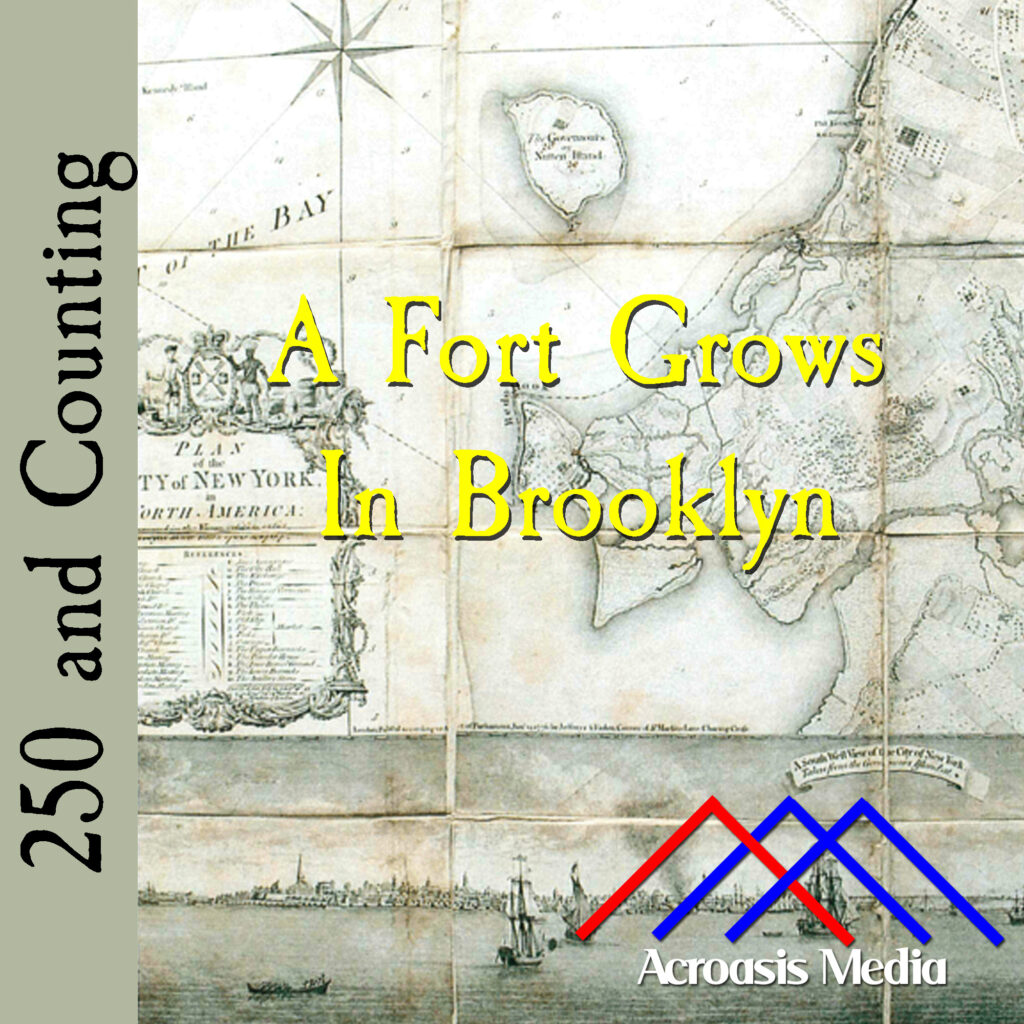
The construction of Fort Defiance in the Red Hook section of Brooklyn made perfect sense. That part of the peninsula sticks out into New York Harbor and provides an excellent view of anything that might be sailing in or out.
Red Hook comes from the Dutch Roode Hoek, “hoek” translating to “point”, which can still be seen in modern-day maps. The whole area, what we now call Red Hook and Gowanus, was settled by the Dutch in the 1630s.
Red Hook was some swampy land when the Dutch moved in. But the Dutch know something about swampy land, and they got straight to work, filling in lakes and re-channeling waterways. They began farming the land, including orchards of fruit trees.
After the war broke out and the Continental Army drove the British from Boston, George Washington sent Brigadier General William Alexander to Brooklyn to see what could be done defensively. A plan was developed to build two forts along the Brooklyn Heights, about a mile and a half apart. Fort Greene would be the furthest east, Fort Defiance would be the furthest west. Across the channel on Governor’s Island, another fort would be built, so that British ships could be fired on from both sides.
Now, when we say “fort,” we’re not talking about something made of wood or stone. Plenty of those did exist, but not here. This was more like a breastworks built of earth and stone, which had a few cannons near the top. There were three of these breastworks connected by trenches, and they took up most of the island on which they stood. (Incidentally, Mike was correct about the island not existing anymore; the space was filled in and is now part of the larger land.) This took only a few days to put together; the fort at Governor’s Island was more like what one would expect to see.
By the time the British arrived, the Continental Army was quite ready from a defensive standpoint. But the British were much larger in number and had a Navy besides. Stay tuned; it’s going to be an exciting summer.
We need your love! Don’t forget to share this show with your friends. Likewise, share it with your enemies; maybe they’ll become your friends as a result.
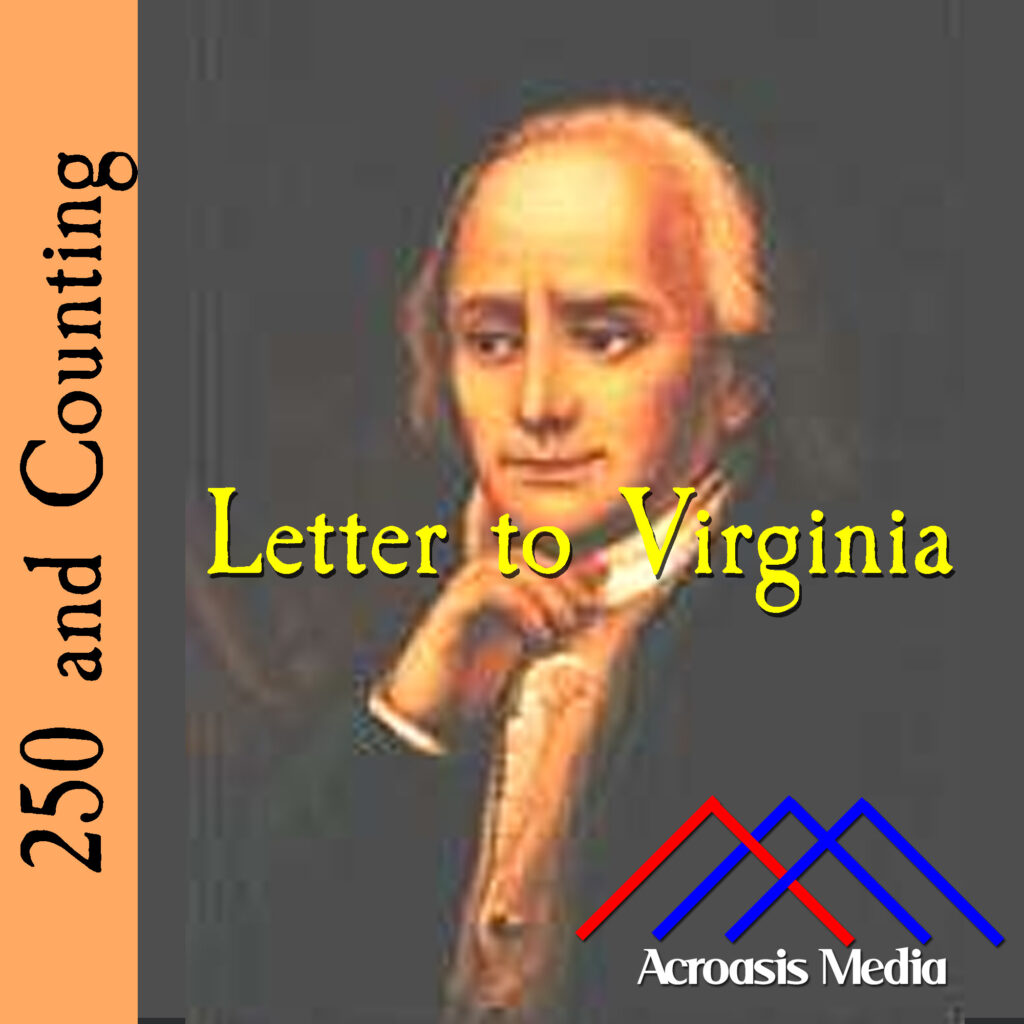
The Lees were a very prominent family in Virginia, connected to most major events in that era of American History. So it makes sense that Francis Lightfoot Lee sees American Independence on the horizon, and that it was Richard Henry Lee who first put the question (or, as the Founding Fathers wrote it, “The Question”) before Congress.
Incidentally, it’s worth noting that Francis and Richard were the only brothers to sign the Declaration of Indepenence.