
Tag: 1839 deaths

  • Philemon Beecher–March 19, 1776

    Cover art for March 19, 1776: Gravestone of Philemon Beecher. via findagrave.com.

    Philemon Beecher is an unusual name (said the guy named Claude Call, sigh), but that’s on us for not recognizing it as a name from the Bible. Philemon was a man to whom the apostle Paul wrote while in prison. He was in prison more than once, but it’s not entirely clear which stretch Paul was doing when he wrote it.

    Philemon was a leader in the Colossian Church, and Paul’s letter—one of a very few that scholars generally agree was actually written by Paul—touches on themes of reconciliation, forgiveness, and Christian fellowship, addressing themes of slavery, freedom, and ethical conduct within the Roman social context. While it doesn’t explicitly condemn slavery, it reframes master-servant relationships in spiritual terms, highlighting the moral and social transformation encouraged within early Christian communities.

    But I digress. Philemon Beecher was a successful attorney and a semi-successful politician who was one of Ohio’s first House members once Ohio became a state. Beecher also got married in 1803, so that was a pretty good year for him. He was one of ten children, one of whom died at the age of three and who coincidentally was also named Philemon Beecher. They recycled that name two years later! Some of his other siblings also died relatively young but they had reached adulthood.

    I don’t imagine he had an especially distinguished political career, given that I couldn’t find an image of him in any of my usual haunts. What’s more, I couldn’t ascertain whether he and his wife Susan had any children, though it appears the answer to that is “no.” Nevertheless, he remained a prominent citizen as an attorney and member of the board of the Lancaster, Ohio Bank. He also participated as a member of The Colonization Society in Lancaster, a group dedicated to repatriating Black people back to Africa as an alternative to slavery.

  • Innis Green–February 26, 1776

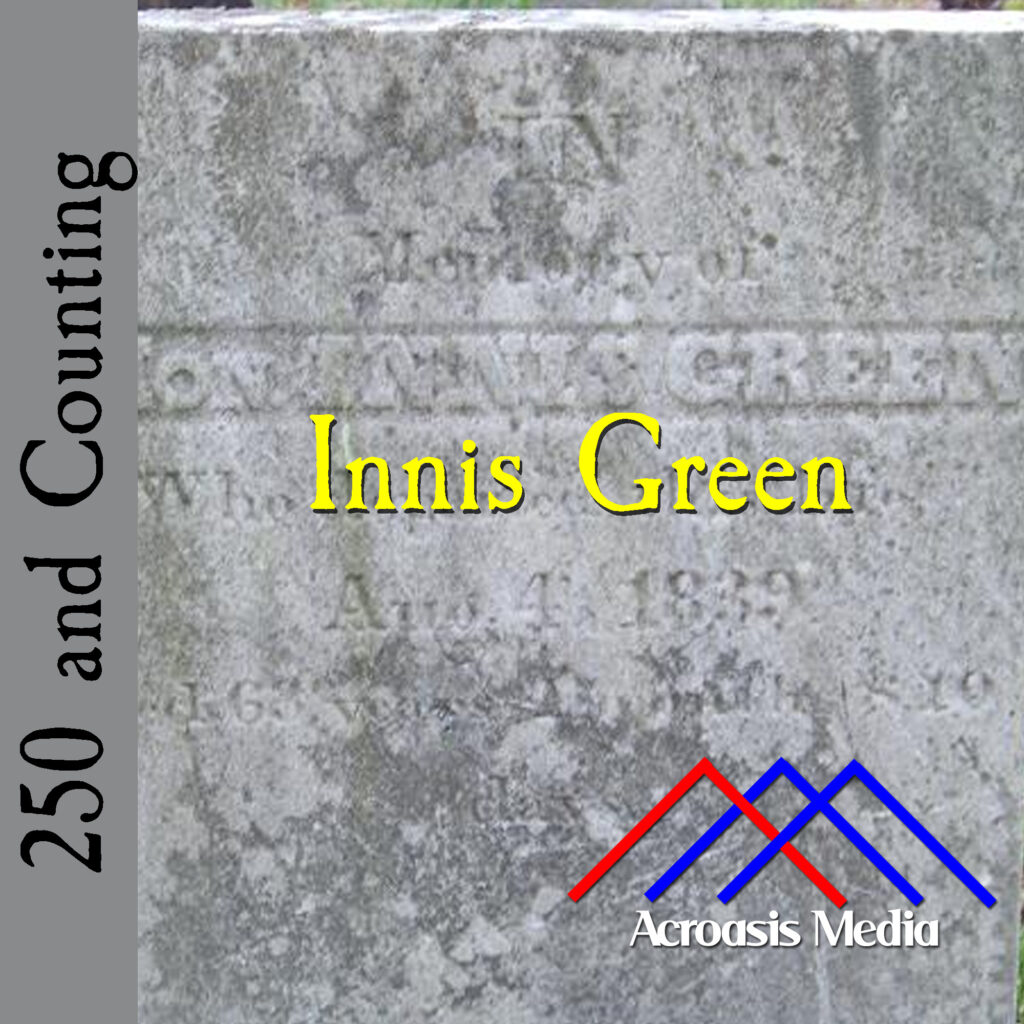
    Cover art for February 26, 1776: Detail of Innis Green's headstone in Dauphin Cemetery, Dauphin County, PA. Via findagrave.com.

    Innis Green served as a Jacksonian Democrat in the U.S. House of Representatives during the 20th (1827–1829) and 21st (1829–1831) Congresses, essentially holding the party’s populist line.

    But he did deviate from party alignment on May 26, 1830, when Green voted nay on H.R. 287, the Indian Removal Act. Despite this, the bill passed narrowly, 102-97. This stance positioned him among Pennsylvania Jacksonians influenced by local Quaker and moral opposition to forced tribal relocations, contrasting with southern and western Democrats who prioritized land acquisition for white settlement.

     Green’s vote highlighted intraparty tensions over executive-driven policies, though it did not derail his Jacksonian credentials amid broader support for Jackson’s anti-bank rhetoric and vetoes of federal internal improvements like the Maysville Road in 1830.

    The short version of all that is, while Green was a fairly reliable guy when it came to upholding Jacksonian politics, he often acted with his actual constituents in mind: if it wasn’t going to poorly affect the people in his district, he could get behind it. Otherwise, he would be willing to vote against it.

    Perhaps he didn’t make a huge splash politically, but there are some behavior lessons in there.

  • Charles Pinckney Sumner–January 20, 1776

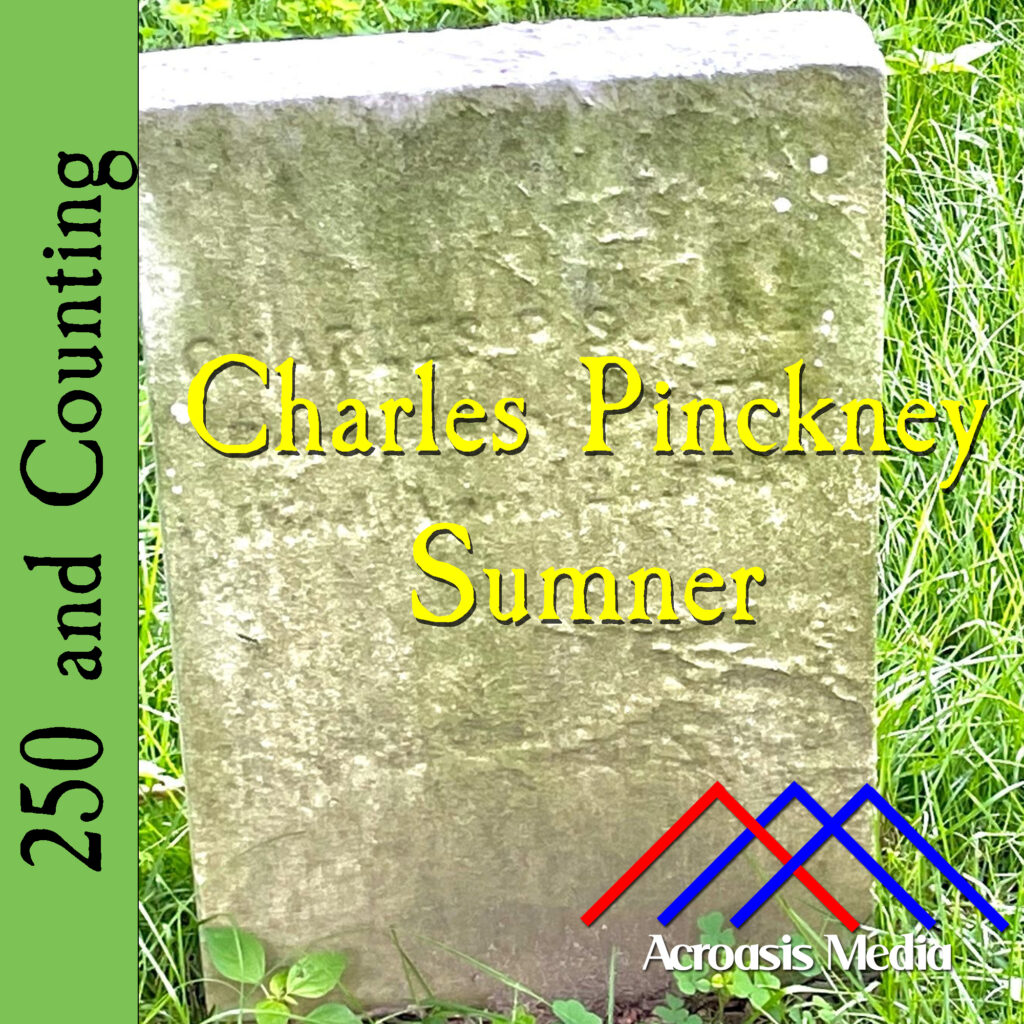
    Cover art for January 20, 1776: Sumner's grave in Cambridge, Massachusetts. via Find-a-Grave.com.

    Charles Pinckney Sumner was a man ahead of his time, in the sense that he knew not only that slavery was wrong, but that slaves need not only to be freed, but to be treated as equal citizens.

    He also carried a rather Utopian view of what society should be like, that Nature was at least as important as Nurture, if not more so.

    Although he and his wife Relief Jacob had at least nine children, they were considered to be not especially demonstrative with one another, even described by some as “formal.”