Tag: 1842 deaths

  • Francis Johnson–June 19, 1776

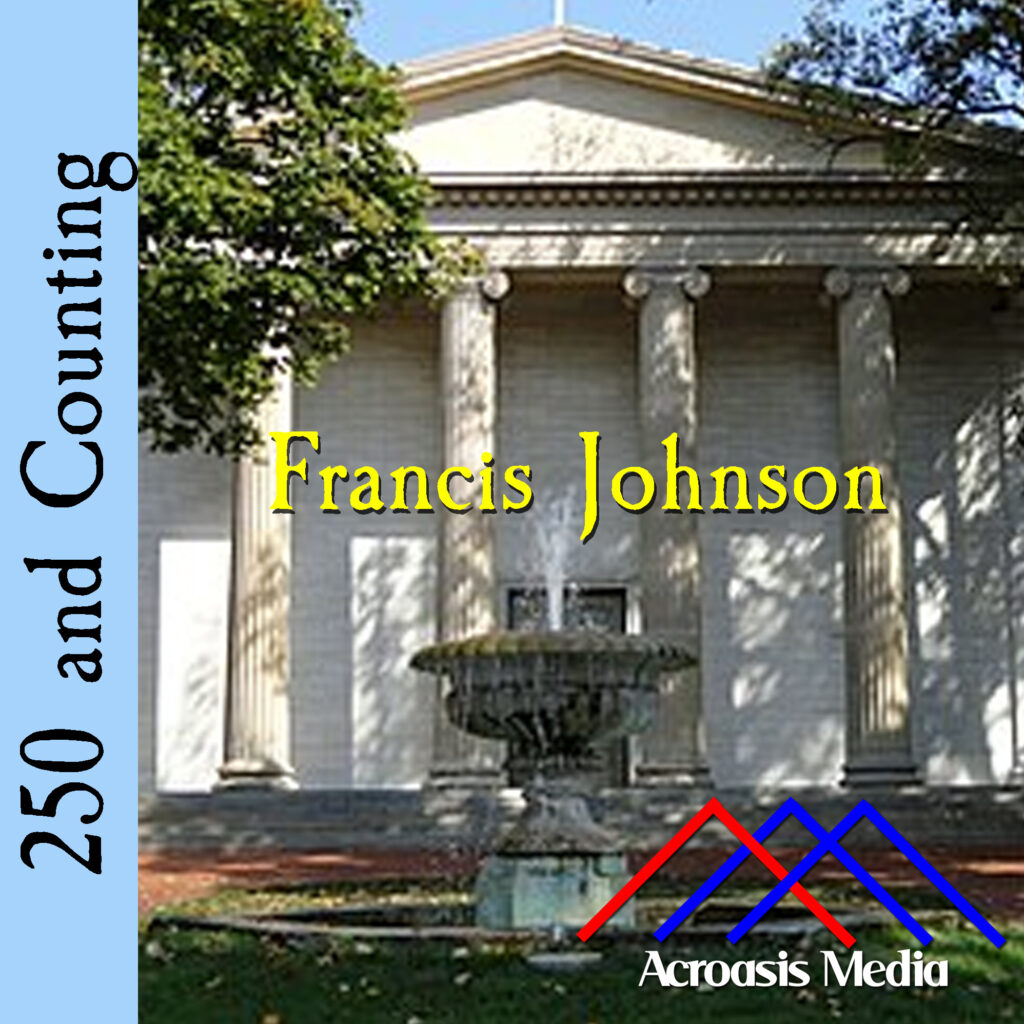
    Cover art for June 19, 1776: The Old State House in Kentucky. We have to confess, Francis Johnson did not use this building; the one he occupied burned down a few years earlier. He was likely part of the vote to get this one built, though.

    Let’s start with the truth: Francis Johnson was not in office when the building in today’s cover art opened. This is the Old State Capitol in Frankfort, Kentucky, which opened in 1827, just after he left the US Congress.

    But while this is the Old State Capitol, there are two buildings even older which were used; unfortunately both of them burned down, hence this stone edifice, one presumes.

    You kind of have to feel badly in the long run when stuff like this happens. It feels a little bit like the universe is trying its best to wipe this guy from history. Even his specific birthplace is unknown, and the graveyard where he was interred is a public playground. (I’m going to presume it’s been paved over, yes?) But the fact is, once we’re gone we begin to accumulate anonymity unless something extraordinary happens to you or by you.

    Not meaning to be a downer; it’s just what they call a shower thought.

    P.S. if your download is wonky or if you’re having trouble with the website this week, please get in touch with me at claudecall@gmail.com; I’d be most appreciative. I had a bit of a time getting this post to play nice.
  • Amos Eaton–May 17, 1776

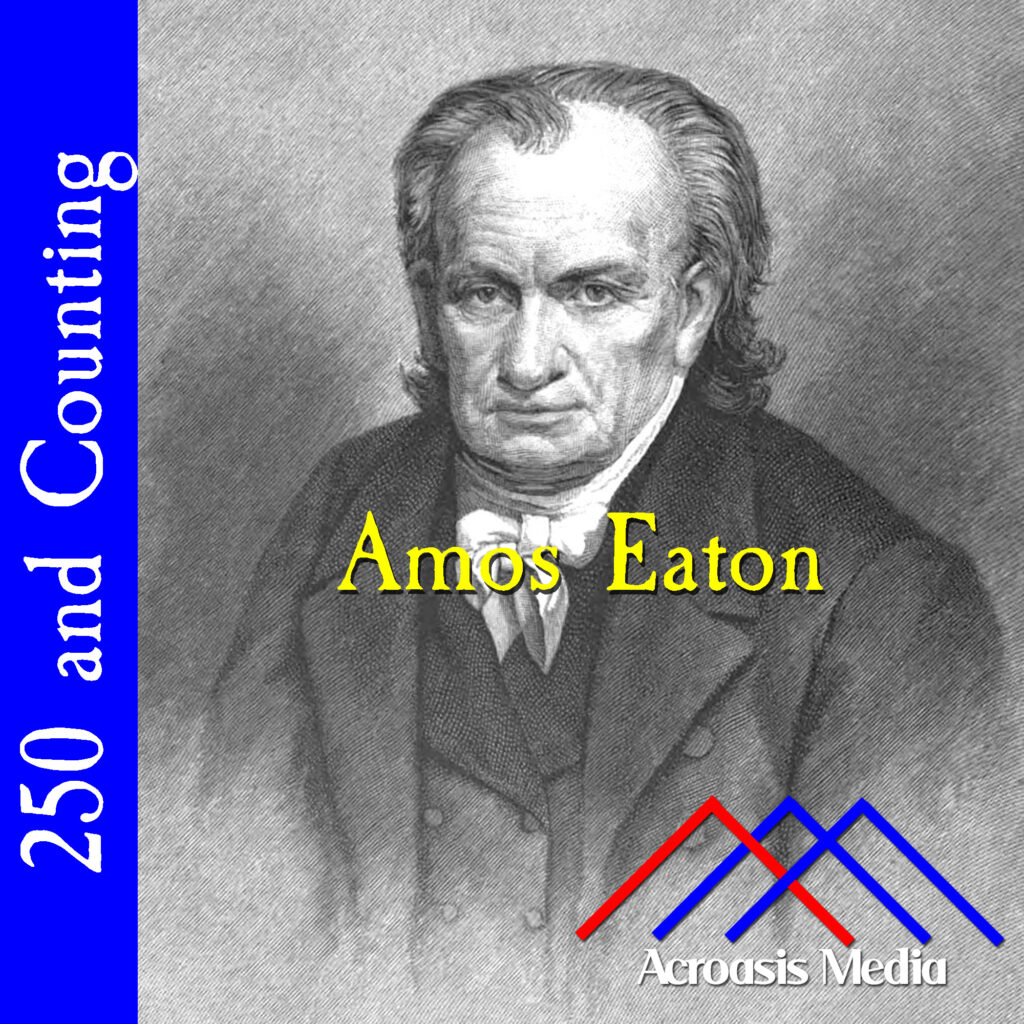
    Cover art for May 17, 1776: Illustration of Amos Eaton from an original engraving by A.H. Richie, for Popular Science Monthly, Vol 38 (1891).

    Amos Eaton, a co-founder of the Renssalaer School (later Renssalaer Polytechnic Institute) in Troy, NY, managed to flip scientific thinking on its head. He believed in having students learn through experimental demonstrations: let them apply the science in the field and then break it down later in the lab.

    This flew directly in the face of the traditional liberal arts tradition, which involved the classics, theology, lecture and recitation. However, it also led to more students in more courses of study to take up some version of a practicum than there previously was.

    In addition to teaching at the school, Eaton also engaged in natural philosophy lectures throughout the Northeastern United States, and was a champion of higher education for women, suggesting that women had a lack of opportunity to learn higher-end math, rather than a skills deficit or general disinclination. (i.e., quit blaming the women.)

    Nowadays there’s an Amos Eaton Hall on the school’s campus, which houses the Math Department, and a faculty endowment bears his name.

  • May 21, 1775: David Woods

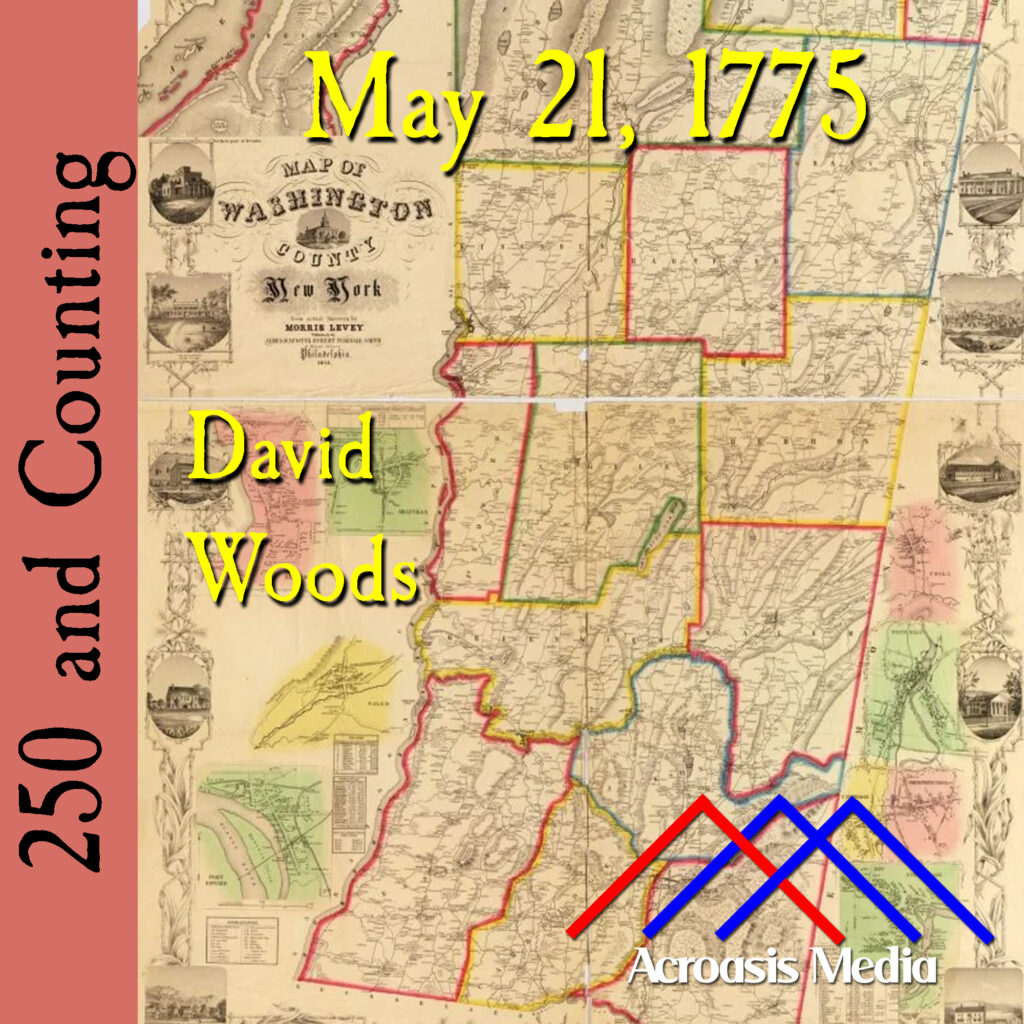
    Cover art for May 21, 1775: Map of Washington County, NY (detail), circa 1814.

    Like so many people who lived in upstate New York in the Revolutionary era, David Woods was an immigrant from Ireland when he came over with his family in 1775.

    New York was unusual compared to the other colonies in that the overwhelming percentage of the population was immigrants; as a result it became a bit of an enclave for people from the UK and the Netherlands, so Woods blended in well.

    As a result, we believe that although he wasn’t a politician for very long, he did a solid job, which doesn’t always stand out from the bigger picture.