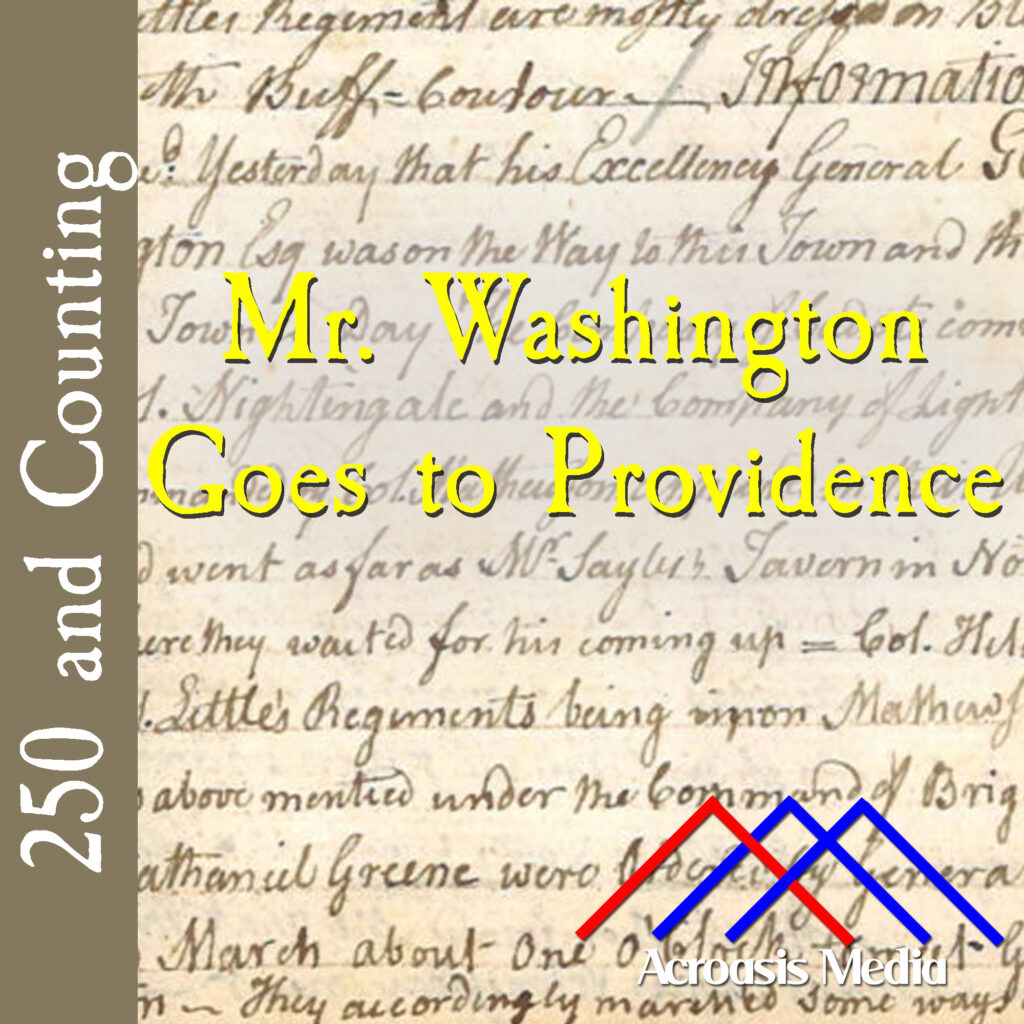
The war was less than a year old, but heroes were already beginning to emerge, as we learn from contemporary writings. The arrival of George Washington in Providence, RI, was considered a big event each time he came through.
In fact, it was such a big deal that the website for Stephen Hopkins’ house in Providence notes that “George Washington was a guest here. Twice.”
I suppose they could have hung up two “George Washington Slept Here” signs but nobody would get it. Then again, “George Washington Slept Here” isn’t quite the trope it used to be. Leave me alone, I’m old. And get off my lawn.
Hopkins, for what it’s worth, was an important person in his own right, having been central to the development of the colony and then the early days of the state. If you visit the house, though, be forewarned that it’s not in the same place it was when Hopkins lived there; it’s been moved twice since he was there. Although, to be fair, it’s always been on that street.
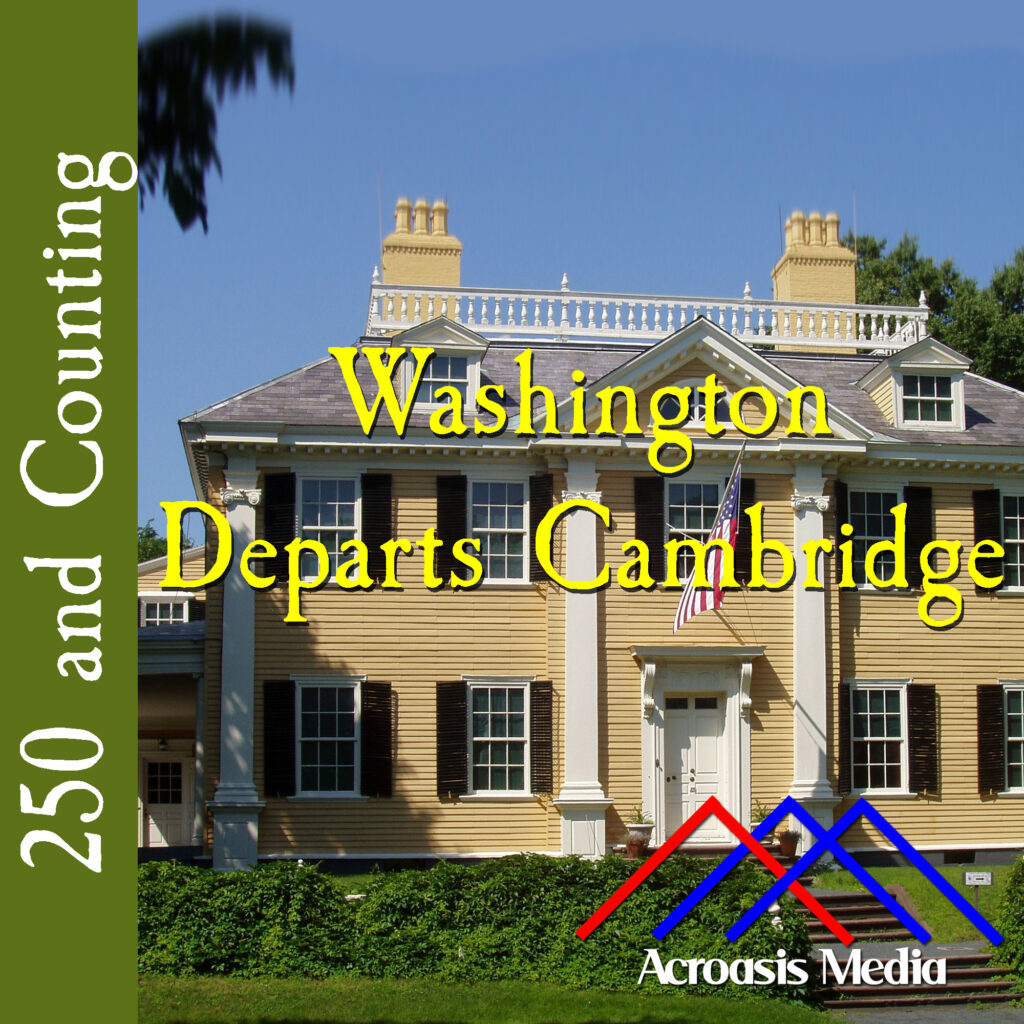
To say the Washington left the Longfellow House is putting the cart before the horse, because Washington was in it before Longfellow.
The house originally belonged to John Vassall Jr, a Loyalist who had the good sense to get out of town when the shooting started. From July 16, 1775 until this day in 1776, Washington occupied it as his home and his headquarters. In 1791 Washington’s apothecary Andrew Craigie purchased the house and made a major addition to it, the only big cosmetic change to the house. After Craigie’s death, his widow rented out various rooms to supplement what little income she had, and one of her tenants was Henry Wadsworth Longfellow, who eventually became the owner in 1843 when it was purchased for him as a wedding gift.
The Longfellow family was the last to live in the house; some time after his death the family established the Longfellow Trust to provide for the house’s preservation, and in 1972 the house and its possessions were donated to the National Park Service.
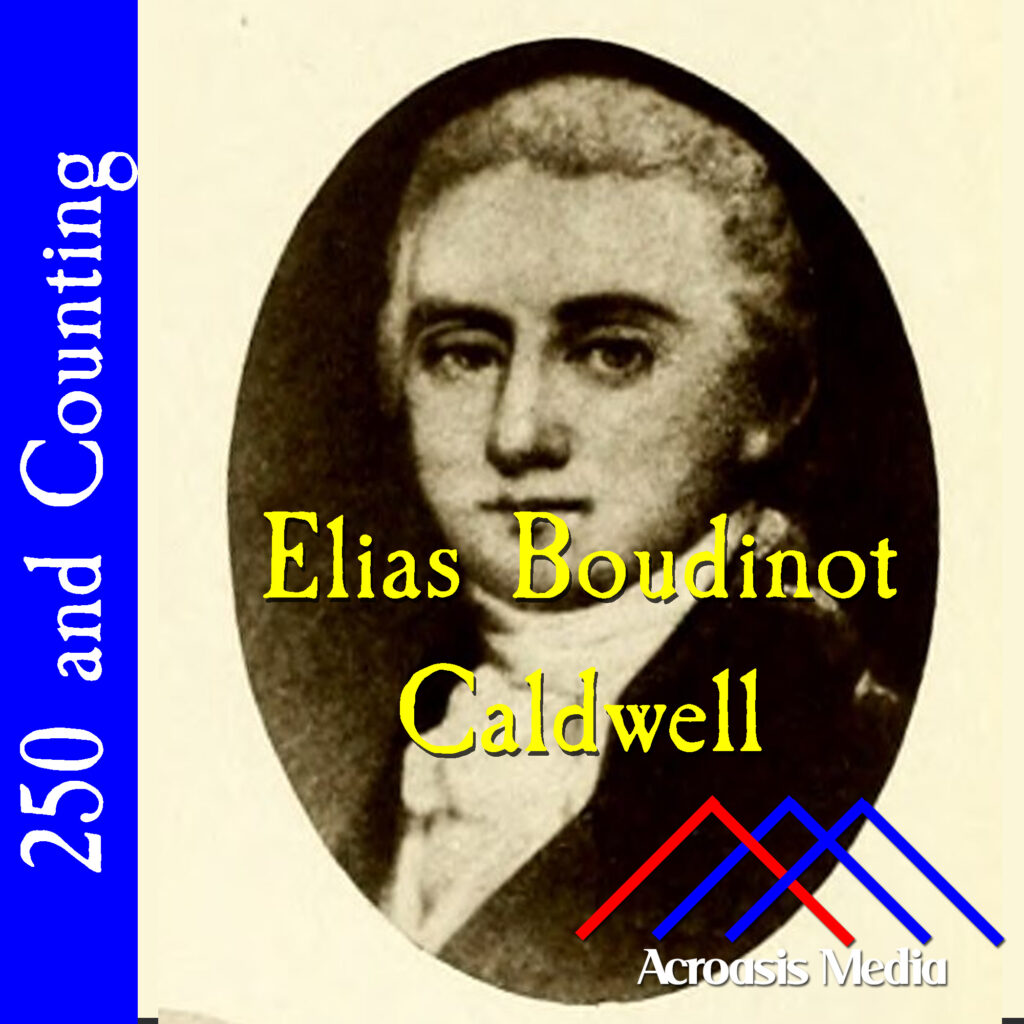
I mentioned briefly that Elias Boudinot Caldwell was a member of the Society for the Colonization of Free People of Color of America (to the extent that anyone can say that briefly), and I though I’d get a little deeper into that organization here.
The group was founded in 1816 by Robert Finley, along with Caldwell and Francis Scott Key, to encourage and support the repatriation of freeborn people of color and emancipated slaves to sub-Saharan Africa. Their feeling was that free people of color could not integrate into American society. It was also thought that free Blacks running around would incite still-enslaved Blacks to escape or rebel. So…why not relocate them?
The group, which later became known as the American Colonization Society, thought they’d be preventing a civil war from breaking out. In fact, some historians think they may have hastened its onset. What’s more, only a few thousand African Americans out of millions, eventually made the trip to (what would become) Liberia. Worse still, they were kind of bad at it. Transporting people to Liberia was very costly, and close to half the people who arrived died from tropical diseases.
And for all that, the ACS didn’t officially dissolve until 1964.
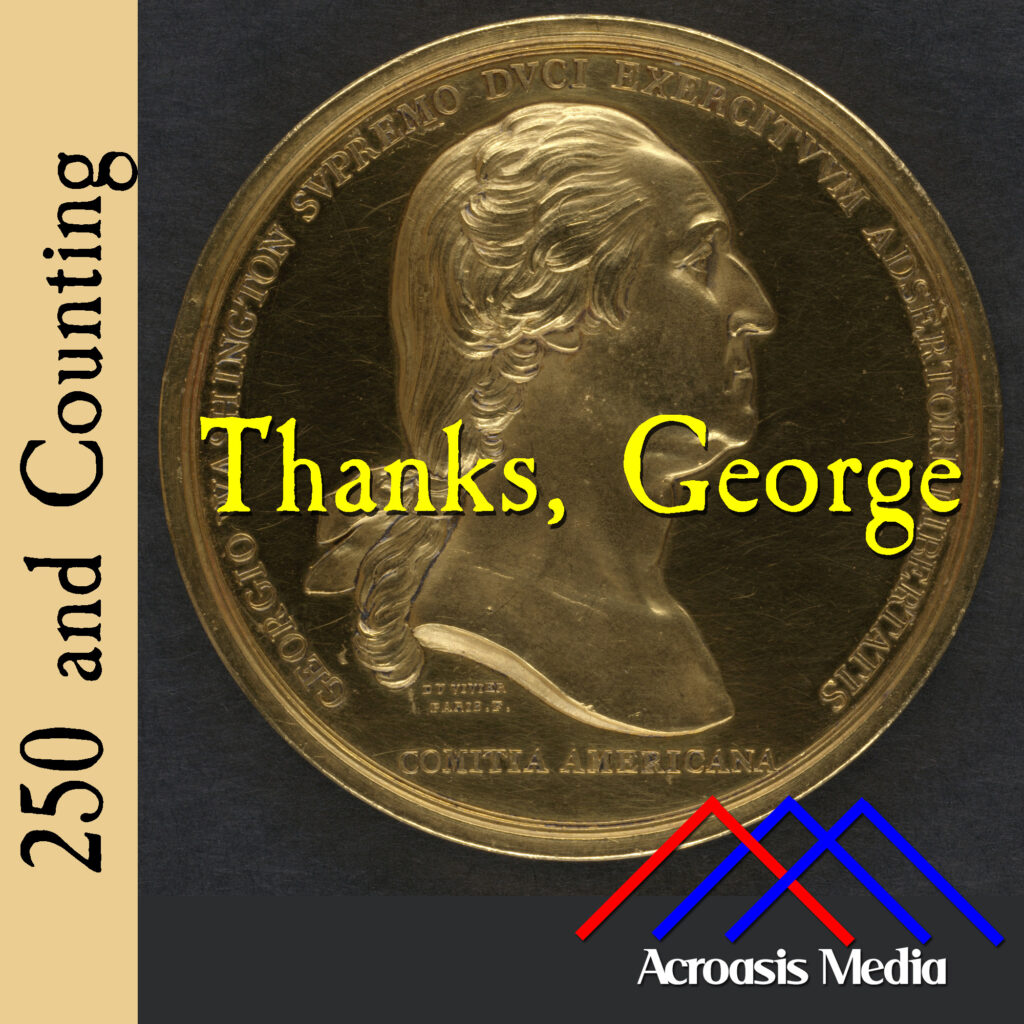
Just a few days ago, Congress passed a resolution that George Washington should be thanked for his efforts in Boston, and that a Congressional Medal should be issued to him.
Specifically, the resolution read:
Resolved, That the thanks of this Congress, in their own name, and in the name of the thirteen United Colonies, whom they represent, be presented to His Excellency General Washington, and the officers and soldiers under his command, for their wise and spirited conduct in the siege and acquisition of Boston; and that a medal of gold be struck in commemoration of this great event, and presented to His Excellency; and that a committee of three be appointed to prepare a letter of thanks and a proper device for the medal.
They did do all this, but frankly striking a congressional medal (or any other type, presumably) during the Revolutionary War was kind of a low priority (in addition to the other issues Mike cites), but it did eventually get done.
An unknown Greek poet, possibly from the 1st century CE, once said:
Ὀψὲ θεῶν ἀλέουσι μύλοι, ἀλέουσι δὲ λεπτά. The millstones of the gods grind late [slowly], but they grind fine.
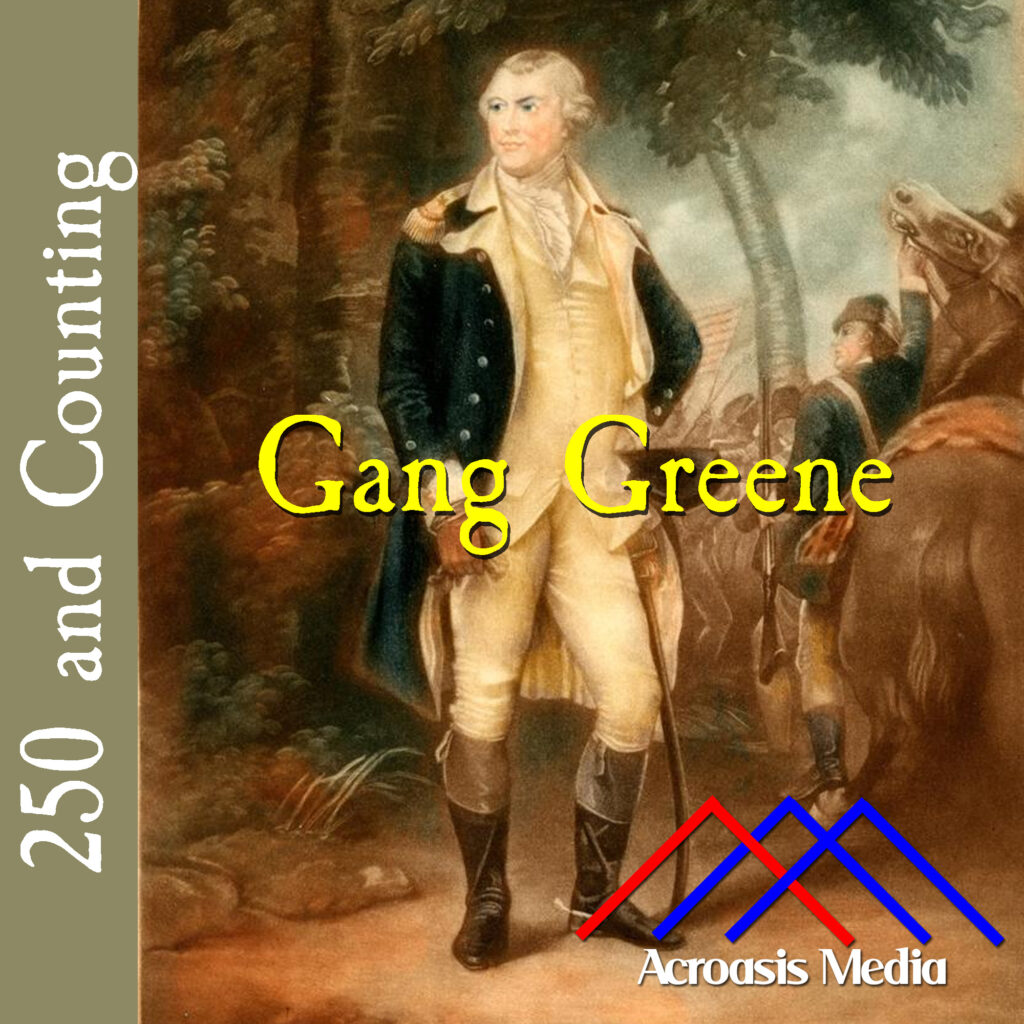
Nathanael Greene (you’ll also see it alteratively spelled as “Nathaniel”) was one of Washington’s trusted generals, largely because he had a keen mind for military tactics, but also because he had high expectations for his soldiers.
In addition to drilling them regularly, he also insisted that they keep as clean as possible, including things like maintaining a clean-shaven face. Card-playing and swearing were also prohibited.
As a result, his men stood out among the others when George Washington arrived at Cambridge, and he decided that he needed a little more of that in the Continental Army. Greene followed Washington to New York but afterward he began to take charge of military matters in the south.
When Washington’s troops moved to the Valley Forge area in the winter of 1776, the disciplinary problems Greene had helped solve began to arise again, and Washington had to turn to another man to get his troops back in order. We’ll look at that as we get into that time of the year.
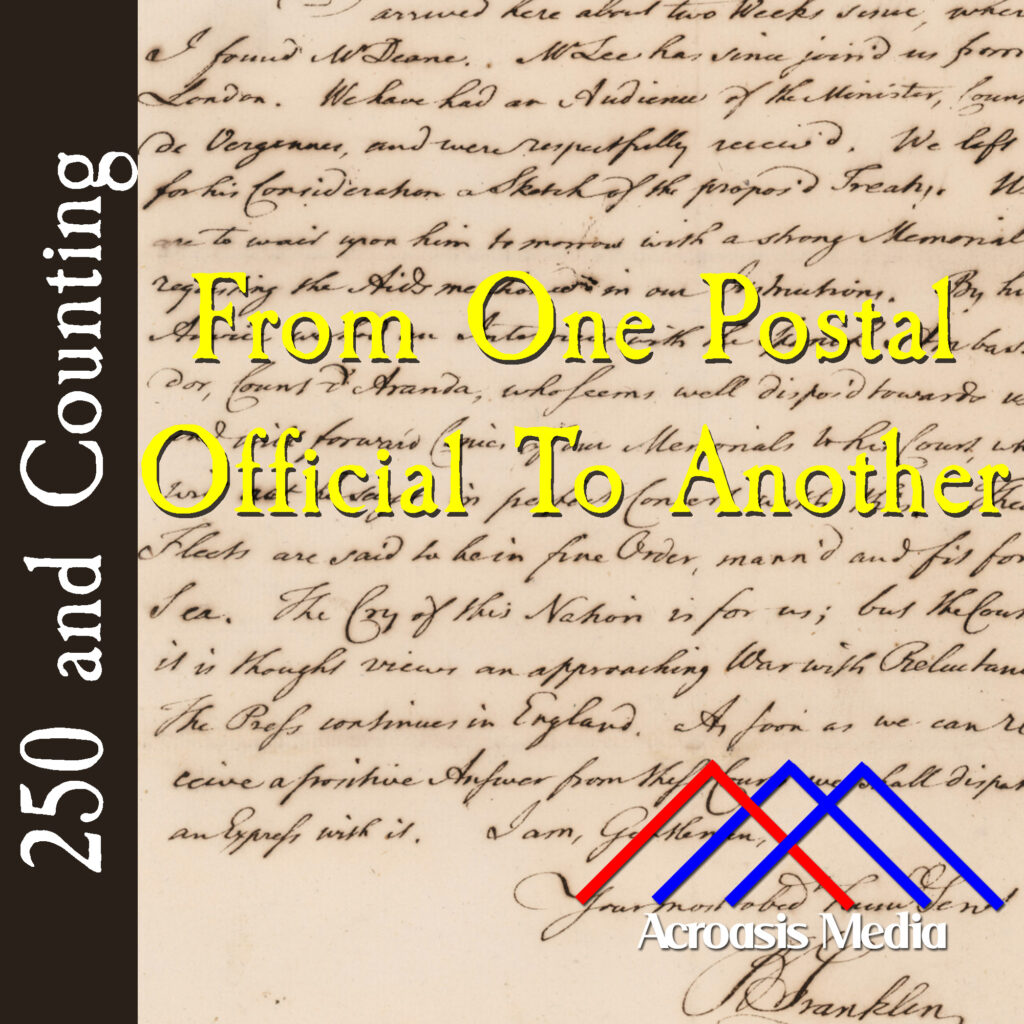
While we’re focusing on one letter written by Benjamin Franklin today, written to Anthony Todd, it’s rather impressive the sheer number and breadth of letters written by, or to, Franklin during his lifetime as a statesman.
There is a collaborative effort going on between Yale University and the American Philospohical Society, among others, to search, collect and publish the various works of Benjamin Franklin. So far over forty volumes have been published since 1959, and the scholars involved are pretty sure that number will surpass 50.
Important to this effort is the fact that Franklin saved a lot of his correspondence specifically for the sake of posterity. As a result we have perhaps a more complete collection of what historians like to call “primary sources” of materials than for any other Founding Father. What’s more, Franklin didn’t just dash off quick notes; he treated them like miniature works of art and crafted their composition. This came in handy when he edited the first draft of the Declaration of Independence. It was his suggestion that the phrase “We hold these truths to be self-evident” whereas Jefferson had described them as “sacred and undeniable.”
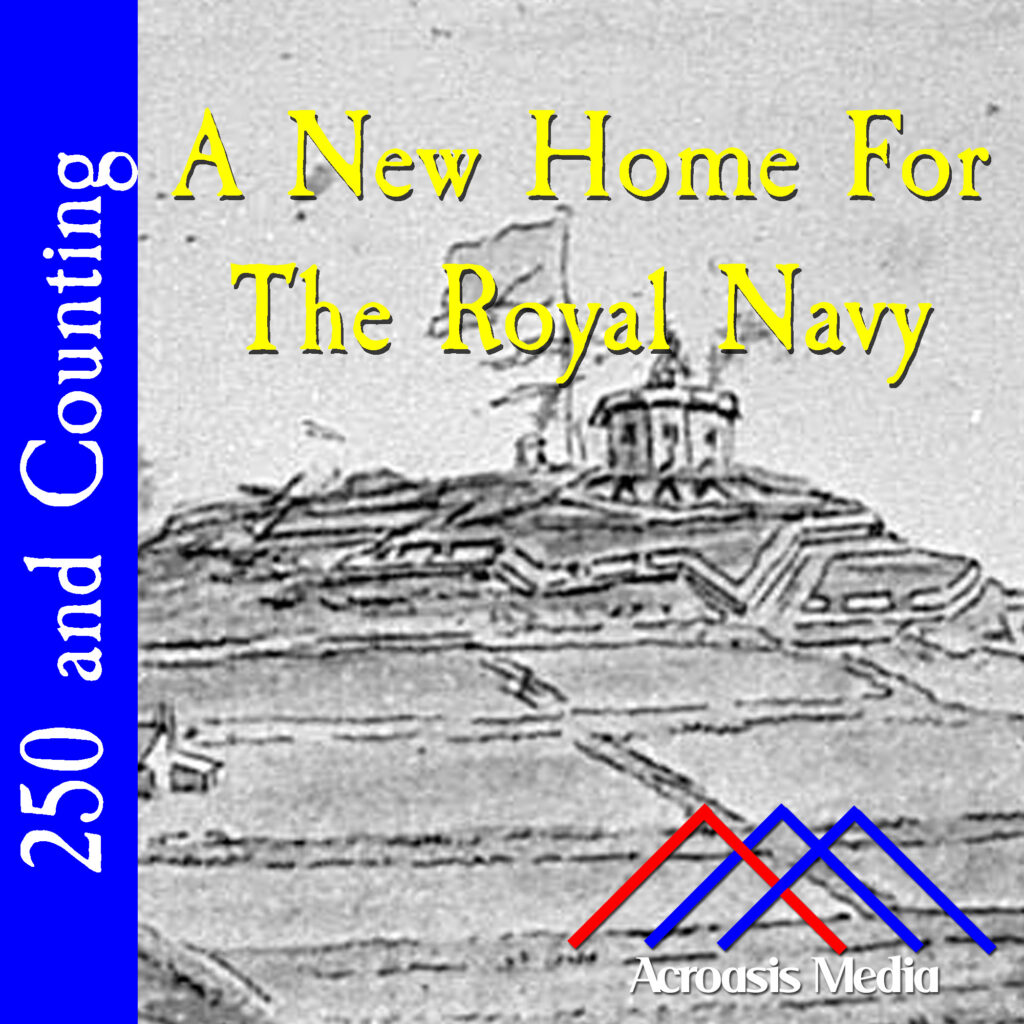
The image in today’s cover art is an engraving of Citadel Hill, around 1780.
Citadel Hill is a very popular historic site in Halifax, and while four forts have been built on this site, none of them have ever had to withstand a direct attack. In a couple of instances, structures near the Citadel were attacked, but never the building itself. It’s possible that the forts that were erected on the site served as deterrents.
The first Citadel was built in 1749. Fortifications were constructed on this hill to protect against raids by the French, colonial Akadians, and local tribes, especially the Mi’kmaq (pronounce it “MicMac”). By 1761 the fort was in ruins and a second, larger Citadel was built in 1776. This is the one in the artwork. While the garrison was always on alert, again it was never attacked, and by 1784 it was again in ruins. The third Citadel was built starting in 1796, when the old one was dismantled. This one was larger still and looked much like the current model, except it had more earthworks. During the War of 1812 some quick renovations were made in case the Americans attacked, but again the whole thing fell to ruin by 1825.
Construction for the current Citadel began in 1828. It was a huge masonry-construction star-shaped fort that took 28 years to finish. An incident in the nearby waters nearly dragged the Citadel into the American Civil War but again there were no attacks on the fort. Eventually it was restored by historians and in 1956 it opened as a historic site and home to the Halifax Army Museum. In the 1990s it was restored again to its 1869 appearance and is maintained as such.
The grounds of the Halifax Citadel are open year round. From spring to fall, a living history program features re-enactors portraying the 78th Highland Regiment (stationed at Halifax between 1869 and 1871), the 78th Highlanders (Halifax Citadel) Pipe Band, the Third Brigade of the Royal Artillery, soldiers’ wives, and civilian tradespeople. Parks Canada also hosts several re-enactment events each year by volunteers of the Brigade of the American Revolution and the two living history associations.
The Citadel’s role in the history of Halifax and North America is communicated through guided and self-guided tours, audio-visual presentations, and various exhibits. On average, the citadel sees over 200,000 visitors annually. A ceremonial firing of the noon gun is conducted daily by staff, and continues year-round, even when the site is closed to visitors. The artillery is also used for formal occasions such as 21-gun salutes.
The “Army Museum”, located in the Citadel’s Cavalier Block, displays a rare collection of weapons, medals, and uniforms exploring Nova Scotia’s army history. It is an independent non-profit museum, and staff work in close partnership with the Citadel staff and Parks Canada.
In July 2006, the Halifax Citadel celebrated the 100th anniversary of the withdrawal of the last British military forces from Canada. The Citadel hosted over 1,000 re-enactors from around the world. Approaching the Christmas season, Citadel Hill annually hosts a “Victorian Christmas”. Visitors are treated to crafts, carolers, and games, as well as a visit from Santa Claus.
Ghost tours are held at the fort in the weeks leading up to Halloween. Ghost tours! Nobody ever died in battle there, but we’re doing ghost tours. Fantastic.
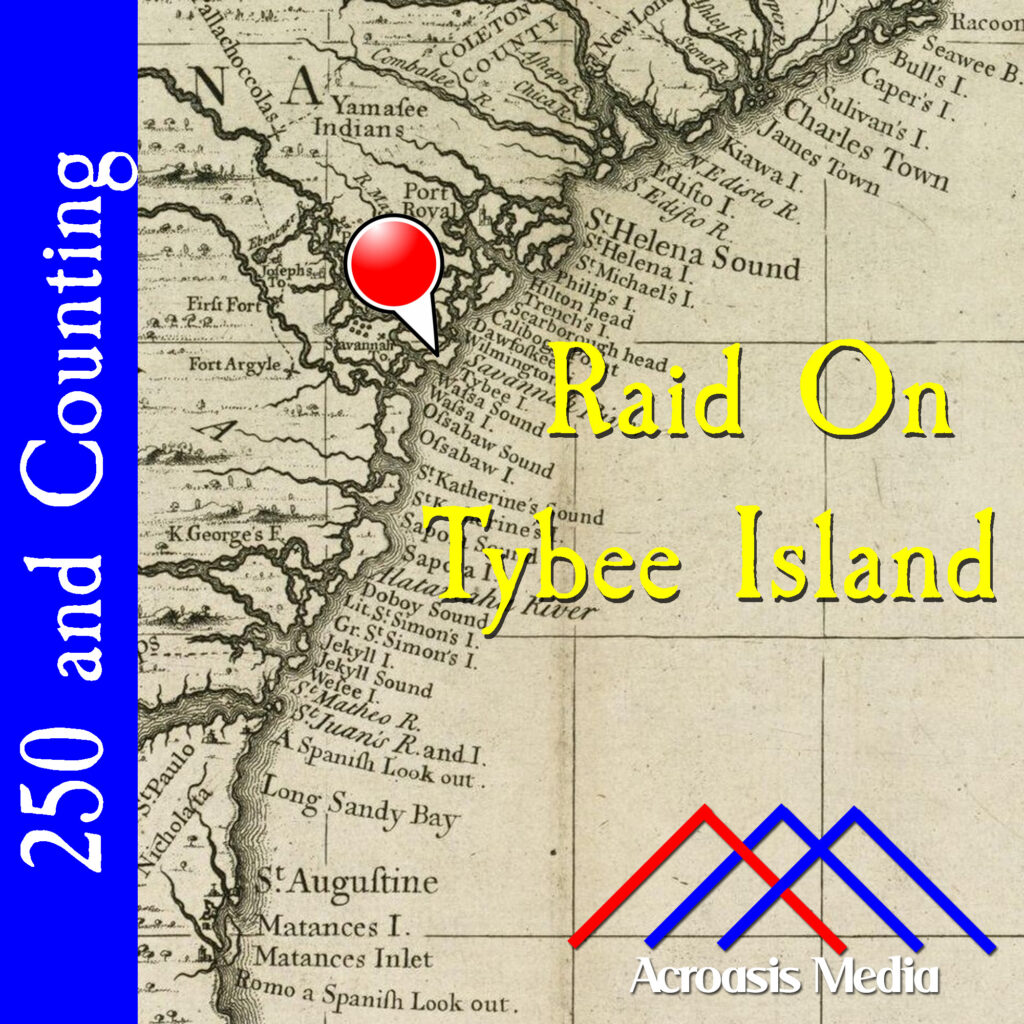
The raid on Tybee Island wasn’t the only one of its kind; in fact a similar action had been taken at Sullivan’s Island in South Carolina a few weeks earlier.
In that case there were many more runaway slaves involved, but like Tybee, very few were actually captured and the fate of most of the others is unknown, although there is one account that says fifty people had resisted capture and were subesquently killed.
But in both cases we see a raid that took place specifically to deny people their freedom, and the proclamation the led to these raids directly influenced the argument in the Declaration of Independence that King George incited “domestic insurrections.” So…the desire of slaves to be free…drove the Patriots to desire independence.
Mike had a little fun busting on George Washington’s spelling in today’s episode, but we do have to offer a little grace here, because in 1776 efforts to standardize spelling in the English language were only just beginning to catch on.
About a hundred years earlier, some of the language was simplified; thus, sinne became sin; logique became logic; toune to town, etc. Not long afterward, some words were tied to their Greek or Latin roots, e.g. det became debt (Latin, “debitum”) and dout became doubt (Latin, “dubitare”), and so on.
It really wasn’t until the 19th Century that more serious efforts to standarize some English took place, as the science of phonetics began to rise. In the 1870s, societies actually began springing up that were dedicated to reforming the English language’s spelling. One such group had the editor of the Chicago Tribune as a member, so whenever his group had something they thought was good, he’d be the first one using it in print.
In 1903 a group called the Simplified Spelling Board was formed, backed by Andrew Carnegie. Their recommendations were immediately relayed to all government agencies by President Teddy Roosevelt.
And then between the 1930s and 1975, the Chicago Tribune (again) was at the forefront of changes to standardized spelling, thus giving the new language a huge platform on which to rest.
When you first hear the word “Privateers” and its definition, your mind probably goes to your basic concept of a pirate: someone who attacks a ship and plunders its hold for anything valuable. And you wouldn’t be entirely wrong, but there’s still a difference.
A privateer is essentially a pirate who’s working on the right side of the law. Privateers are given commissions through a document called a Letter of Marque, which authorizes a vessel to engage with any ship they consider unfriendly. This wasn’t unique to America; privateering was done all over the world. But in our case, it was a response to the fact that America was sorely out-gunned by the British and needed whatever help they could get. And early privateers had a high success rate, until the British realized that privateers were in use at all.
One of our most famous privateers is John Paul Jones, who volunteered his services and, rather than using his ship to raid British vessels near America, did most of his work near the English coast. He would raid towns, attack vessels and send the Congress their share of the spoils.
So the bottom line when it comes to the difference: permission. Privateers and pirates did much the same thing, except privateers had consent.