Tag: Battle of Long Island

  • Not Making It Easy–August 19, 1776

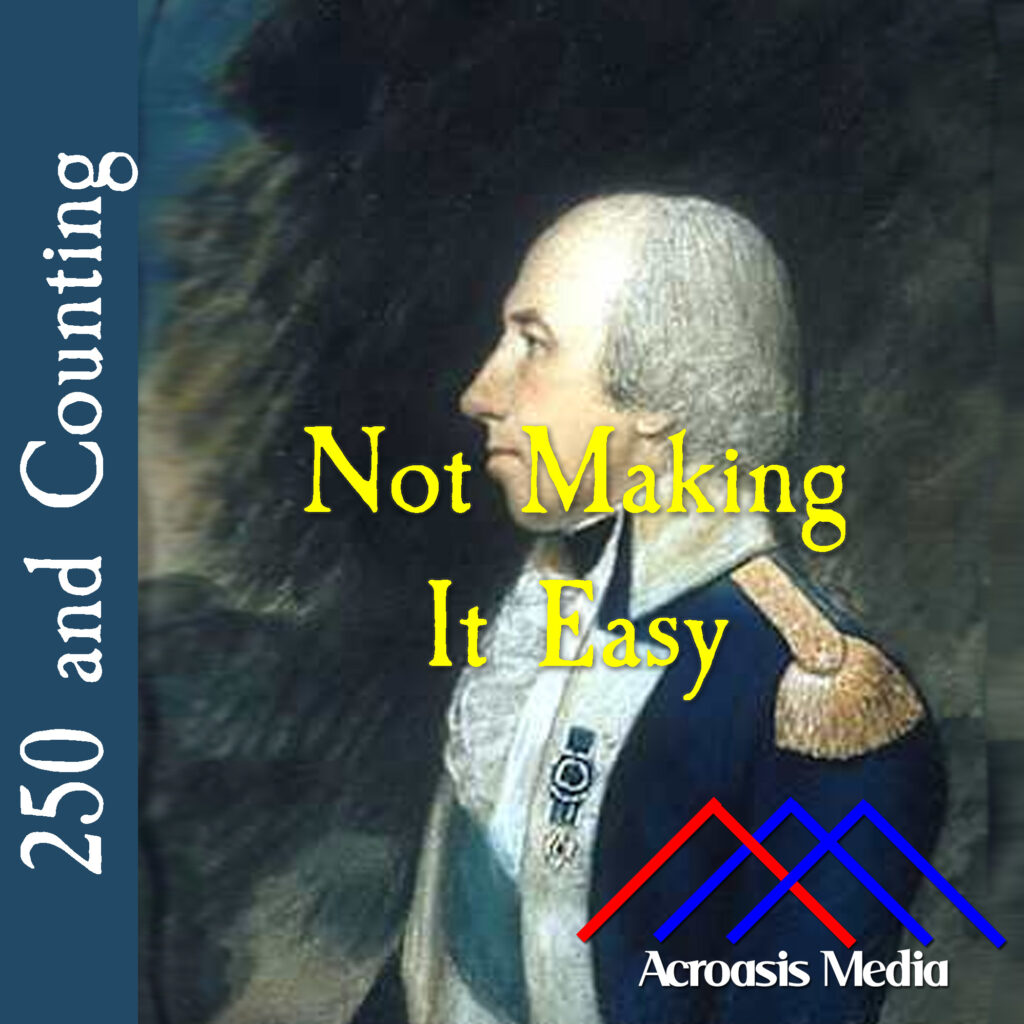
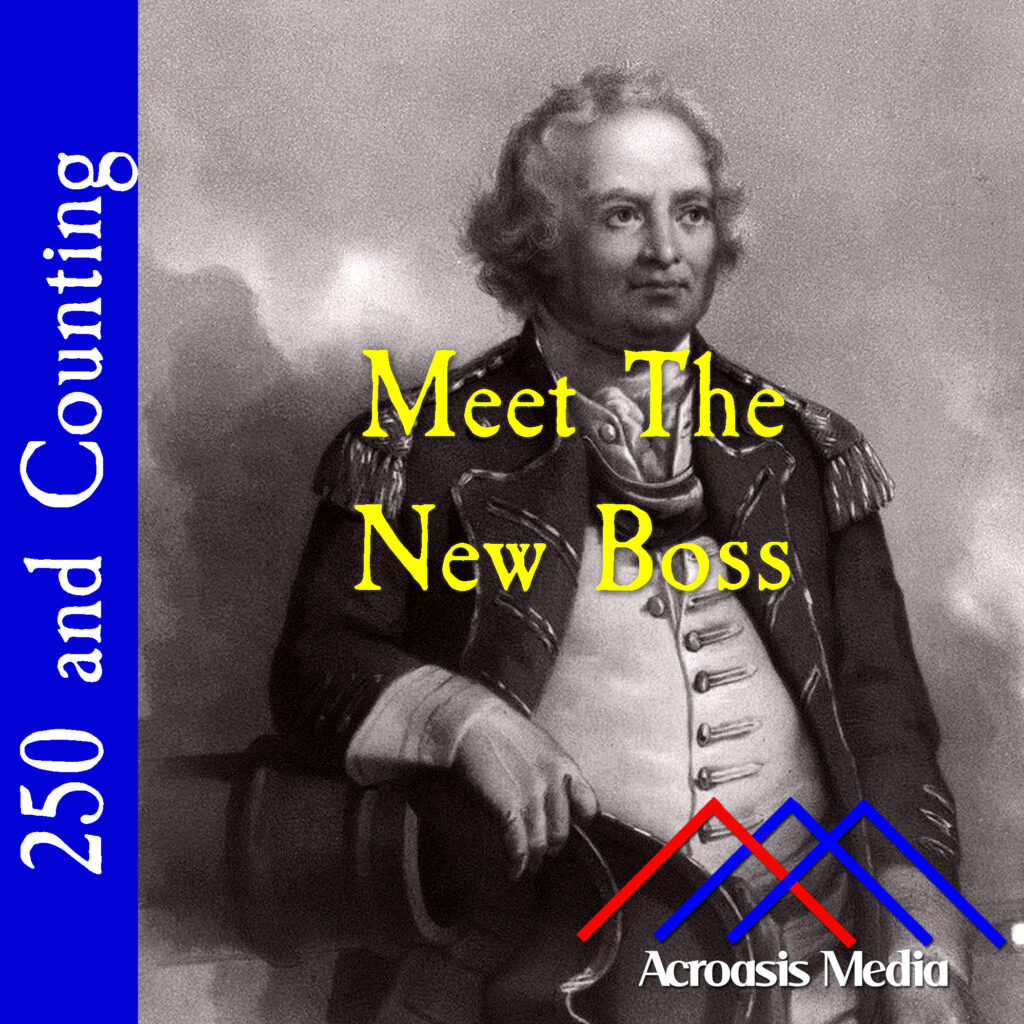
    The reason that this portrait—and most of the others—of Rufus Putnam is in profile is that, when he was a child, one of his eyes was disfigured in an accident, giving it a, “outward, oblique cast.”

    Putnam joined the Revolutionary War effort the very first day, after the battle at Lexington and Concord. During the Siege of Boston, Putnam directed efforts to fortify Dorchester Heights. Part of what had the British so flummoxed about that wasn’t that he did a good job (though he did), it was that he managed to get it all up and in place so fast.

    Rufus Putnam worked his way up through the ranks quickly, so that by the time he was in New York, he was a colonel and designated an engineer.

    But in December 1776, when the Continental Congress rejected his proposition to establish a national corps of engineers, Putnam resigned his commission. His resignation was short-lived and he eventually joined the Continental Army and served under Major General Horatio Gates. Putnam commanded two regiments in the battle of Saratoga.

    He continued to work on critical fortifications, including Fort Putnam at West Point in 1778. In 1779 Putnam served under Major General Anthony Wayne in the Corps of Light Infantry following the capture of Stony Point, commanding the 4th Regiment. Putnam’s remaining military career was less eventful. In January 1783 he was commissioned as brigadier general.

    After the war, Putnam returned to Massachusetts and returned to his original work as a surveyor. But a few years later, in 1788, Putnam led a group of veterans to settle land in the west, where they established what we now call Marietta, Ohio, the first European-American permanent United States settlement in the Northwest Territory. Putnam was appointed to serve as one of three judges of the Northwest Territory after Samuel Holden Parsons died. Marietta was settled on land that the local natives considered theirs, and it took a couple of years for the Ohio Brigade (with Putnam in the lead) to beat them back.

    As Ohio residents organized to write a constitution and be admitted as a state, in 1802 Putnam was elected a Washington county delegate to the Ohio Constitutional Convention.

    Putnam died on May 4, 1824, and was buried at Mound Cemetery in Marietta, Ohio.

  • Get Outta Town!–August 17, 1776

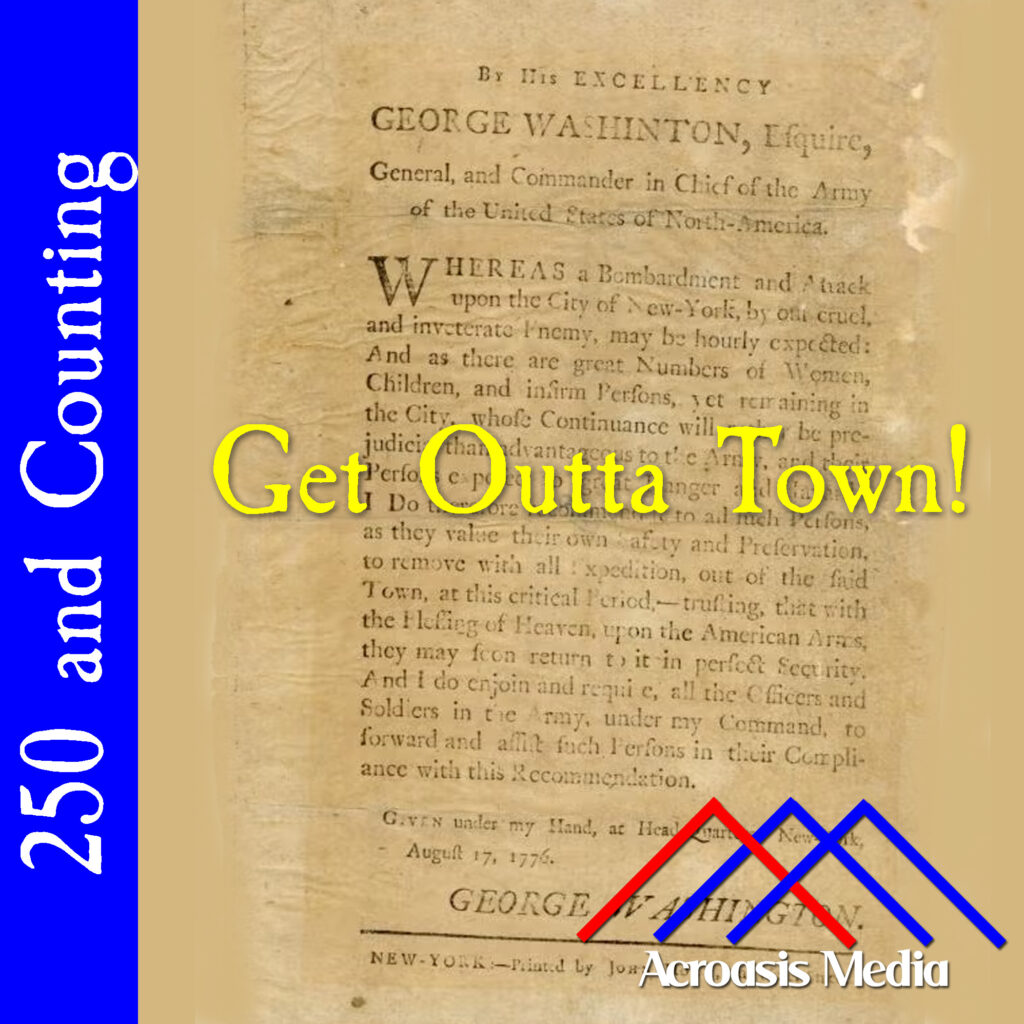
    Cover art for August 17, 1776: A copy of Washington's proclamation for this day. via New York Historical Society.

    Ever the polite man, George Washington strongly urged (rather than ordered) civilians to evacuate Manhattan before the British began their attack.

    Washington’s biggest problem was that he knew that the British were coming, but he had no idea how they were going to do it, given that Manhattan is an island, and while Brooklyn is not (its location at the west end of Long Island notwithstanding; work with me a little here), it’s still got a lot of coastline to defend. So even if Washington had a number of troops similar to the Howes, they’d likely be stretched a little thin. With slightly more than half the British strength, he’s definitely stretching thin.

    So to evacuate Manhattan was the smartest move, since there was practically no way he could defend the land and the people living on it. The best he could do it say “please go, and with any luck you’ll be back before you know it.”

    Unfortunately, “before you know it”, in this case, meant “not until 1783.”

  • Greene Isn’t Happy–August 15, 1776

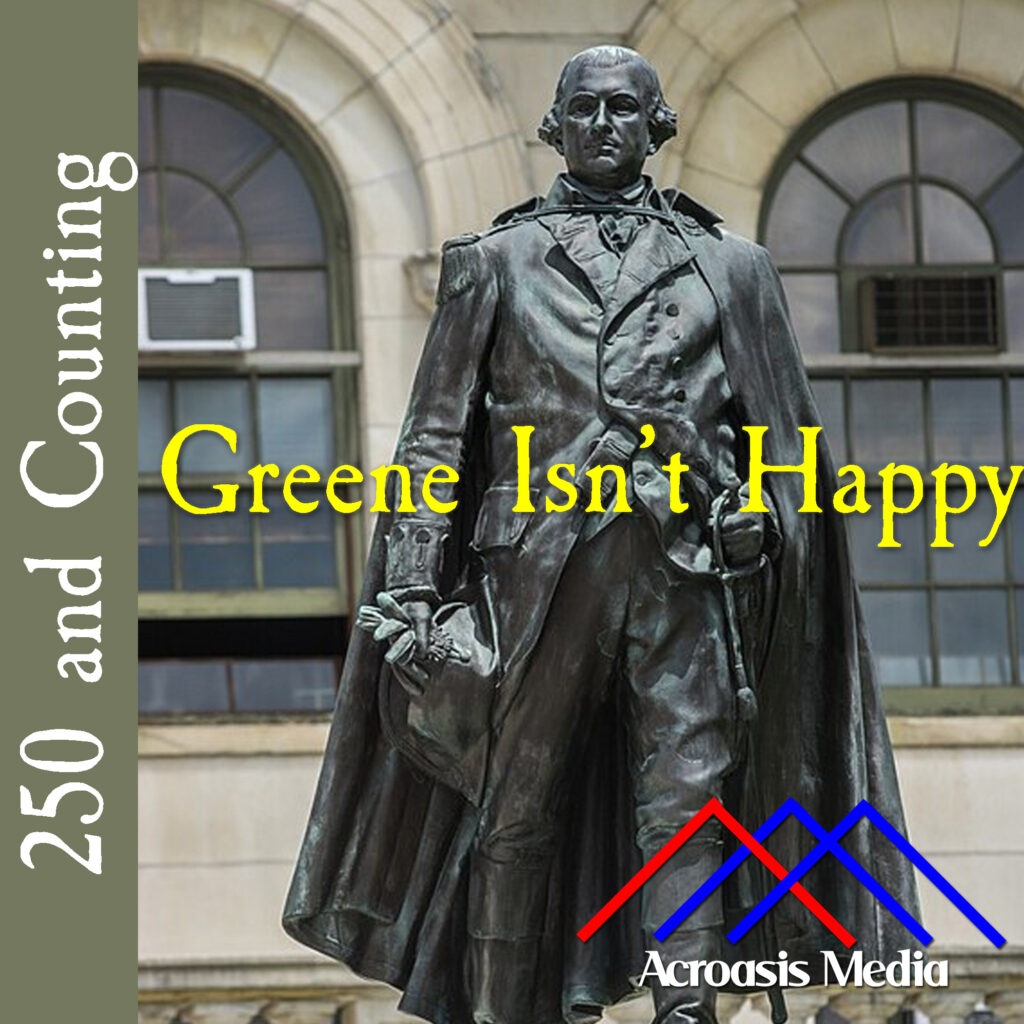
    Cover art for August 15, 1776: Statue of Nathaniel Greene at the Rhode Island State House.

    Nathanael Greene was among the first to step up when the shooting started at Lexington and Concord. This is almost certainly because a British official seized a vessel owned by Greene and his brothers.

    After the Intolerable Acts were enacted in 1774, Greene organized a militia unit called the “Kentish Guards.” Despite his leadership, he was not selected as an officer in that militia because he had a limp he’d acquired in childhood (there are no records extant showing why this was the case.)

    However, when the war broke out, Greene was selected to lead the Rhode Island Army of Observation and head to Boston. That company was involved with the battle at Bunker Hill but Greene wasn’t there for it; he was visiting home at the time.

    Later that month, the Continental Army was established, and he became Brigadier General Nathanael Greene. Greene remained with the Boston-based forces after the siege of that city ended, but he rejoined Washington shortly thereafter in New York. As we note in today’s episode, Greene was ill with a severe fever when the Battle of Long Island broke out, but he was able to take command for the Battle of Harlem Heights in September, during the withdrawal from Manhattan. We’ll talk about that more in a few weeks.

  • British Forces Gather in NY–July 29, 1776

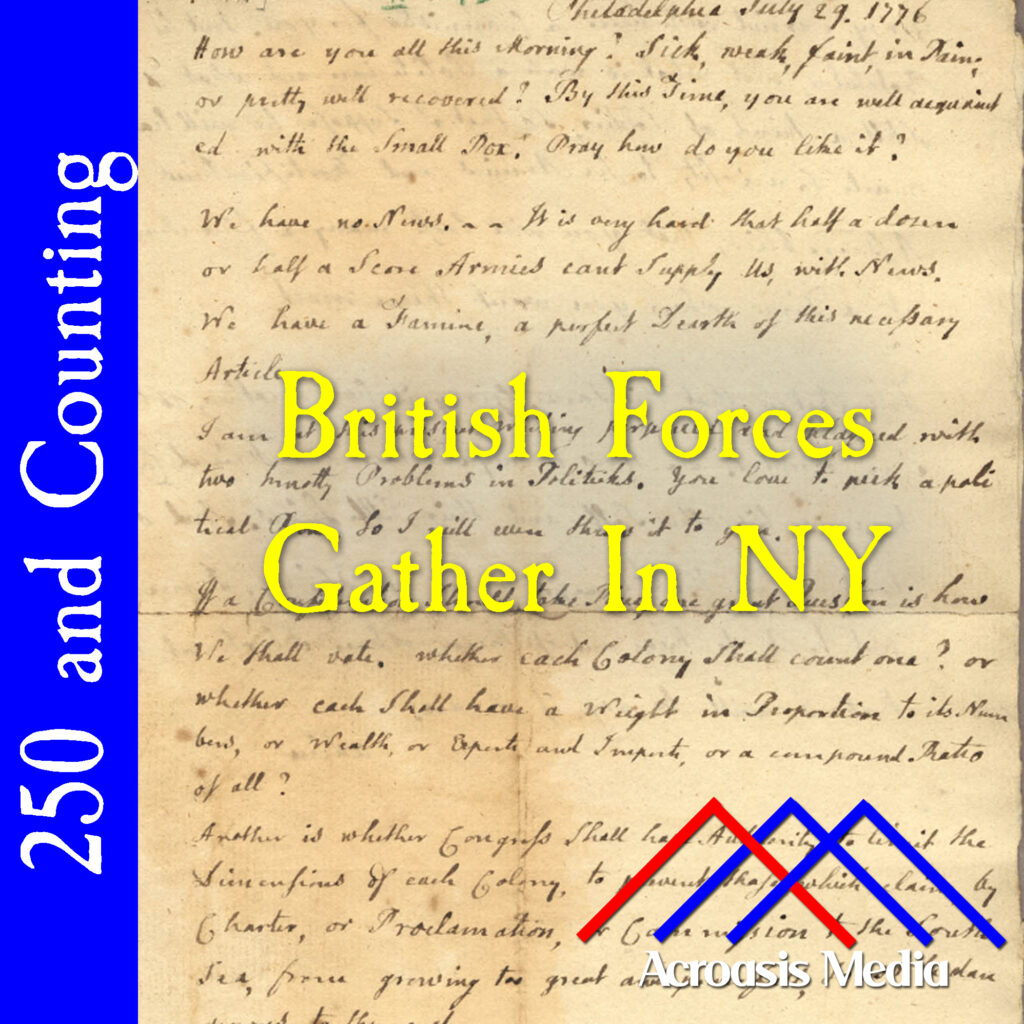
    Cover art for July 29, 1776: letter from John Adams to Abigail written on this date. Via Massachusetts Historical Society.

    The presence of the British in Staten Island wasn’t a big mystery, but within a month after they first arrived, the number of ships in New York Harbor was well over 100, and still growing.

    And, as George Washington suspected (along with many others), the British began moving up the rivers surrounding Manhattan, working their way up the Hudson River in the effort to use New York as a wedge between New England and the rest of the colonies. Specifically, if supplies couldn’t get through, then it weakens both sides of the line.

    As for New York itself, part of Washington’s problem was that he didn’t know if the British plan was to take New York City (still a small chunk of Manhattan Island at that time), or to move through Long Island. As a result he had to hedge the bet a little bit and send troops in both directions, spreading the Continental Army rather thinly. This may have forced the British to do something quite similar, but they still had Washington vastly outnumbered.

  • Washington Arrives In New York–April 13, 1776

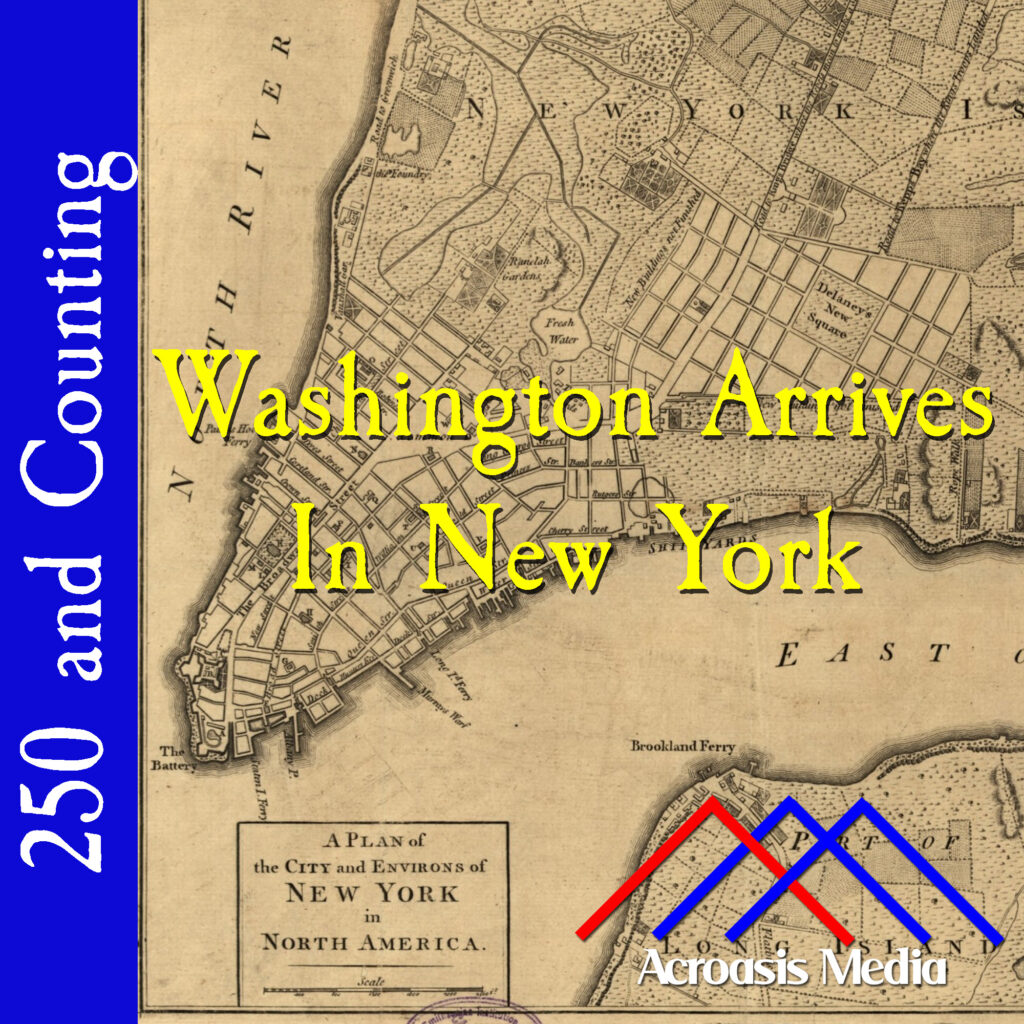
    Cover art for April 13, 1776: a 1776 map of New York City and the immediate area (detail). Fort Stirling would be just above the "A" in "Acroasis"; Fort Defiance is off the edge of the map to the south. via Library of Congress.

    When George Washington arrives in New York, things aren’t quite the way he’d like them to be, but he doesn’t really have time to worry about that.

    Construction of Fort Defiance had already begun, and before long the building of Fort Stirling would commence. Even though they were outmanned and outgunned, Washington was going to make sure that if a British victory were to happen in New York, it was going to be a Pyrrhic victory.

    About Fort Stirling: like Fort Defiance, nothing remains of the original structure. When the British evacuated the city in 1783, the locals destroyed whatever remained of the fort. It was originally named Fort Half-Moon because of its shape but it was renamed in honor of William Alexander, who was also known as Lord Stirling.

    There remains a historical marker in the ground for this fort, at the intersection of Clark Street and Columbia Heights; when traveling west on Clark Street it will be on your right, protected by an iron fence (it’s right behind the fence and easy to see). When the park was created and dedicated in 1925, the Fort Greene Chapter of the Daughters of the American Revolution donated the granite tablet that marks the fort’s site.

  • A Fort Grows in Brooklyn–April 10, 1776

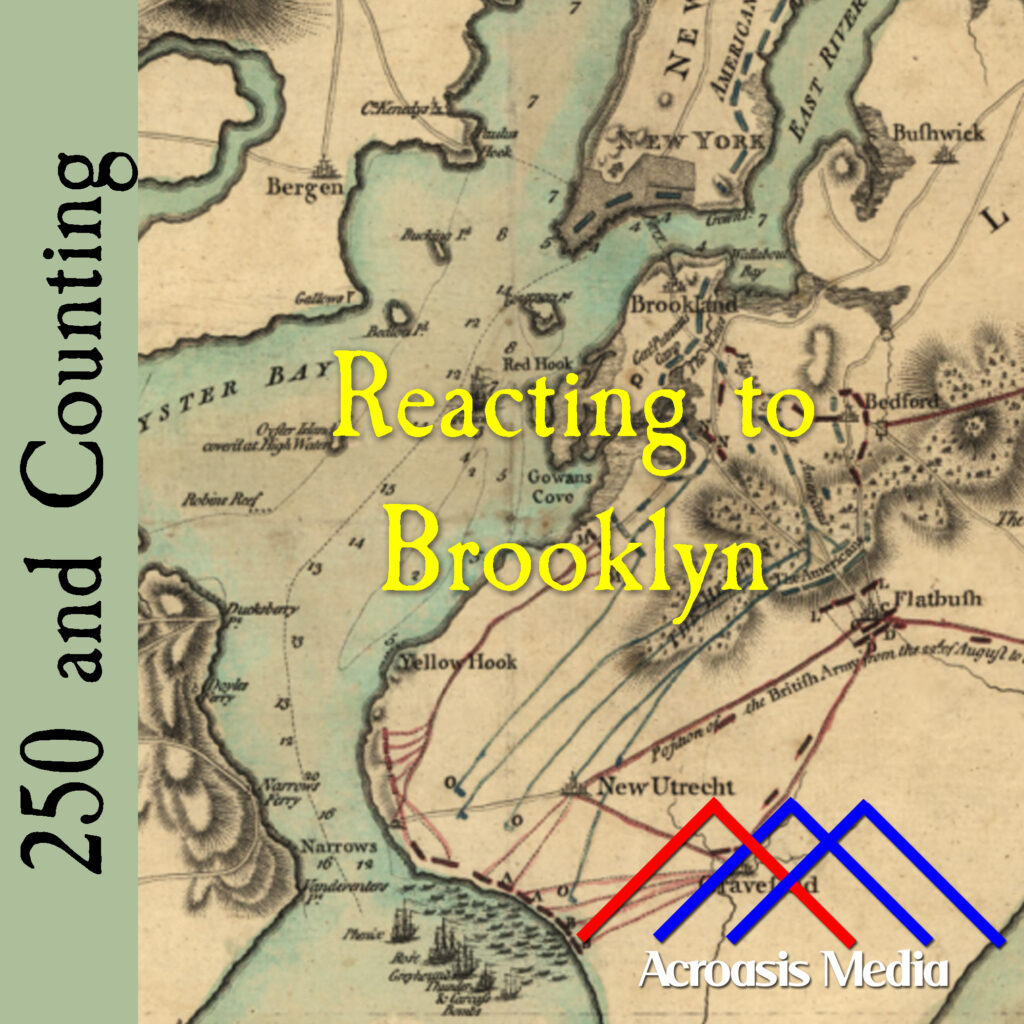
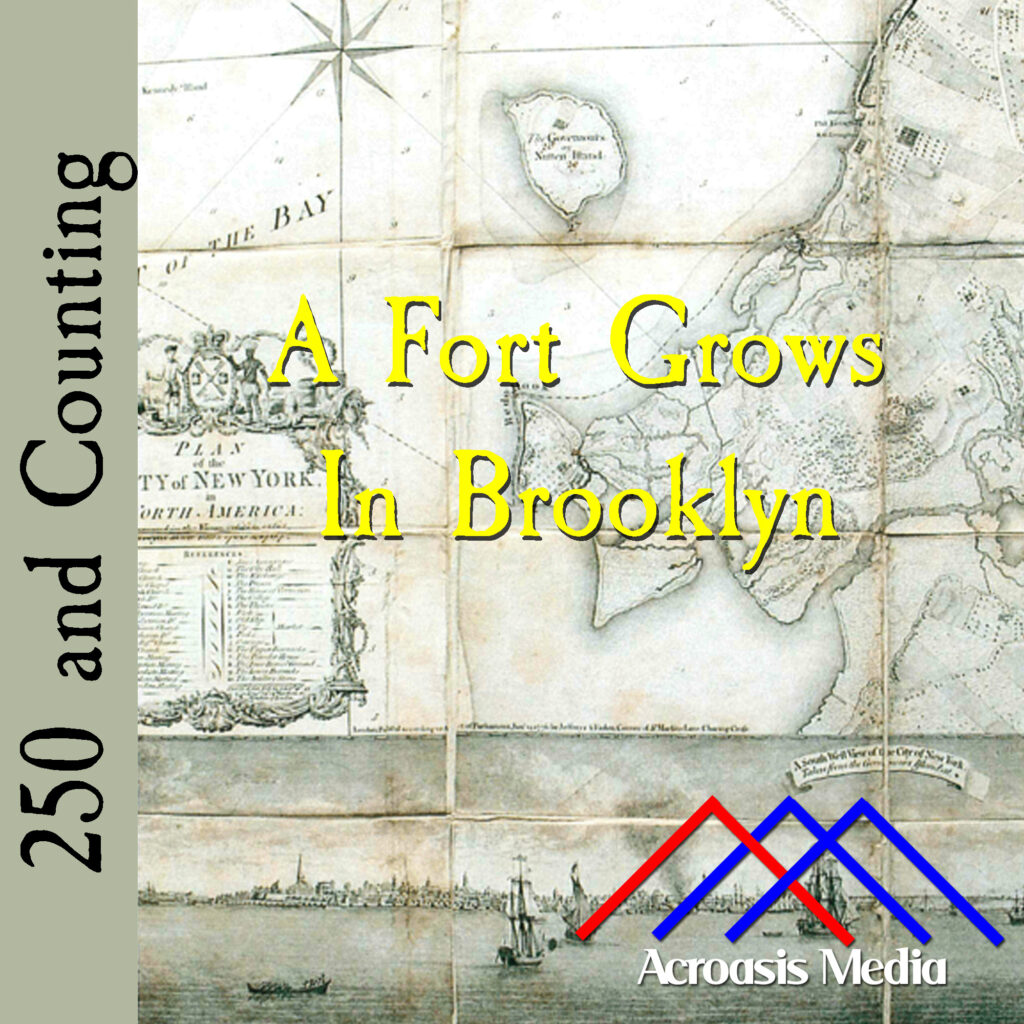
    Cover art for April 10, 1776: a contemporary map of Brooklyn. Red Hook is in the center of the picture, just below the "rt" in "Fort".

    The construction of Fort Defiance in the Red Hook section of Brooklyn made perfect sense. That part of the peninsula sticks out into New York Harbor and provides an excellent view of anything that might be sailing in or out.

    Red Hook comes from the Dutch Roode Hoek, “hoek” translating to “point”, which can still be seen in modern-day maps. The whole area, what we now call Red Hook and Gowanus, was settled by the Dutch in the 1630s.

    Red Hook was some swampy land when the Dutch moved in. But the Dutch know something about swampy land, and they got straight to work, filling in lakes and re-channeling waterways. They began farming the land, including orchards of fruit trees.

    After the war broke out and the Continental Army drove the British from Boston, George Washington sent Brigadier General William Alexander to Brooklyn to see what could be done defensively. A plan was developed to build two forts along the Brooklyn Heights, about a mile and a half apart. Fort Greene would be the furthest east, Fort Defiance would be the furthest west. Across the channel on Governor’s Island, another fort would be built, so that British ships could be fired on from both sides.

    Now, when we say “fort,” we’re not talking about something made of wood or stone. Plenty of those did exist, but not here. This was more like a breastworks built of earth and stone, which had a few cannons near the top. There were three of these breastworks connected by trenches, and they took up most of the island on which they stood. (Incidentally, Mike was correct about the island not existing anymore; the space was filled in and is now part of the larger land.) This took only a few days to put together; the fort at Governor’s Island was more like what one would expect to see.

    By the time the British arrived, the Continental Army was quite ready from a defensive standpoint. But the British were much larger in number and had a Navy besides. Stay tuned; it’s going to be an exciting summer.