Tag: Charles Lee

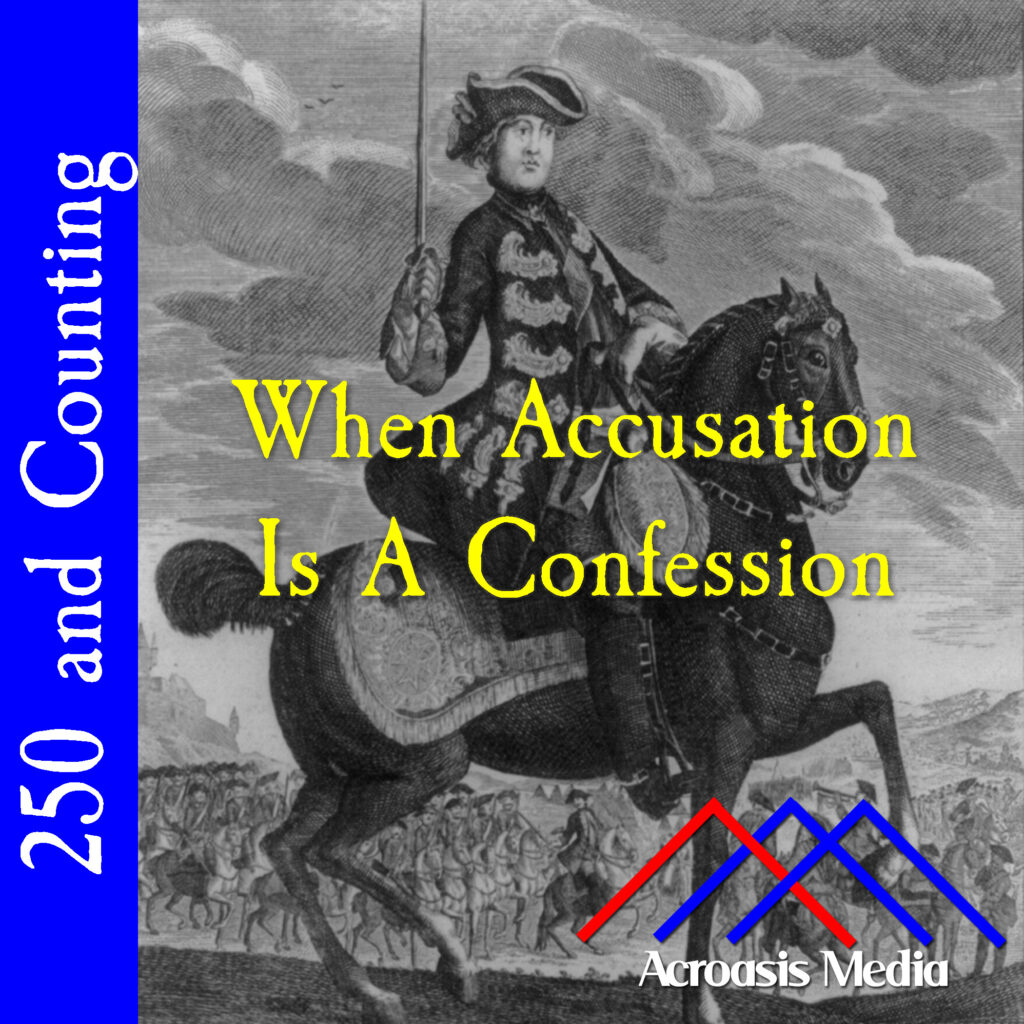
  • When Accusation Is A Confession–July 22, 1776

    Cover art for July 22, 1776: General Lee on Horseback, Engraved by Johann Michael Probst, 1790. via Library of Congress.

    That Charles Lee turned out to be giving information to the British is one of those things that feels obvious in retrospect.

    As Mike notes during the episode, Lee was passed over for command of the Continental Army, and even though he was still in a position of importance and command, things like that can eat away at some people.

    Now, by most accounts, and through review of existing documents, Lee generally acquitted himself well in the Southern Department and in New York, although at the time of his capture there he was writing a letter to General Horatio Gates complaining that George Washington was somehow deficient.

    However, his attitude toward the Continental Army continued to deteriorate after his release in 1778. He was held partly responsible for the outcome of the Battle of Monmouth, likely because he was rather capricious with his actions. Because he behaved insubordinately afterward, Lee was court-martialed (at his demand) and found guilty, but given the very light sentence of a year’s suspension from the army. Before the year was out, however, he wrote an angry letter to Congress that resulted in his termination of service.

    It wasn’t until the 1850s that the New York Historical Society discovered a manuscript Lee had written while he was a prisoner of war. It was addressed to both Richard and William Howe, and outlined a plan by which the British could defeat the Continental Army. Whether Charles Lee is specifically guilty of treason is still debated among historians, though he’s commonly been presented as a villain in popular culture of the past 80 years or so.

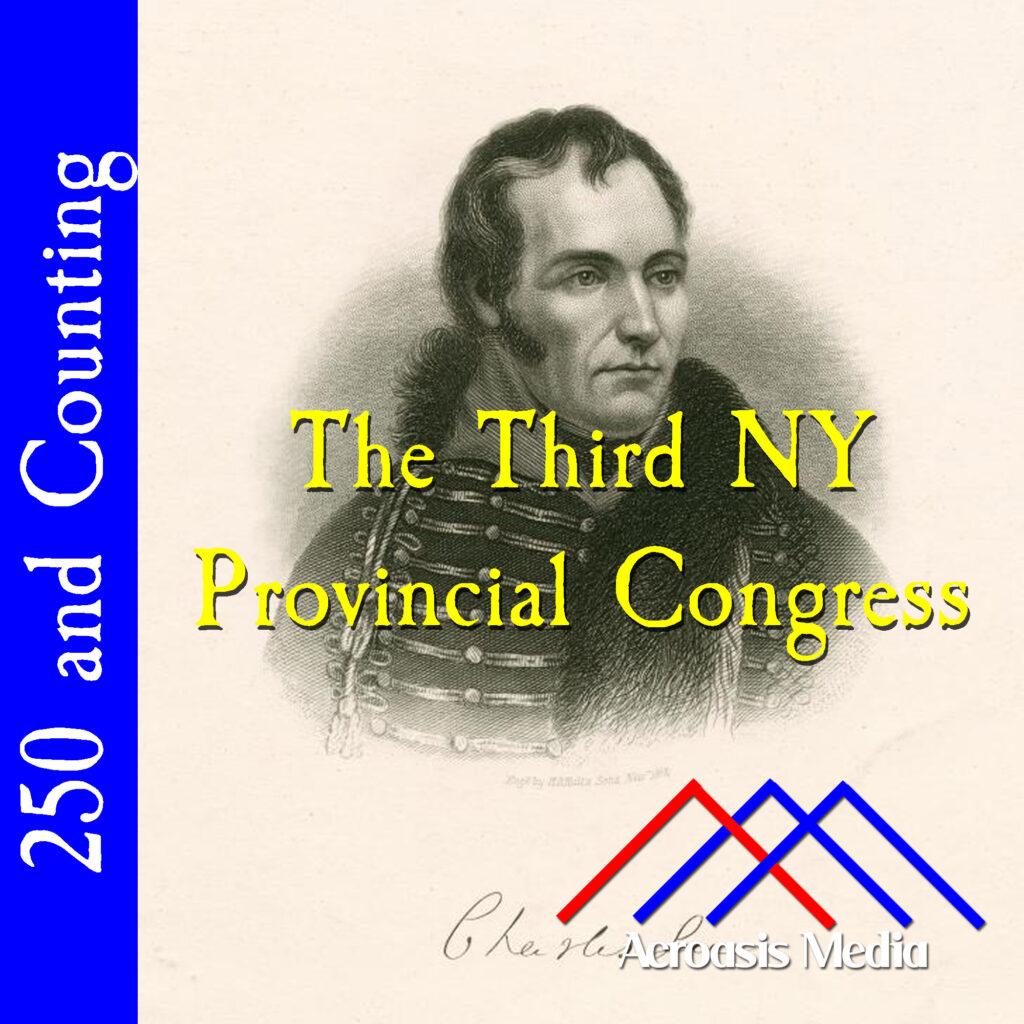
  • The Third NY Provincial Congress–May 22, 1776

    Cover art for May 22, 1776: portrait of Major-General Charles Lee. Engraving created in 1860 by H.B. Hall & Sons of New York.

    When the Third NY Provincial Congress convened on this day, chances are that nobody really got their hopes up.

    By this point, that body had already met a few times, so it was generally known where they stood when it came to the Independence Question. And sure enough, when they sent delegates to the Continental Congress, they sent those delegates with instructions to oppose Independence. Rather than do that, however, the New York delegation typically just remained on the sidelines, appearing to neither favor nor oppose the notion. This went on for several weeks, and while it didn’t necessarily hinder the cause, neither did it really help matters.

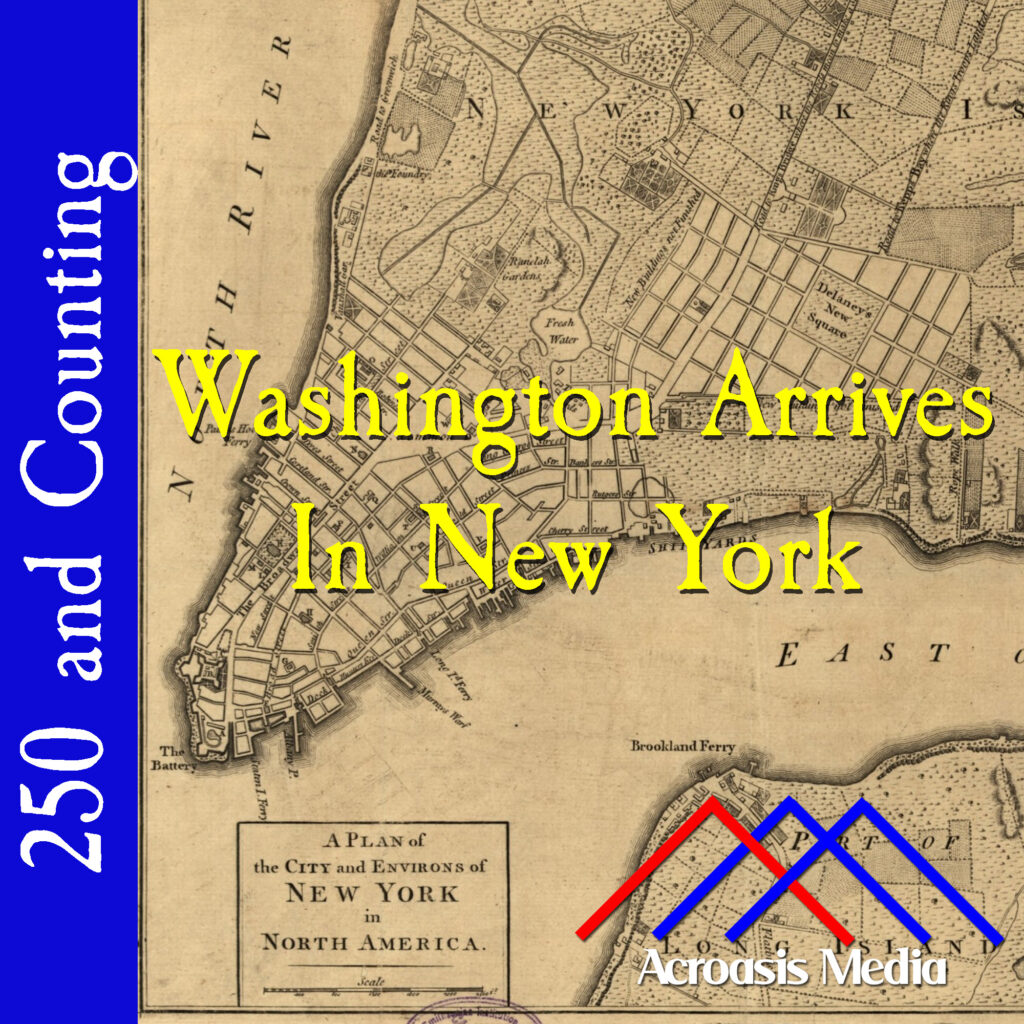
  • Washington Arrives In New York–April 13, 1776

    Cover art for April 13, 1776: a 1776 map of New York City and the immediate area (detail). Fort Stirling would be just above the "A" in "Acroasis"; Fort Defiance is off the edge of the map to the south. via Library of Congress.

    When George Washington arrives in New York, things aren’t quite the way he’d like them to be, but he doesn’t really have time to worry about that.

    Construction of Fort Defiance had already begun, and before long the building of Fort Stirling would commence. Even though they were outmanned and outgunned, Washington was going to make sure that if a British victory were to happen in New York, it was going to be a Pyrrhic victory.

    About Fort Stirling: like Fort Defiance, nothing remains of the original structure. When the British evacuated the city in 1783, the locals destroyed whatever remained of the fort. It was originally named Fort Half-Moon because of its shape but it was renamed in honor of William Alexander, who was also known as Lord Stirling.

    There remains a historical marker in the ground for this fort, at the intersection of Clark Street and Columbia Heights; when traveling west on Clark Street it will be on your right, protected by an iron fence (it’s right behind the fence and easy to see). When the park was created and dedicated in 1925, the Fort Greene Chapter of the Daughters of the American Revolution donated the granite tablet that marks the fort’s site.

  • When Generals Meet–February 4, 1776

    Cover art for February 4, 1776: a war map of New York City from 1776. This was almost the entire city at that time.
    A war map of New York City from 1776. This was almost the entire city at that time.

    OK, I’ll admit I cheated the title a little bit. The fact is, both General Charles Lee, who was part of George Washington’s inner circle, and General Henry Clinton, who was a British general, did arrive in New York City on the same day.

    The odds are pretty low that, despite how small New York City is compared to today, they actually encountered one another on this day.