Tag: Foreign Relations

  • The French Connection–March 1, 1776

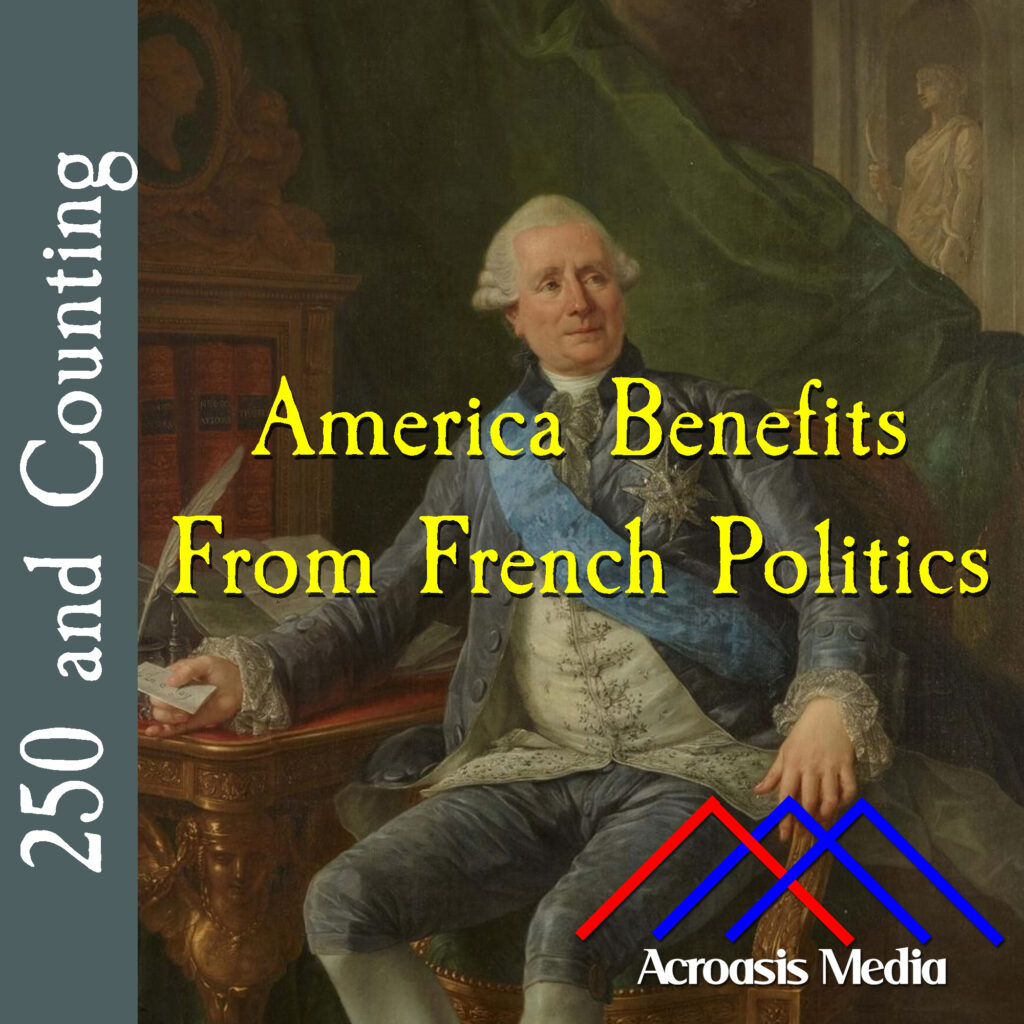
    Cover art for March 1, 1776: portrait of Pierre Augustin Caron de Beaumarchais, created by Jean-Marc Nattier, 1755. via Wikimedia Commons.

    We bumped into a little dilemma when putting together this episode. Specifically, what do we do when 1776 doesn’t match up with 2026?

    As it turns out, 1776 was a leap year, so that year had a February 29, whereas 2026 does not. So we decided to do what most Leap Babies seem to do: mark the day on March 1.

    To that end, today marks two events: first, we take a look at an arrangement that France and Spain made to trade with America on a kind of gray market. That arrangement was first presented to King Louis XVI on February 29, 1776.

    From there we jump to March 1, the date that the Royal Navy began enforcing the Prohibitory Act in earnest. It was supposed to go into effect on January 1, but presumably the Navy didn’t know about it until after that date, so March 1 became the agreed-upon start date. Under the terms of the Prohibitory Act, the Colonies were banned from trading with other nations, in addition, any Colonial ships were considered enemy vessels and were subject to being captured and retained. Likewise, any sailors aboard those ships were enemies of the Crown and to be treated as such.

    This was almost certainly the last straw for many in the Colonies.

  • British People Noticing Things–February 24, 1776

    Cover art for February 24, 1776: "Entrada al Castillo de San Antón [Entrance to the Castle at St. Antón]", in La Coruña, Spain. Uploaded by "Marcus", via Wikimedia and used under Creative Commons under SA 3.0

    A Coruña is a coastal city in northeastern Spain that’s often stylized as La Coruña, as Mike says in this episode. Its location makes it an ideal port for trade with other nations, and the American Colonies was no exception.

    Now, France gets a lot of attention for the assistance they gave us during the Revolution, but Spain was at least as helpful as France was. They were just quieter about it. So it was probably just a matter of time before some British officials noticed ships in the Spanish harbors that appeared to be engaging in more than your typical trade. What’s more, the presence of Dutch materiel suggested that Spain may have been acting as a third party between Holland and America, to enact some nearly-clandestine trade with the Colonies for gunpowder and other stuff.

    As the year wore on, Spain would become a little more openly involved in the war effort.

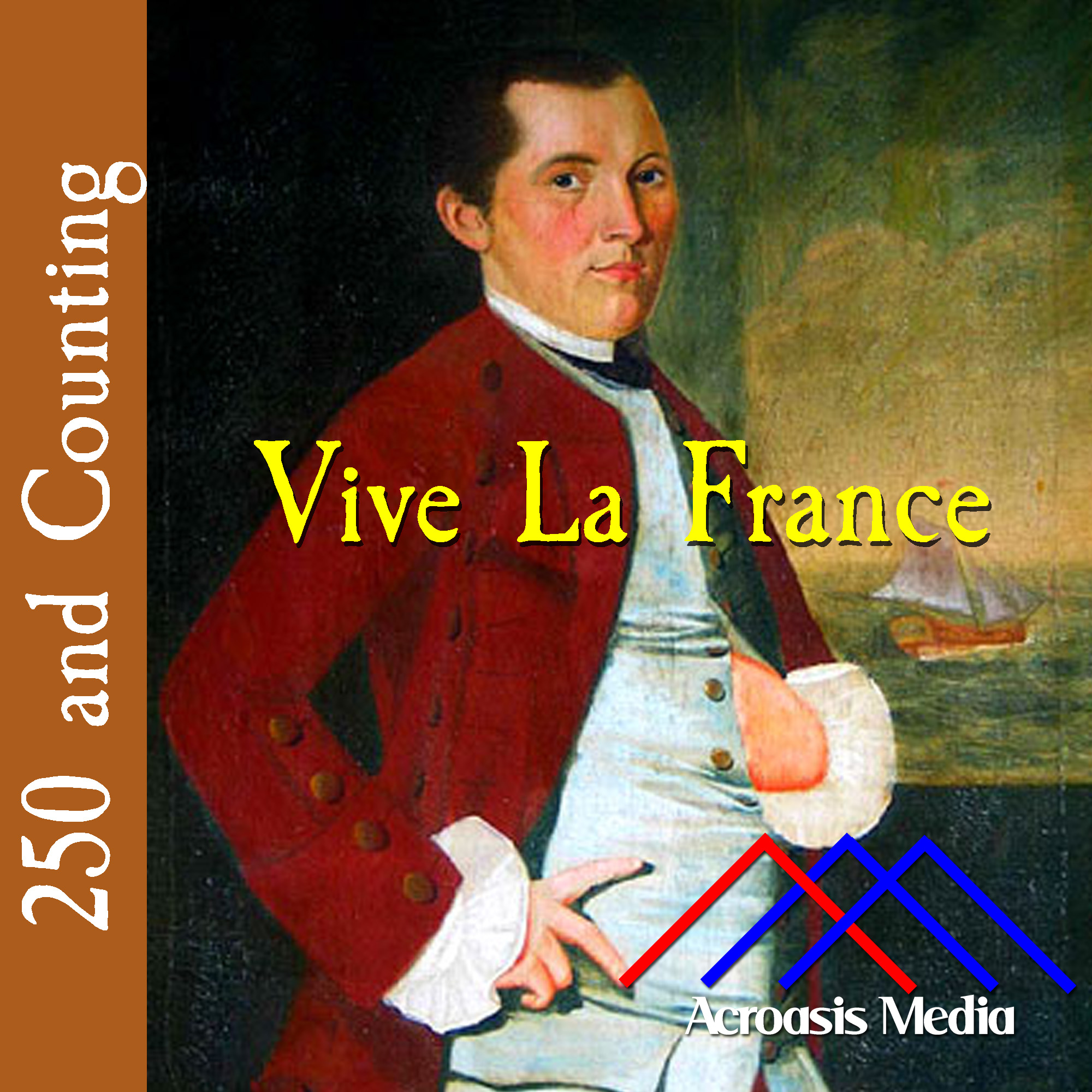
  • Vive La France–February 6, 1776

    Vive La France–February 6, 1776

    Much like the Hessians of our last episode, the story involving our getting French recognition and friendship is longer and more complex than most people realize.

    The events of today were important, but they laid the groundwork for so much more in the future. France was already annoyed with Britain over the Seven Years’ War, so supporting the Colonies was the shrewd thing to do: France would annoy Britain with the treaty, America would get arms and soldiers (and naval support), and we wound up with a good friend later on for trade and merchant support.

    The French were reluctant to cooperate at first, in part because they were hedging their bets about the war’s outcome. But with a little luck and a few battle victories, a lot of formerly-clandestine activites became more overt. What’s more, without French assistance throughout the war, we might all be speaking British now.

    Oh, wait.