Tag: George Mason

  • Virginia Adopts A Constitution–June 29, 1776

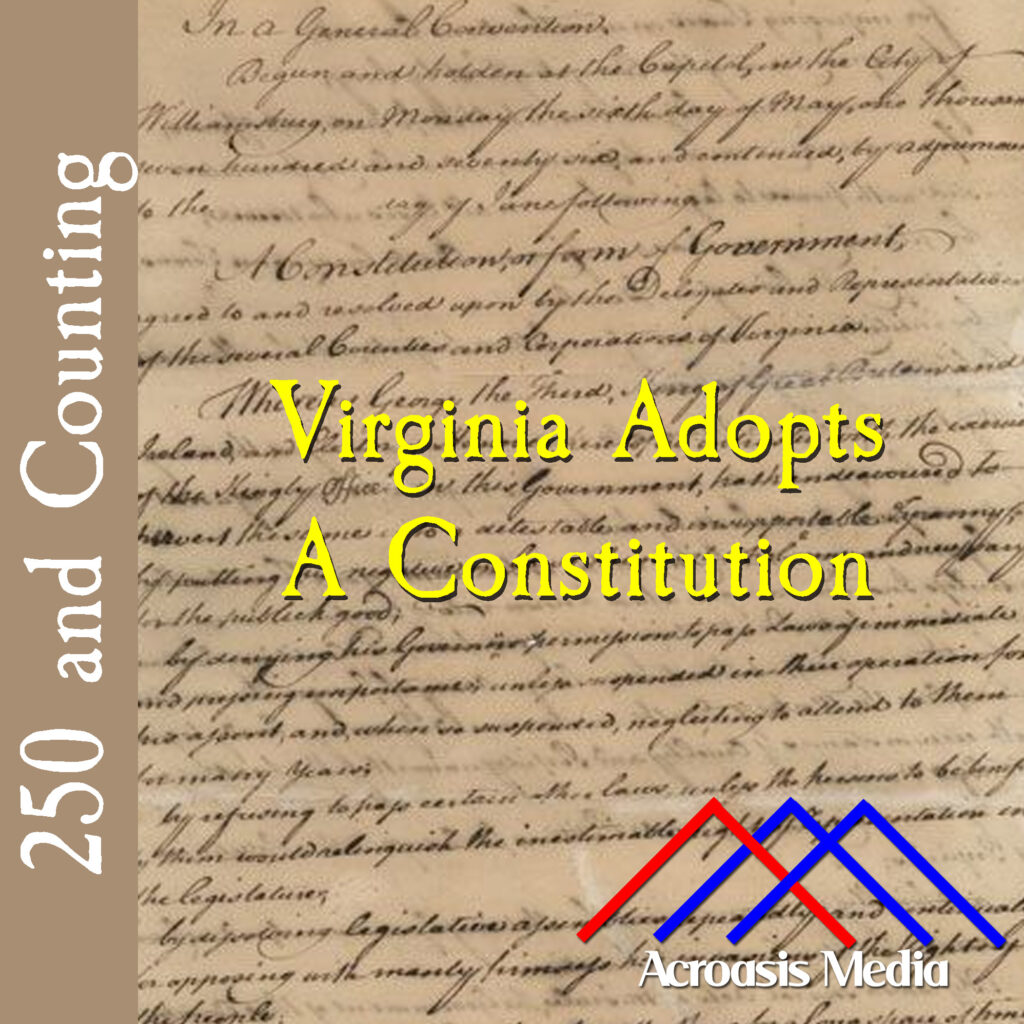
    Cover art for June 29, 1776: a page from the original Virginia Constitution.

    The Constitution of the Commonwealth of Virginia, more commonly known as the Virginia Constitution, was formally adopted on this day in 1776, after months of work.

    Most of the credit for its overall structure goes to James Madison and George Mason, both of whom also worked on the US Constitution in later years. And like any good living document, it’s been through several large-scale amendments, in 1830, 1851, 1864, 1870, 1902 and 1971. Nearly all of these were in response to periods of major regional or social upheaval in Virginia. (Gee…I wonder what happened in 1864 that necessitated a Constitutional Convention?) In between, there have been minor amendments to ensure that the Virginia Constitution conforms to changes in Federal law. For instance, an amendment was passed in 2006 defining marriage as being a union “between one man and one woman” (because they didn’t learn anything from the Loving v. Virginia decision?)but was subsequently overturned by Obergefell v. Hodges in 2015.

    The Virginia Constitution is still subject to criticism that the legislature may still be too powerful, but it’s actually easier to amend the document through citizen votes than through a Constitutional Convention. Go figure.

  • The Virginia Declaration of Rights–June 12, 1776

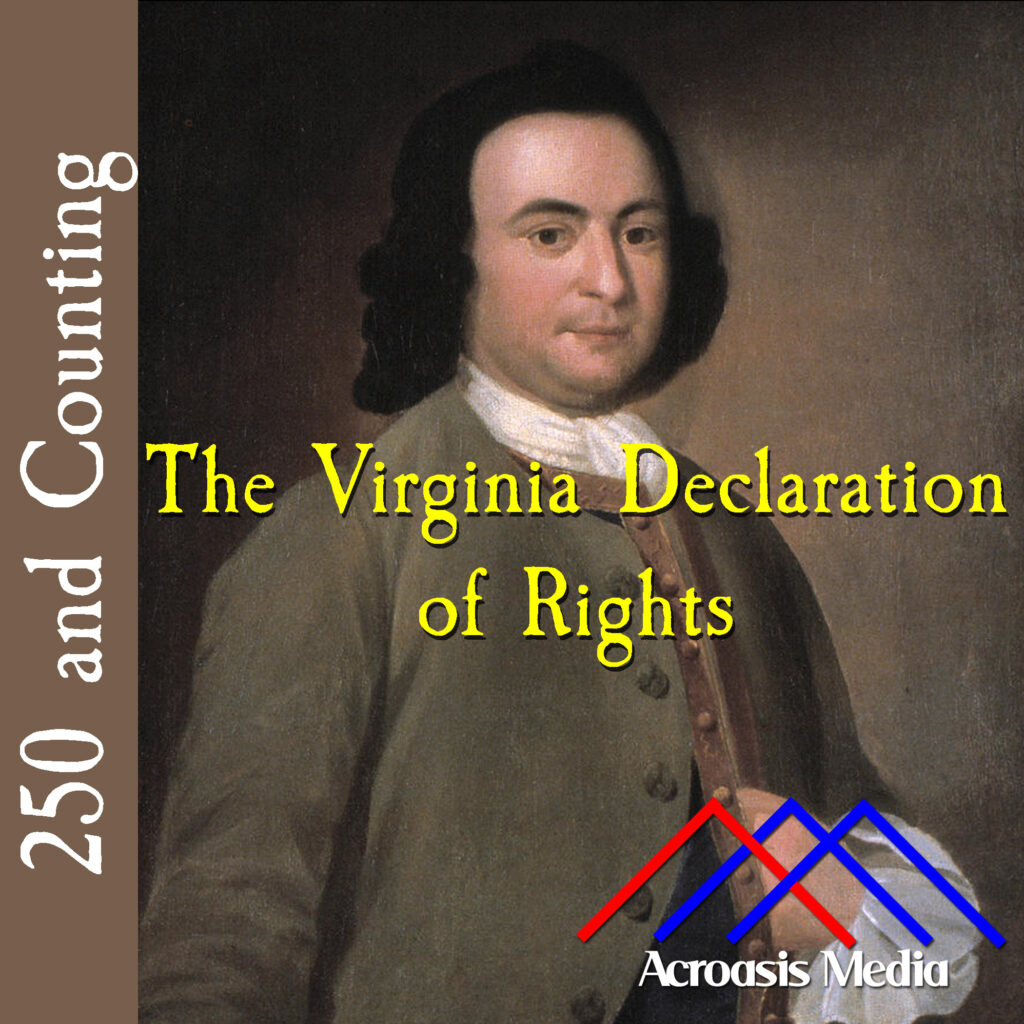
    Cover art for June 12, 1776: portrait of George Mason created by Dominic W. Boudet. It was an 1850 copy of a 1750 original by John Hesselius that had badly deteriorated.

    While the Virginia Declaration of Rights wasn’t adopted until today, and Thomas Jefferson only got started on writing the Declaration of Independence yesterday, it’s known that the Virginia document was one of the few references that Jefferson had with him when he first began writing.

    The other one we know about for sure is the draft of the Virginia Constitution, which Jefferson himself had written.

    The Virginia Declaration of Rights not only served as a big chunk of Jefferson’s inspiration for the Declaration of Independence, you can definitely see echoes of it in the US Constitution, particularly the Bill of Rights. (In fact, if you read Section 13 of the Virginia Declaration, you’ll see the heart of the more contentious language from the Constitution’s Second Amendment.)

    The big difference between the Virginia Declaration and the Constitution is that the Constitution is the actual law, whereas George Mason’s document is more prescriptive (e.g. thus-and-such should happen, or this ought to be the situation.)

    Follow the links above and do a little compare-and-contrast. You might have fun!