Tag: Ninety-Six District

  • One Thing Ends, Another One Begins–December 21, 1775

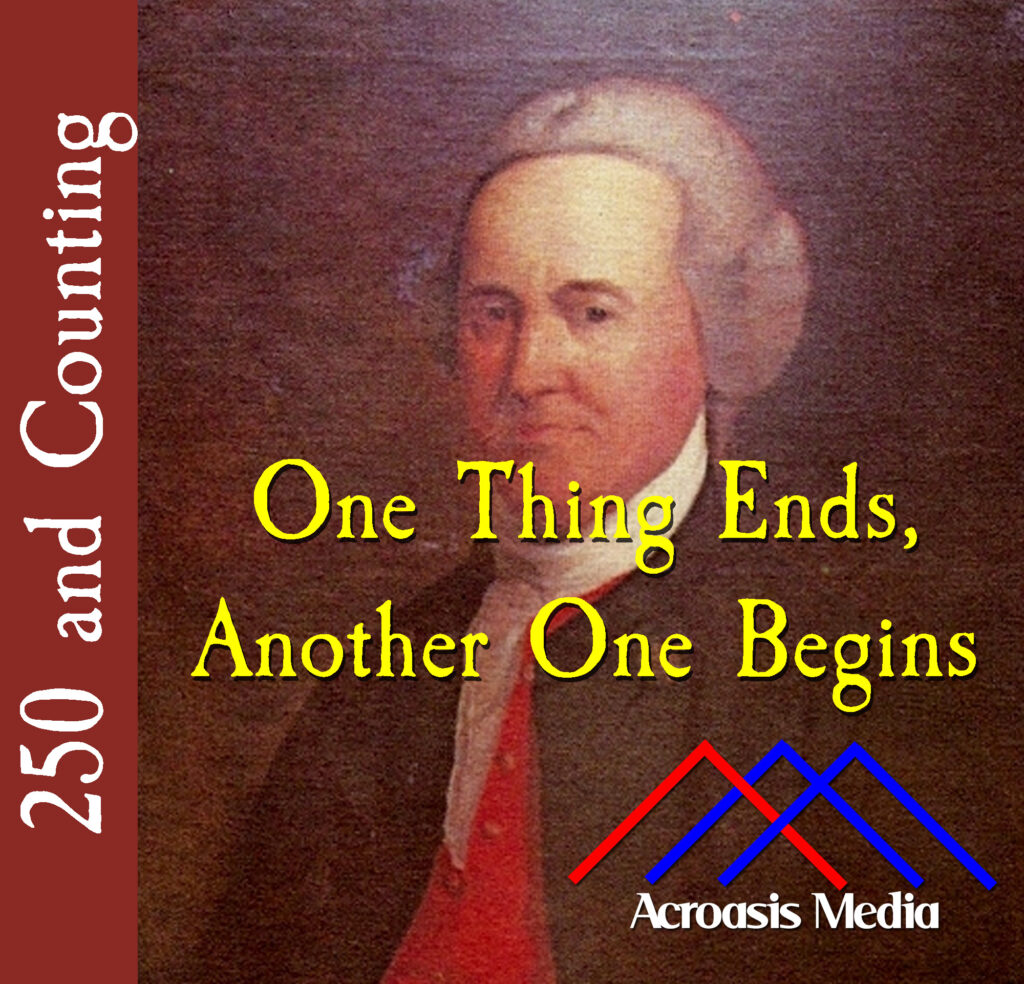
    Cover art for December 21, 1775: portrait of Richard Richardson, attributed to Jeremiah Theus.
    Undated portrait of Richard Richardson, attributed to Jeremiah Theus.

    General Richard Richardson was a delegate to the Provincial Congresses in South Carolina in 1775 and 1776, and he served in both the South Carolina Militia and the Continental Army during the Revolution. He was instrumental in the Americans winning the Battle of Charleston in 1776, but doesn’t get much else attention, perhaps because he was captured a few years later and then sent home, essentially to die.

    But the fact that he spent time driving Loyalists out of the western areas of South Carolina led directly to that province getting on board with the Independence movement more quickly. He also left behind a legacy of descendants who would affect the state well into the twentieth century.

    Incidentally, I have no idea if there’s any truth to the rumor that Richard Richardson was so poor as a child that he couldn’t afford a different last name. Largely because I made that rumor up just now.

  • The Siege of Ninety Six–November 19, 1775

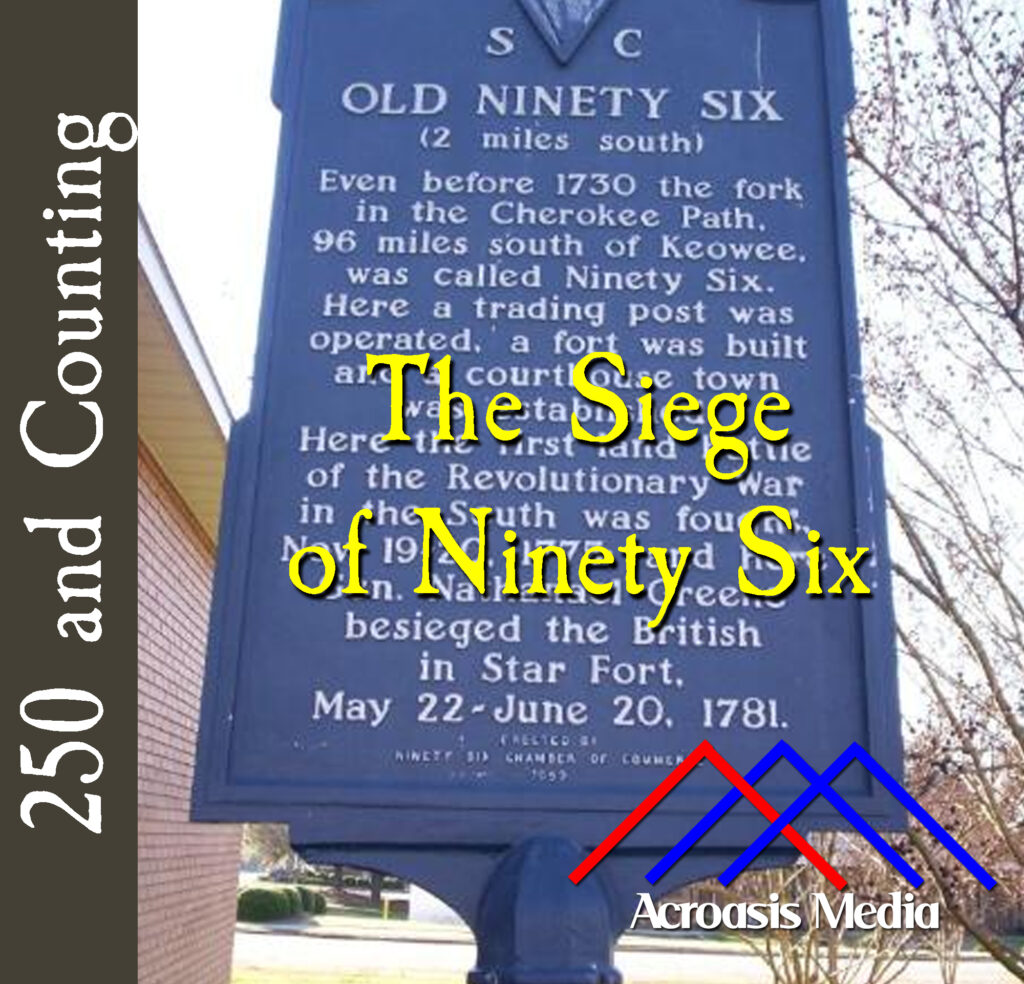
    Cover art for November 19, 1775: memorial plaque commemorating the Siege of Ninety-Six.

    The Siege of Ninety-Six is considered to be the first land battle of the Revolution in the South. And believe it or not, we might be talking about this town again in fairly short order.

    This past Saturday, Governor McMaster officially proclaimed today through Thursday the 250th Anniversary of the battle. And while this battle lasted three days before mutual cessation of hostilities, it was just the beginning of a series of skirmishes between the two factions for for about six years.

  • An Intercepted Gift–October 29, 1775

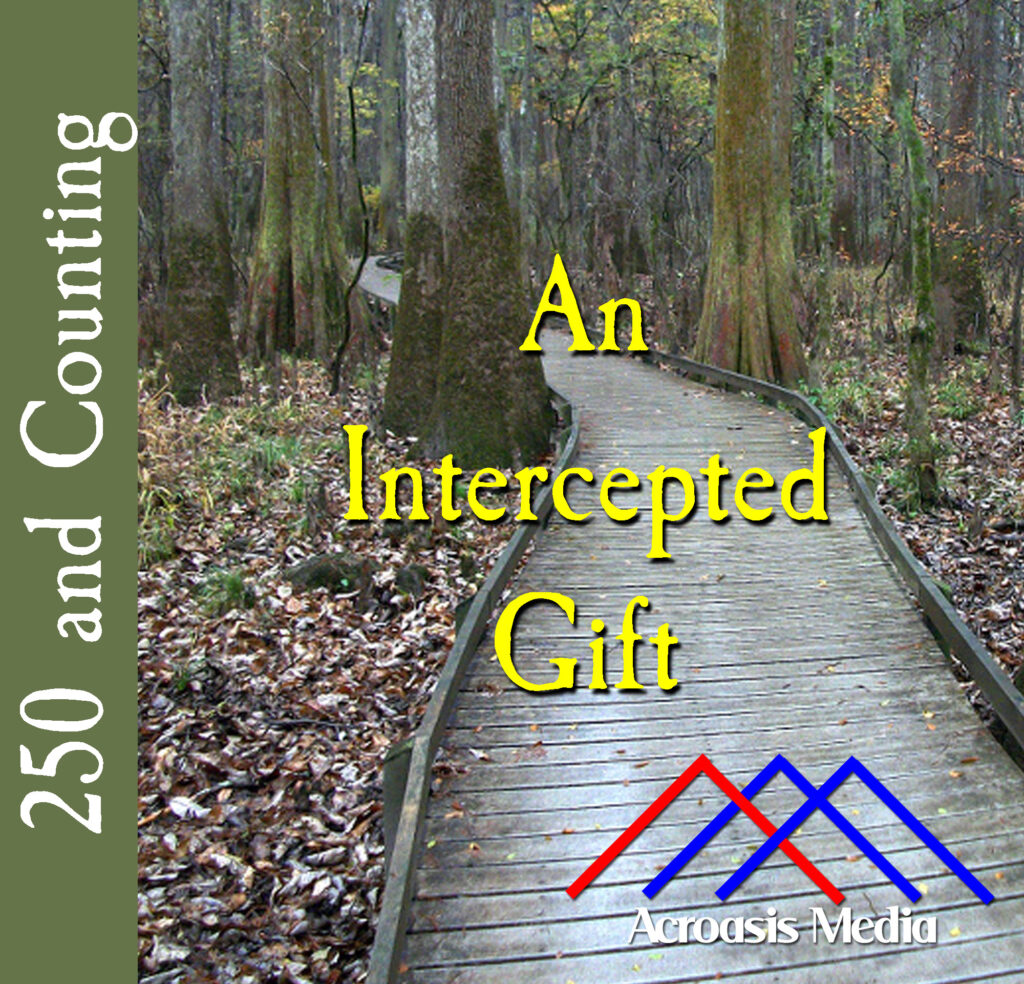
    Cover art for October 29, 1775: A contemporary path through old growth forest in Congaree National Park.

    One of the most fascinating things about this event, and we only got to touch on it briefly in the episode itself, is that some important parts of the story are under dispute.

    What’s not debated is that the order went out to transfer gunpowder and lead to the Cherokees on October 29. What is debated, however, is the date and the place where the materials were confiscated.

    By some accounts, this incident took place on November 3, 1775 in a place called Mine Creek. This is farther inland (by over 70 miles) than reported by Moses Cotter ON November 3, who said it took place at Congaree on October 31. Other than the date and the place, the two stories are nearly the same, right down to the names of the people involved. And, of course, there are historical marker plaques in both locations.