Tag: Oliver Wolcott

  • Connecticut Goes Fourth–June 14, 1776

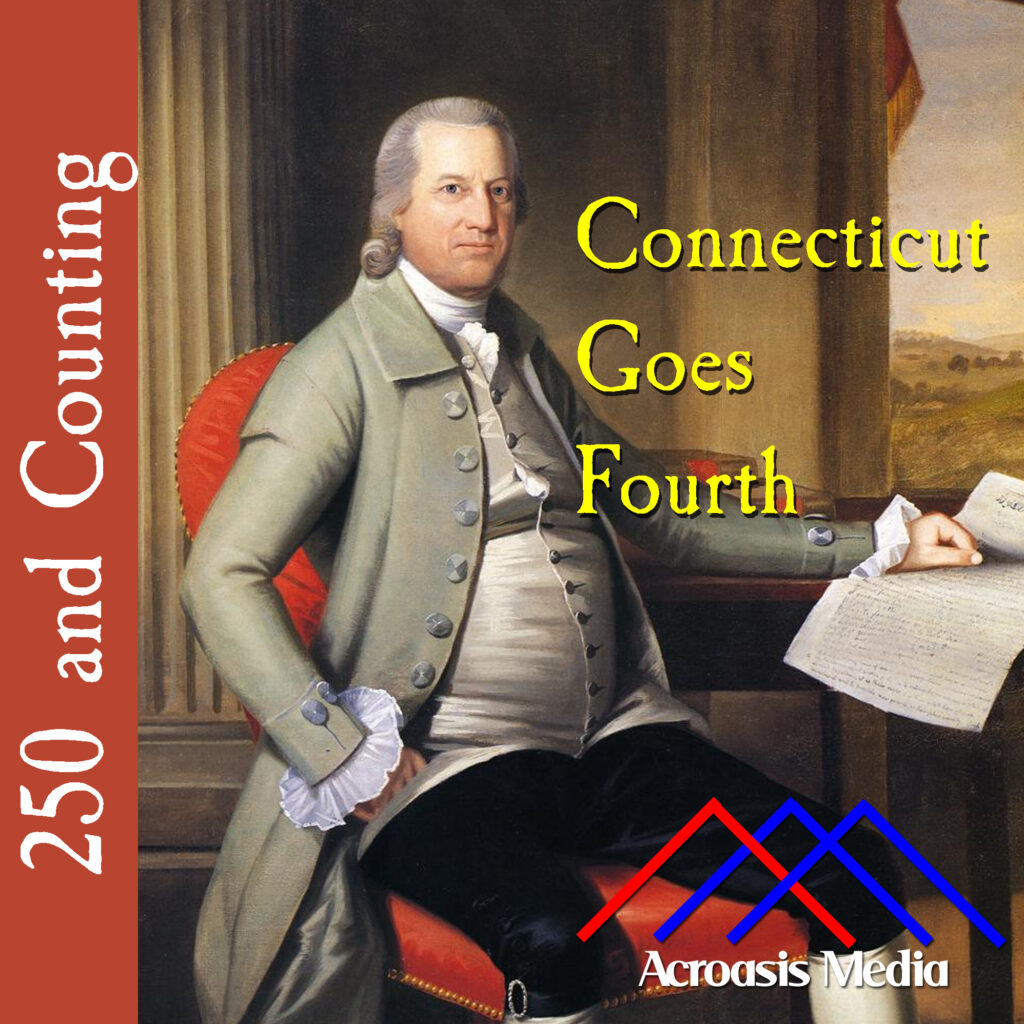
    Cover art for June 14, 1776: a 1789 portrait of Connecticut Founding Father Oliver Wolcott by the American painter Ralph Earl, oil on canvas. via Wikimedia Commons.

    It’s not a misspelling; it’s a pun—oh, forget it.

    Connecticut had already been fighting the war for independence since Bunker Hill, but that’s not the same thing as separating politically from Great Britain. In retrospect, we made it look relatively easy, but once again, remember: something like this hadn’t been done before, and sending instructions to their delegates to vote in favor of Independence was literally directing them to commit an act of treason. So let’s give the individual colonies a little bit of grace, here.

    Now, New York is going to bump into a different kind of trouble, but we’ll talk about that in a few days.

    (It was a little bit funny though, right?)

  • From Connecticut To Georgia–February 20, 1776

    Cover art for February 20, 1776: Portrait of Connecticut Founding Father Oliver Wolcott by the American painter Ralph Earl, oil on canvas. Courtesy of the Museum of Connecticut History.

    Oliver Wolcott was one of our Founding Fathers in that he was one of the men who signed the Declaration of Independence, but while he never achieved prominence on the level of Franklin or Adams, he nevertheless served an important role as a member of the Second Continental Congress.

    As the Revolution began, Wolcott was made a commissioner of Indian affairs, largely to work on ensuring that the northern tribes remained neutral. He was considered qualified for that position because he worked in that part of the continent during the French and Indian War.

    He was elected to the Continental Congress in 1775, and although he was quite ill for a chunk of 1776, he did sign the Declaration of Independence, although it was some time later than everyone else. He was also a signatory to the Articles of Confederation, but he did not sign the US Constitution because by then he was the Lieutenant Governor of Connecticut, becoming governor in 1796. A year later he died at the age of 71.