Tag: William Woodford

  • Tensions Rise At Great Bridge–December 7, 1775

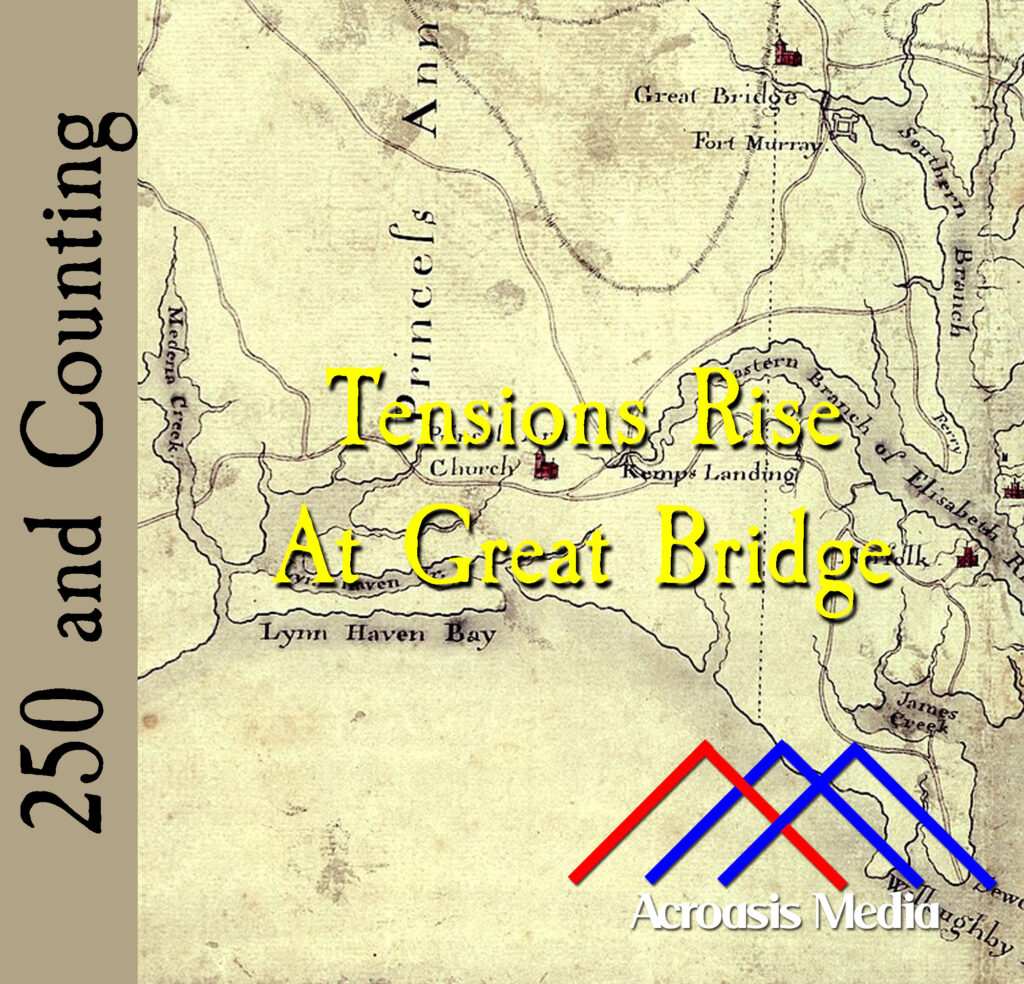
    Cover art for December 7, 1775: Detail from a map circa 1785 showing the Norfolk area. Oriented with North to the bottom, Fort Murray is visible near the top of the map. via Library of Congress Geography and Map Division.

    The map in today’s cover art might be a little confusing to people who live and work in the modern-day Norfolk area. That’s because it’s oriented with North at the bottom. What’s not known is why this was done in this particular case. North/Up South/Down is, of course, the usual convention, and there are arguments that there’s a psychological component to this (e.g. north/up is somehow “better” than south/down).

    From a cartography standpoint, there isn’t much difference between a map oriented one way and a map oriented any other way. In fact, most cartographers consider the matter trivial in nature.

    The bodies are gathering at Great Bridge; in a couple of days the battle begins.

  • Prelude To Battle–November 27, 1775

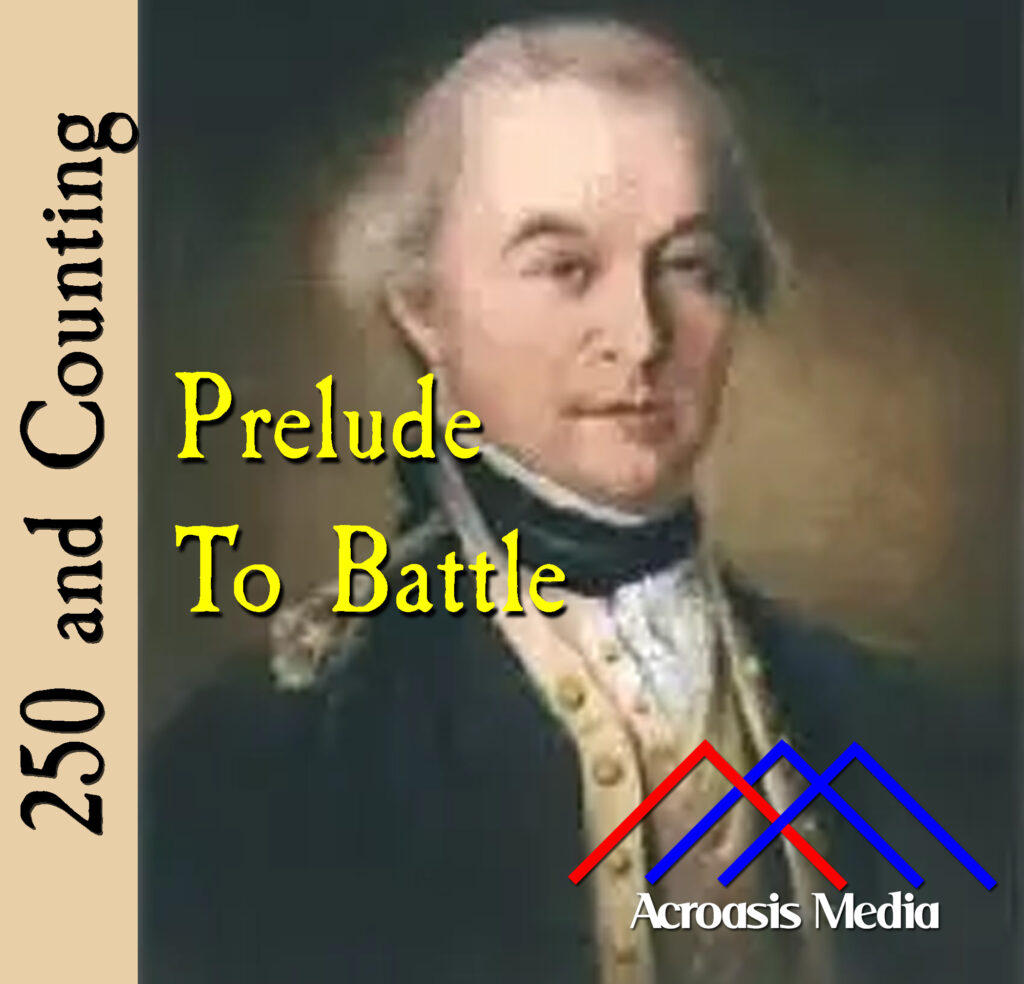
    Cover art for November 27, 1775: Portrait of William Woodford in the late 1770s when he was a general. Artist does not appear to be known.

    Happy Thanksgiving!

    Many people celebrate the day by watching the parade, or some football, or some special episodes of television shows, or Thanksgiving-themed movies.

    Personally I like a combination: I’ll watch the parade, then play an episode or two of The West Wing (there are two Thanksgiving episodes), and then get in a little football. I live in Baltimore and the Ravens are playing tonight, so I’ll be parked in front of the TV for that.

    For the last few years I’ve hosted Thanksgiving, so all of this is going on while I’m cooking during the day, so this is the first time in a bit that I’ll actually be paying attention to what’s on the tube.

    Meanwhile, back in the Revolution, we have the events that precipitated what is probably one of the most overlooked battles of the Revolution, which is a shame because many future events hinged on this happening, and Colonel William Woodford (later a General) is also rather overlooked these days.

  • An Unexpected Battle–October 25, 1775

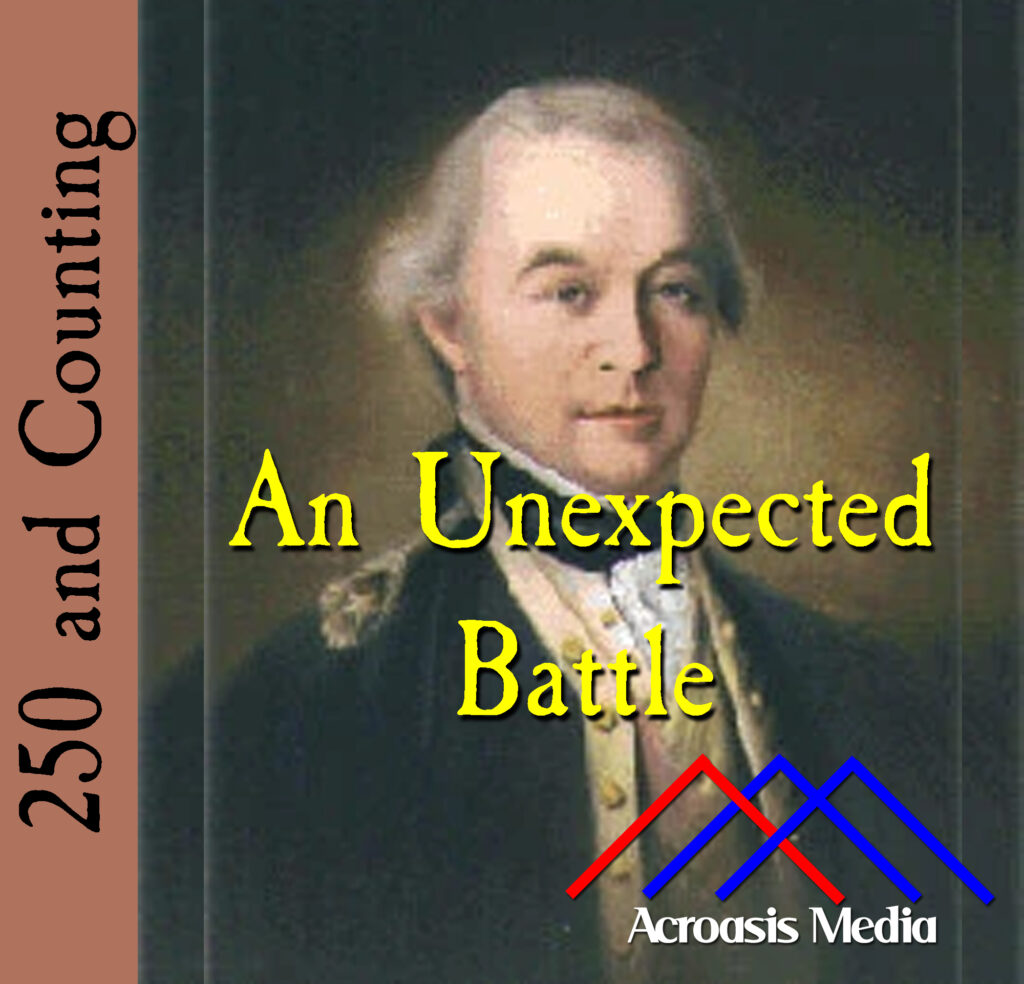
    Cover art for October 25, 1775: portrait of William Woodford.

    William Woodford was both smart and able to see the bigger picture. He’d already begun training his troops in earnest in anticipation of a British attack. Then the word came in that his men were to protect Norfolk or Portsmouth.

    When they began the march, they had not idea that they were about to stumble into a British attempt to attack amphibiously. Woodford’s men repelled the attack and created the first important British casualties of the war effort.

  • RIP Peyton Randolph–October 23, 1775

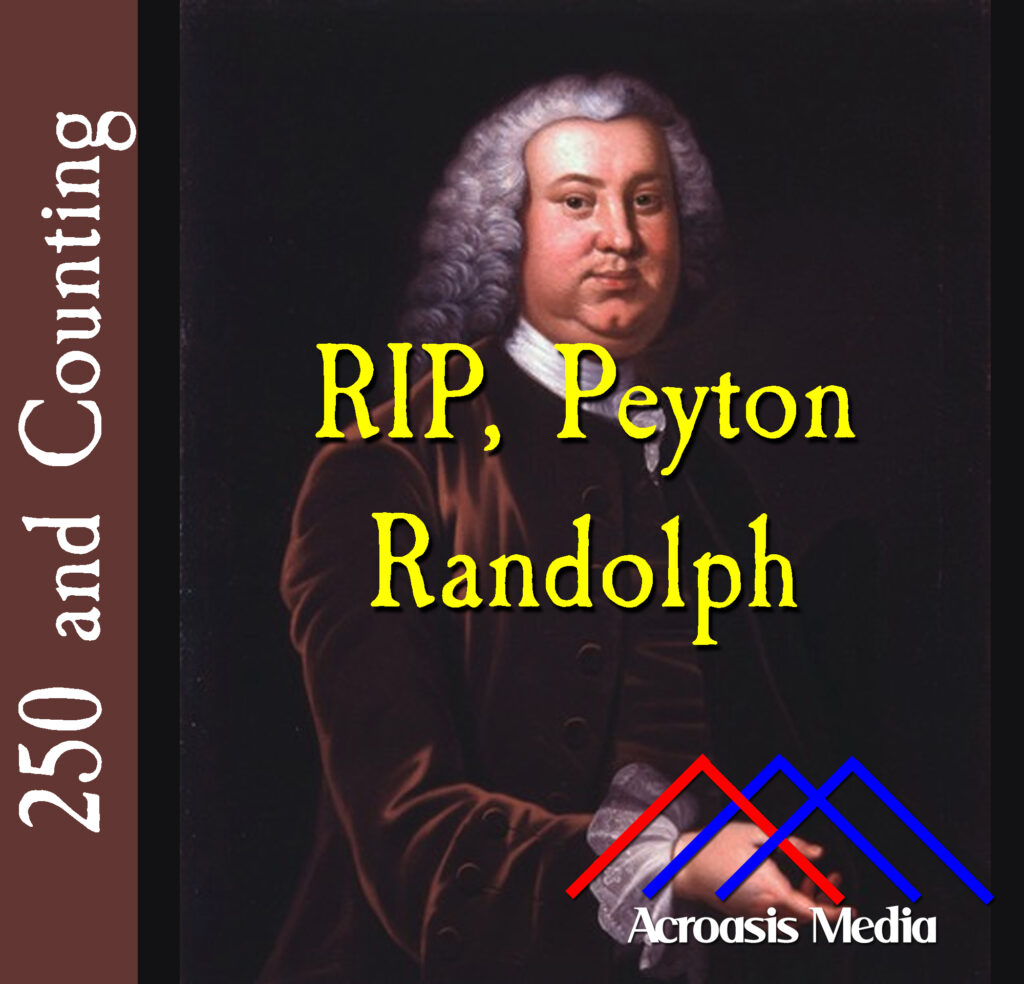
    Cover art for October 23, 1775: Peyton Randolph, by John Wollaston the Younger, 1775.

    Peyton Randolph is another one of those Founding Fathers who goes largely unknown to most people, probably because he died relatively young (age 54) and early in the whole Independence movement.

    But Randolph was a true Patriot and while he wasn’t around to sign the Declaration of Independence, it’s said that his spirit was at the heart of the document.

    It’s worth noting that, as the Royal Governors were kicked out one by one, the Continental Congress began to assume governmental duties for the Colonies. This is why some would argue that, as the first President of the Continental Congress, Peyton Randolph should also be considered our first US President, and never mind the fact that he died before the nation was established. It’s not a terrible idea, we guess…

    Fort Randolph in present-day West Virginia was named after him, as are the Randolph Counties in North Carolina and Indiana, not to mention the town of Randolph, Massachusetts.

  • September 27, 1775: Virginia Prepares For Battle

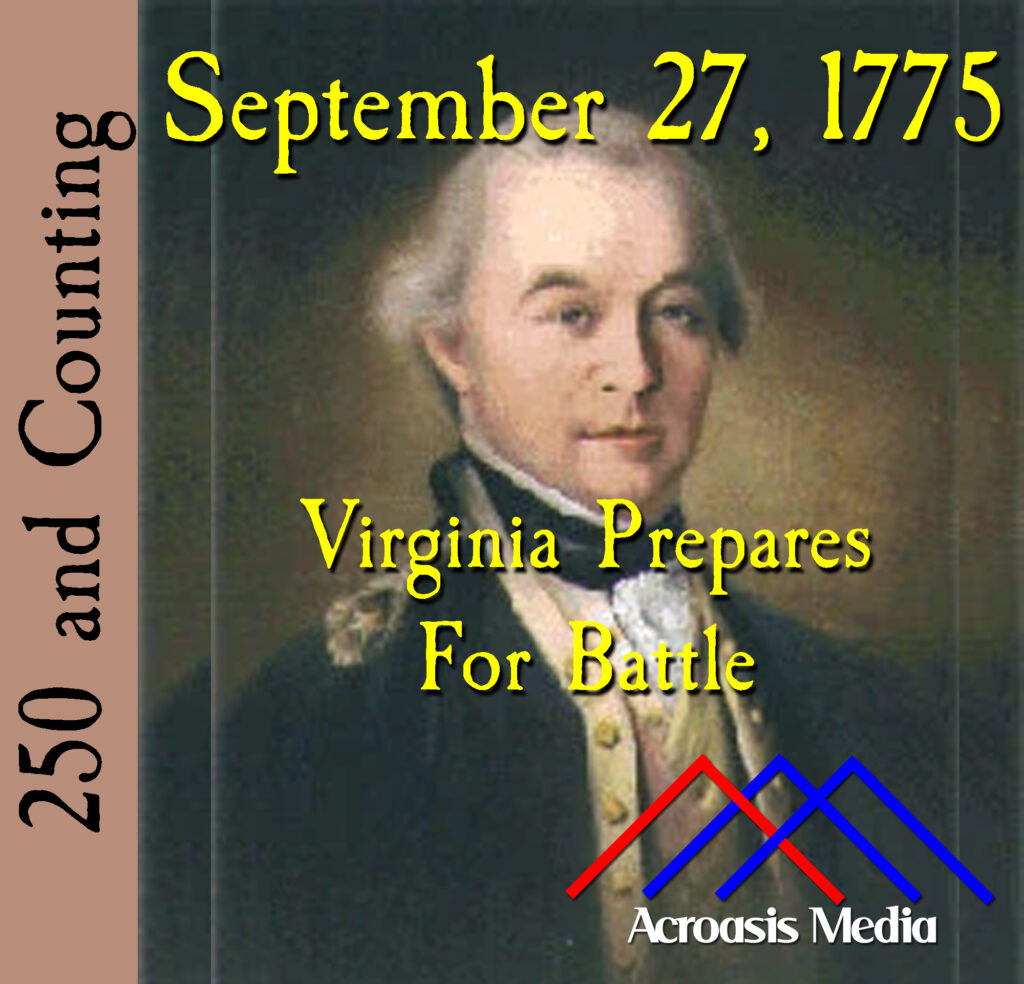
    Cover art for September 27, 1775: Portrait of William Woodford, date and artist unknown to us b/c our Google-fu failed.

    William Woodford got his start in the military when he joined George Washington’s Virginia Regiment, and was promoted to Lieutenant in 1761.

    When hostilities with Britain began to turn into actual shooting at each other, Woodford became a colonel commanding the 2nd Virginia Regiment. Based on a letter he’d received from his fellow Virginian George Washington, he determined to ensure that his men were well-trained.

    In early December we’ll learn how that paid off handsomely.