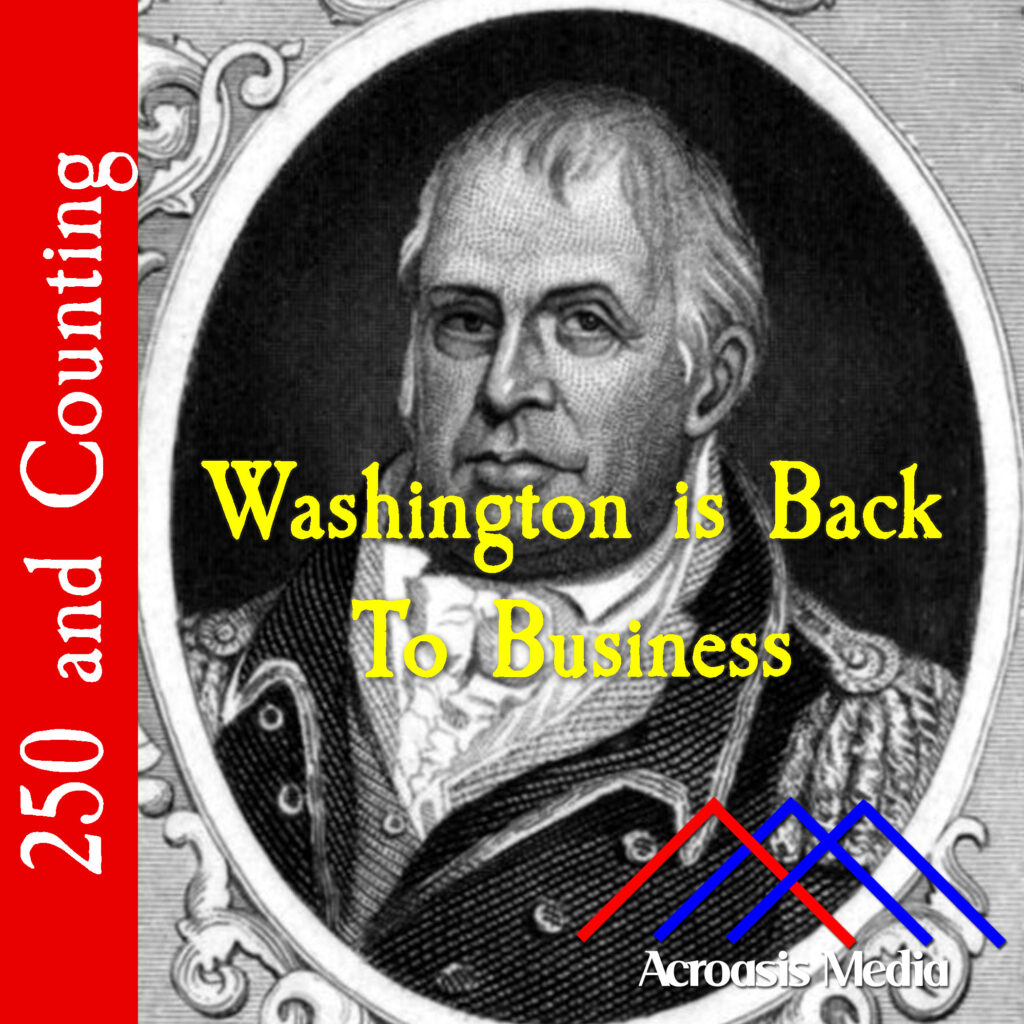
General John Sullivan had been captured only a few days before by the British, during the Battle of Long Island.
Now, Mike tells us in this episode that the Howes talked him into approaching the Continental Congress with their peace offering, but equally likely is that Sullivan simply agreed to deliver the message because it would get him out of captivity, at least for a while. (He was paroled specifically to deliver the message. Once he had his answer, it was “Back to jail with you, Johnny.”)
Part of the problem Sullivan had was that Congress didn’t think the offer was sincere; another part is that some members didn’t think Sullivan was sincere. Sullivan returned to the British, delivered the reply from Congress, and was re-imprisoned for another few months, until he was returned in a prisoner exchange.
Washington wrote two letters today: one to General William Heath, and the other to Congress.
To Heath, he basically gave a little bit of an “attaboy” in agreeing with Heath’s assessment regarding the British Army’s next move. So he recommended that chevaux de frise be sunk in the waters nearby the next likely target (Huntspoint), to thwart the British ships moving in. Other than that, some reinforcements are on their way, so until the British arrive, just hurry up and wait.
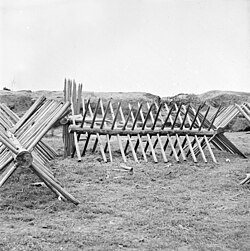
Now, a cheval de frise (“chevaux” is plural) was tough for me to explain during the show, but picture a sawhorse with long spikes protruding from it. That’s a basic cheval de frise. (The one in the picture is from the Civil War.) But they’re not limited to this specific design; some stone walls had broken glass, or sharp rocks embedded in their tops to make it tougher to climb over them; those are also considered to be a cheval de frise. The ones that Heath were expected to sink in the East River looked more like boxes with angled spears pointed in the direction the ships were likely to be coming from.
Washington’s other letter, to the Continental Congress, wasn’t so much to inform them of his loss on Long Island as it was to assure them that he was alive and well, and that most of his troops had gotten away despite the magnitude of the loss. It would be several months before Washington could truly notch one in the “Win” column against the British.
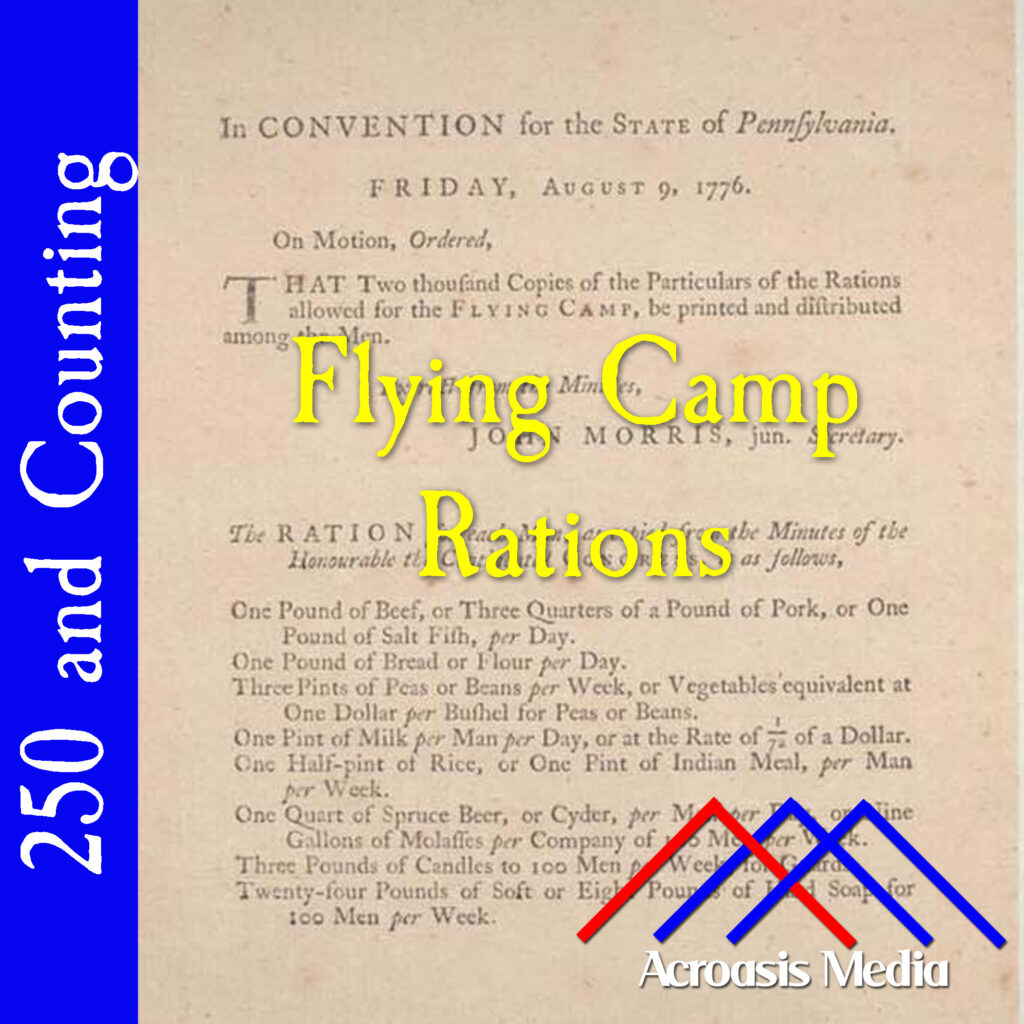
The idea to have a flying camp at all belonged to Geroge Washington. He knew that he was going to be facing huge numbers of British soldiers soon, and he proposed having a mobile unit that could show up wherever they were needed.
While the soldiers came from three specific states, they were intended to be our first national force, with no specific state basis. Thus, they were recognized as “First Battalion,” “Second Battalion” and so on rather than “Burrell’s Connecticut Regiment” or “Pennsylvania Second Battalion”. That said, because there were specific quotas from each state, the various groups tended to have soldiers from those states and could still be identified as such.
These men were largely able to focus on the defense of New Jersey while the main Continental Army spent its time in New York. However, several men from Maryland and Delaware were assigned to fight in Brooklyn Heights when the Battle of Long Island broke out, and most of them lost their lives. They did, however, manage to prevent the capture of most of Washington’s army, but it could be viewed as a Pyrrhic victory.
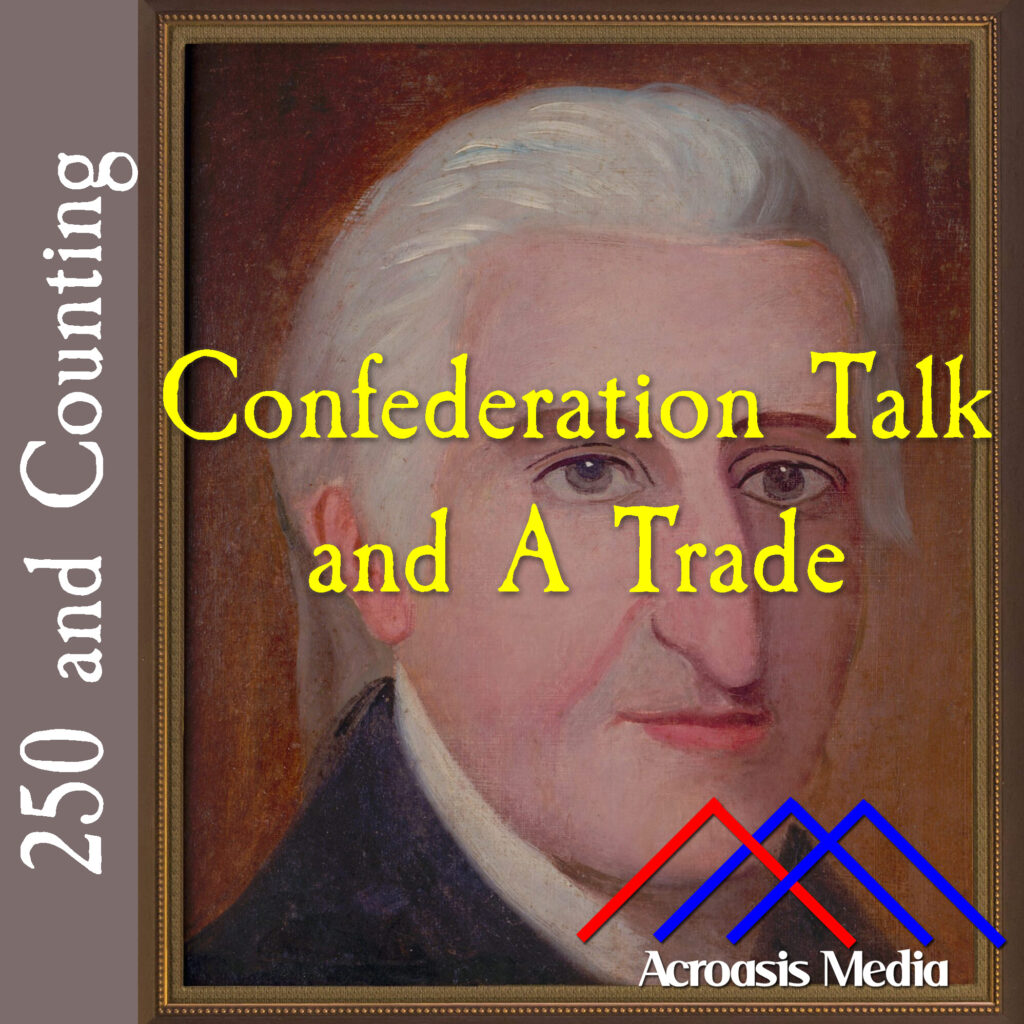
We didn’t spend a whole lot of time talking about John Morton, who comes up as part of today’s episode, and he does have an important part in the quest for Independence.
John Morton’s father died the same year he was born. John had very little formal schooling; most of what he learned, he learned from his stepfather. They had such a good relationship that John named one of his sons after his stepfather.
Despite his relative lack of education, John Morton was able to advise his neighbors and advocate for them when needed, and help them keep their books. In 1774, while serving as Speaker of the Pennsylvania Assembly, he was voted to be a delegate to the First Continental Congress held in Carpenter’s Hall in Philadelphia. On November 4, 1775, he was elected to the Second Continental Congress which was held in the State House, later renamed Independence Hall.
In 1776 and 1777, John Morton became Chairman of the Committee of the Whole and was heavily involved in writing the Articles of Confederation, the new nation’s first form of government. Sadly, in March of 1777 John contracted tuberculosis and died on April 1, making him the first of the 56 signers of the Declaration of Independence to die.
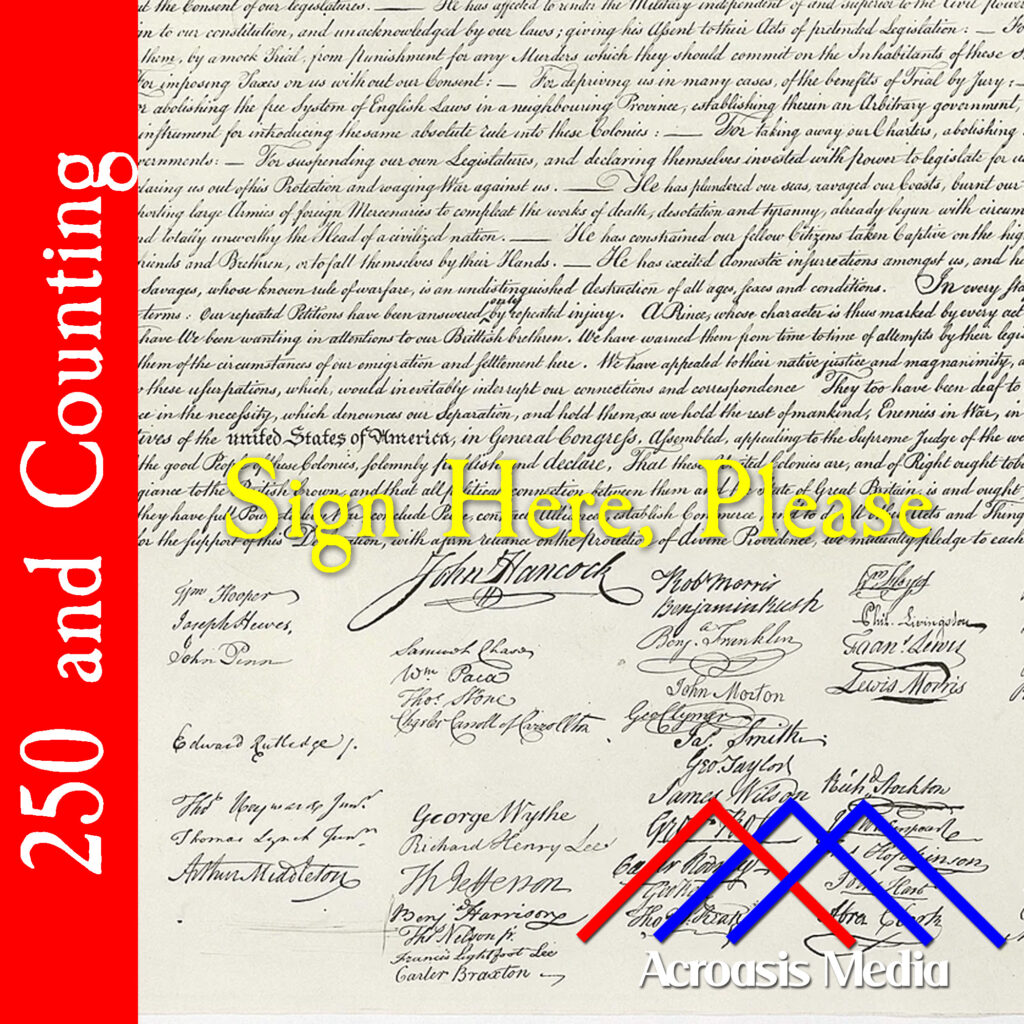
The approval of the Lee Resolution was July 2, the Declaration was approved July 4, the signingof the Declaration was (mostly) on August 2.
Which date would you have considered for Independence Day if you were in charge back then?
Ah, who are you kidding. You’d have picked the Fourth as well. The approval of the Lee Resolution was a detail of procedure. The signing of the Declaration was just finishing up the paperwork. And we have an actual document with a date on it! Of course everyone chose the Fourth! (Sorry, Mike.)
Incidentally, practically every American knows what the Declaration of Independence looks like. But do you know that there’s something on the back?
Remember that early on, the original document was not especially well-treated. And oftentimes it was simply rolled up for transport. Because there were probably other documents it was housed with, someone wrote along one edge, “Original Declaration of Independence, dated 4th July 1776”.
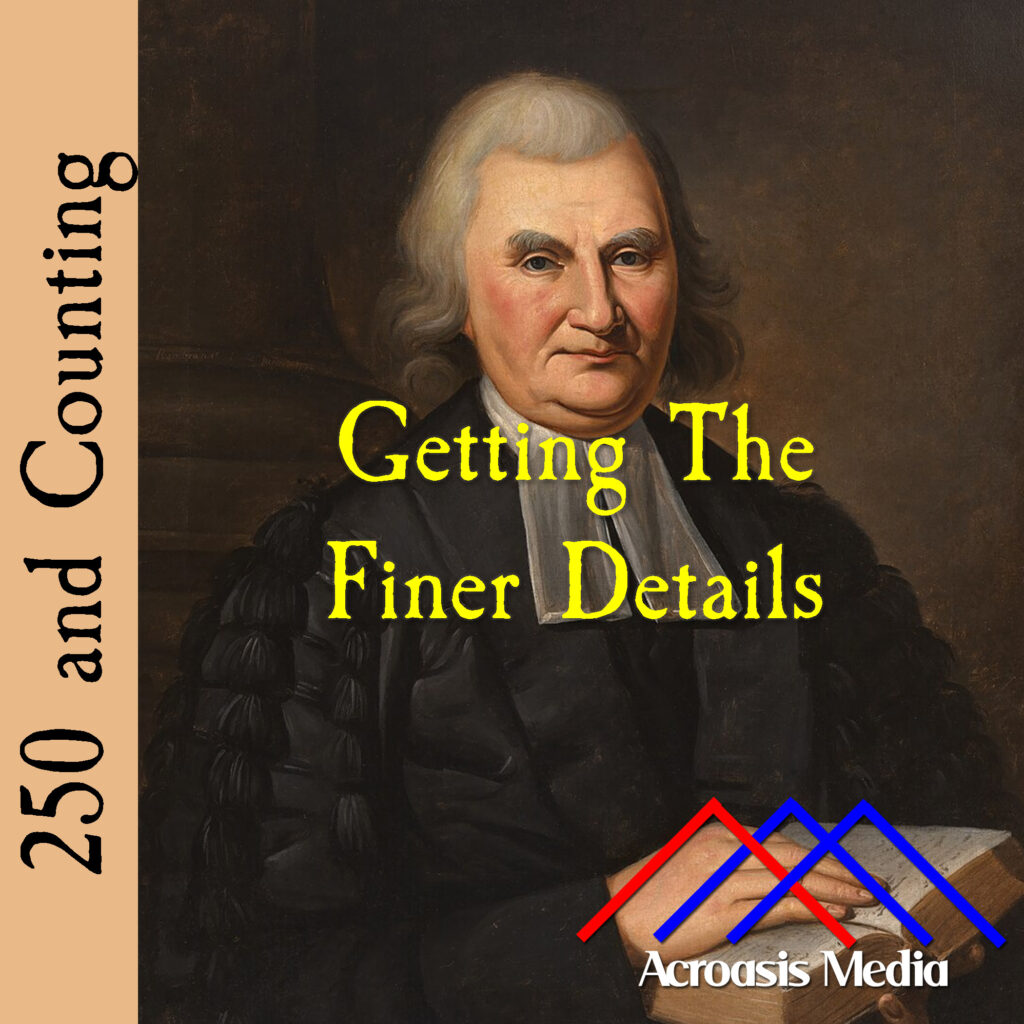
Both Dr. Benjamin Franklin and the Reverend John Witherspoon made good points when they discussed state representation in Congress under the Articles of Confederation they were trying to put together.
The interesting thing is that the debate sounds very much like a modern-day discussion with regard to the nations that participate in NATO. Smaller nations are feeling a little “pushed out” by larger nations; the larger nations feel as though they’re dealing with most of the burden. And while those larger nations are correct in that the smaller nations aren’t making the contributions to which they initially agreed, it’s a matter of cure, not disengagement.
At any rate, as Mike notes, the siguation won’t be fully addressed through the Articles of Confederation; ultimately they kicked the can down the road and, when the AoC finally collapsed, our current bicameral legislature attempted to address the large/wealthy states vs. small/poorer states representation conundrum. The system could still use some fixes (e.g. the current total number of Representatives in the House is unconstitutionally low, by literally a couple of decimal places), but it’s all in pursuit of a more perfect Union. We screwed up today but we’ll get it a little more right tomorrow.
After Reverend John Witherspoon left Congress, he returned to Princeton, where the campus had been badly damaged by the British. He worked diligently to repair the damage. He was also a member of the New Jersey convention that ratified the US Constitution, and he organized the Presbyterian Church in the United States.
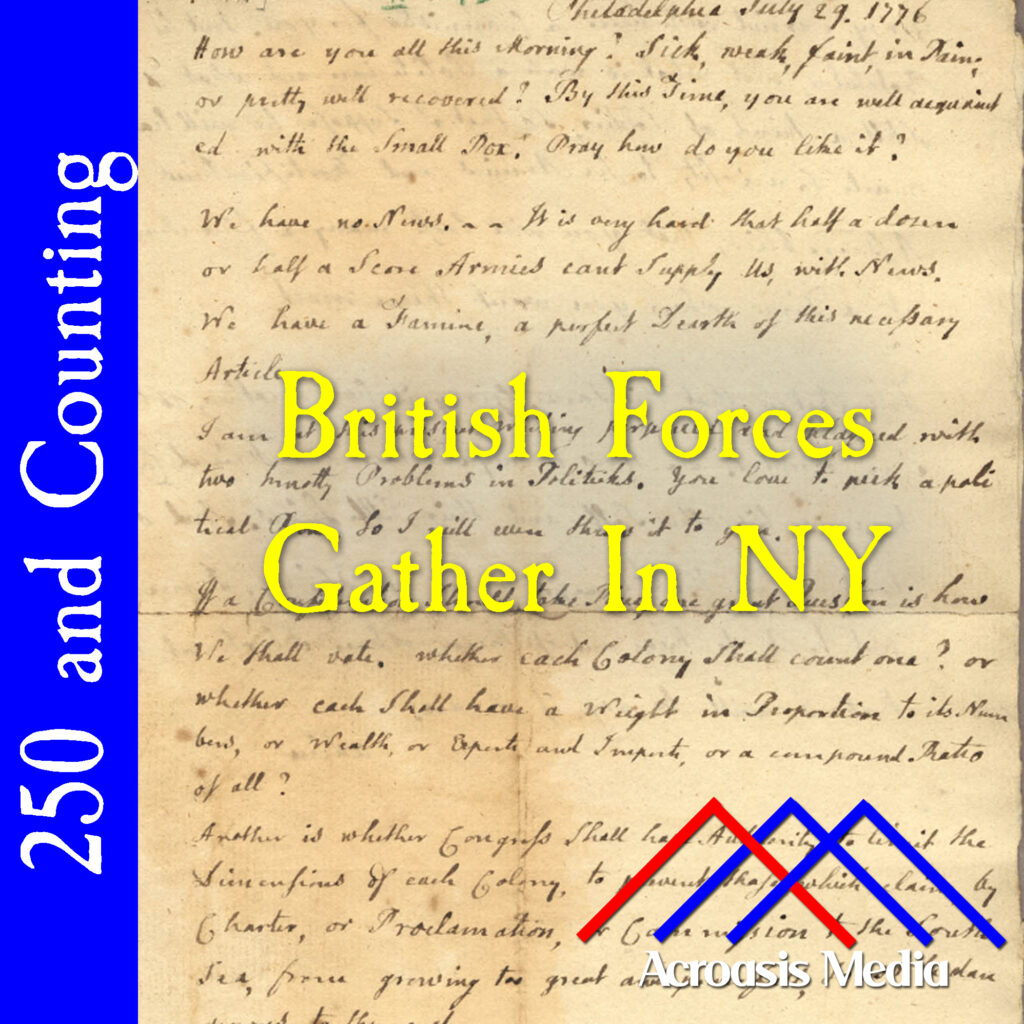
The presence of the British in Staten Island wasn’t a big mystery, but within a month after they first arrived, the number of ships in New York Harbor was well over 100, and still growing.
And, as George Washington suspected (along with many others), the British began moving up the rivers surrounding Manhattan, working their way up the Hudson River in the effort to use New York as a wedge between New England and the rest of the colonies. Specifically, if supplies couldn’t get through, then it weakens both sides of the line.
As for New York itself, part of Washington’s problem was that he didn’t know if the British plan was to take New York City (still a small chunk of Manhattan Island at that time), or to move through Long Island. As a result he had to hedge the bet a little bit and send troops in both directions, spreading the Continental Army rather thinly. This may have forced the British to do something quite similar, but they still had Washington vastly outnumbered.
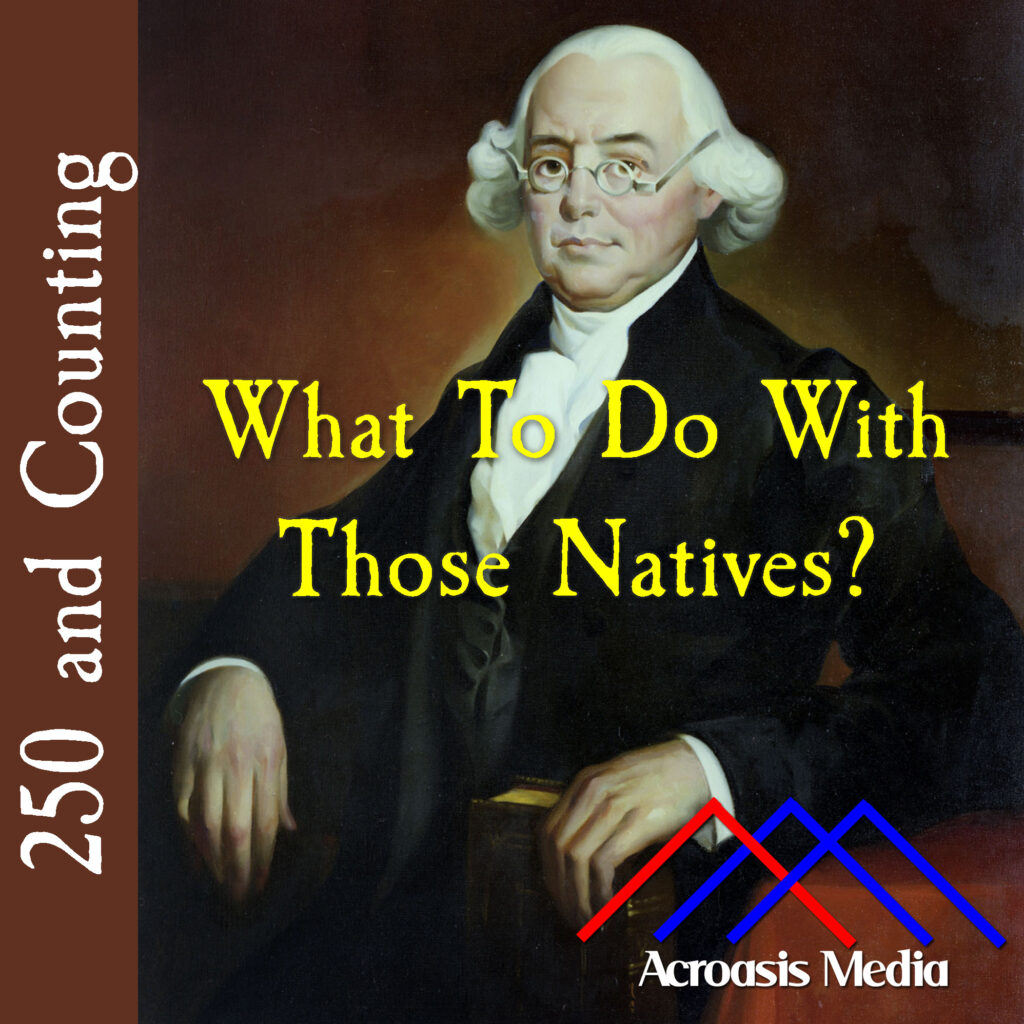
That Native American relations were considered at all as part of the Articles of Confederation is a little bit of a mystery, but it’s possible that the Congress was just looking for some across-the-board consistency when it came to that sort of thing.
After all, you couldn’t have the folks in the Southern States battling with the Cherokee while the Northern States, which were more or less peaceful with the Iroquois, doing nothing to assist. It’s just too many variables to consider.
Ultimately, the Federalists won this argument, in the sense that Native American relations would be left to the US government to deal with, provided that the rights of the individual states were not infringed upon.
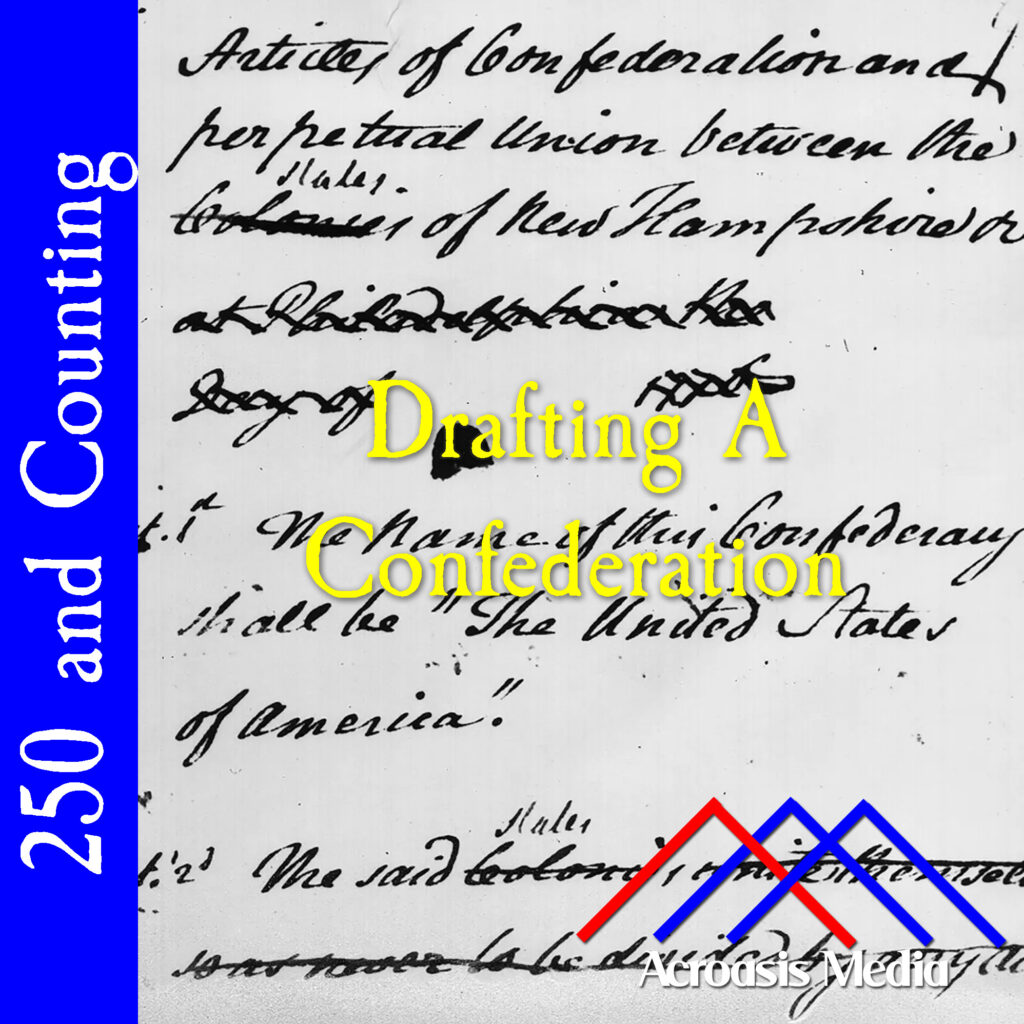
Representatives from each colony were already working on draft Articles of Confederation beginning one day after Thomas Jefferson, et.al. started work on the Declaration of Independence.
The Founding Fathers were looking for a relatively weak central government, which is why the finished document is relatively short and can actually be boiled down to a dozen brief paragraphs. It took a while to realize it, but this wasn’t the best idea, which explains why the Articles of Confederation were abandoned for a new Constitution.
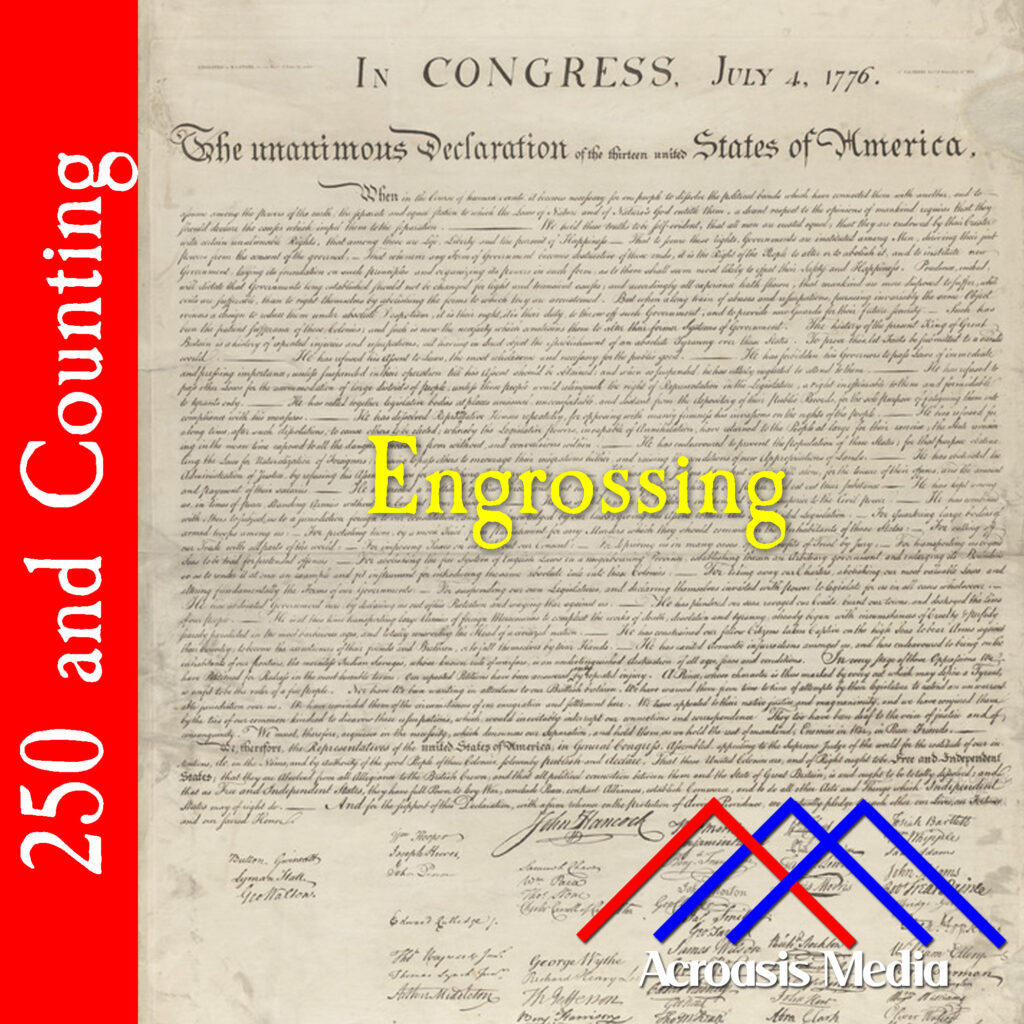
As I explained during the episode, “engrossing” was the practice of having a formal document written out in a larger hand for public presentation. This often had different purposes: some were engrossed to make them more attractive; this was typically called illuminating, and the most typical examples are the ornate Bible pages you see from time to time.
Sometimes it was the preparation of the “final” version of a document. This is the modern use of the term, and you can still hear it bandied about in the US Congress.
The engrossing of the Declaration of Independence was a little bit of both: given its purpose, it needed to look especially good, because its audience wasn’t just Great Britain but the entire world. And the document needed to be signed in order to be final, or official, so engrossment was necessary so that the members of the Continental Congress could affix their signatures.
So what’s the “official” version of the Declaration of Independence? There really isn’t any. What we consider to be “the” Declaration is the engrossed and signed version that now resides at the National Archives. That one’s in poor shape, and I’ll get to it shortly. That’s the version that wound up being engraved by William J. Stone, and when you see an especially clear copy of that document (e.g., today’s cover art), it’s almost certainly a reproduction of Stone’s work.
There are versions in Thomas Jefferson’s handwriting, which have crossouts and changes, and such. That resides at the Library of Congress. The L of C also has a fragment of one of Jefferson’s earliest drafts. Jefferson also made a few “clean” copies of the draft so they would have records of what changes were made by the Congress. Those are at the New York Public Library and the American Philosophical Society. There’s a draft in John Adams’ handwriting at the Massachusetts Historical Society.
There are other broadsides as well, not to mention the full text appearing in many newspapers up and down the coast.
And there are a few manuscript copies here and there.
So if we’re so hung up on the initial engrossing (and I get it, I do), then what happened to it?
Let’s start with Timothy Matlack, who did the engrossing. He first had to lay out the text on the parchment, figure out the margins and spacing, and how much room would be needed at the bottom for the signatures. Over the next thirteen days he wrote out the text, using the best animal skin available, in this case sheepskin.
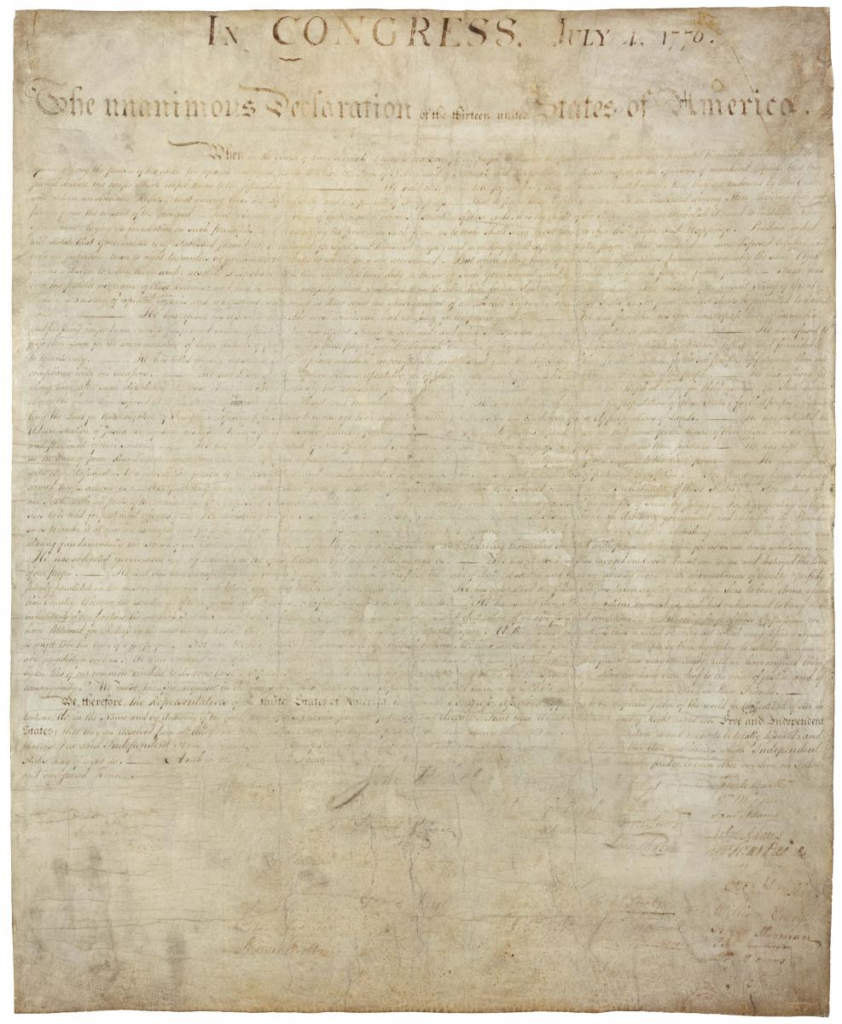
Matlack used iron gall ink, which was made up of tannic acid, iron, a binder and a little colorant. It’s got a light color when it’s first applied, then darkens to a purple approaching black, then ages to more of a brown like the background of this page. He wrote in very straight lines, suggesting that he made rule lines that are no longer visible (though there are vertical marks in the signature area to help maintain the columns).
Over time, the Declaration was repeatedly rolled, unrolled, folded and unfolded. This means that in some spots some of the ink simply flaked away. In addition, the document was exposed to prolonged sunlight when exhibited. (In fact, if you’re in the Archives, look closely and you’ll see fold marks, especially on the bottom.)
A brief aside: in the early 1800s the Declaration was already looking kind of rough, so (former President and current Secretary of State) John Adams called upon William Stone to create a copperplate facsimile, which took three years to create.
For over 35 years, the engrossed Declaration hung in the Patent Office Building, which was considered to be “fire proof”, but that meant 35 years’ worth of exposure to light coming through the windows. It moved another few times, and each time was under uncontrolled environmental conditions. Finally, in 1876 a commission was created to look into restoring the ink and the signatures. It took a few years but the commission’s recommendation was NOT to restore the document but to store it away in the dark.
In the 1920s the Declaration was displayed again, this time alongside the Constitution, in a room with filters on the glass. Unfortunately by the 1940s insects were found in one of the Constitution cases, plus the humidity in room was uncontrolled. And, of course, Hitler was shooting at us and all, so there was that worry to deal with. Everything was moved to Fort Knox for a few years.
Finally, in 1952 they were moved to the National Archives and placed in cases with dim lighting, controlled humidity, and nonadhesive restraints holding the documents flat. And that’s where you can see them today (modern image at right). There are still a few mysteries, for instance: why hasn’t it faded evenly under the light exposures? How did a handprint get on it sometime between 1903 and 1940? And is it still somehow experiencing damage?
It’s hard to say. But I’ve visited the National Archives a few times and I still can’t help but be awed at the sight of these documents, no matter how faded they are. I can’t help but feel somehow connected to the people who put them together.