Tag: South Carolina History

  • Retreat From Charleston–January 6, 1776

    Cover art for January 6, 1776; Oil painting of William Moultrie, who was a General when this was painted by Charles Wilson Peale in 1782.
    Oil painting of William Moultrie, who was a General when this was painted by Charles Wilson Peale in 1782.

    From a strategic standpoint, Charleston Bay was probably much more attractive to the British than Boston Harbor was. The northern harbor was more open to the sea, there were a bunch of small islands to navigate around, and the weather could get quite treacherous.

    Meanwhile in South Carolina, there was a definite entry/exit point, there were fewer islands to deal with, and while it can still get cold in that area, the winters are still much milder.

    But from a shipping standpoint, both cities were attractive and needed to be controlled, as far as the British were concerned.

    It’s interesting, in retrospect, that the Patriots would attack the British ships as they departed the harbor area in Charleston, though. If nothing else, they more or less gave away the fact that Sullivan’s Island was fortified, which wasn’t necessarily common knowledge. And sure enough, there was an attack there by the British, which we’ll talk about in June. Stay tuned!

  • Confusing–And Howe–December 25, 1775

    Cover art for December 25, 1775: A portrait of Major General Howe, artist unknown. From the book A brief history of the North Carolina troops on the Continental establishment, by: Charles Lukens Davis & Henry Hobart Bellas, published 1896.
    Cover art for December 25, 1775: A portrait of Major General Howe, artist unknown. From the book A brief history of the North Carolina troops on the Continental establishment, by: Charles Lukens Davis & Henry Hobart Bellas, published 1896.

    The Battle of Great Bridge may be over, but its effects linger on.

    Lord Dunmore, the former Royal Governor of South Carolina, communicated to General Robert Howe that he’d like to effect a prisoner exchange.

    It’s not clear whether Howe was playing hard-to-get, or playing dumb, or something else. He and Dunmore exchanged several letters over the next couple of days, and apparently didn’t end in a prisoner exchange. It did, however, end in violence. We’ll be talking about that as we get into the new year.

  • The Snow Campaign–December 23, 1775

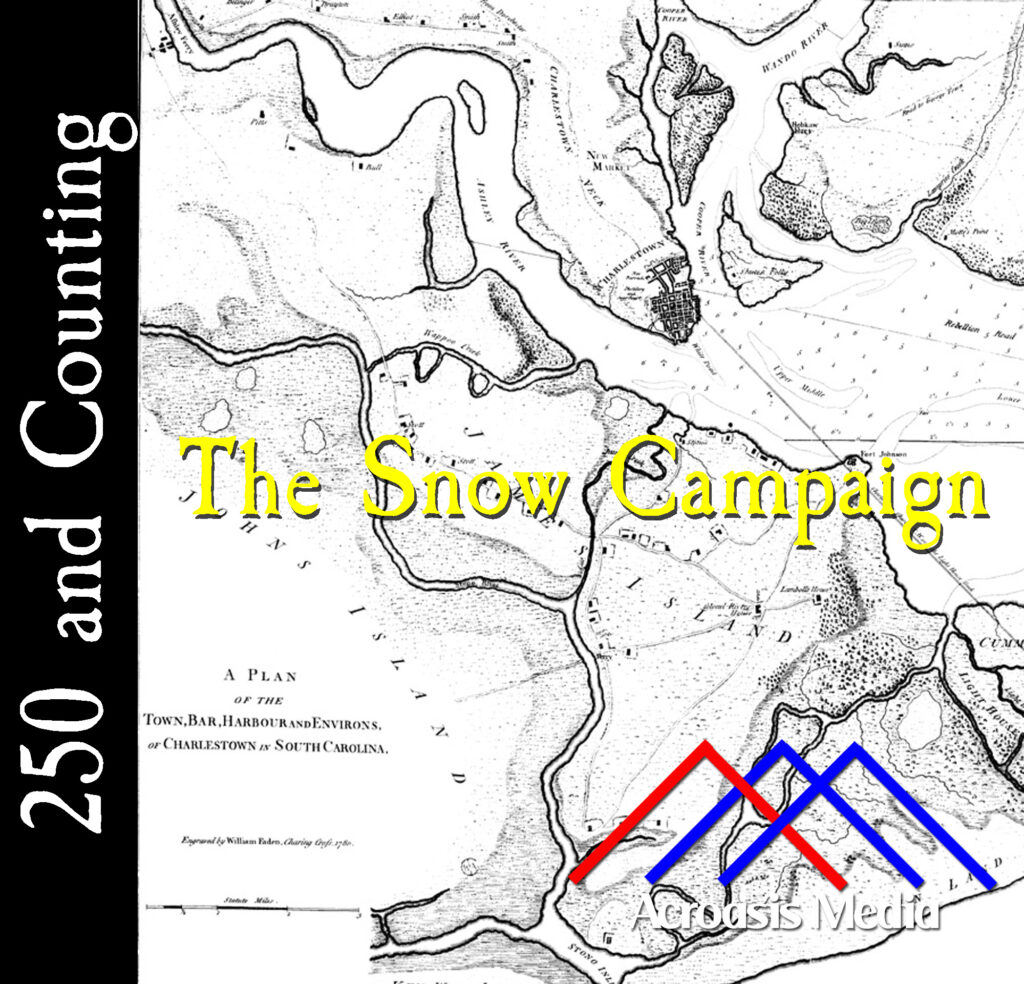
    Cover art for December 23, 1775: a 1775 map of Charleston and surrounding areas, owned by Henry Laurens. Charleston is the small dark patch above the first 'a' in "Campaign".
    A 1775 map of Charleston and surrounding areas, owned by Henry Laurens. Charleston is the small dark patch above the first ‘a’ in “Campaign”.

    As important as some of the action in the southern colonies was—and make no mistake, Colonel Richard Richardson’s campaign to sniff out the Loyalist leaders in the western part of the state wound up being very important—other events were important in different ways.

    One such event would be the Snow Campaign. There came a point where Richardson decided that he’d done about as much as he could, so he started to head back to the Low Country, where Charleston is located. On the way back his men, who were ill-prepared for poor weather, ran into snow.

    Lots of snow.

    Fifteen inches of snow.

    Before very long the troop had disbanded and about 130 prisoners had to be escorted to Charleston, after which a few were set free as a conciliatory move.

    So no, not everything took place during the snow; in fact the snow was really the very ending of the Snow Campaign.

  • The Battle of Great Cane Brake–December 22, 1775

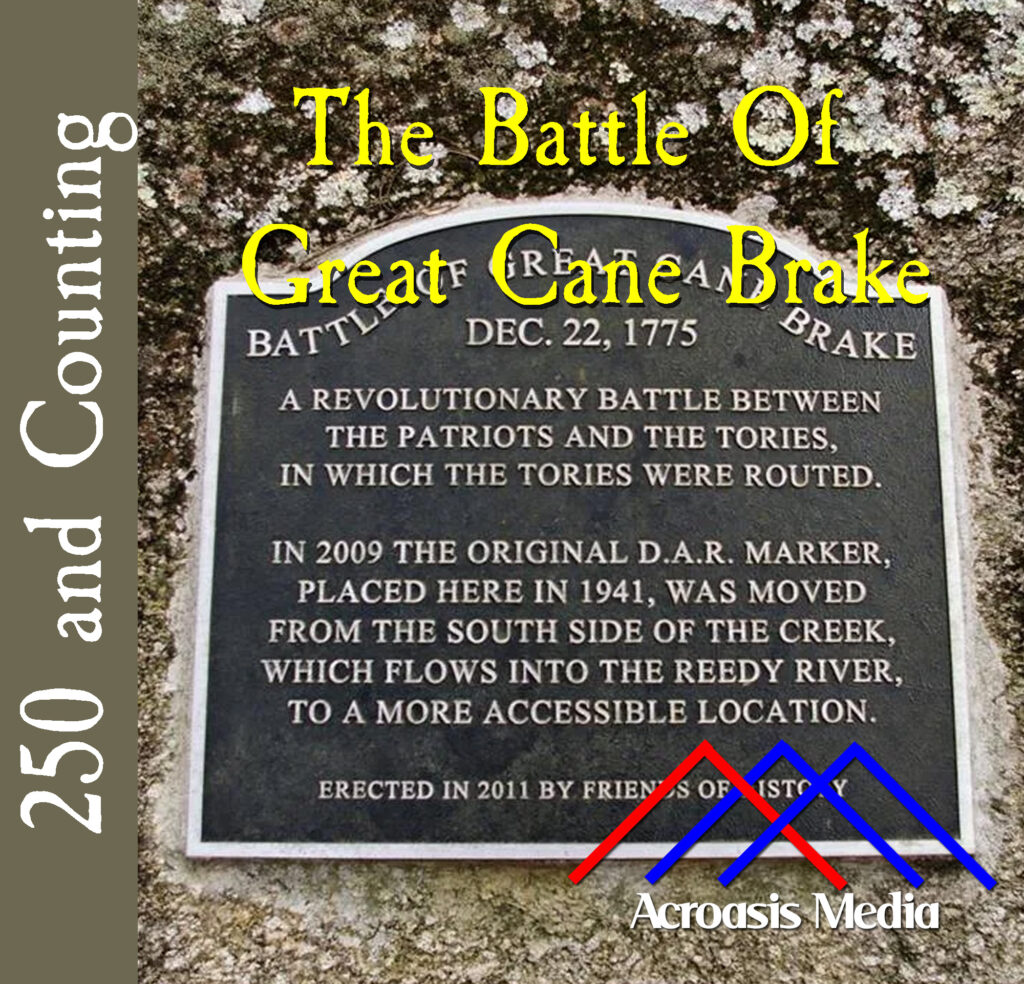
    Cover art for December 22, 1775: Historical marker placed at the location of the Battle of Great Cane Brake.
    Historical marker placed at the site of the Battle of Great Cane Brake, explaining where another historical marker is located.

    The Battle of Great Cane Brake took place near modern-day Simpsonville, South Carolina. That’s a few miles southeast of Greenville.

    A “Brake of Canes” is pretty much what it sounds like. The cane stalks in question are a kind of bamboo that grows in the area, and a “Cane Brake” is a large thicket of these stalks. It would probably be a good place to hide, if the Loyalists weren’t also cutting and burning the stalks to keep warm, and because they were wet, they were popping quite loudly. It’s like sending up an audio flare.

    While the Battle of Great Cane Brake was a victory for the Patriots, before very long the weather would turn it into a bigger problem for the troops involved.

  • One Thing Ends, Another One Begins–December 21, 1775

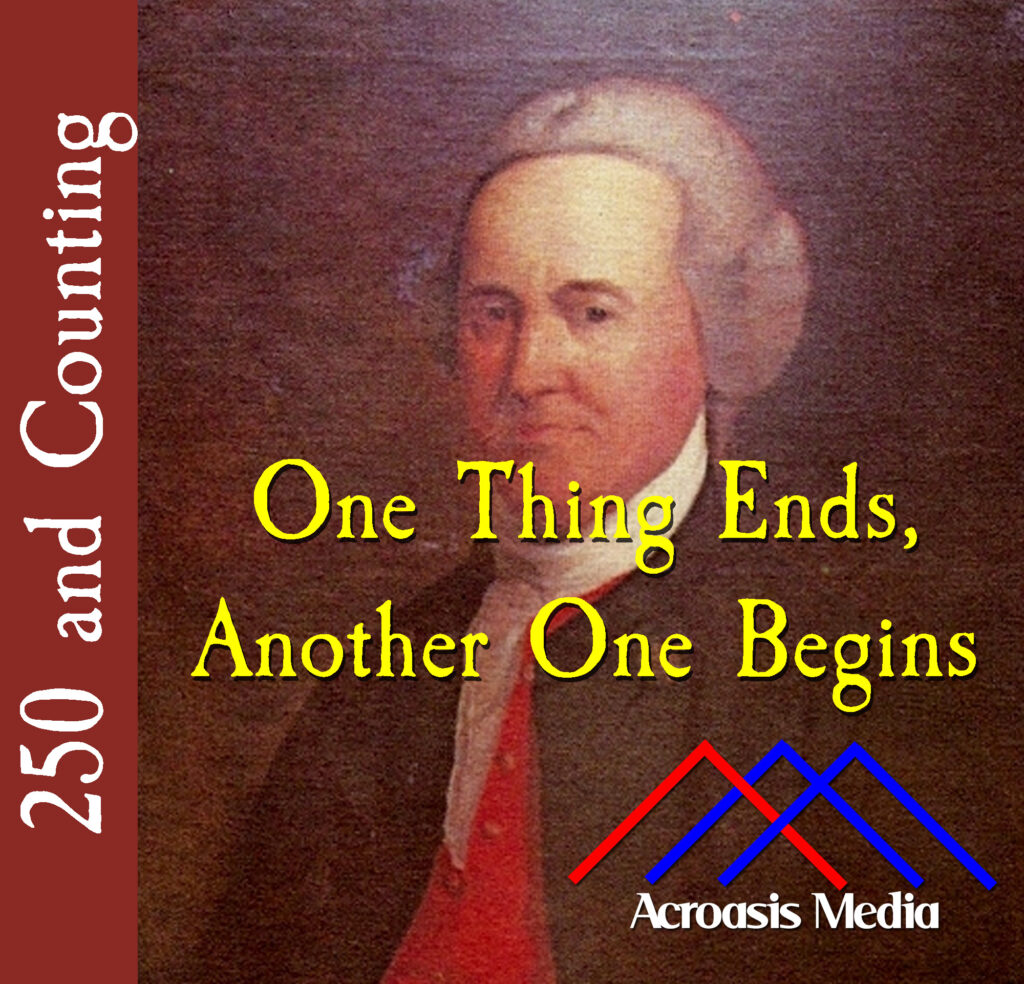
    Cover art for December 21, 1775: portrait of Richard Richardson, attributed to Jeremiah Theus.
    Undated portrait of Richard Richardson, attributed to Jeremiah Theus.

    General Richard Richardson was a delegate to the Provincial Congresses in South Carolina in 1775 and 1776, and he served in both the South Carolina Militia and the Continental Army during the Revolution. He was instrumental in the Americans winning the Battle of Charleston in 1776, but doesn’t get much else attention, perhaps because he was captured a few years later and then sent home, essentially to die.

    But the fact that he spent time driving Loyalists out of the western areas of South Carolina led directly to that province getting on board with the Independence movement more quickly. He also left behind a legacy of descendants who would affect the state well into the twentieth century.

    Incidentally, I have no idea if there’s any truth to the rumor that Richard Richardson was so poor as a child that he couldn’t afford a different last name. Largely because I made that rumor up just now.

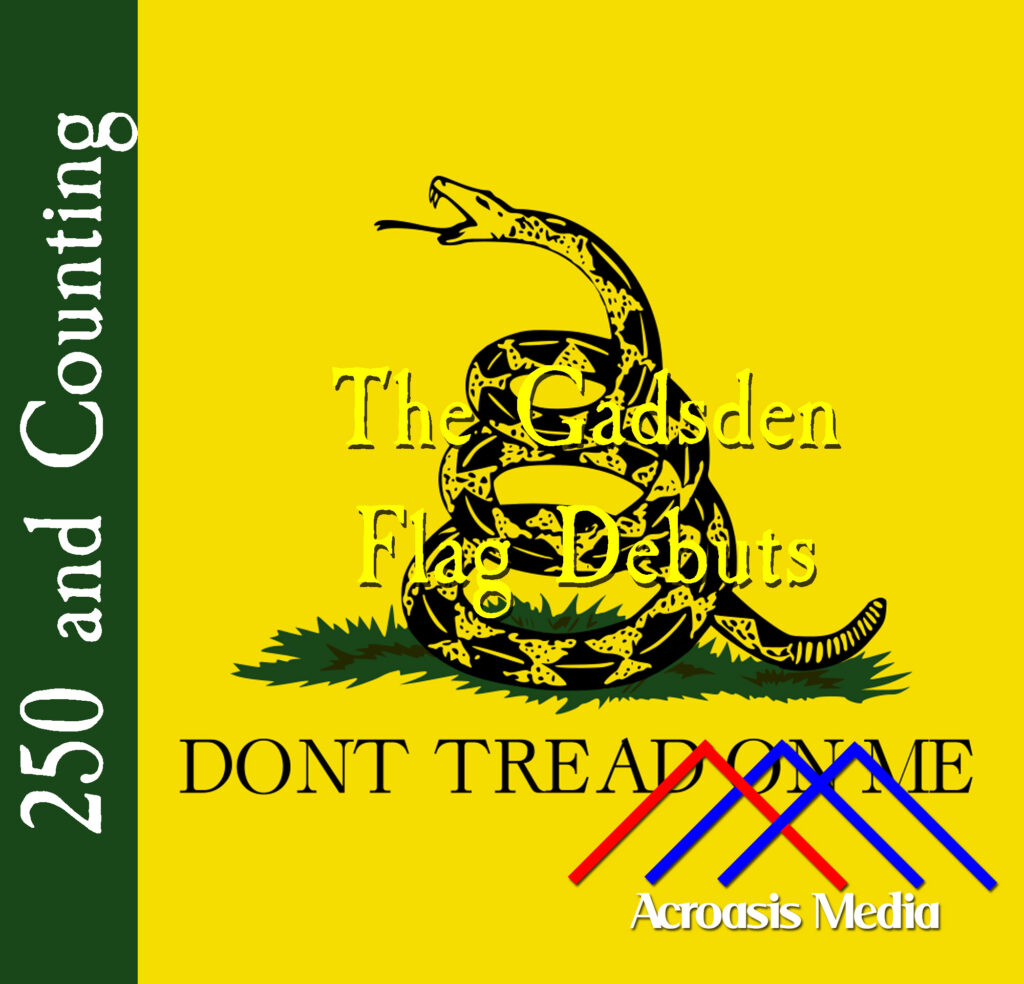
  • The Gadsden Flag Debuts–December 20, 1775

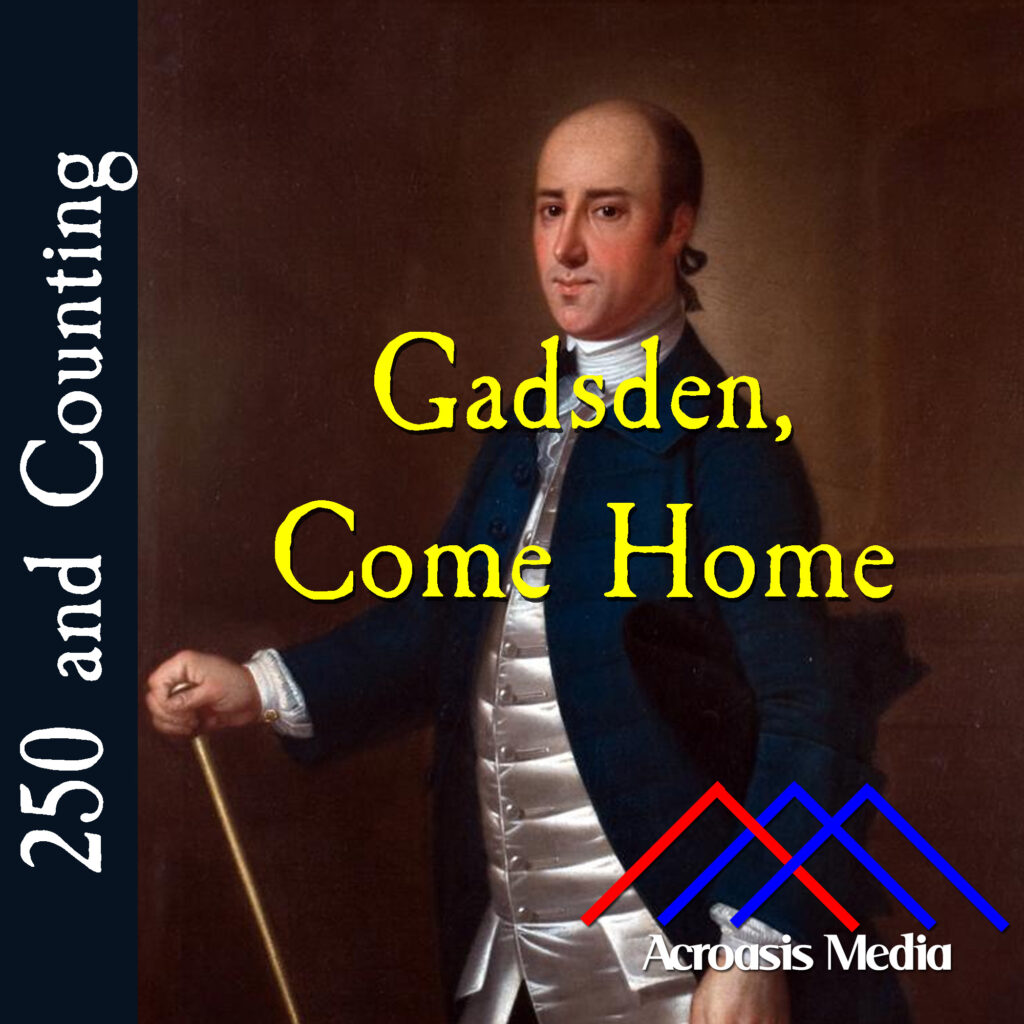
    Cover art for December 20, 1775: one variation of the flag.
    One variation of the flag. Some of them have an apostrophe in “DONT”, some use a non-serifed font, some don’t have any greenery under the snake. A few have the snake facing right.

    It’s arguably the most recognizable and popular symbol of the Revolutionary Era, and its debut turns 250 years old today. Ladies and Gentlemen, it’s the Gadsden Flag.

    The concept of the snake image representing the Colonies is a little older than this by about twenty years, with the “JOIN OR DIE” image of the snake broken into nine pieces, each representing some portion of the colonies. In either case it’s a means of using a uniquely American species of snake to represent the Colonies.

    Not only did Christopher Gadsden design the flag, he did it on his own, without anyone prompting him to do it. While the Join or Die snake was probably a little more generic, Gadsden specifically chose a rattlesnake largely because he was from South Carolina, and the rattlesnakes in the Charleston area had the good grace to warn you before taking a bite out of you. To that end, the rattlesnake was considered an honorable, “glorious” creature.

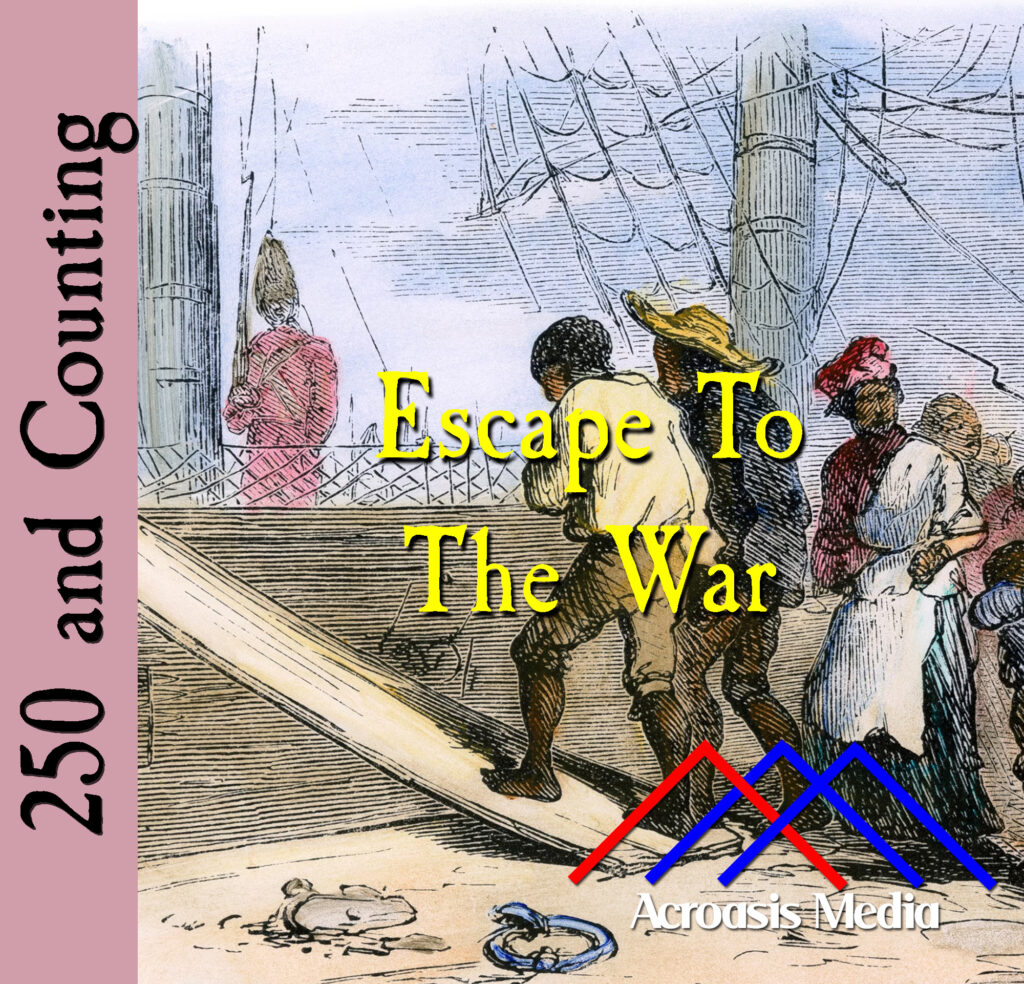
  • Escape To The War–November 26, 1775

    Cover art for November 26, 1775: colorized image of slaves being corralled by British soldiers (yeah, we cheated on this one.) via NYPL digital archives.

    As we’ve mentioned a couple of times before, Lord Dunmore’s Proclamation offering freedom to Patriot-owned slaves who fought for the British created a stir that was felt in all thirteen colonies.

    Huge numbers of people showed up, not just men, but women and children as well. And of course, because most of them had escaped to join the British forces, that meant that the slave-hunting business experienced a huge boom.

    And, of course, the company formed by these escapees only fought in one battle of any note; many of the soldiers died of illness, some were sent back to their plantations of origin. Very few of them remained free.

  • The Siege of Ninety Six–November 19, 1775

    Cover art for November 19, 1775: memorial plaque commemorating the Siege of Ninety-Six.

    The Siege of Ninety-Six is considered to be the first land battle of the Revolution in the South. And believe it or not, we might be talking about this town again in fairly short order.

    This past Saturday, Governor McMaster officially proclaimed today through Thursday the 250th Anniversary of the battle. And while this battle lasted three days before mutual cessation of hostilities, it was just the beginning of a series of skirmishes between the two factions for for about six years.

  • SC Troops Get Organized–November 18, 1775

    Cover art for November 18, 1775: the 2nd Couth Carolina Regiment.

    In retrospect, it appears that most of the action in the early days of the Revolution took place in Massachusetts and South Carolina.

    What was so important about South Carolina? New York wasn’t a big city yet, nor was it strategically important (yet). Baltimore was a small-time port at the time; so was Norfolk. Georgia was deeply divided. North Carolina and New Hampshire didn’t have any strategic advantage. Pennsylvania was inland. Neither Delaware nor New Jersey nor Connecticut were especially important yet. Rhode Island saw some action but not as much as the others.

    But Charleston was a huge port city, as was Boston. The Charleston Bay was ideal for moving materials in and out of the area, which made it fiscally and strategically important.

    The South Carolina Provincial Congress figured this out, and also realized that they had about thirteen militia groups moving in about thirteen different directions. It was time to get everyone moving in the same direction.

  • The Battle Of Hog Island–November 11, 1775

    Cover art for November 11, 1775: map dating to the mid-1700s depicting Fort Johnson and Hog Island in the Charleston Bay.

    The Battle of Hog Island was the first of two major events early in the Revolution that got South Carolina firmly on board with the Independence cause.

    Hog Island caused the South Carolina Committee of Safety to expand their navy; in this respect they were way ahead of the Continental Congress.

    But when King George III approved the American Prohibitory Act in December, that really irritated South Carolinians. The Act act declared that any vessels captured by the Royal Navy after January 1, 1776, would now be considered lawful prizes. When this news reached Charleston, it was taken as an act of war.

    And sure enough, it wouldn’t be long before another confrontation took place that would help to shape the overall look of the war.