Jonathan Trumbull was first and—for a while—the only Colonial Governor to support the American Revolution. (Most of the other colony leaders either didn’t hold that title, or remained quiet, as if hedging their bets.)
Througout the Revolution, Trumbull supported the troops in general and George Washington in particular, and was often a close advisor to Washington on military matters.
So it was a little bit of a surprise when Washington wrote to Trumbull, noting some of the problems he’d had with Trumbull’s recent decision to move a bunch of soldiers northward.
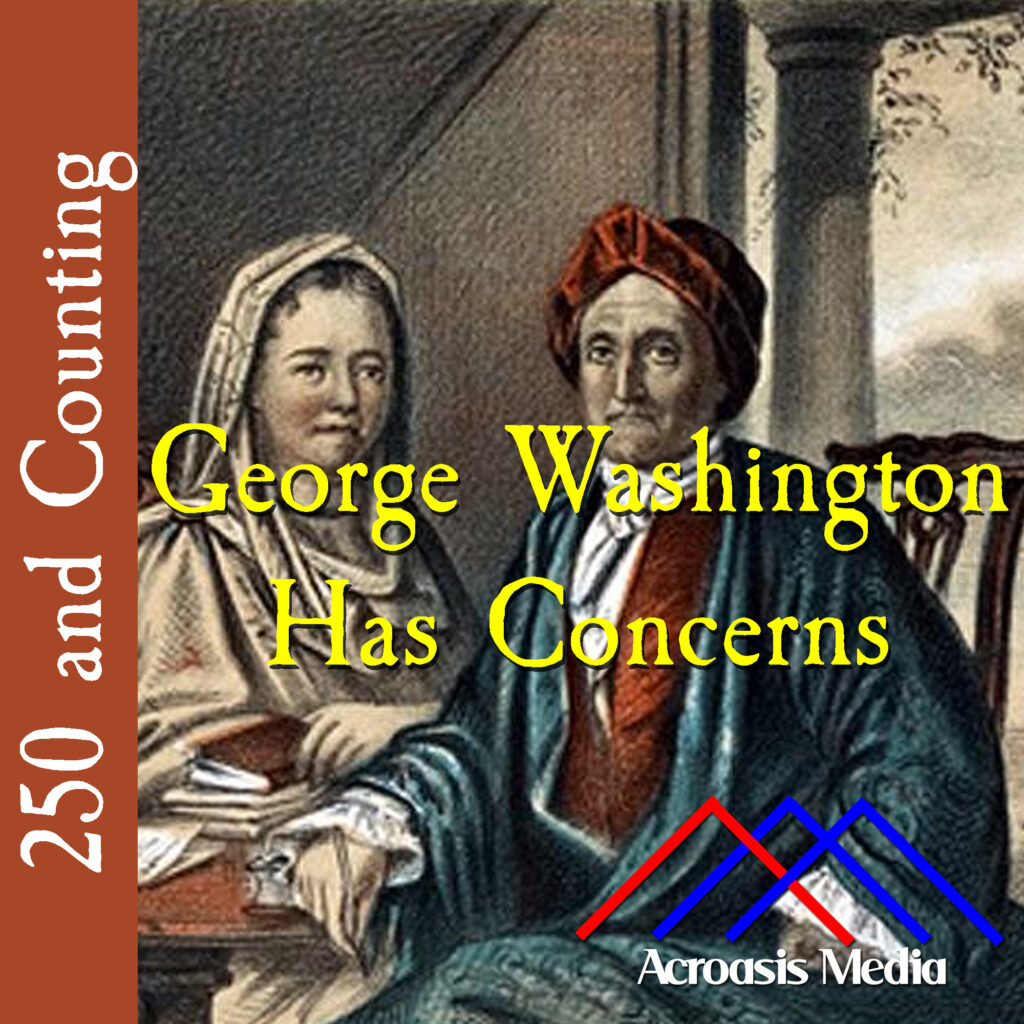
On a side note: there aren’t a lot of portraits of Govenor Trumbull around. That’s one of the reason I’ve used this picture before. The other reason is that I just think it’s neat.
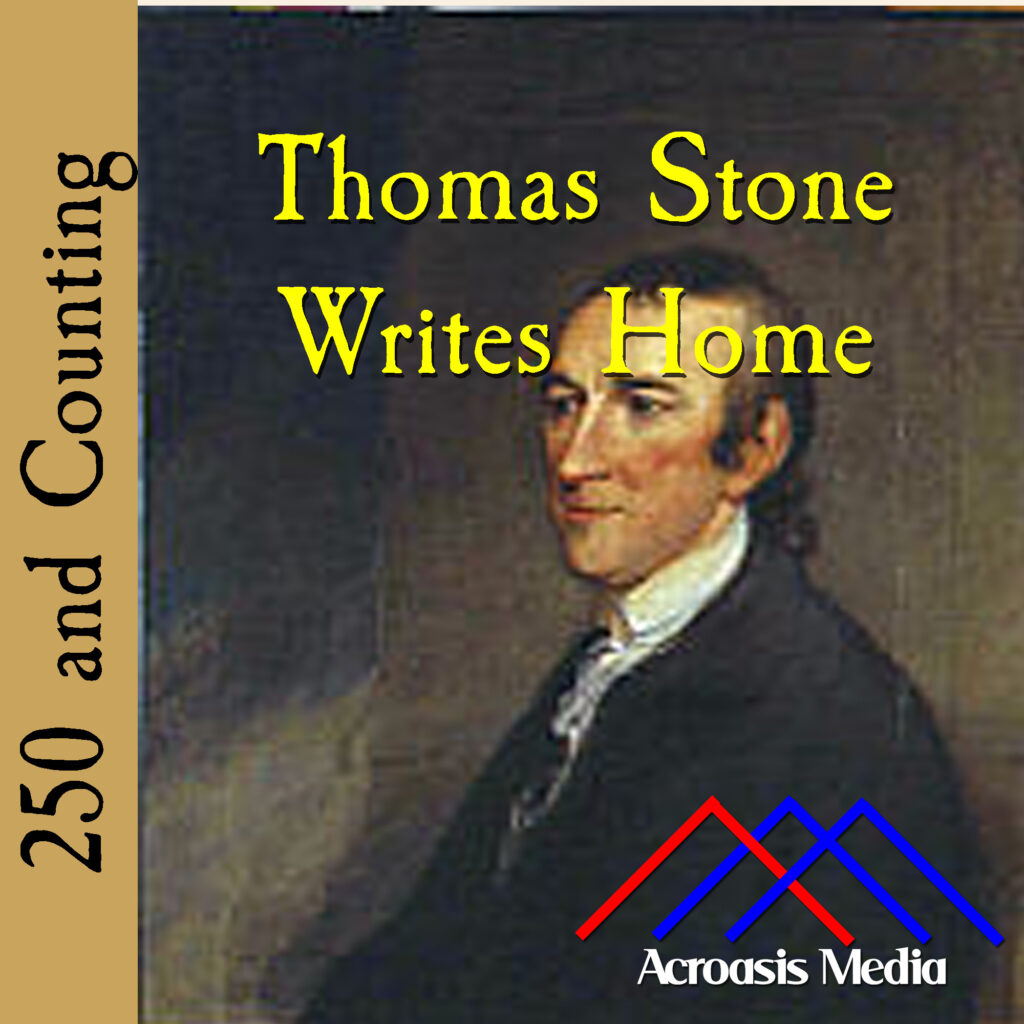
Thomas Stone was a delegate to the Second Continental Congress who served with strict instuctions to “arrive at a happy settlement and lasting amity” with the Mother Country. What’s more, he and his fellow delegates were told not to vote for any proposition that declared independence.
Fortunately, just a few days before Richard Henry Lee put forth the resolution for Independence in early June 1776, the Maryland government removed that restriction, so the delegates could vote however they wanted. And yes, they did vote.
It may seem as though a large number of men were suddenly being appointed as South Carolina delegates to the Continental Congress, but in fact they weren’t all new appointees. Some of them had already been delegates and were re-appointed.
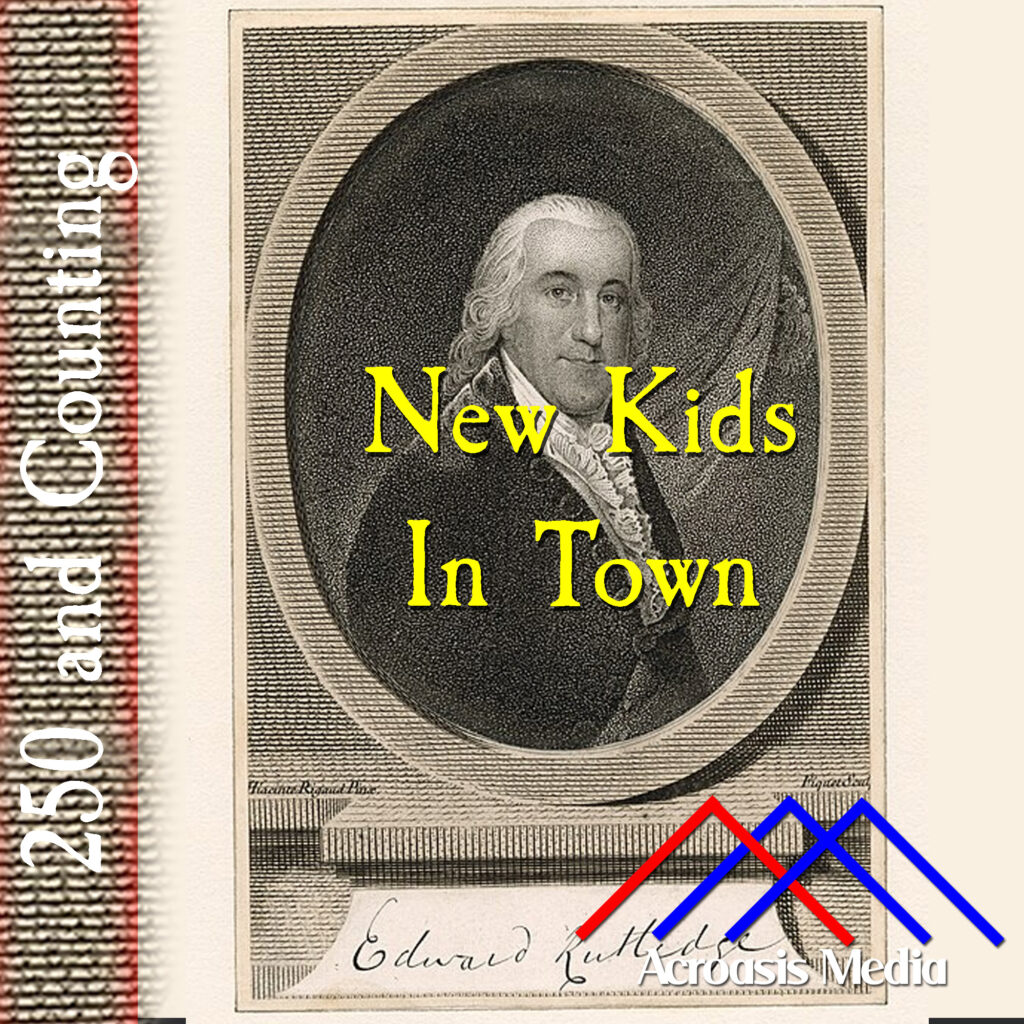
It’s also worth noting that while many of them were supporters of Colonial rights, they were also under instruction to oppose motions for independence. Specifically, when Richard Henry Lee’s motion comes down on June 7, Edward Rutledge specifically was told to oppose it. According to lore, his superiors in South Carolina’s government weren’t sure that the time was “ripe” for independence.
Arthur Middleton was not only a supporter of Colonial rights, he was said to think ruthlessly when it came to Loyalists.
Thomas Heyward didn’t distinguish himself very much in the Congress but in 1780 he was captured by the British and held for a year. The loss of the year and his “property” (i.e., slaves) made him a martyr for the Revolution.
Thomas Lynch was instrumental in helping George Washington organize his army in the early days, but illness kept him from signing the Declaration of Independence.
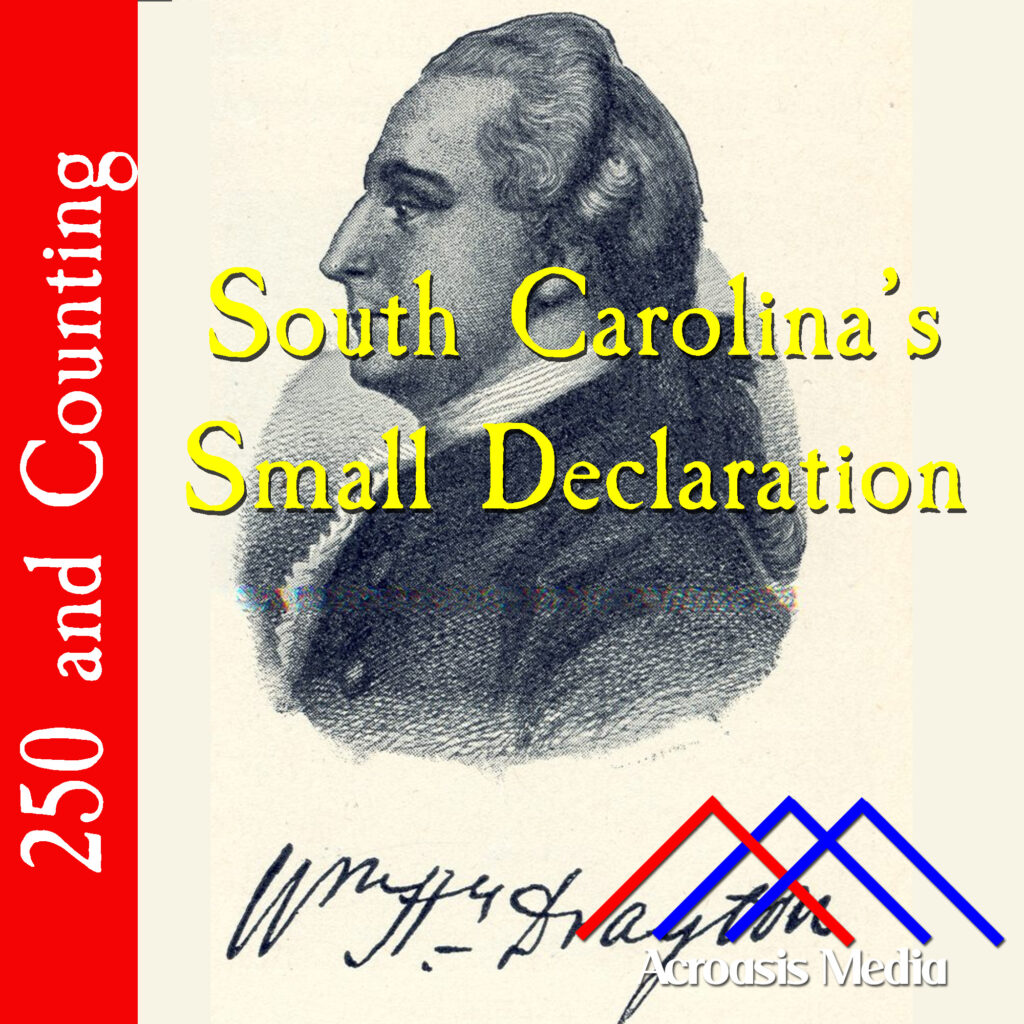
William Henry Drayton was born in 1742 on his family’s plantation just outside of Charleston. The plantation was dedicated to growing rice.
In 1764 he married Dorothy Golightly. In the early 1770s he was a Loyalist and enjoyed some of the perks that came with it. Then in 1774 he wrote a pamphlet supporting a Continental Congress and lost all his government jobs. That, go figure, radicalized him to the Patriot cause and he dedicated the rest of his life to it.
William Henry Drayton died in Berkeley County, SC at the age of 37. His home, Drayton Hall, is now within Charleston city limits and operates as a museum.
North Carolina’s Orange County Regiment went through a lot of change in a very short amount of time. First they were divided, then reabsorbed into a different group, all in the span of about two weeks.
Fortunately things stablilized for them then, but the resulting Hillsborough District Brigade of militia saw a lot of action over the next several years in the Carolinas and in Georgia. By the time the war ended, Hillsborough was one of the few groups still standing. But chances are, if there was an important battle in that part of the world, this group was part of it.
When Henry Knox wrote to George Washington apologizing for getting to Noweich,Connecicut so late, he had a pretty good excuse: he spent a bunch of money on hiring people to move materials down; and those people had trouble getting the job done.
But then Henry Knox also tells the story of leaving the caravan briefly to look at Newport RI and determine whether it’s defensible. Imagine how he felt when, after he spent two days figuring out the five best places to stand when defending Newport, he has to explain why he lost those two days afterward. But he did take the time to frame it as an activity that surely would make the Commander-in-Chief look better.
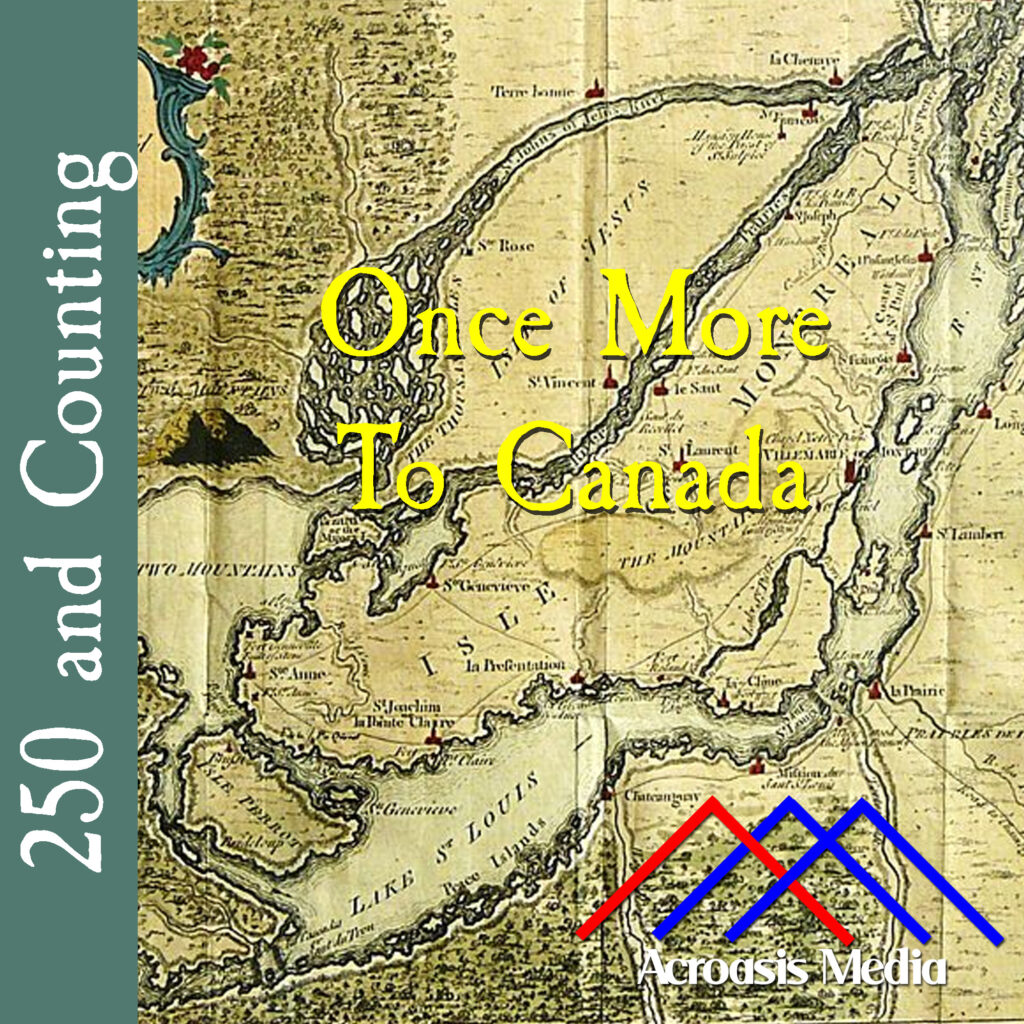
If nothing else, the tenacity of the Continental Congress has to be admired, because sending a delegation to Canada, especially after the recent New Year’s Eve disaster in Quebec, and then the “who knows how well it went” trip in March, was a sign of either eternal optimism or an inability to get the hint.
It was probably a little of Column A and a little of Column B.
At any rate, Ben Franklin, Samuel Chase and Charles Carroll headed up to Montrèal to see if relations with Canada could be smoothed over a little bit. And perhaps they could, but the Canadians still weren’t interested in the events going on to their south.
So we’re here once again: the battle ended with the British retreating into the city of Boston, and holding siege there for the better part of a year, until Washington was given several cannons brought down from Fort Ticonderoga, which vastly improved his shooting range.
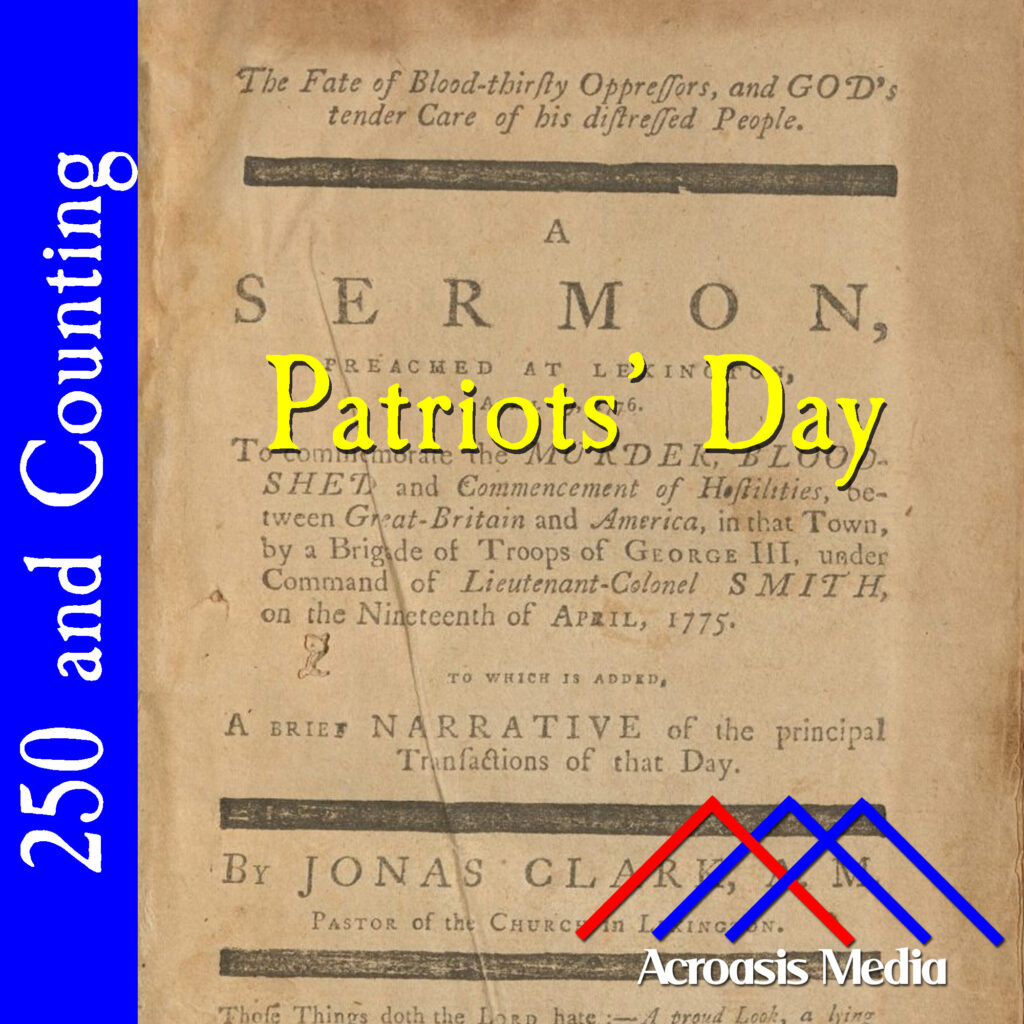
A year later, Reverend Jonas Clark marked the day with a sermon that is nearly 40 pages long in its published version. He used a lot of harsh rhetoric in his sermon, casting the British as though they were Satan’s owm minions:
They approach with the morning’s light; and more like murderers and cut-throats, than the troops of a christian king, without provocation, without warning, when no war was proclaimed, they draw the sword of violence, upon the inhabitants of this town, and with a cruelty and barbarity, which would have made the most hardened savage blush, they shed INNOCENT BLOOD!
The sermon does come back around to God, noting that:
And from the nineteenth of April, 1775, we may venture to predict, will be dated, in future history, THE LIBERTY or SLAVERY of the AMERICAN WORLD, according as a sovereign God shall see fit to smile, or frown upon the interesting cause, in which we are engaged.
So…God picks favorites, so long as we humble ourselves before Him and trust in His name.
Incidentally, I first heard about the children walking from Acton to Concord on the Julie Mason Show, on SiriusXM’s POTUS Channel. she had very fond memories of this, so I dug around a little to discover whether this activity was still going on all these years later. If anything, it’s grown!
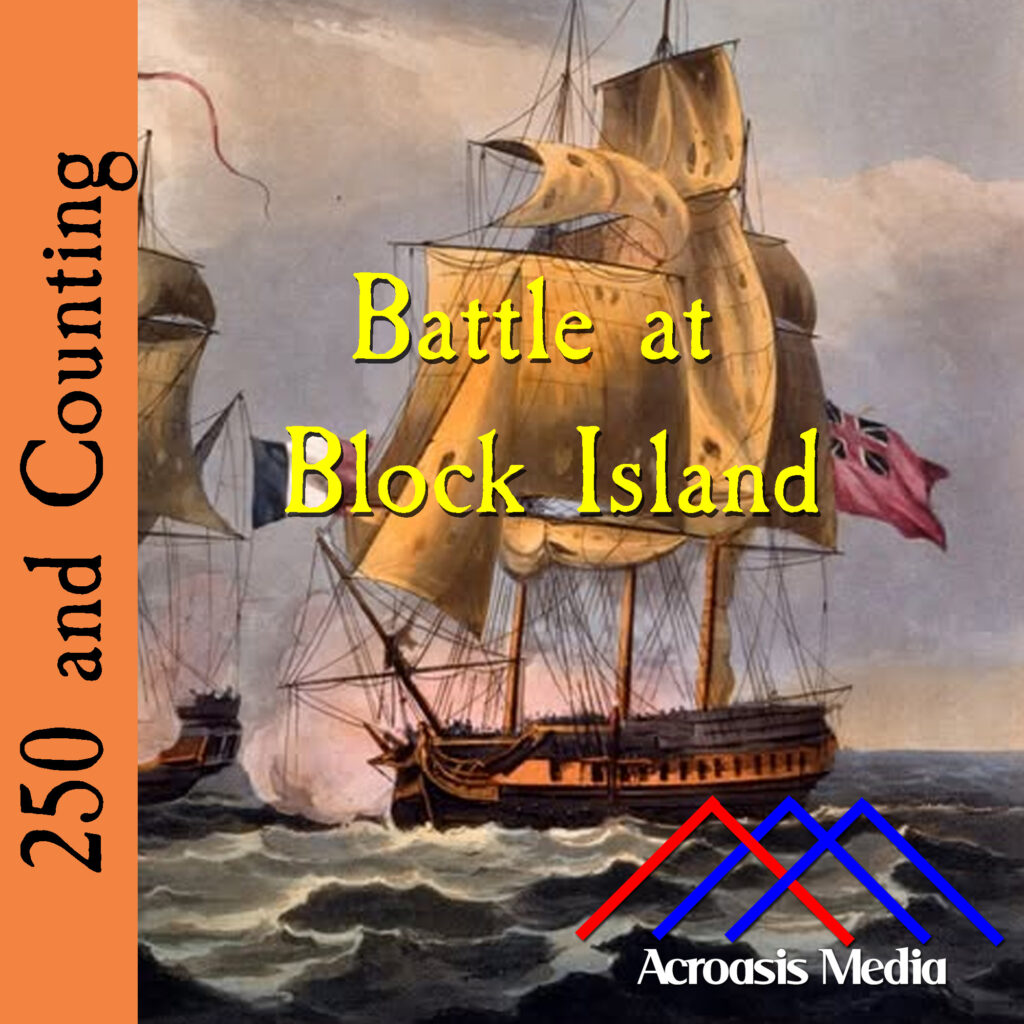
When you have seven ships and you encounter a single ship belonging to the enemy, the Battle of Block Island teaches us that it’s still possible to be overconfident.
Some people tried to frame the Battle of Block Island as a draw, but those people really weren’t paying attention. The HMS Glasgow took some damage, but far more damage was done to the ships that engaged her: The Cabot had its steering disabled and mostly just got in the way, the Alfred lost its tiller as well and also served as an obstacle. Providence held back and was undamaged; Columbus came in late and her fire was ineffective; likewise the Andrew Doria, which got stuck behind the Alfred. And the Glasgow got away, besides.
Between Esek Hopkins’ earlier disobeying of his orders and now this debacle, among other transgressions, he was formally censured. By 1778 he had been dismissed altogether from the Navy.
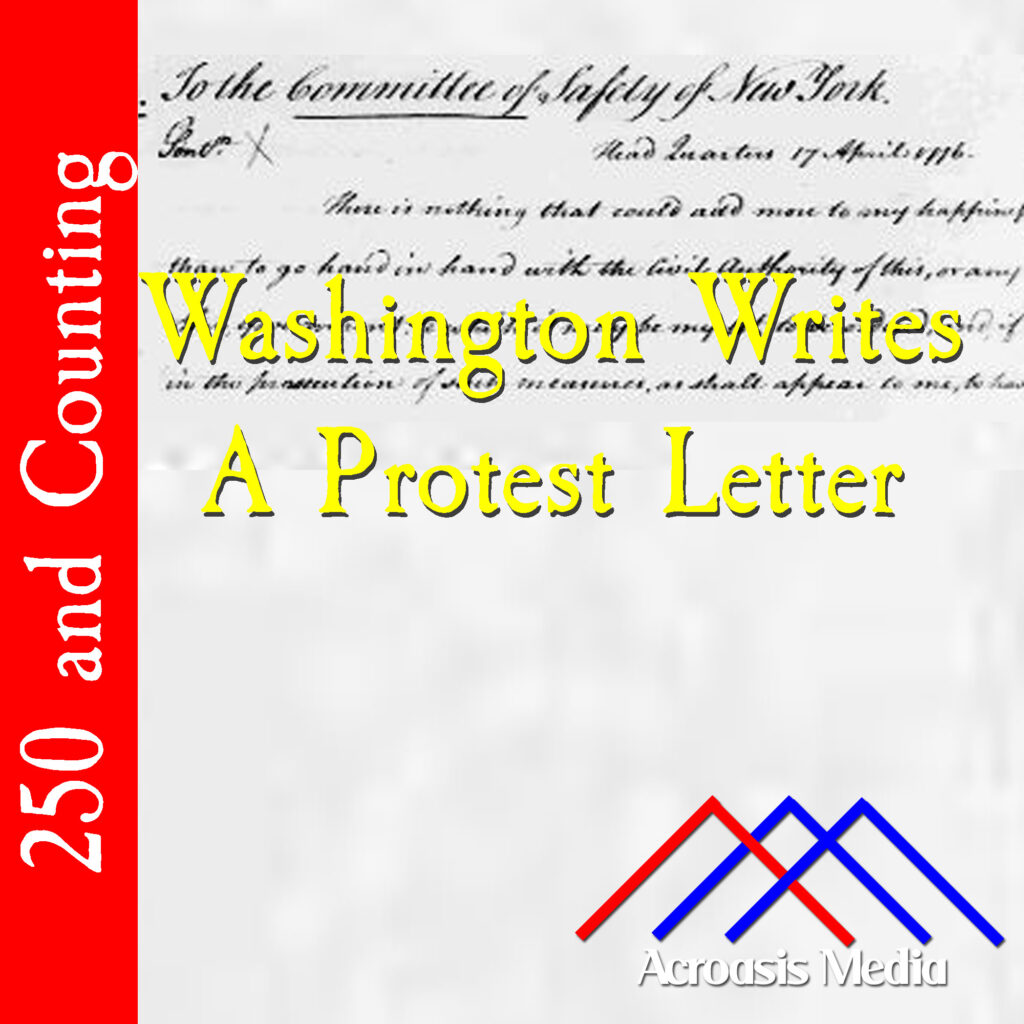
One of the things I really appreciate about reading documents from this era is just how polite they were; George Washington’s letter to the NY Committee of Safety, when you read between the lines is an admonition wondering if that august body had lost their damn minds.
One of the best examples of this is the Declaration of Independence itself. As Aaron Sorkin describes it in an episode of The West Wing:
[N]ever has a war been so courteously declared. It was on parchment with calligraphy, and “Your Highness, we beseech you on this day in Philadelphia to bite me, if you please.”
However, we’re getting ahead of ourselves; that doesn’t happen for another couple of months (and not when you think!).
At any rate, Washington was correct in his assessment that it didn’t make a ton of sense for New York to supply the British while at the same time opposing them. At the same time he didn’t accuse them directly; he played it very cool and suggested that the NY Committee of Safety could get a lot of credit if they’d do as he suggested.