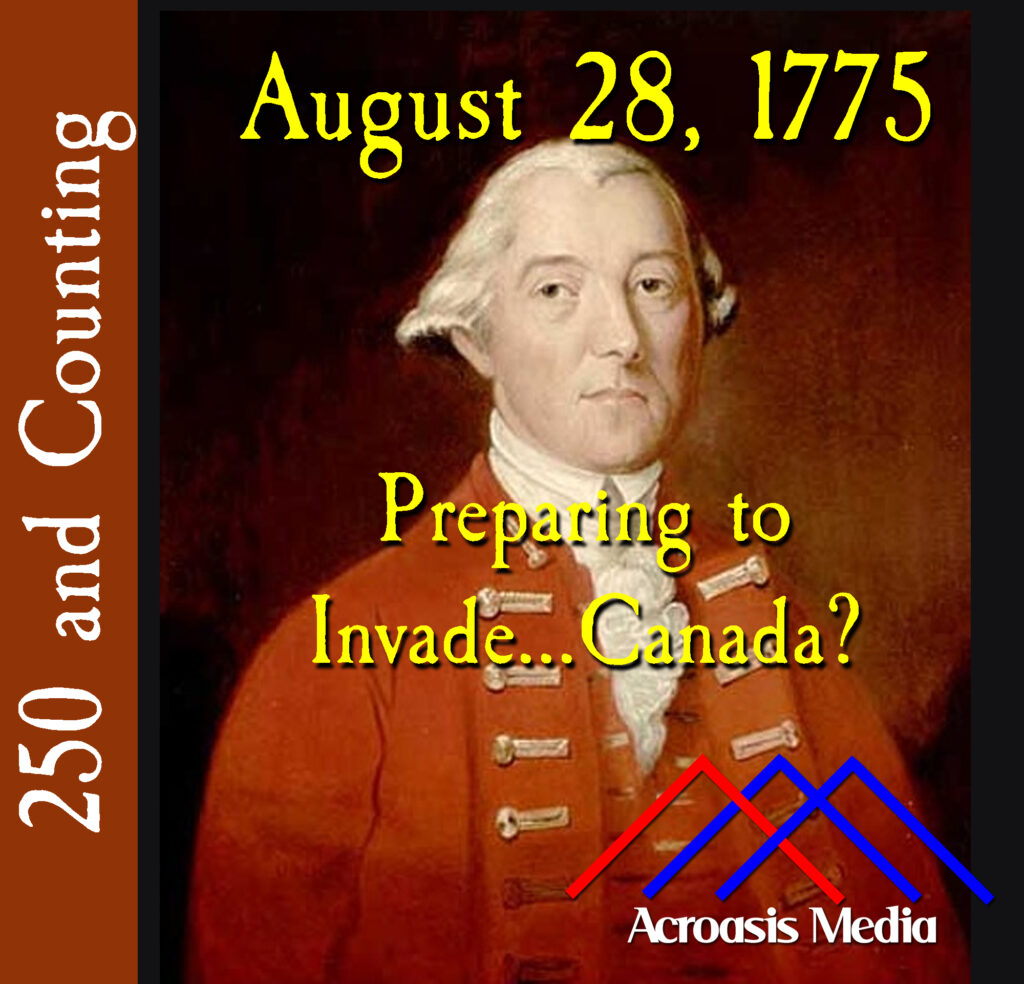
American forces began to move on Fort St. Jean in Canada. Unfortunately they ran into a couple of unexpected obstacles on the way, so they had to adjust their approach. This led to a six-week siege of the fort.
An invasion of Canada seems a little absurd on its face, but when you think about it in the context of the Revolution, it actually starts to make sense.
After all, Canada was also a few British colonies in the North American continent, but they were a little more obedient to the whims of Parliament and they had Loyalist leanings. So the Patriots had a choice between bringing them over ideologically toward Independence, or ignoring them. Neither of these were likely to work, so they set about on the next best thing.
Invade and then occupy Canada.
But as we’ll learn in upcoming episodes, it’s not as easy as you’d think.
As farfetched as it sounds today, considering the need to invade and occupy Canadian territory was considered important early in the war effort, largely because the colonies in the Great White North had been treated a little more favorably by Parliament. Therefore they were more likely to lean on the Loyalist side of things.
In making the decision to do so, however, there were lots of things to consider that (in retrospect) seem not to have been considered. But as time goes on and we get closer to the end of the year, we’ll be discussing that in future episodes. At this point, the plans are mostly just getting started.
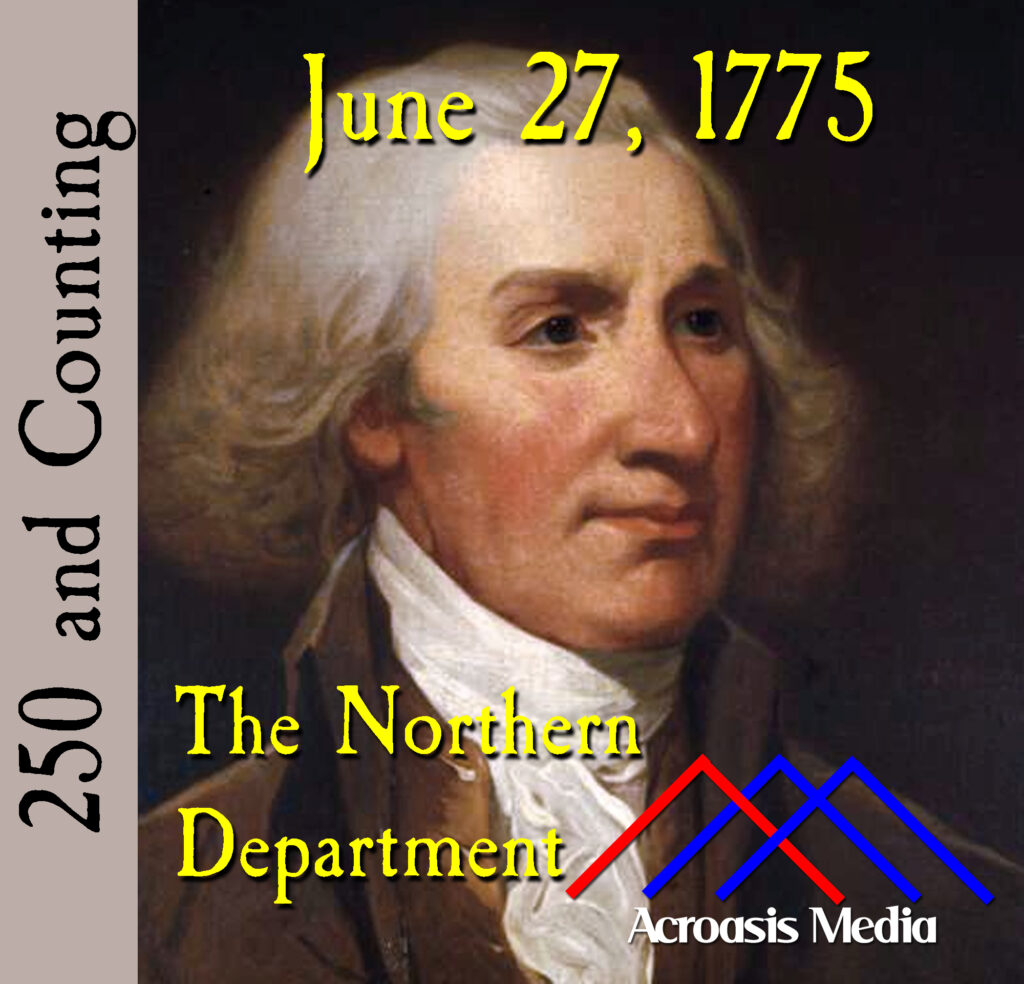
“Schuyler” is one of those names in New York history that pops up quite frequently, partly because they were a prominent family. But it’s also one of those names that you may suddenly realize you’ve heard many times. “Schermerhorn” is another one (no kidding).
So is “Burr,” for that matter, as in Aaron and family. Several Burrs are buried very close to the Long Island town where I grew up. I have childhood memories of passing a cemetery in Smithtown and seeing BURR on a few of the tombstones. It wasn’t until later that I learned it was the same family.
As far as the Schuylers, they were originally from the Albany area but after his father died he was raised in the New Rochelle area. Most of his military experience derived from fighting on the side of the British in the French and Indian War. Later in his life he lived on his estate in Saratoga, just north of Albany. He spent some time as a member of Congress and is also known for being Alexander Hamilton’s father-in-law.
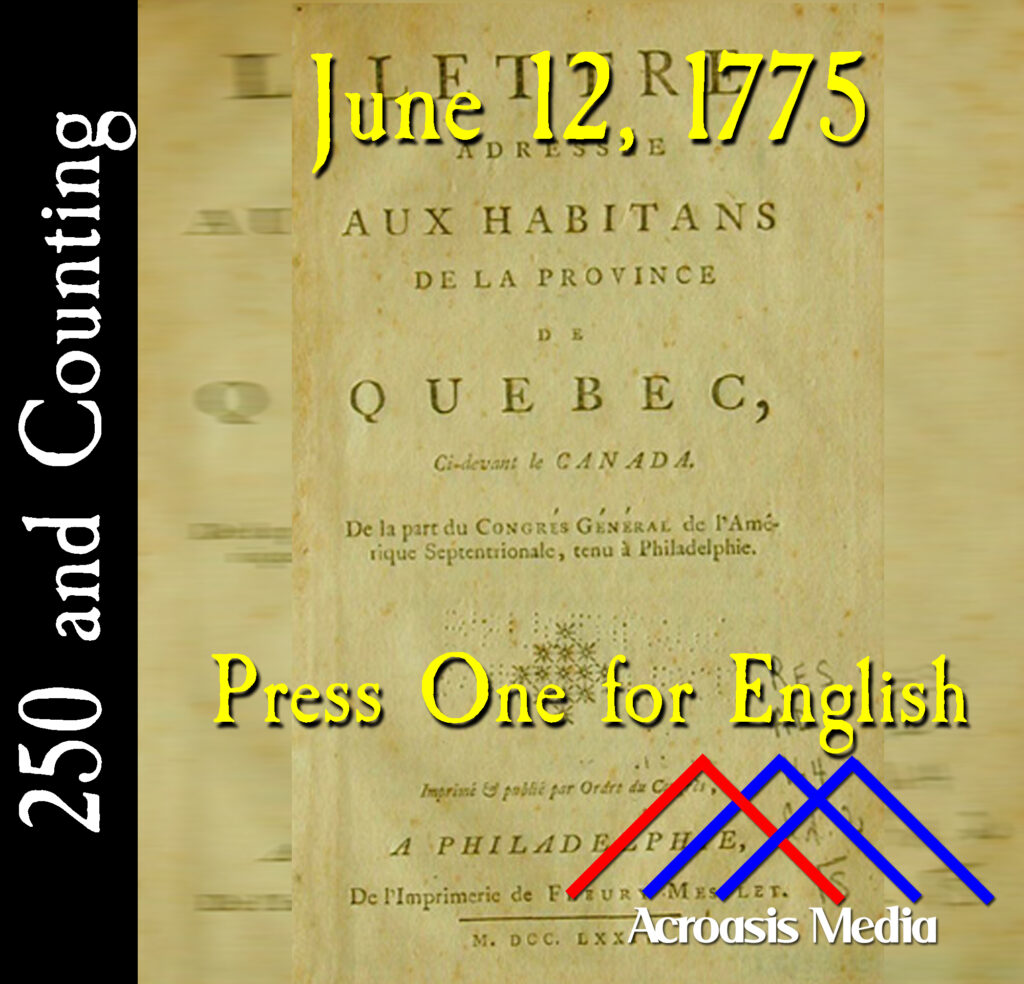
The folks in America wanted to ensure that the folks in Canada knew just how bad the conditions were, but the problem was that most of the regular inhabitants of Canada spoke French, so when the Continental Congress created documents meant to sway the Canadians to our side of the loyalty fence, they were written in French.
But the problem was, they couldn’t use these documents as evidence for folks here in the Colonies, because not enough people understood French. What to do, what to do?
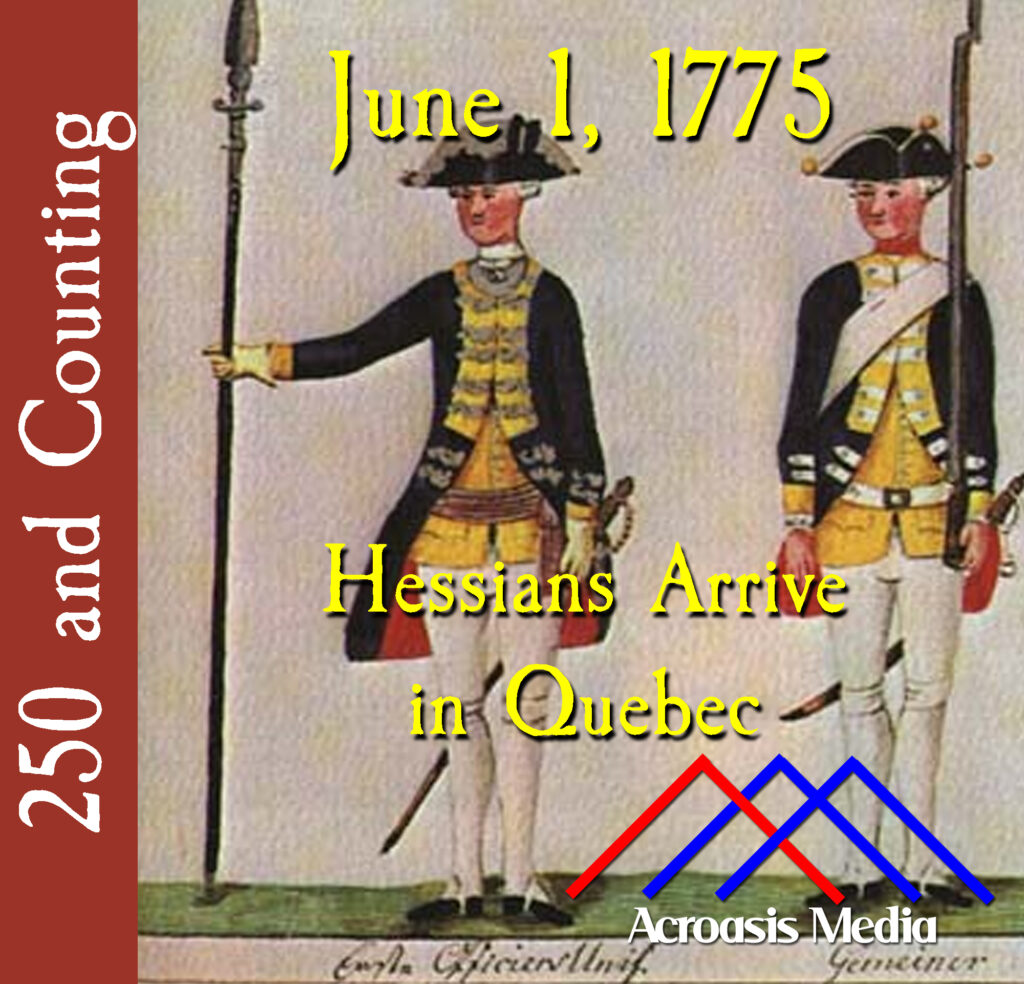
When I was a kid learning about the American Revolution, we somehow got it in our heads that Hessians were some kind of Super Troopers, practically undefeatable and certainly not to be trifled with.
And to a certain extent, that was true. Hessians were professional soldiers, that is, they were mercenaries. What’s more, they were well-trained and well-paid. But still in the long run, they were still just soldiers, and we won the war anyway, against all odds.
Britiain eventually hired over 30,000 Hessians. On this day in 1775, the first batch of them arrived.