At this point, both George Washington and General William Howe know that they’re literally on the eve of battle, and they’re making their final preparations.
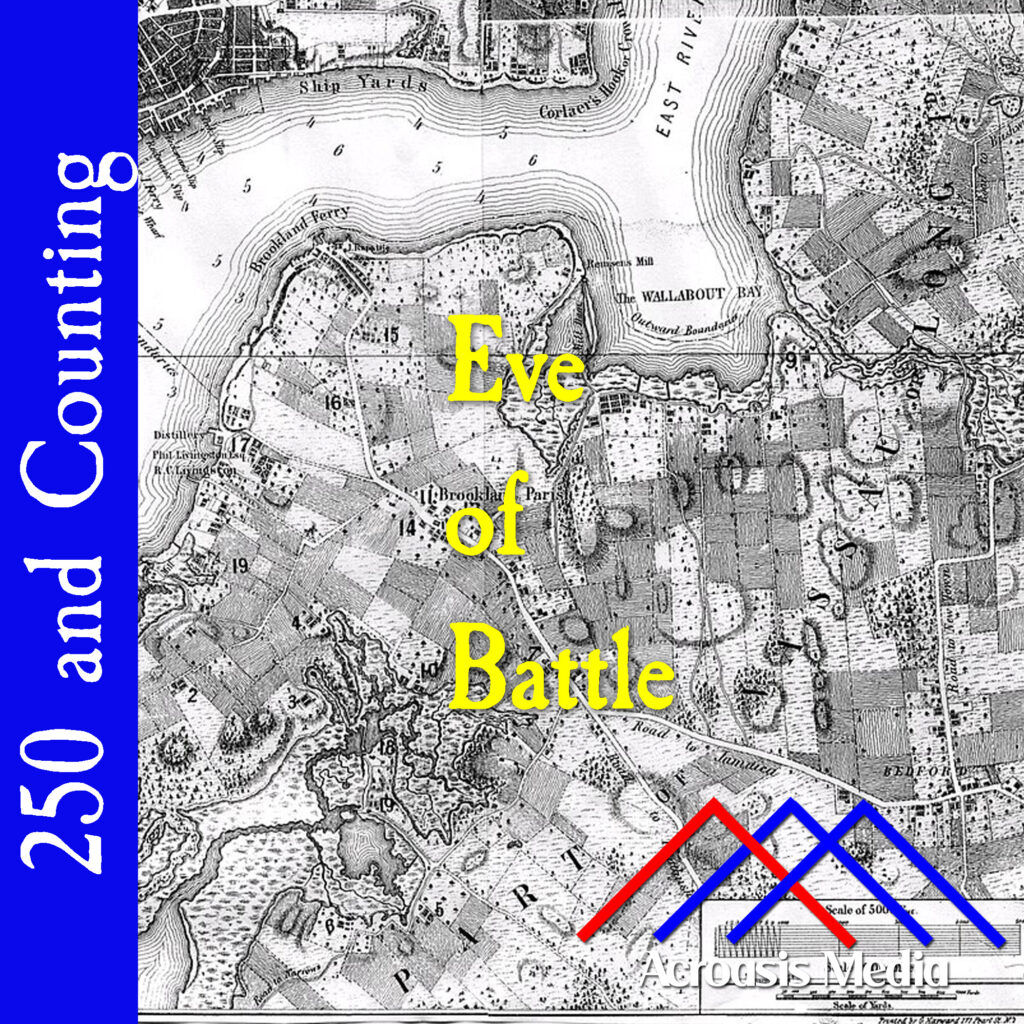
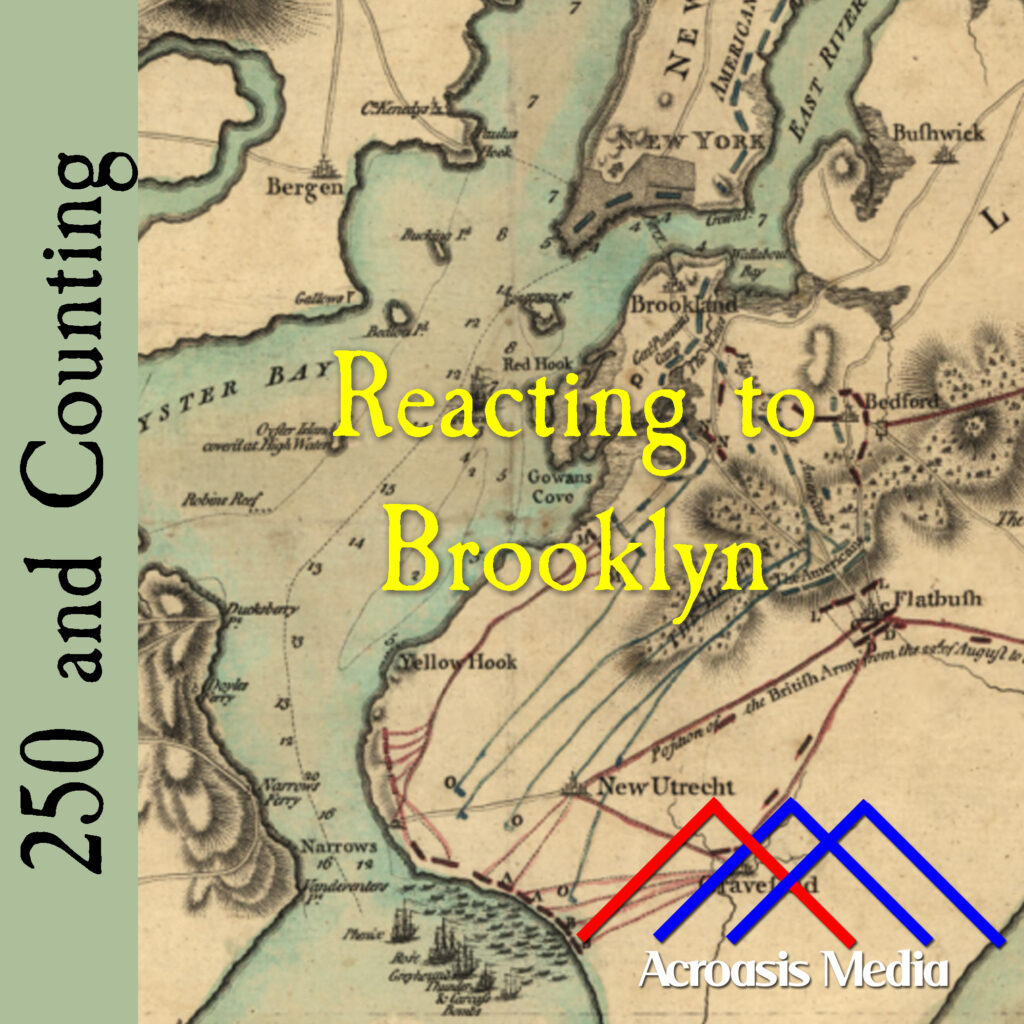
The British, along with the Hessians, were making plans to move along the Jamaica Pass (it’s the road just above the Acroasis logo in today’s art), which, while they didn’t know it, was relatively lightly guarded by the Continental Army.
Washington’s tactic was to hold on to the Heights of Guan (the ovals to the right of the episode title, representing hills) and fortify Brooklyn Heights (far left center, about where the Brooklyn Bridge is today). It wasn’t a bad idea, but it didn’t match the British plans. And that’s largely where things went wrong. We’ll be talking about that in greater detail tomorrow.
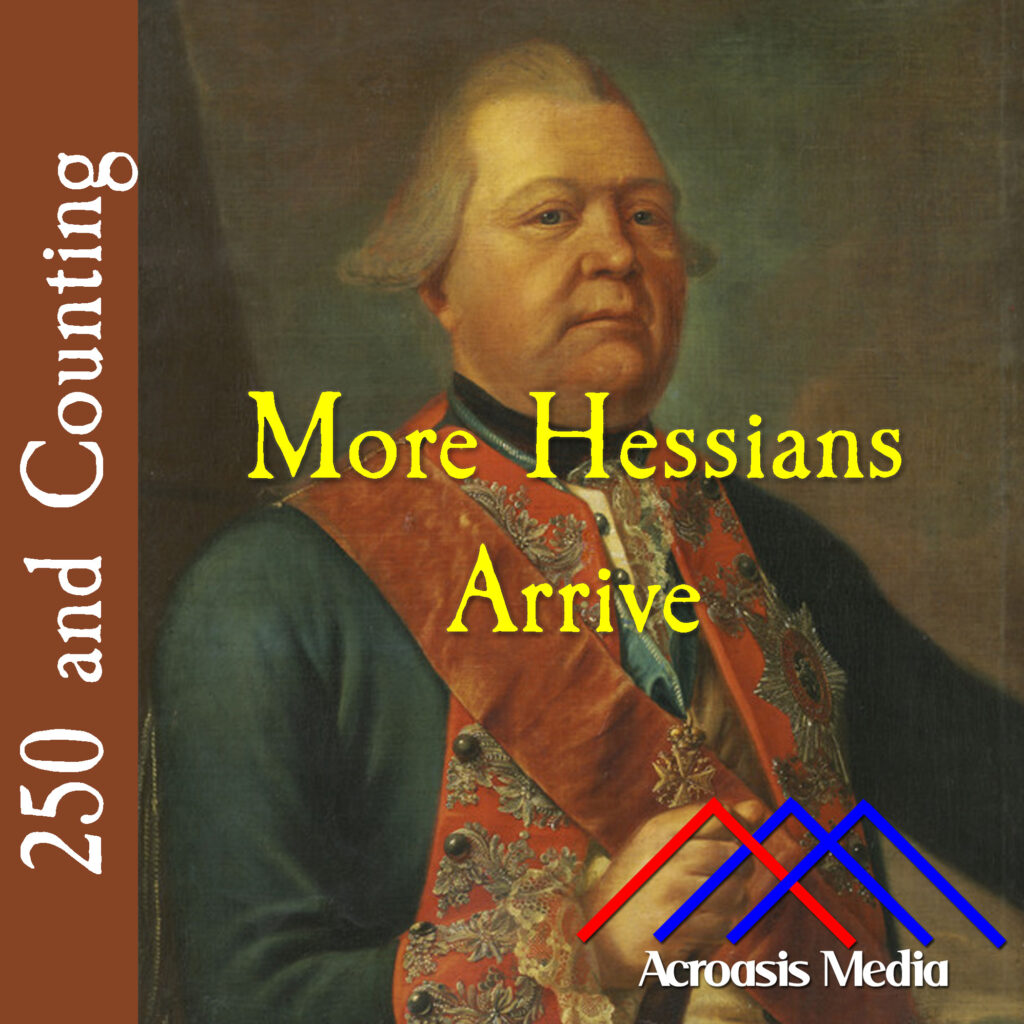
Like the Continental Army didn’t have enough problems with being outnumbered nearly two-to-one, now they’re looking at another five thousand Hessians landing in Brooklyn.
The name “Hessians” is what they call a synecdoche; that’s when a part of something is used to refer to the whole. For instance, when we say “boots on the ground,” the “boots” portion of that phrase is synecdoche for “soldiers.” Or, if you refer to business leaders as “suits.” So, Hessians got that name because most of the troops came from one of two German states: Hesse-Kassel and Hesse-Hanau.
While Hessians were effective soldiers, especially in the Northern theaters of the Revolutionary War, their presence also had the effect of outraging colonists and improving overall support for the war effort. In fact, the Hessians are referenced (though not by name) in the Declaration of Independence:
“He is at this time transporting large Armies of foreign Mercenaries to compleat the works of death, desolation, and tyranny, already begun with circumstances of Cruelty & Perfidy scarcely paralleled in the most barbarous ages, and totally unworthy the Head of a civilized nation.”
In the colonists’ heads, the Hessians’ mere presence was a violation of their rights.
Over the next couple of days, we’ll follow the activitiy on Long Island as the battle itself begins.
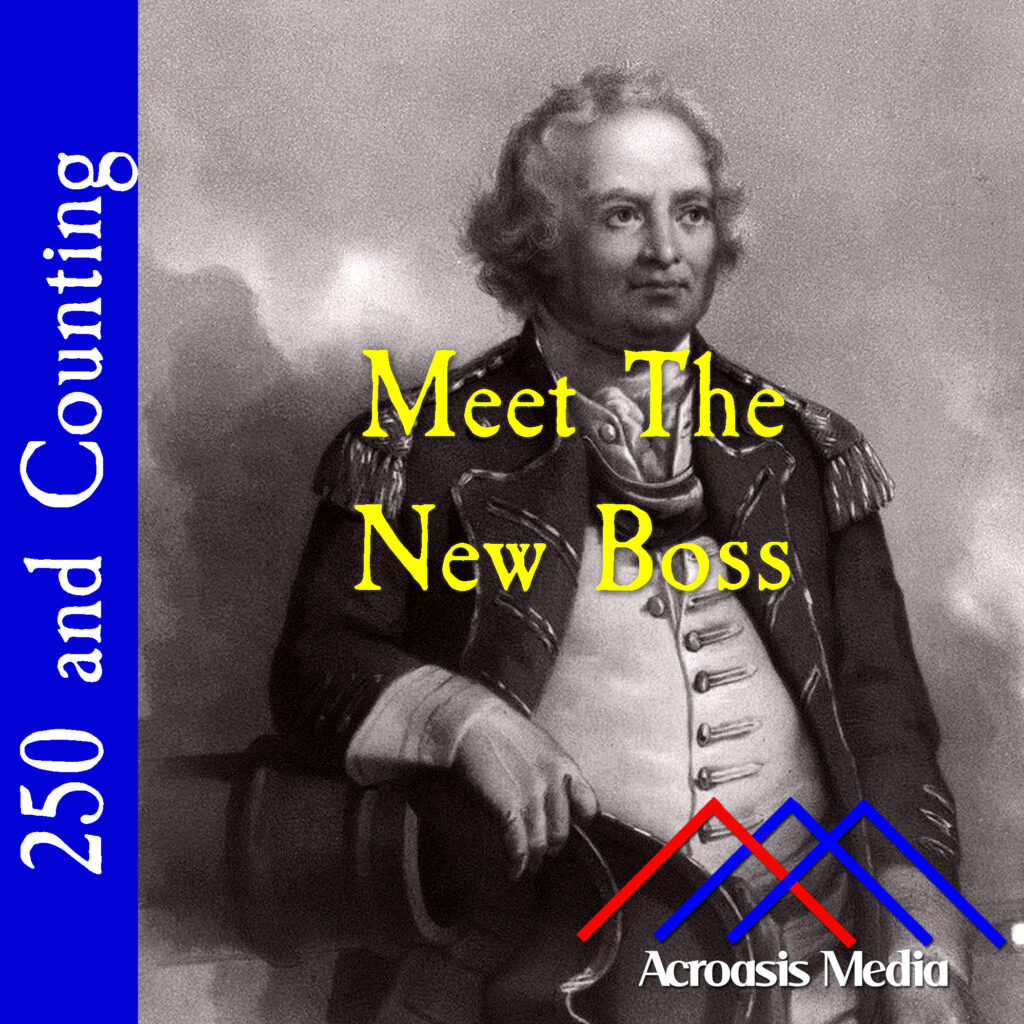
That George Washington chose to add Israel Putnam to his leadership rolls in Brooklyn isn’t specifically mysterious. What is mysterious is that Putnam was added rather than used as a replacement for someone else.
As a result of that move, there were essentially two men in charge on Long Island, with Putnam as the theater commander and General John Sullivan, who’d arrived only a couple of days earlier, in charge of ..something else?
I’m reminded of a story from when I was a youngster and my family went up to Fort William Henry, on Lake George in upstate New York. It was built by the British during the French and Indian War, but it wasn’t built to withstand artillery, so when the battle started, the fort had to surrender pretty quickly. At any rate, one of the docents, dressed in period clothing, demonstrated how a flintlock rifle worked: he set up the powder, etc, put a musket ball into the gun (my memory is hazy on the specific details here), then he took aim, out toward the lake so nobody would get hit…and the gun misfired, the hammer simply banging down ineffectually.
>click<
And someone in the tour group, who may have been my mother (is the statute of limitations up yet?) said, “No wonder you lost.”
Same thing happened on Long Island: poor planning, confusion regarding leadership roles, and being generally outnumbered.
The day after the British landed on Long Island, George Washington was disheartened to learn that army provisioning wasn’t at the level he’d expected, despite his orders only a week earlier.
It was bad enough that he’d been caught a little flatfooted by both the magnitude and the direction of the British movement, now he discovers that troops he’d ordered to move had done so without proper provisions.
So, he took the time to create new orders regarding army provisioning and ensure that the General Commissary had the manpower to do what it needed to do. He also took the time to write an inspirational note to the troops, which we couldn’t do in a two-minute show, but which read thus:
The Enemy have now landed on Long Island, and the hour is fast approaching, on which the Honor and Success of this army, and the safety of our bleeding Country depend. Remember officers and Soldiers, that you are Freemen, fighting for the blessings of Liberty—that slavery will be your portion, and that of your posterity, if you do not acquit yourselves like men: Remember how your Courage and Spirit have been dispised, and traduced by your cruel invaders; though they have found by dear experience at Boston, Charlestown and other places, what a few brave men contending in their own land, and in the best of causes can do, against base hirelings and mercenaries—Be cool, but determined; do not fire at a distance, but wait for orders from your officers—It is the General’s express orders that if any man attempt to skulk, lay down, or retreat without Orders he be instantly shot down as an example, he hopes no such Scoundrel will be found in this army; but on the contrary, every one for himself resolving to conquer, or die, and trusting to the smiles of heaven upon so just a cause, will behave with Bravery and Resolution: Those who are distinguished for their Gallantry, and good Conduct, may depend upon being honorably noticed, and suitably rewarded: And if this Army will but emulate, and imitate their brave Countrymen, in other parts of America, he has no doubt they will, by a glorious Victory, save their Country, and acquire to themselves immortal Honor.
Yes, I said that cowardice “will not be tolerated” in the episode; clearly I under-sold that one.
One fine Thursday morning in August of 1776, about 4000 British troops, led by General Henry Clinton and General George Cornwallis, landed at Gravesend Bay in Brooklyn. By the end of the day, their number had swelled to over 16,000.
George Washington’s problem was that he only heard about the initial 4000 later that day and decided that his guess regarding any invasion of Brooklyn was little more than a feint. Washington was no fool, but he was definitely wrong about this one.
When looking at historical documents related to Joseph Healy, it appears that most of them relate to Healy in a rather ancillary manner. We know how many times he voted in Congress because someone keeps tallies of everyone in Congress. We know about his family tree because he was traced back via Ancestry.com.
Healy is the stone that was thrown in the pond; what we know about him has to be read from the ripples.
All of which is a rather long way of saying that I don’t have a lot to say here.
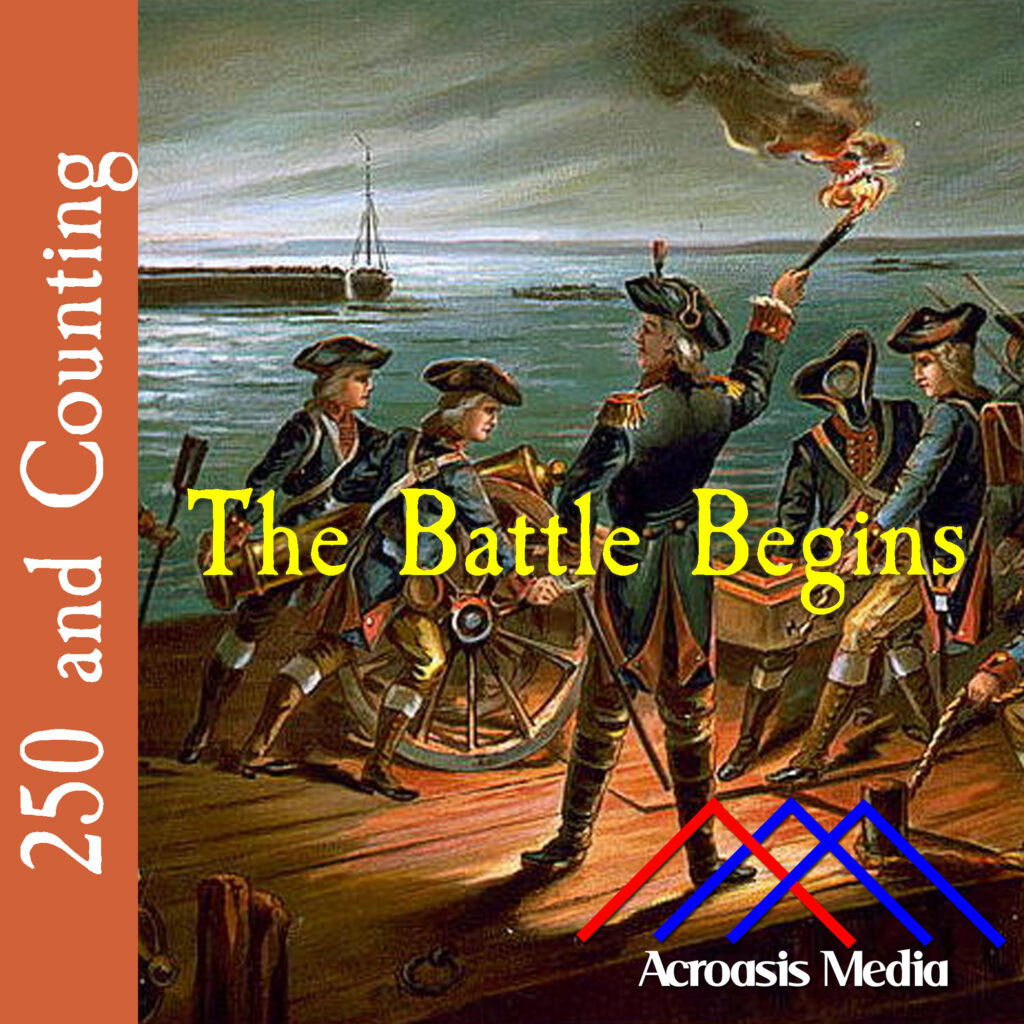
It’s been coming for at least two months, and the Battle of Long Island has finally begun.
As we’ve noted a few times the past couple of days, George Washington had to make a few educated guesses about what the British were planning to do, but this left his troops thinly spread throughout Brooklyn and Manhattan, which left the Continental Army at a big disadvantage.
While numerous skirmishes have broken out up and down the coast between the British and American militia forces from time to time, this was Washington’s first major tangle with the British Army. That it didn’t go so great wasn’t his fault; that it didn’t go as badly as it could have is entirely his doing, as we’ll learn in a few days.
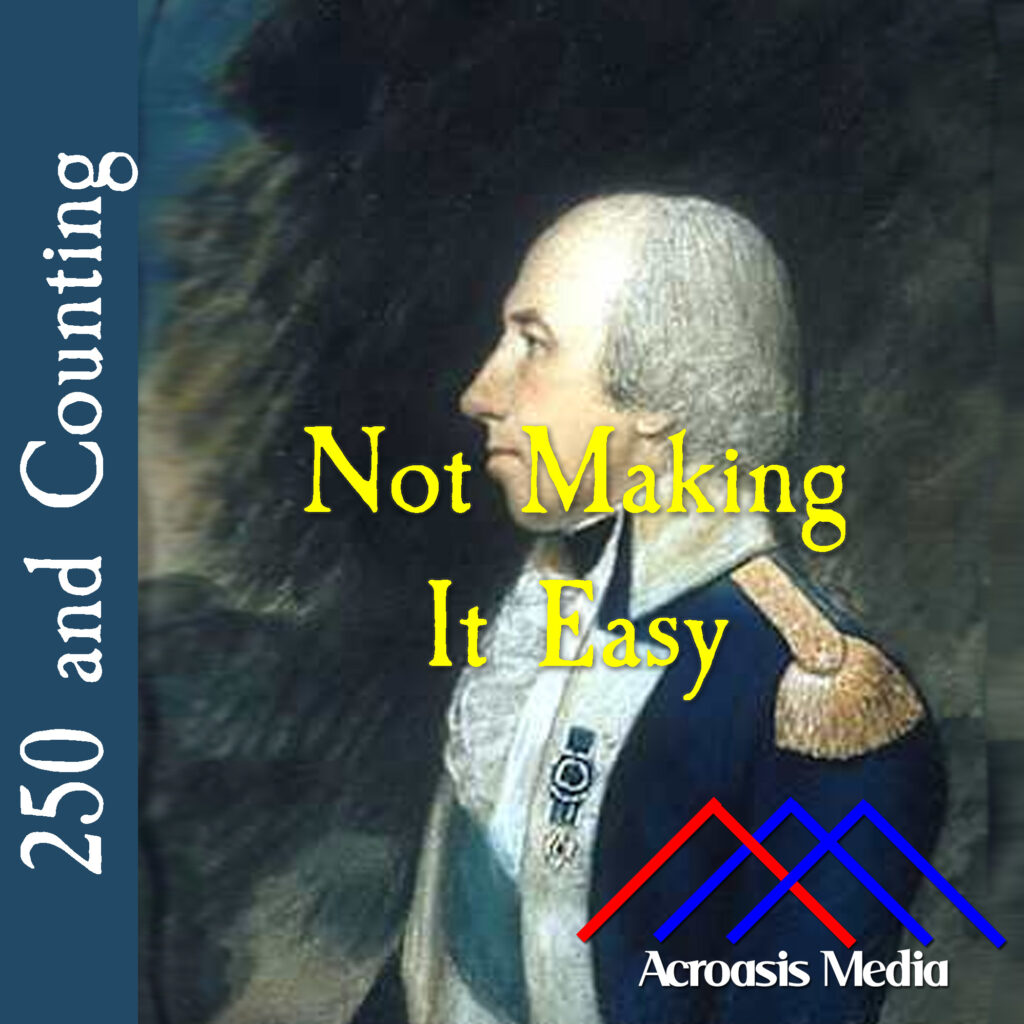
The reason that this portrait—and most of the others—of Rufus Putnam is in profile is that, when he was a child, one of his eyes was disfigured in an accident, giving it a, “outward, oblique cast.”
Putnam joined the Revolutionary War effort the very first day, after the battle at Lexington and Concord. During the Siege of Boston, Putnam directed efforts to fortify Dorchester Heights. Part of what had the British so flummoxed about that wasn’t that he did a good job (though he did), it was that he managed to get it all up and in place so fast.
Rufus Putnam worked his way up through the ranks quickly, so that by the time he was in New York, he was a colonel and designated an engineer.
But in December 1776, when the Continental Congress rejected his proposition to establish a national corps of engineers, Putnam resigned his commission. His resignation was short-lived and he eventually joined the Continental Army and served under Major General Horatio Gates. Putnam commanded two regiments in the battle of Saratoga.
He continued to work on critical fortifications, including Fort Putnam at West Point in 1778. In 1779 Putnam served under Major General Anthony Wayne in the Corps of Light Infantry following the capture of Stony Point, commanding the 4th Regiment. Putnam’s remaining military career was less eventful. In January 1783 he was commissioned as brigadier general.
After the war, Putnam returned to Massachusetts and returned to his original work as a surveyor. But a few years later, in 1788, Putnam led a group of veterans to settle land in the west, where they established what we now call Marietta, Ohio, the first European-American permanent United States settlement in the Northwest Territory. Putnam was appointed to serve as one of three judges of the Northwest Territory after Samuel Holden Parsons died. Marietta was settled on land that the local natives considered theirs, and it took a couple of years for the Ohio Brigade (with Putnam in the lead) to beat them back.
As Ohio residents organized to write a constitution and be admitted as a state, in 1802 Putnam was elected a Washington county delegate to the Ohio Constitutional Convention.
Putnam died on May 4, 1824, and was buried at Mound Cemetery in Marietta, Ohio.
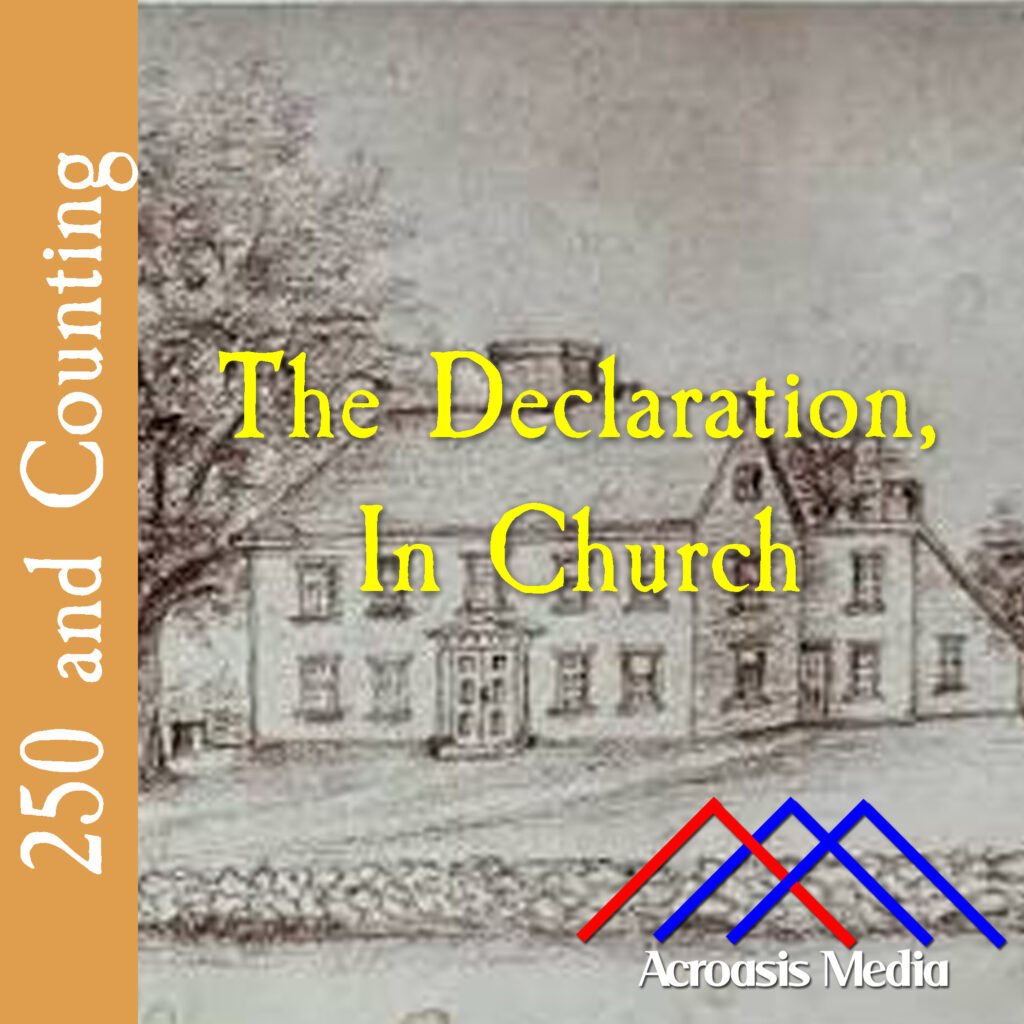
Samuel Dunbar was born in Boston on October 2, 1704. When he was 4, his father died. At a very early age he attracted the attention of the Reverend Cotton Mather.
With Mather’s guidance, Dunbar attended Boston Latin School and Harvard College. In 1727, the people of Canton reached out and sent letters of inquiry asking that the 23 year old accept a ministry over the Church of Christ in Stoughton.
Dunbar was a Loyalist, much like nearly everyone else in New England in the mid-1700s, but as time went by he began to support Patriot causes. He was present at the meeting that brought about the Suffolk Resolves, and it was said that he opened that meeting with “the most extraordinary liberty prayer” ever heard.
So it makes sense that Dunbar was the first minister to read the Declaration from the pulpit.
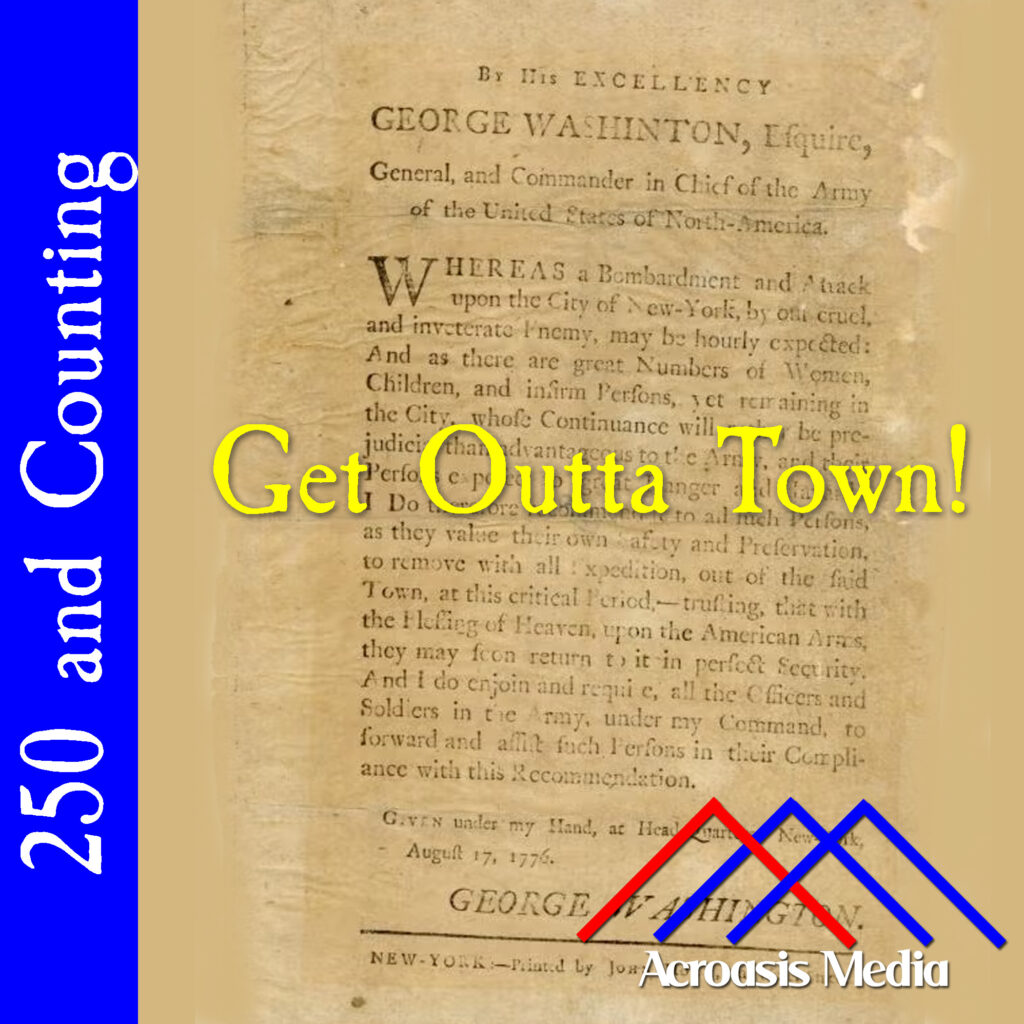
Ever the polite man, George Washington strongly urged (rather than ordered) civilians to evacuate Manhattan before the British began their attack.
Washington’s biggest problem was that he knew that the British were coming, but he had no idea how they were going to do it, given that Manhattan is an island, and while Brooklyn is not (its location at the west end of Long Island notwithstanding; work with me a little here), it’s still got a lot of coastline to defend. So even if Washington had a number of troops similar to the Howes, they’d likely be stretched a little thin. With slightly more than half the British strength, he’s definitely stretching thin.
So to evacuate Manhattan was the smartest move, since there was practically no way he could defend the land and the people living on it. The best he could do it say “please go, and with any luck you’ll be back before you know it.”
Unfortunately, “before you know it”, in this case, meant “not until 1783.”