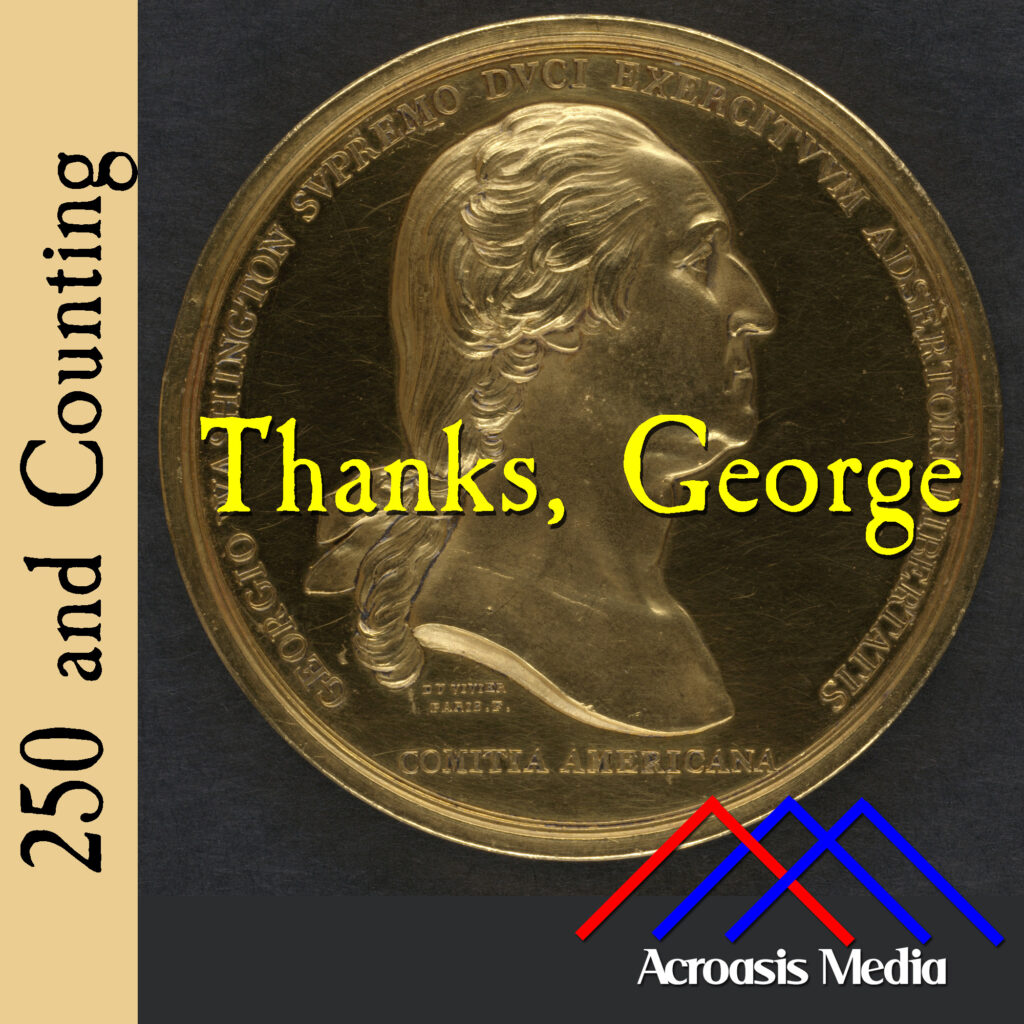
Just a few days ago, Congress passed a resolution that George Washington should be thanked for his efforts in Boston, and that a Congressional Medal should be issued to him.
Specifically, the resolution read:
Resolved, That the thanks of this Congress, in their own name, and in the name of the thirteen United Colonies, whom they represent, be presented to His Excellency General Washington, and the officers and soldiers under his command, for their wise and spirited conduct in the siege and acquisition of Boston; and that a medal of gold be struck in commemoration of this great event, and presented to His Excellency; and that a committee of three be appointed to prepare a letter of thanks and a proper device for the medal.
They did do all this, but frankly striking a congressional medal (or any other type, presumably) during the Revolutionary War was kind of a low priority (in addition to the other issues Mike cites), but it did eventually get done.
An unknown Greek poet, possibly from the 1st century CE, once said:
Ὀψὲ θεῶν ἀλέουσι μύλοι, ἀλέουσι δὲ λεπτά. The millstones of the gods grind late [slowly], but they grind fine.
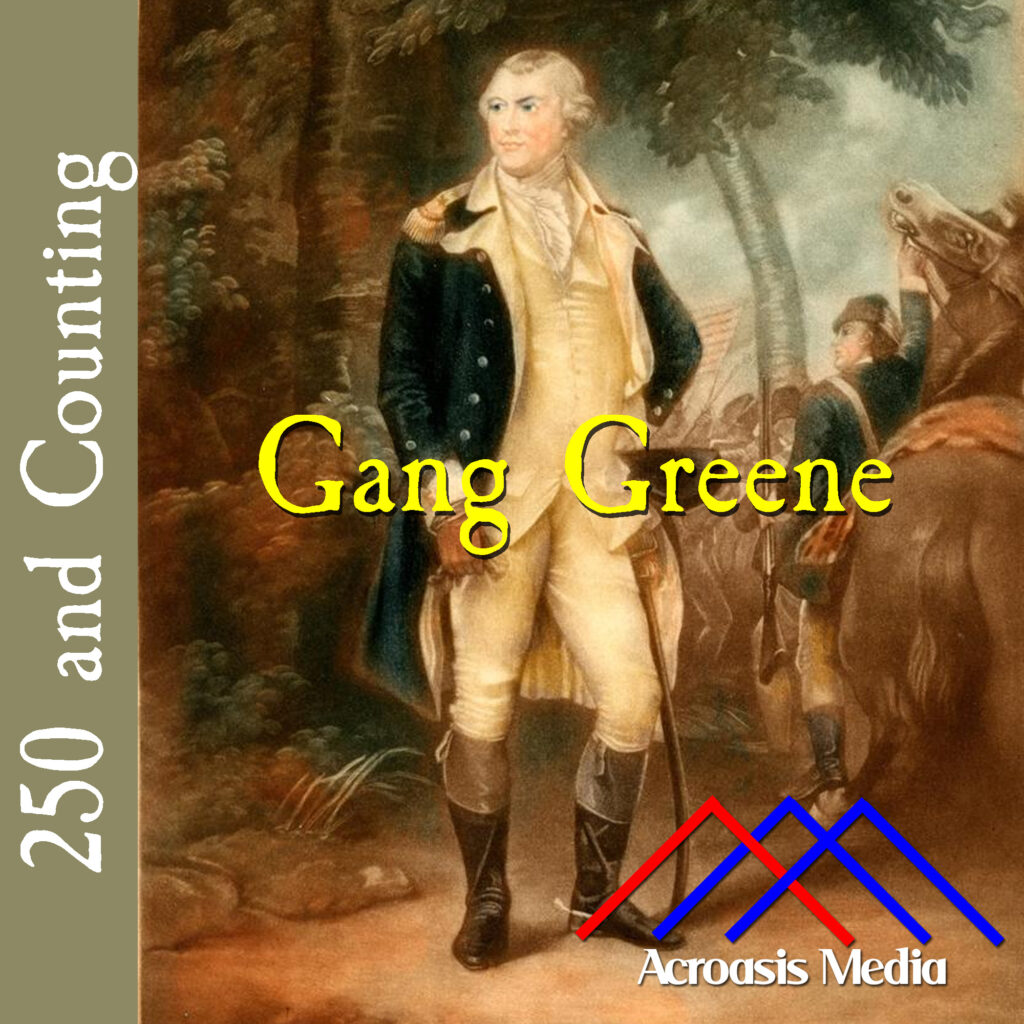
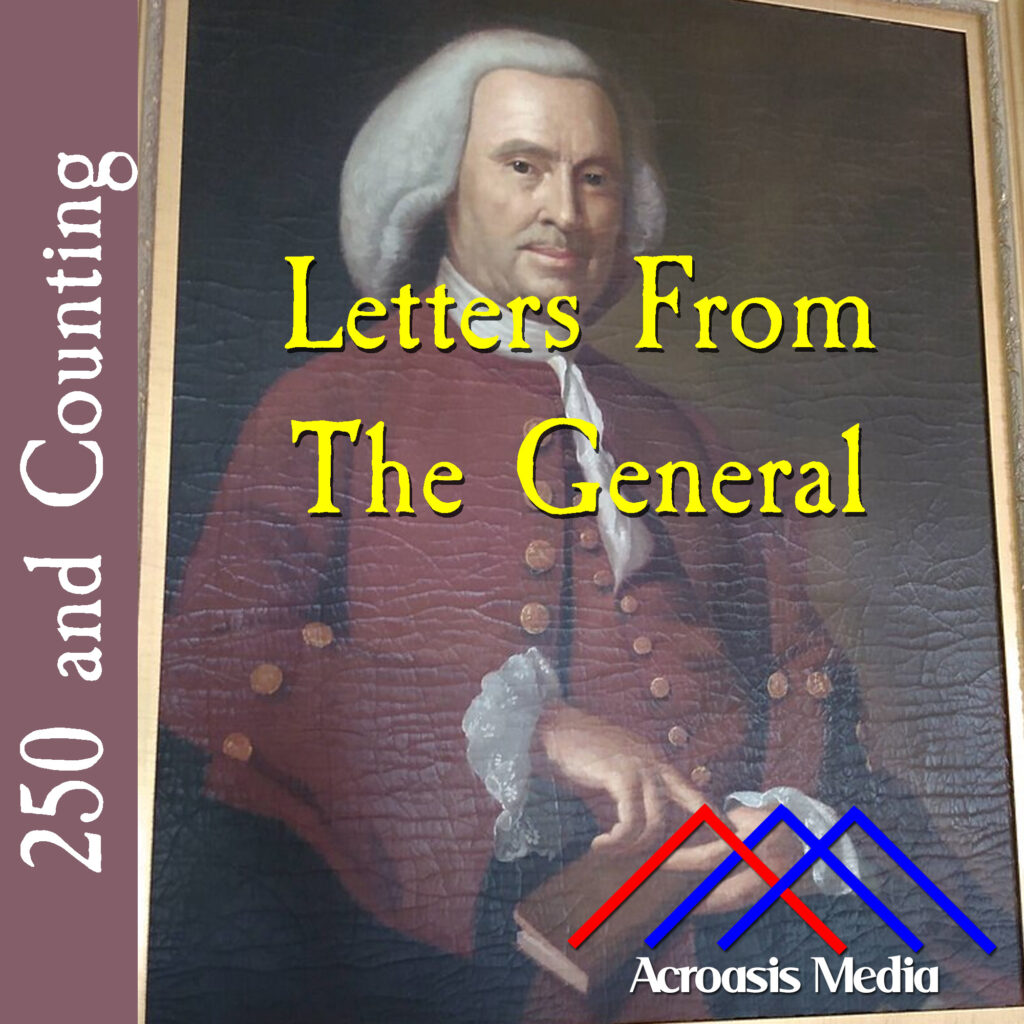
Nathanael Greene (you’ll also see it alteratively spelled as “Nathaniel”) was one of Washington’s trusted generals, largely because he had a keen mind for military tactics, but also because he had high expectations for his soldiers.
In addition to drilling them regularly, he also insisted that they keep as clean as possible, including things like maintaining a clean-shaven face. Card-playing and swearing were also prohibited.
As a result, his men stood out among the others when George Washington arrived at Cambridge, and he decided that he needed a little more of that in the Continental Army. Greene followed Washington to New York but afterward he began to take charge of military matters in the south.
When Washington’s troops moved to the Valley Forge area in the winter of 1776, the disciplinary problems Greene had helped solve began to arise again, and Washington had to turn to another man to get his troops back in order. We’ll look at that as we get into that time of the year.
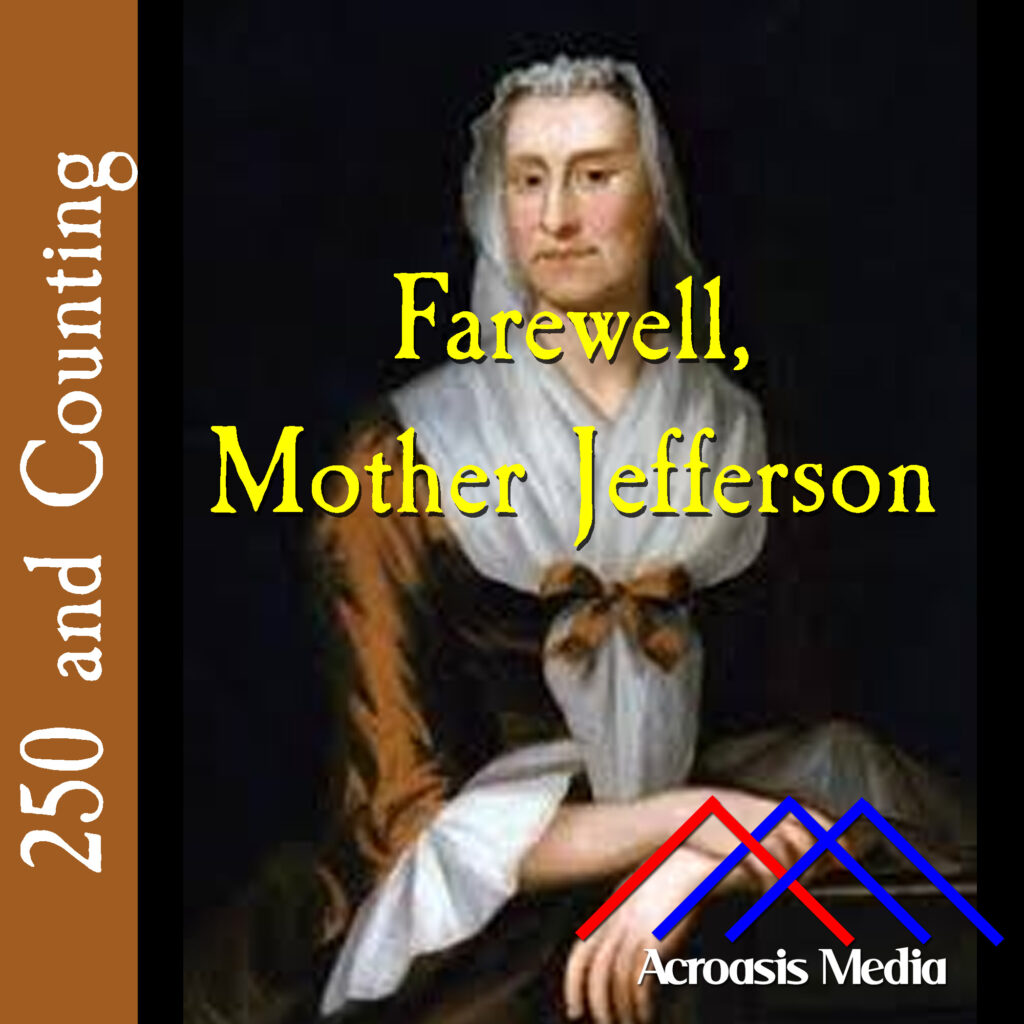
In discussing the life of Jane Randolph Jefferson, I mentioned during the episode that Thomas Jefferson rarely discussed her.
This is not, however, to suggest that he lacked affection for her, or that he was somehow ashamed of her. There are family remembrances and contemporary biographies that show that Jane was a revered family member. It’s also worth noting that Thomas Jefferson, unlike Benjamin Franklin, was not in the habit of retaining correspondence, even with people important to him.
Jane is credited by many historians as the person responsible for his love of music and for his writing abilities. And after all, he didn’t leave his family home until it burned down. Furthermore Thomas named his second daughter after his mother (his first was named after his wife).
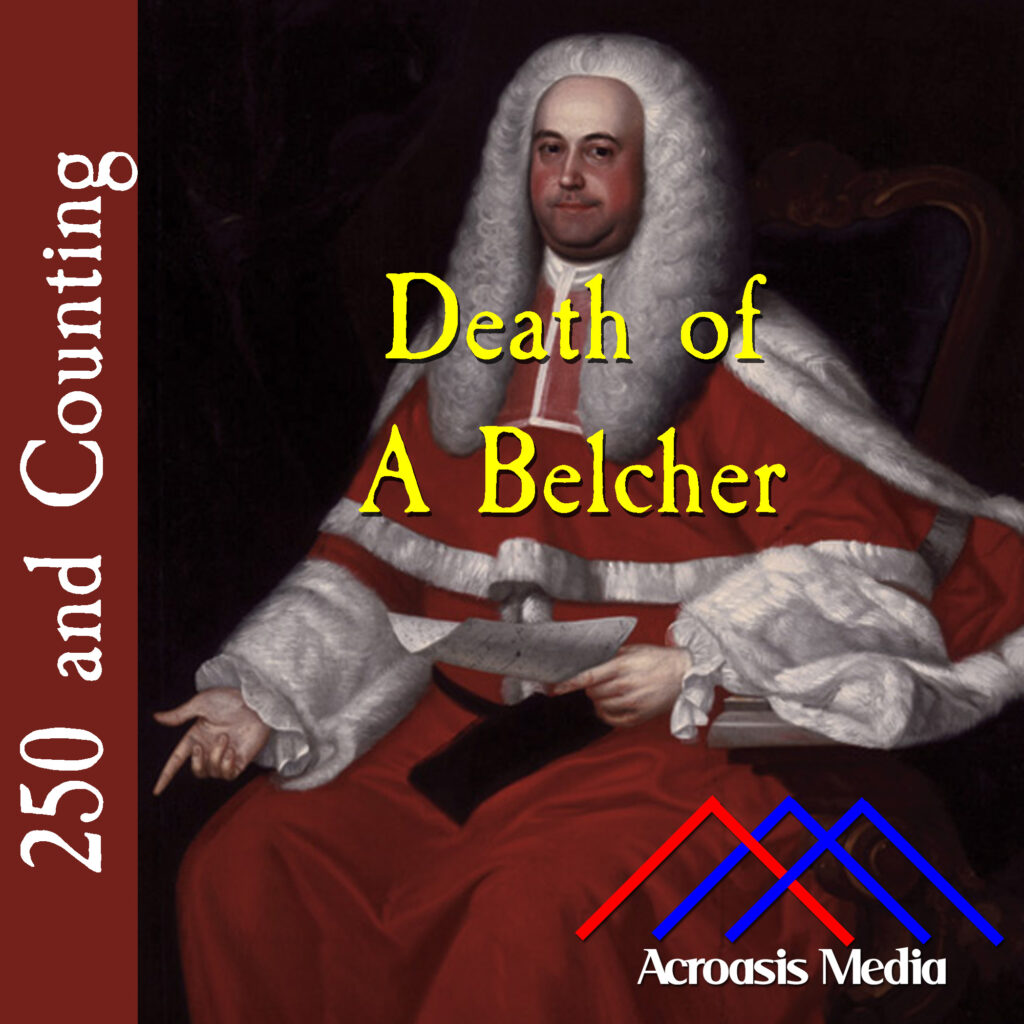
Jurist Jonathan Belcher was born in Boston. He was the second son of Jonathan Belcher and Mary Partridge,
Belcher entered Harvard College, where in 1728 he received a Bachelor of Arts degree in Divinity Studies. In 1730 he entered the Middle Temple, London, to read law, and in 1734 was called to the English bar.
In the meantime he had been admitted as a fellow-commoner to Trinity College, Cambridge, where in 1733 he received another master’s degree, this time in mathematics. He later received a third master’s degree from the College of New Jersey (now Princeton University).
In 1754, Belcher was sent to Nova Scotia to become the first Chief Justice of the Nova Scotia Supreme Court. Prior to Belcher’s arrival Nova Scotia had no formally trained law officers. This meant that he was not only interpreting the law there, he was oftentimes writing it.
Belcher also served on the Nova Scotia Council. On July 28, 1755, he published a document which concluded that deportation of the Acadians was both authorized and required under the law. This is the decision that got him in hot water.
From 1761 to 1763, he was also Lieutenant Governor of Nova Scotia, spending the last three years of that period as Acting Governor when Henry Ellis did not fulfill his duties. He negotiated the peace that led to the Burying the Hatchet ceremony in Nova Scotia.
Jonathan Belcher died in office in 1776, and is buried in the Old Burying Ground in Halifax.
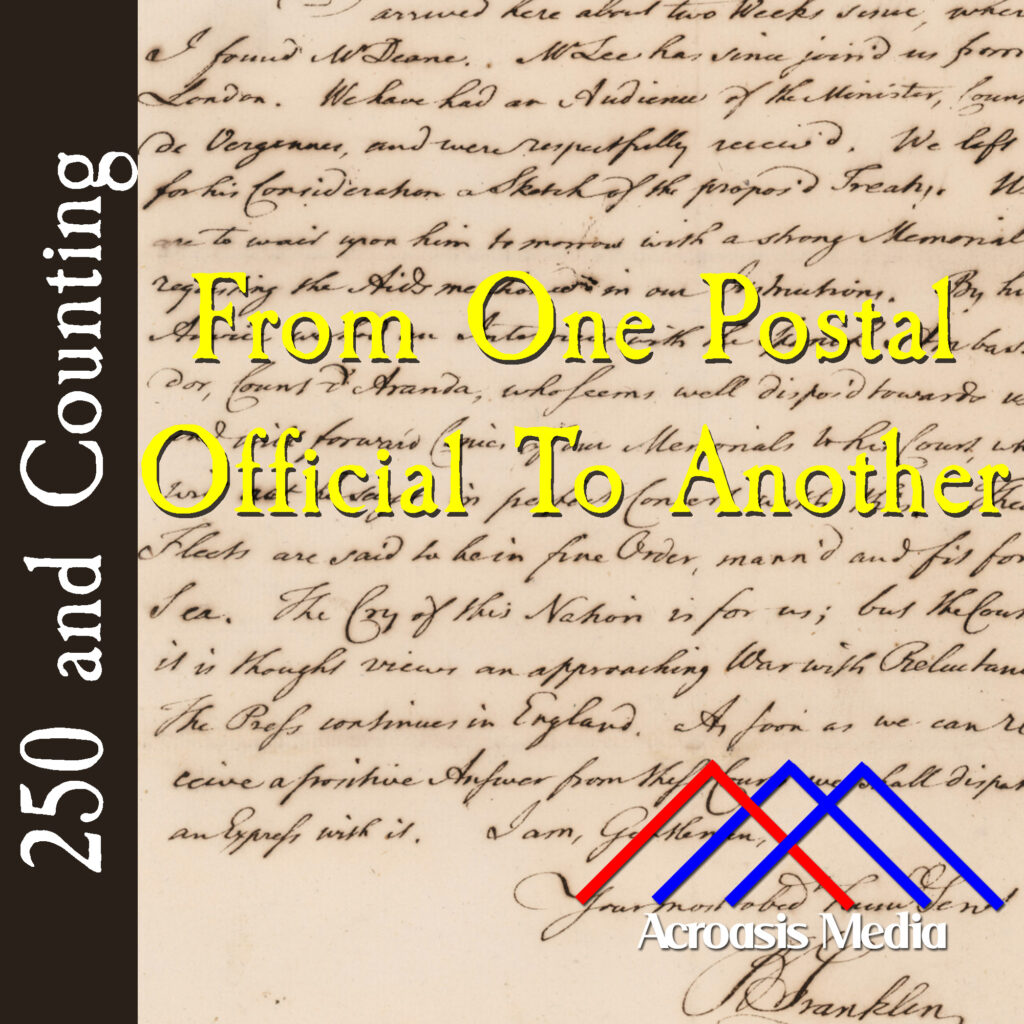
While we’re focusing on one letter written by Benjamin Franklin today, written to Anthony Todd, it’s rather impressive the sheer number and breadth of letters written by, or to, Franklin during his lifetime as a statesman.
There is a collaborative effort going on between Yale University and the American Philospohical Society, among others, to search, collect and publish the various works of Benjamin Franklin. So far over forty volumes have been published since 1959, and the scholars involved are pretty sure that number will surpass 50.
Important to this effort is the fact that Franklin saved a lot of his correspondence specifically for the sake of posterity. As a result we have perhaps a more complete collection of what historians like to call “primary sources” of materials than for any other Founding Father. What’s more, Franklin didn’t just dash off quick notes; he treated them like miniature works of art and crafted their composition. This came in handy when he edited the first draft of the Declaration of Independence. It was his suggestion that the phrase “We hold these truths to be self-evident” whereas Jefferson had described them as “sacred and undeniable.”
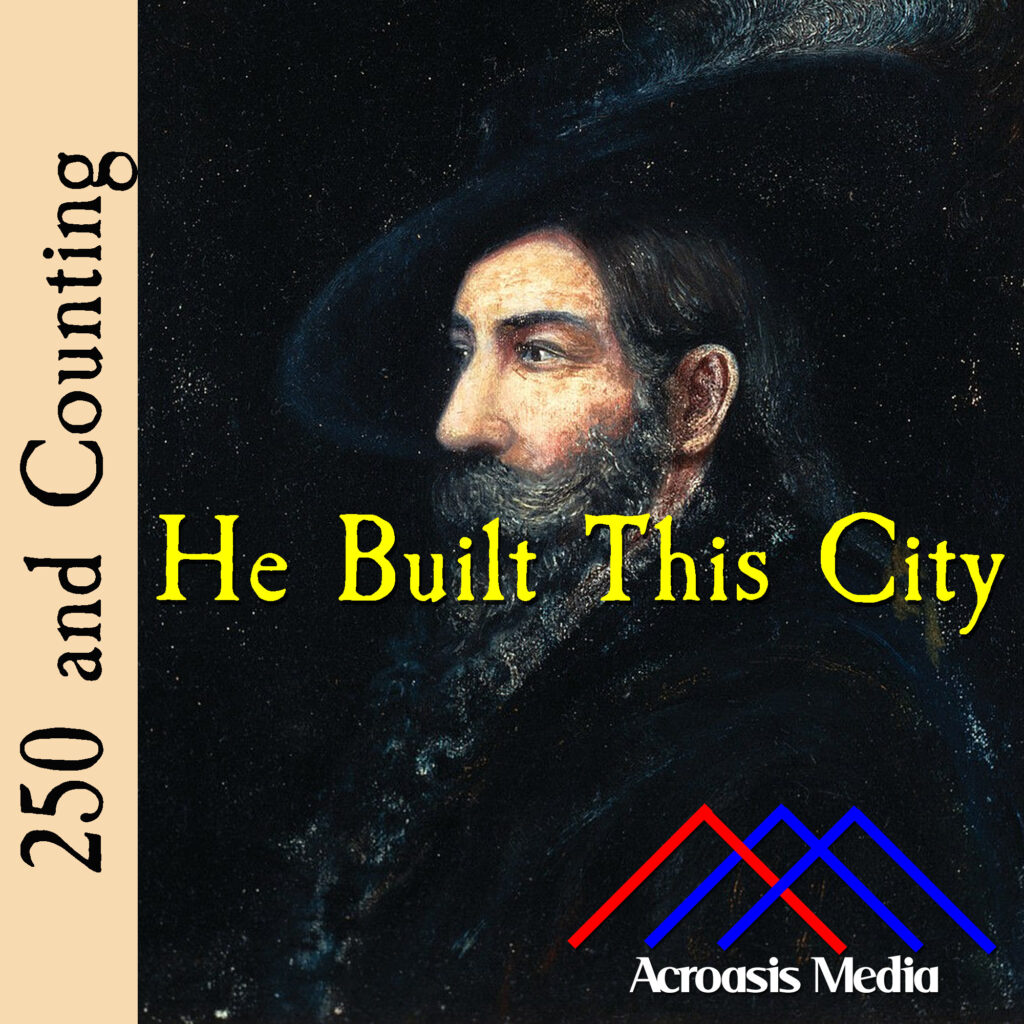
Juan Bautista de Anza is considered one of the founding fathers of Spanish California.
He was born in 1736 in New Spain (what we now call Sonora, Mexico) into a family of military leaders. Most of his military actions involved taking on Native Americans while he explored what is now known as Arizona.
Near the end of the 1760s Spain began to colonize Alta California, which was basically anything not considered Baja California. They took a two-pronged approach; one expedition ran up the coast at sea, which turned out to be quite difficult because the winds were going the wrong way. The other path was over land, which was a little more direct and allowed the Spanish to establish several missions along the way.
In 1772 Anza proposed a new expedtion to Alta California, which was eventually approved by the King of Spain, and in January 1774 he set out from a place a little bit south of present-day Tuscon, Arizona. By April he’d reached Monterey, California before returning to the place he’d started.
October 1775 brought a new start to the expedition, this time with the goal of transporting colonists to Monterey. Having done that, he continued north until arriving at the arroyo of San Joseph Cupertino, which is now known as Stevens Creek. Two days later he’d spotted the San Francisco Estuary and identified the sites for the Presidio of San Francisco and Mission San Francisco de Asis.
Having established an overland route, Anza returned the way he’d come. Unfortunately in 1781 the Yuma Tribe closed off the trail at the Colorado River, which stayed closed until the 1820s, meaning that if you wanted to get to Alta California from Baja, for over 40 years you had to do it by sea.
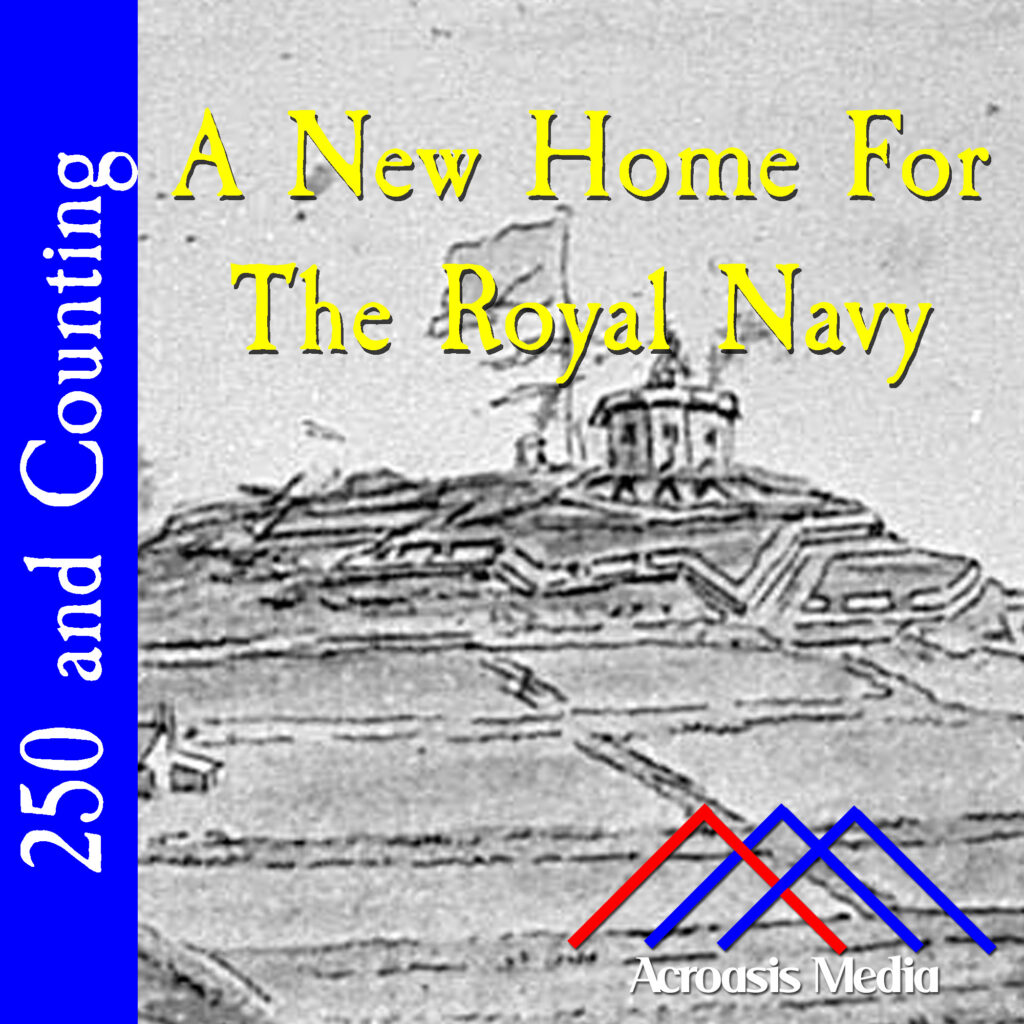
The image in today’s cover art is an engraving of Citadel Hill, around 1780.
Citadel Hill is a very popular historic site in Halifax, and while four forts have been built on this site, none of them have ever had to withstand a direct attack. In a couple of instances, structures near the Citadel were attacked, but never the building itself. It’s possible that the forts that were erected on the site served as deterrents.
The first Citadel was built in 1749. Fortifications were constructed on this hill to protect against raids by the French, colonial Akadians, and local tribes, especially the Mi’kmaq (pronounce it “MicMac”). By 1761 the fort was in ruins and a second, larger Citadel was built in 1776. This is the one in the artwork. While the garrison was always on alert, again it was never attacked, and by 1784 it was again in ruins. The third Citadel was built starting in 1796, when the old one was dismantled. This one was larger still and looked much like the current model, except it had more earthworks. During the War of 1812 some quick renovations were made in case the Americans attacked, but again the whole thing fell to ruin by 1825.
Construction for the current Citadel began in 1828. It was a huge masonry-construction star-shaped fort that took 28 years to finish. An incident in the nearby waters nearly dragged the Citadel into the American Civil War but again there were no attacks on the fort. Eventually it was restored by historians and in 1956 it opened as a historic site and home to the Halifax Army Museum. In the 1990s it was restored again to its 1869 appearance and is maintained as such.
The grounds of the Halifax Citadel are open year round. From spring to fall, a living history program features re-enactors portraying the 78th Highland Regiment (stationed at Halifax between 1869 and 1871), the 78th Highlanders (Halifax Citadel) Pipe Band, the Third Brigade of the Royal Artillery, soldiers’ wives, and civilian tradespeople. Parks Canada also hosts several re-enactment events each year by volunteers of the Brigade of the American Revolution and the two living history associations.
The Citadel’s role in the history of Halifax and North America is communicated through guided and self-guided tours, audio-visual presentations, and various exhibits. On average, the citadel sees over 200,000 visitors annually. A ceremonial firing of the noon gun is conducted daily by staff, and continues year-round, even when the site is closed to visitors. The artillery is also used for formal occasions such as 21-gun salutes.
The “Army Museum”, located in the Citadel’s Cavalier Block, displays a rare collection of weapons, medals, and uniforms exploring Nova Scotia’s army history. It is an independent non-profit museum, and staff work in close partnership with the Citadel staff and Parks Canada.
In July 2006, the Halifax Citadel celebrated the 100th anniversary of the withdrawal of the last British military forces from Canada. The Citadel hosted over 1,000 re-enactors from around the world. Approaching the Christmas season, Citadel Hill annually hosts a “Victorian Christmas”. Visitors are treated to crafts, carolers, and games, as well as a visit from Santa Claus.
Ghost tours are held at the fort in the weeks leading up to Halloween. Ghost tours! Nobody ever died in battle there, but we’re doing ghost tours. Fantastic.
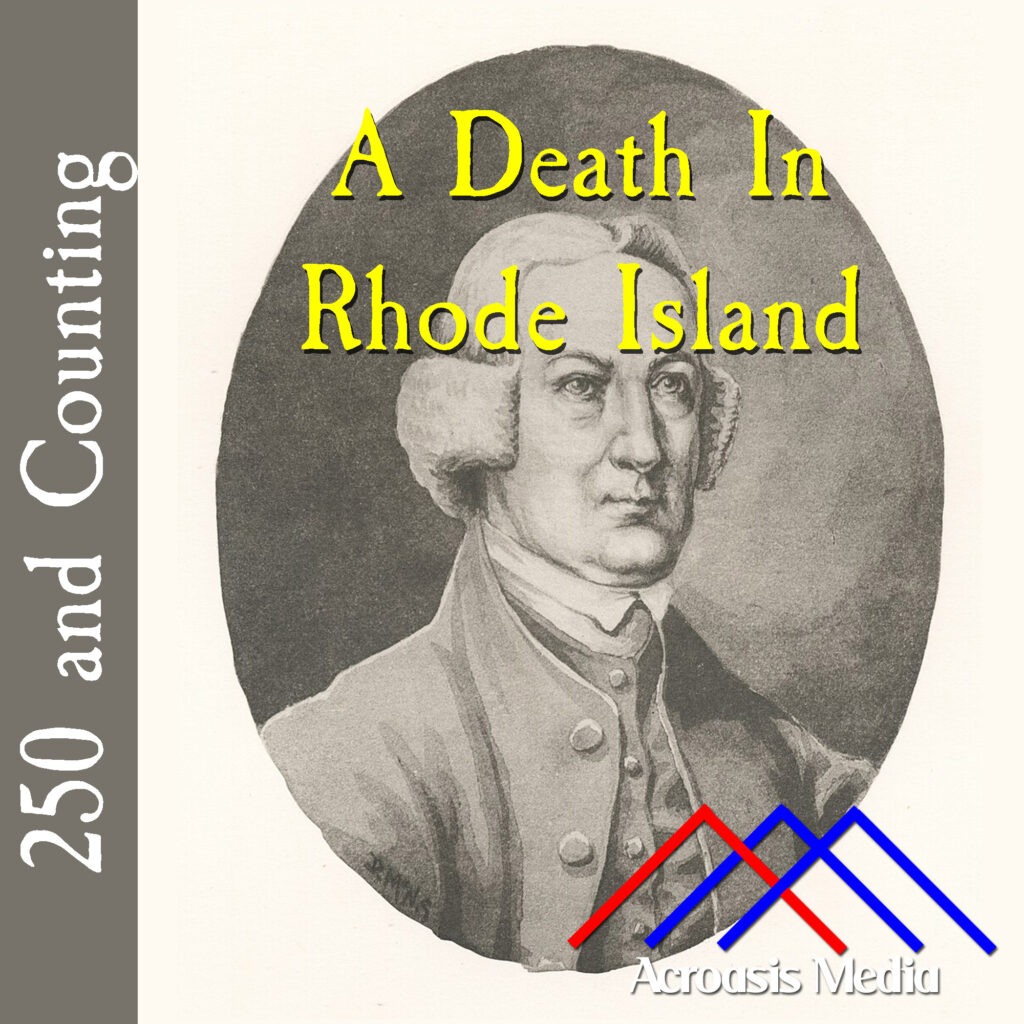
Samuel Ward Sr. was a farmer and a politician, the governor of the Colony of Rhode Island and Providence Plantations, and a Justice of that colony’s Supreme Court.
As a younger man, Ward believed in governments issuing hard money rather than paper, often battling with Stephen Hopkins over this issue. Because of this specific topic, the two men became bitter rivals and for several terms they alternated being governor of Rhode Island.
His final term as governor ended in 1767, at which he left politics to work on his farm. But in 1774 he was called back into service as a delegate to the Continental Congress. Fortunately, he and Hopkins had buried the hatchet and the two were more friendly with one another. I say “fortunately” because Stephen Hopkins was also called to join the Congress.
Ward died in Philadelphia and was buried there, but over 80 years later he was moved to the Common Burying Ground in Newport, RI and reinterred there.
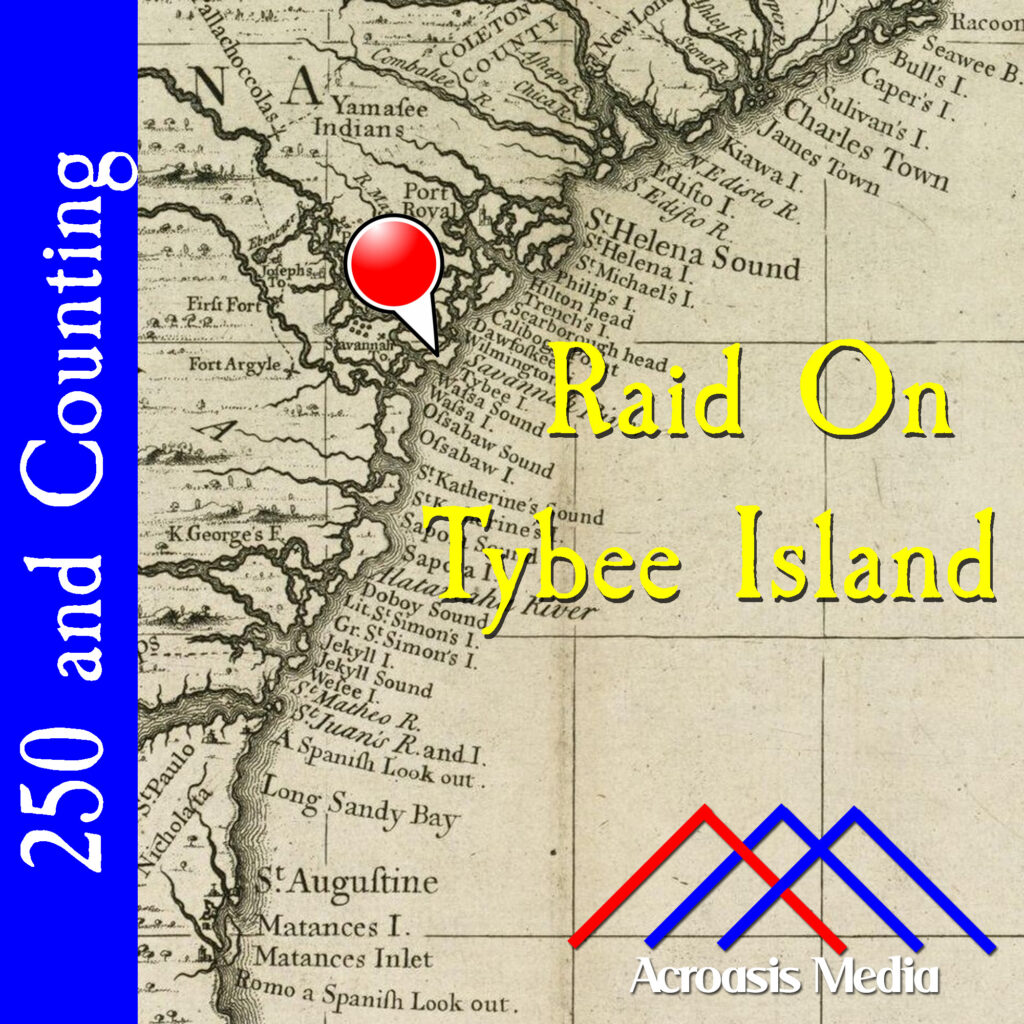
The raid on Tybee Island wasn’t the only one of its kind; in fact a similar action had been taken at Sullivan’s Island in South Carolina a few weeks earlier.
In that case there were many more runaway slaves involved, but like Tybee, very few were actually captured and the fate of most of the others is unknown, although there is one account that says fifty people had resisted capture and were subesquently killed.
But in both cases we see a raid that took place specifically to deny people their freedom, and the proclamation the led to these raids directly influenced the argument in the Declaration of Independence that King George incited “domestic insurrections.” So…the desire of slaves to be free…drove the Patriots to desire independence.
Mike had a little fun busting on George Washington’s spelling in today’s episode, but we do have to offer a little grace here, because in 1776 efforts to standardize spelling in the English language were only just beginning to catch on.
About a hundred years earlier, some of the language was simplified; thus, sinne became sin; logique became logic; toune to town, etc. Not long afterward, some words were tied to their Greek or Latin roots, e.g. det became debt (Latin, “debitum”) and dout became doubt (Latin, “dubitare”), and so on.
It really wasn’t until the 19th Century that more serious efforts to standarize some English took place, as the science of phonetics began to rise. In the 1870s, societies actually began springing up that were dedicated to reforming the English language’s spelling. One such group had the editor of the Chicago Tribune as a member, so whenever his group had something they thought was good, he’d be the first one using it in print.
In 1903 a group called the Simplified Spelling Board was formed, backed by Andrew Carnegie. Their recommendations were immediately relayed to all government agencies by President Teddy Roosevelt.
And then between the 1930s and 1975, the Chicago Tribune (again) was at the forefront of changes to standardized spelling, thus giving the new language a huge platform on which to rest.